
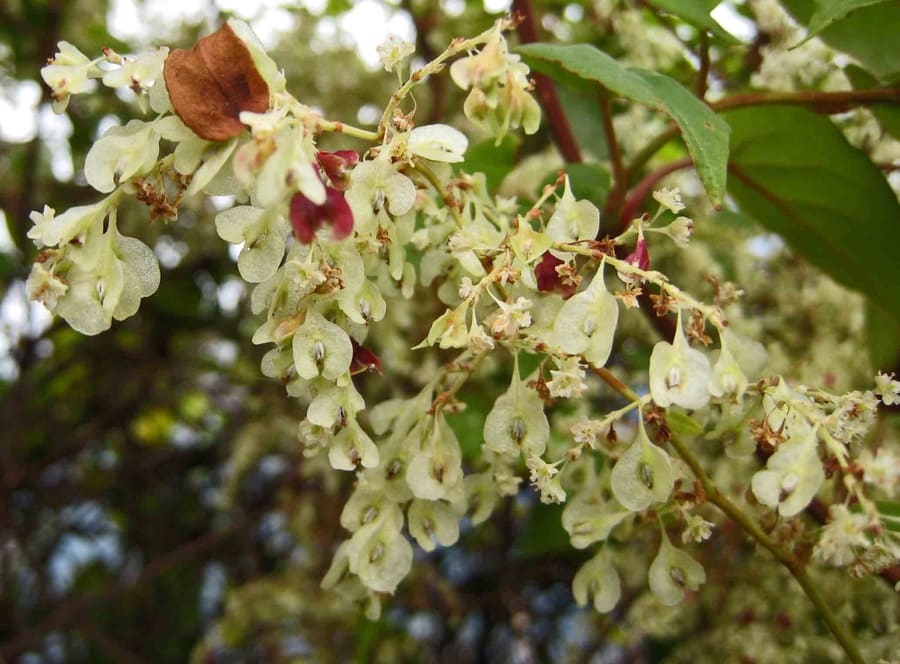
Fo Ti (Polygonum multiflorum)
Photo: 阿橋 HQ · CC BY-SA 2.0
- Circulatory
- 4 conditions
- Licensed photo
Overview
Fo ti (Polygonum multiflorum), also known as he shou wu, is a perennial vine prized in Traditional Chinese Medicine (TCM) as a major longevity and rejuvenating tonic. Its root is revered for balancing qi (vital energy), tonifying the liver and kidneys, and potentially reversing signs of premature aging, including gray hair.
Traditional uses & properties
Anti-Aging Tonic & Blood Builder: Taken regularly in China to enhance vitality, support fertility, and slow hair graying. Lowers Cholesterol & Balances Blood Sugar: Clinical studies show it can significantly reduce raised cholesterol and moderately regulate blood glucose. Glandular Support: Considered supportive for thyroid function. Neuroprotective: Early research suggests it may stabilize brain function and help slow age-related degeneration.
Traditional preparations
Traditional texts describe the preparations below, and where those texts give specific amounts, the amounts are quoted here as part of that record. This is a record of historical practice, not a dosage recommendation - the figures are what the sources say, not what HerbMate tells you to take. Amounts, potency, and safe use vary enormously by preparation, plant part, and person.
Make a tincture and take 1 tsp twice a day with water. Powder may also be added to food for its tonic effect. Take 5 g a day.
Safety & precautions
Digestive Weakness & Diarrhea: Fo ti is not recommended for those with poor digestion, diarrhea, or heavy mucus congestion. Potential Liver Toxicity: In high doses, concerns about liver damage exist; use reputable, properly prepared forms. General Use: Always purchase “prepared” fo ti root from a reliable source.
Drug & food interactions
Interaction data is not available for this herb - talk to a pharmacist before combining it with any medication. A blank entry here means we have not documented interactions, not that none exist.
Habitat
Native to central and southern China, fo ti is widely cultivated in that region. It is propagated from seeds, cuttings, or root divisions in spring. The root is harvested in autumn from plants that are typically 3-4 years old, although larger, older roots are considered the most potent.
Traditionally used for
- Cholesterol regulation6 herbs · 2 free
- Aging3 herbs · 2 free
- Malaria3 herbs · 2 free
- Blurred Vision3 herbs · 2 free
Each condition shows its first 2 remedies free. Premium opens the full remedy list for every condition - or come back for the free Condition of the Day.
Frequently asked questions
What is Fo Ti (Polygonum multiflorum) traditionally used for?
Traditional sources describe Fo Ti (Polygonum multiflorum) as follows: Anti-Aging Tonic & Blood Builder: Taken regularly in China to enhance vitality, support fertility, and slow hair graying. Lowers Cholesterol & Balances Blood Sugar: Clinical studies show it can significantly reduce raised cholesterol and moderately regulate blood glucose. Glandular Support: Considered supportive for thyroid function. Neuroprotective: Early research suggests it may stabilize brain function and help slow age-related degeneration.
How is Fo Ti (Polygonum multiflorum) prepared?
Traditional texts describe the preparations below, and where those texts give specific amounts, the amounts are quoted here as part of that record. This is a record of historical practice, not a dosage recommendation - the figures are what the sources say, not what HerbMate tells you to take. Amounts, potency, and safe use vary enormously by preparation, plant part, and person. Cholesterol Regulation: Make a tincture and take 1 tsp twice a day with water. Powder may also be added to food for its tonic effect. Take 5 g a day.
What safety cautions apply to Fo Ti (Polygonum multiflorum)?
Digestive Weakness & Diarrhea: Fo ti is not recommended for those with poor digestion, diarrhea, or heavy mucus congestion. Potential Liver Toxicity: In high doses, concerns about liver damage exist; use reputable, properly prepared forms. General Use: Always purchase “prepared” fo ti root from a reliable source.
Related herbs
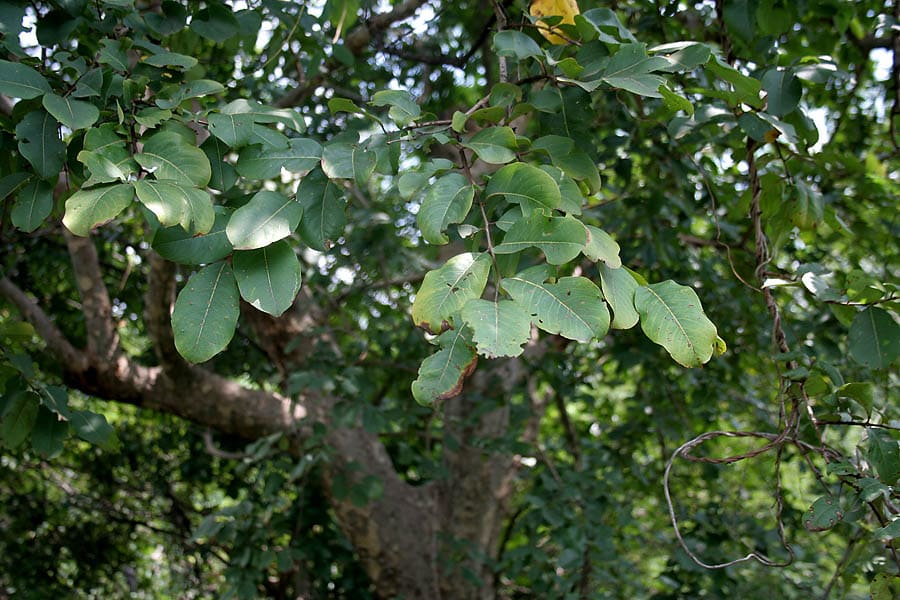 Arjun (Terminalia arjuna)
Arjun is an evergreen tree that can grow up to about 100 ft (30 m) high, bearing pale yellow flowers and cone-shaped leaves. Its bark has a longstanding reputation in Ayurvedic medicine - used for at least 3,000 years - as a primary heart remedy. Traditional texts report its effectiveness in angina, congestive heart failure, and poor coronary circulation, with modern research suggesting it helps reduce blood cholesterol and may stabilize heart rhythms.
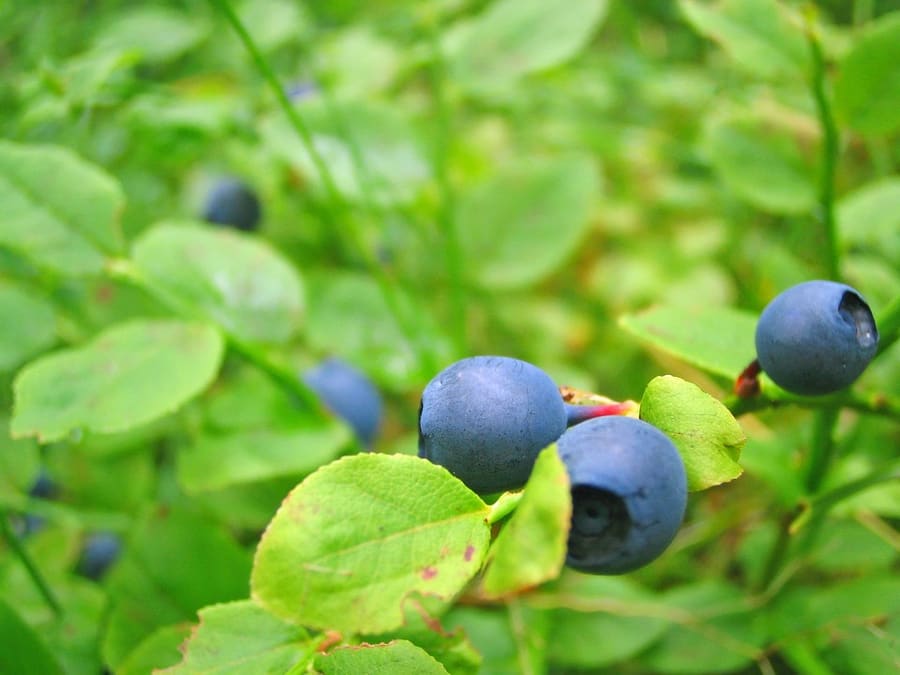 Bilberry (Vaccinium myrtillus)
Bilberry (Vaccinium myrtillus) is famous for improving night vision and promoting eye health, largely due to its anthocyanidin content that supports retinal function and strengthens capillaries. It is closely related to the blueberry, and they can be used interchangeably in many cases. Bilberry fruit can help address circulatory issues, particularly in smaller blood vessels.
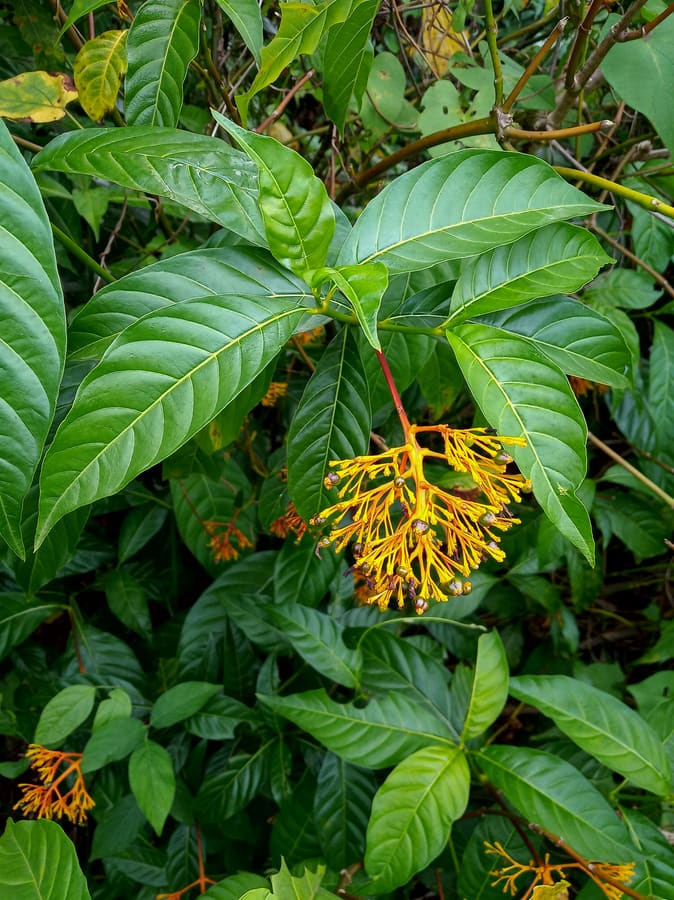 Cinchona (Rubiaceae)Not for self-dosing
Cinchona is an evergreen tree, growing to about 80 ft (25 m). It has reddish bark and large leaves that can reach 20 in (50 cm). Historically famous as the source of quinine - once the world’s most valued antimalarial - cinchona also offers other alkaloids useful for digestive problems, fevers, and arrhythmias. The bark is bitter, astringent, and stimulates appetite and digestion.
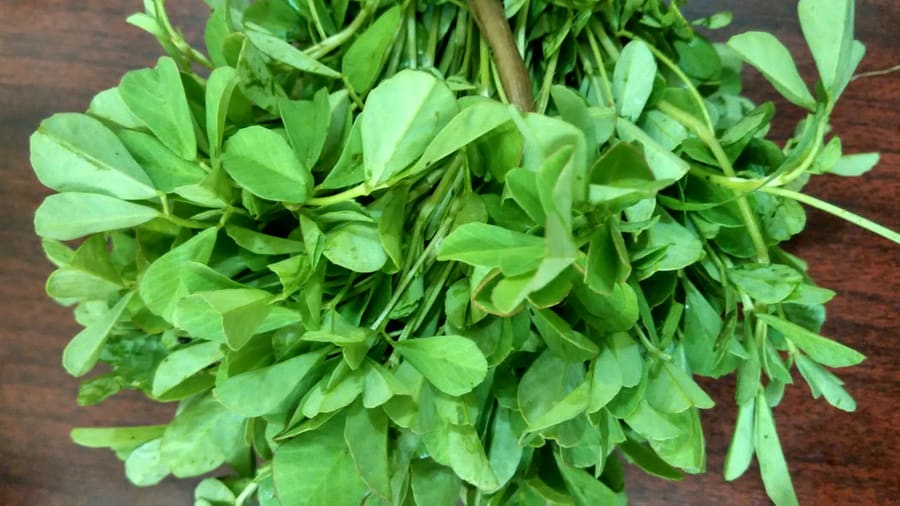 Fenugreek (Trigonella foenum-graecum)
Fenugreek is much used in herbal medicine in North Africa, the Middle East, and India, being esteemed as a remedy for a wide variety of conditions. The nourishing seeds are given during convalescence and to encourage weight gain, especially in anorexia. They are also helpful in lowering fever, with some authorities comparing their ability to that of quinine. The seeds’ soothing effect makes them of value in treating gastritis and gastric ulcers. They are used to induce childbirth and to increase breast-milk production. Fenugreek is also thought to be antidiabetic and to lower blood cholesterol levels. Externally, the seeds may be applied as a paste to treat abscesses, boils, ulcers, and burns, or used as a douche for excessive vaginal discharge.
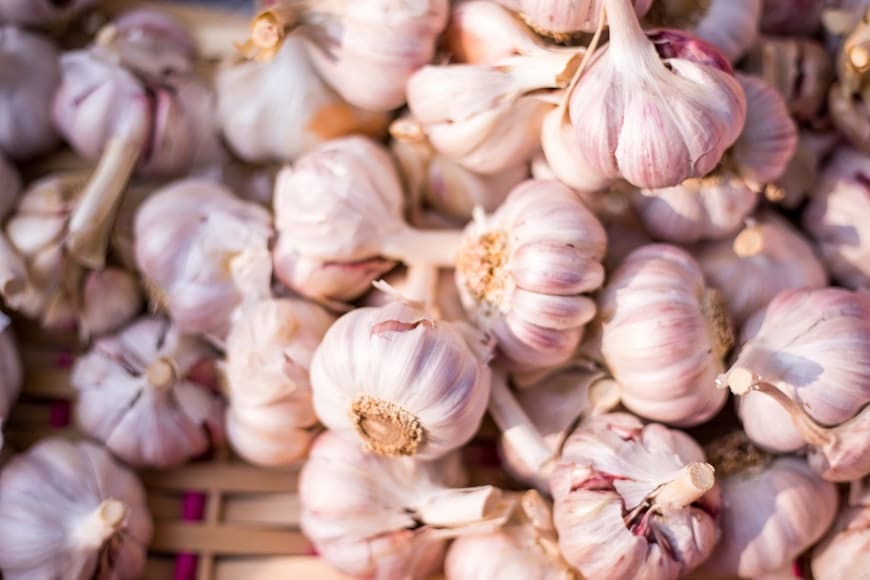 Garlic (Allium sativum)
Garlic (Allium sativum) is a bulbous perennial in the onion family, recognized for its sharp flavor and characteristic odor. Highly valued for both culinary and medicinal purposes, crushed fresh garlic contains allicin, which has potent antibiotic, antifungal, and antiviral properties. Regular garlic intake supports immunity, respiratory health, and circulatory function.
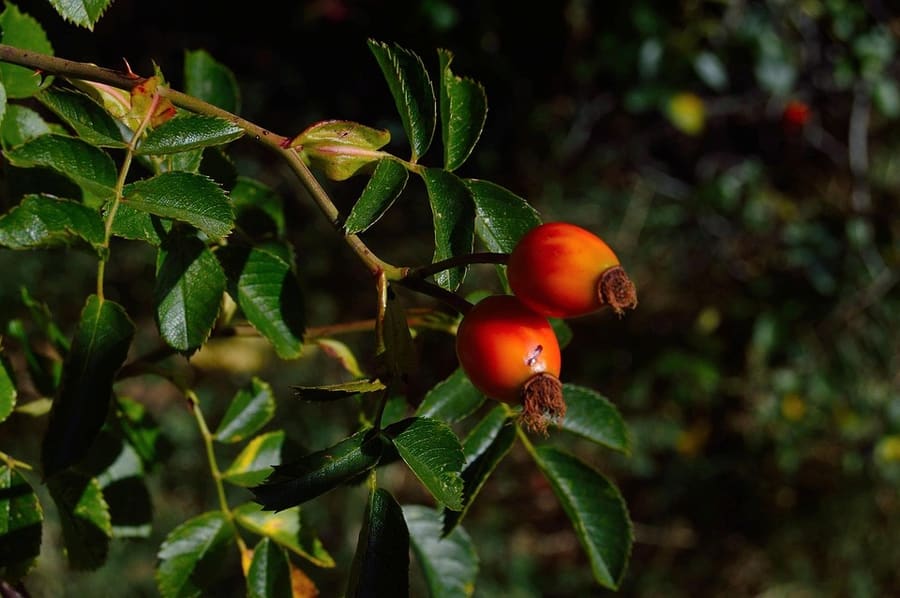 Goji Berry (Lycium chinense)
Goji berry (Lycium barbarum) is a deciduous shrub that can grow up to about 13 ft (4 m), bearing bright green leaves and vivid scarlet berries. A key tonic in Traditional Chinese Medicine, goji berries are believed to support longevity, with references stretching back to the 1st century ce. Both the berries (rich in vitamins, polysaccharides, and carotenoids) and the root have diverse medicinal applications.
 Guggul (Commiphora mukul)
Guggul is a spiny shrub or tree growing to 6.5 feet with oval, serrated leaves, brownish-red flowers, and red fruits. The gum resin obtained from the bark forms pale yellow to brown 'tears' on the stems. Thriving in dry, semi-arid, and desert environments across much of the Indian subcontinent and the Middle East, it has been valued in Ayurvedic medicine for millennia. Early Ayurvedic texts describe guggul as effective in treating obesity, leading to modern research into its potential for managing fat metabolism problems such as raised blood cholesterol levels.
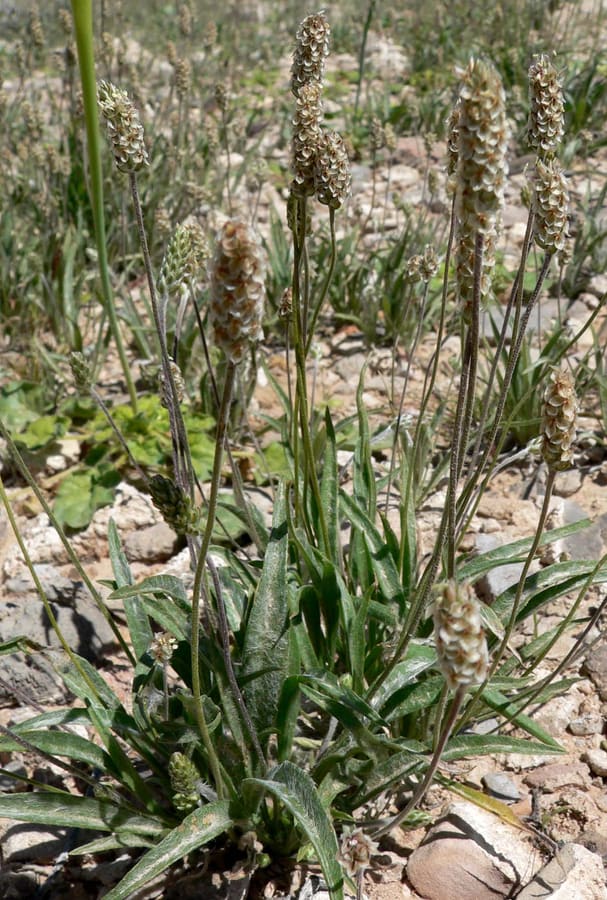 Psyllium (Plantago ovata)
Psyllium, also known as flea seed due to its small brown appearance, is produced by several Plantago species. It has been used as a safe and effective laxative for thousands of years across Europe, North Africa, and Asia. The seeds and husks have a bland taste and develop a jellylike consistency when moistened due to their high mucilage content. The plants are extensively cultivated, especially in India, and propagated from seed in spring. Seeds are harvested when ripe in late summer and early autumn.