
Herbs for Cholesterol regulation
5 herbs traditionally used for this condition.
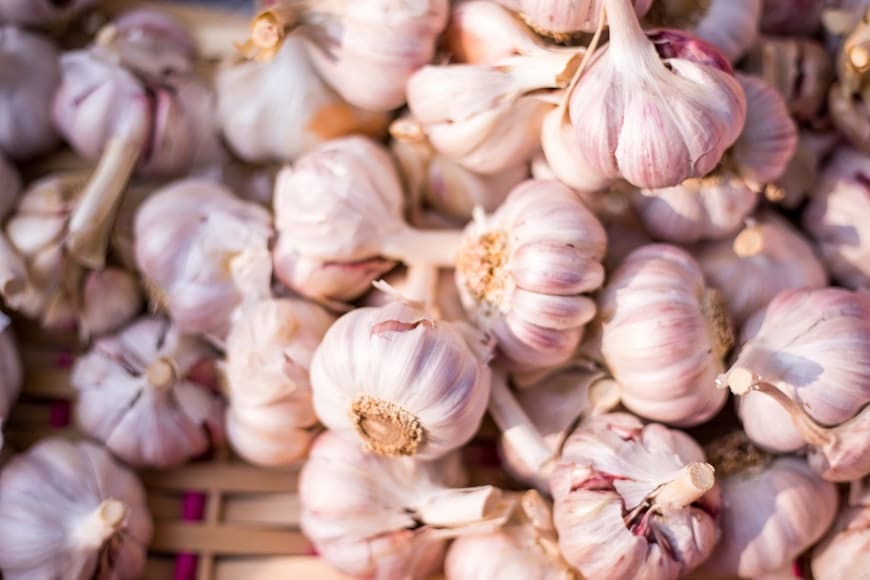
- Garlic (Allium sativum)
Garlic (Allium sativum) is a bulbous perennial in the onion family, recognized for its sharp flavor and characteristic odor. Highly valued for both culinary and medicinal purposes, crushed fresh garlic contains allicin, which has potent antibiotic, antifungal, and antiviral properties. Regular garlic intake supports immunity, respiratory health, and circulatory function.
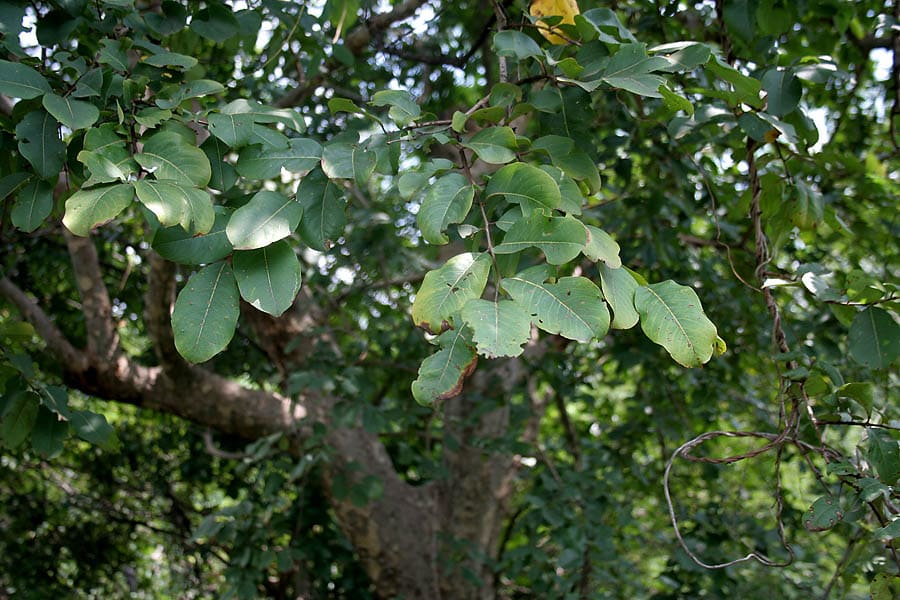
- Arjun (Terminalia arjuna)
Arjun is an evergreen tree that can grow up to about 100 ft (30 m) high, bearing pale yellow flowers and cone-shaped leaves. Its bark has a longstanding reputation in Ayurvedic medicine—used for at least 3,000 years—as a primary heart remedy. Traditional texts report its effectiveness in angina, congestive heart failure, and poor coronary circulation, with modern research suggesting it helps reduce blood cholesterol and may stabilize heart rhythms.
- Fo Ti (Polygonum multiflorum)
Fo ti (Polygonum multiflorum), also known as he shou wu, is a perennial vine prized in Traditional Chinese Medicine (TCM) as a major longevity and rejuvenating tonic. Its root is revered for balancing qi (vital energy), tonifying the liver and kidneys, and potentially reversing signs of premature aging, including gray hair.
- Guggul (Commiphora mukul)
Guggul is a spiny shrub or tree growing to 6.5 feet with oval, serrated leaves, brownish-red flowers, and red fruits. The gum resin obtained from the bark forms pale yellow to brown 'tears' on the stems. Thriving in dry, semi-arid, and desert environments across much of the Indian subcontinent and the Middle East, it has been valued in Ayurvedic medicine for millennia. Early Ayurvedic texts describe guggul as effective in treating obesity, leading to modern research into its potential for managing fat metabolism problems such as raised blood cholesterol levels.
- Psyllium (Plantago ovata)
Psyllium, also known as flea seed due to its small brown appearance, is produced by several Plantago species. It has been used as a safe and effective laxative for thousands of years across Europe, North Africa, and Asia. The seeds and husks have a bland taste and develop a jellylike consistency when moistened due to their high mucilage content. The plants are extensively cultivated, especially in India, and propagated from seed in spring. Seeds are harvested when ripe in late summer and early autumn.