
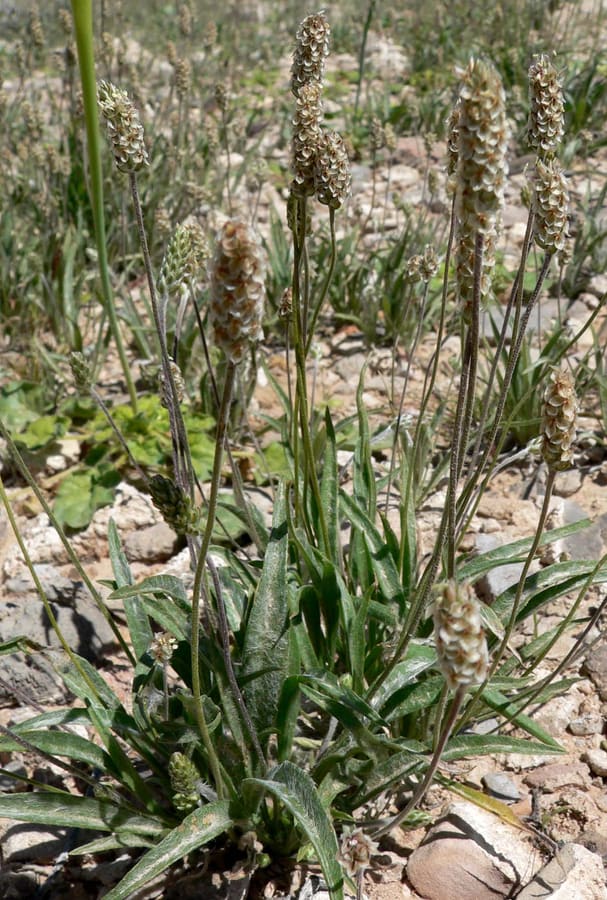
Psyllium (Plantago ovata)
Photo: Stan Shebs · CC BY-SA 3.0
- Circulatory
- 8 conditions
- Licensed photo
Overview
Psyllium, also known as flea seed due to its small brown appearance, is produced by several Plantago species. It has been used as a safe and effective laxative for thousands of years across Europe, North Africa, and Asia. The seeds and husks have a bland taste and develop a jellylike consistency when moistened due to their high mucilage content. The plants are extensively cultivated, especially in India, and propagated from seed in spring. Seeds are harvested when ripe in late summer and early autumn.
Traditional uses & properties
Psyllium serves dual functions as both a laxative and antidiarrheal remedy due to its high fiber content. The husks and seeds contain mucilage that expands and becomes gelatinous when soaked in water, maintaining high water content in the large intestine and increasing stool bulk. This makes it effective for constipation, particularly when caused by over-tensed or over-relaxed bowel. It also treats diarrhea, irritable bowel syndrome, ulcerative colitis, and Crohn's disease. Psyllium provides relief for hemorrhoids by softening stool and reducing vein irritation. The mucilage absorbs toxins in the large intestine, supporting detoxification. Its soothing demulcent action benefits the entire gastrointestinal tract, helping with stomach and duodenal ulcers and acid indigestion. In India, seed infusions are used for urethritis. When combined with calendula infusion, the husks make an effective poultice for drawing out infection from boils and abscesses. Clinical trials have shown it helps lower blood-fat and glucose levels in type 2 diabetes.
Traditional preparations
Traditional texts describe the preparations below, and where those texts give specific amounts, the amounts are quoted here as part of that record. This is a record of historical practice, not a dosage recommendation - the figures are what the sources say, not what HerbMate tells you to take. Amounts, potency, and safe use vary enormously by preparation, plant part, and person.
Powder or capsules: 1,000-5,000 mg up to 3 times daily mixed with water or juice. Drink a large glass of water after consuming. Take first thing in the morning or before bed. Take before meals to help regulate appetite and blood sugar.
Safety & precautions
Do not exceed the stated dose. Always take with plenty of water. Psyllium is a mild laxative suitable for children, elderly, and during pregnancy, but should be avoided in cases of bowel obstruction or perforations. It can cause constipation when a person is dehydrated. Ensure adequate hydration when using.
Drug & food interactions
Interaction data is not available for this herb - talk to a pharmacist before combining it with any medication. A blank entry here means we have not documented interactions, not that none exist.
Habitat
The three Plantago species that produce psyllium grow throughout southern Europe, North Africa, and Asia, especially in India, where they are extensively cultivated. They require plenty of sun.
Traditionally used for
- Cholesterol regulation6 herbs · 2 free
- Acidity5 herbs · 2 free
- Colitis8 herbs · 2 free
- Constipation13 herbs · 2 free
- Hemorrhoids5 herbs · 2 free
- Irritable Bowel Syndrome11 herbs · 2 free
- Ulcers15 herbs · 2 free
- Diabetes11 herbs · 2 free
Each condition shows its first 2 remedies free. Premium opens the full remedy list for every condition - or come back for the free Condition of the Day.
Frequently asked questions
What is Psyllium (Plantago ovata) traditionally used for?
Traditional sources describe Psyllium (Plantago ovata) as follows: Psyllium serves dual functions as both a laxative and antidiarrheal remedy due to its high fiber content. The husks and seeds contain mucilage that expands and becomes gelatinous when soaked in water, maintaining high water content in the large intestine and increasing stool bulk. This makes it effective for constipation, particularly when caused by over-tensed or over-relaxed bowel. It also treats diarrhea, irritable bowel syndrome, ulcerative colitis, and Crohn's disease. Psyllium provides relief for hemorrhoids by softening stool and reducing vein irritation. The mucilage absorbs toxins in the large intestine, supporting detoxification. Its soothing demulcent action benefits the entire gastrointestinal tract, helping with stomach and duodenal ulcers and acid indigestion. In India, seed infusions are used for urethritis. When combined with calendula infusion, the husks make an effective poultice for drawing out infection from boils and abscesses. Clinical trials have shown it helps lower blood-fat and glucose levels in type 2 diabetes.
How is Psyllium (Plantago ovata) prepared?
Traditional texts describe the preparations below, and where those texts give specific amounts, the amounts are quoted here as part of that record. This is a record of historical practice, not a dosage recommendation - the figures are what the sources say, not what HerbMate tells you to take. Amounts, potency, and safe use vary enormously by preparation, plant part, and person. Powder or capsules: 1,000-5,000 mg up to 3 times daily mixed with water or juice. Drink a large glass of water after consuming. Take first thing in the morning or before bed. Take before meals to help regulate appetite and blood sugar.
What safety cautions apply to Psyllium (Plantago ovata)?
Do not exceed the stated dose. Always take with plenty of water. Psyllium is a mild laxative suitable for children, elderly, and during pregnancy, but should be avoided in cases of bowel obstruction or perforations. It can cause constipation when a person is dehydrated. Ensure adequate hydration when using.
Related herbs
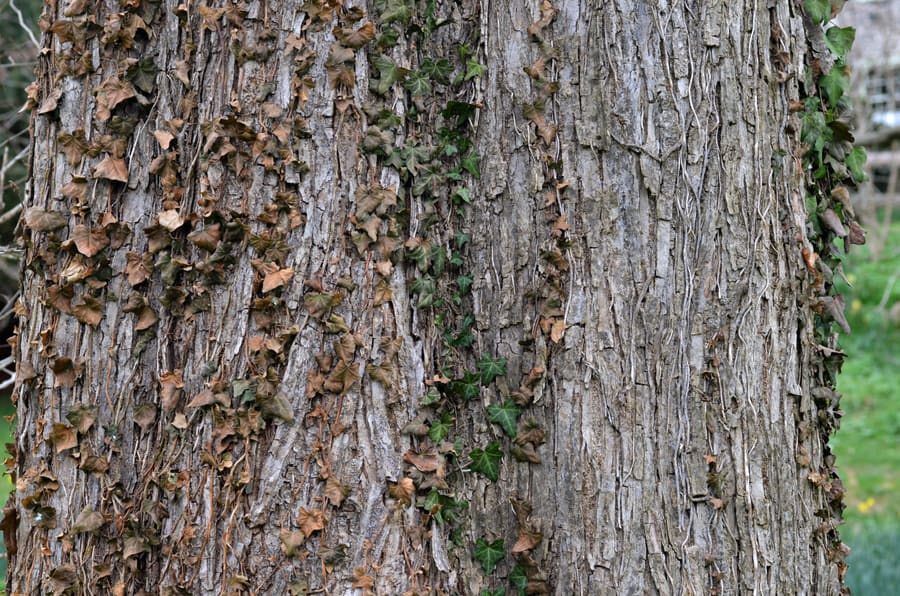 Slippery Elm (Ulmus rubra)
Slippery elm (Ulmus rubra) is a large tree native to the eastern U.S. and Canada. The medicinal part is the inner bark, prized for its high mucilage content. When soaked in water, it turns “slippery,” coating and soothing inflamed tissues in the mouth, throat, stomach, and intestines.
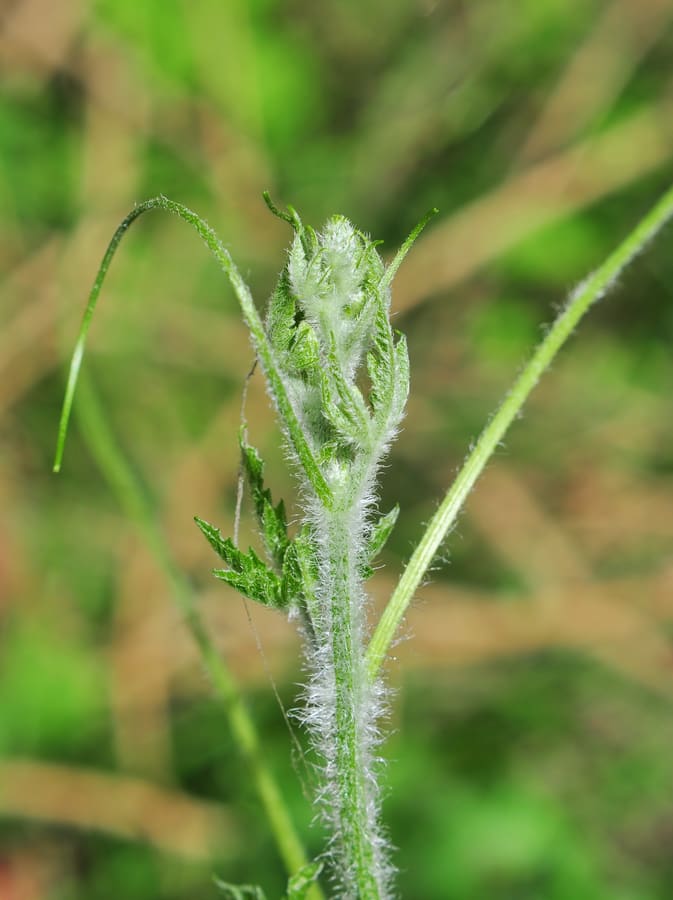 Bitter Melon (Momordica charantia)
Bitter melon is an annual climbing vine reaching about 6.5 feet, characterized by deeply lobed leaves, yellow flowers, and distinctive orange-yellow fruit. Native to southern Asia and now common throughout tropical regions worldwide, it is harvested year-round. The plant's unripe fruit, ripe fruit, leaves, seeds, and seed oil all have medicinal applications, and it has been a traditional remedy for diabetes symptoms in Asia, Africa, and the Caribbean for centuries.
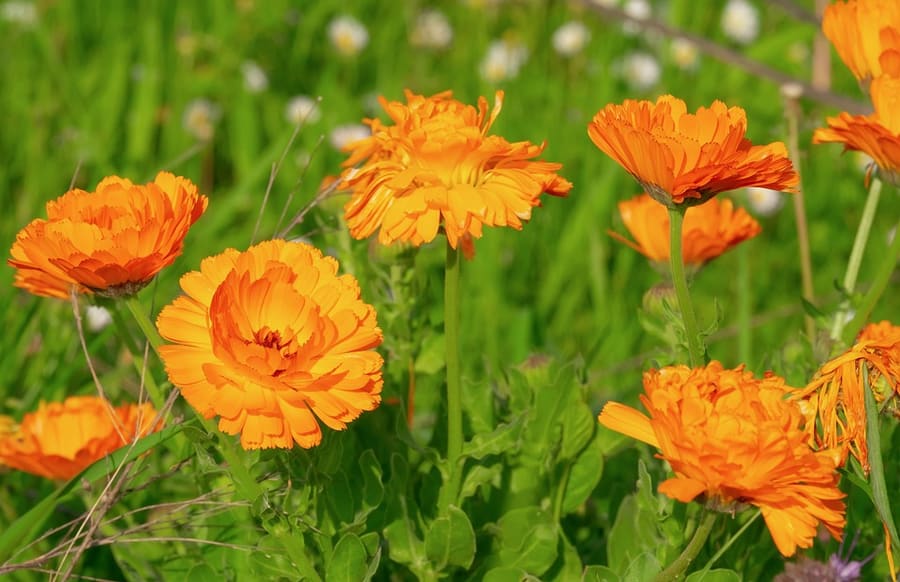 Calendula (Calendula officinalis)
Calendula (Calendula officinalis), with its bright orange daisy-like flowers, is among the most versatile herbs in Western herbal medicine. Its petals contain antiseptic, anti-inflammatory, and vulnerary properties, making it excellent for speeding tissue repair in wounds, burns, bruises, and various skin irritations. Calendula is also used internally for gastrointestinal inflammation (e.g., Crohn’s disease, colitis, gastritis).
 Cat's Claw (Uncaria tomentosa)
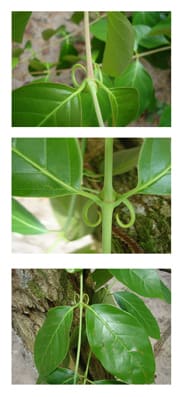
Cat's claw is a climbing vine that can grow to 100 feet or more, with stems up to 8 inches in diameter, large glossy leaves, and sharp hooks resembling a cat's claws. Native to tropical rainforests in the central and eastern Andes - especially Peru, Ecuador, and Colombia - it has also been found in Guatemala, Costa Rica, and Panama. Known by the Ashaninka and other indigenous peoples of central Peru for its power in regulating illness, it has been used since ancient times to treat serious conditions ranging from asthma and diabetes to arthritis and cancer. By the early 1990s, over-collection from the wild threatened the species' survival; only sustainably sourced stem bark should be used, rather than root bark.
 Fenugreek (Trigonella foenum-graecum)
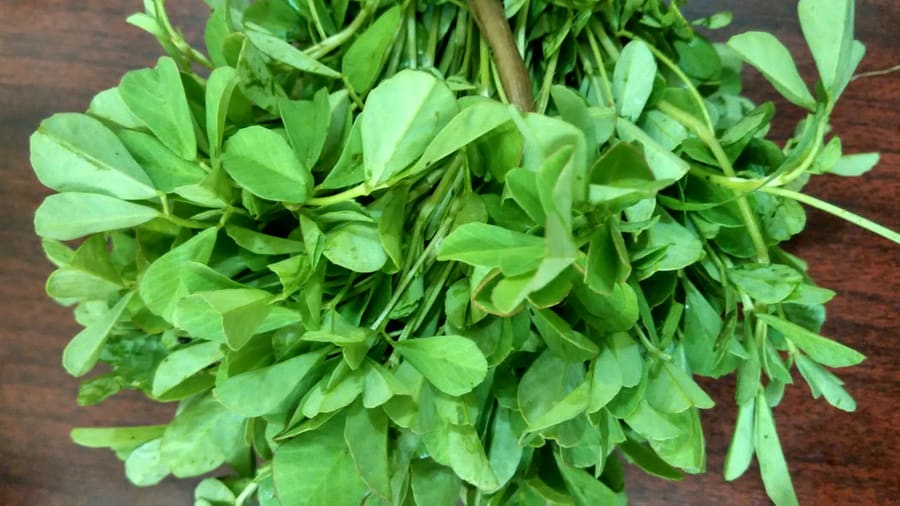
Fenugreek is much used in herbal medicine in North Africa, the Middle East, and India, being esteemed as a remedy for a wide variety of conditions. The nourishing seeds are given during convalescence and to encourage weight gain, especially in anorexia. They are also helpful in lowering fever, with some authorities comparing their ability to that of quinine. The seeds’ soothing effect makes them of value in treating gastritis and gastric ulcers. They are used to induce childbirth and to increase breast-milk production. Fenugreek is also thought to be antidiabetic and to lower blood cholesterol levels. Externally, the seeds may be applied as a paste to treat abscesses, boils, ulcers, and burns, or used as a douche for excessive vaginal discharge.
 Marshmallow (Althaea officinalis)
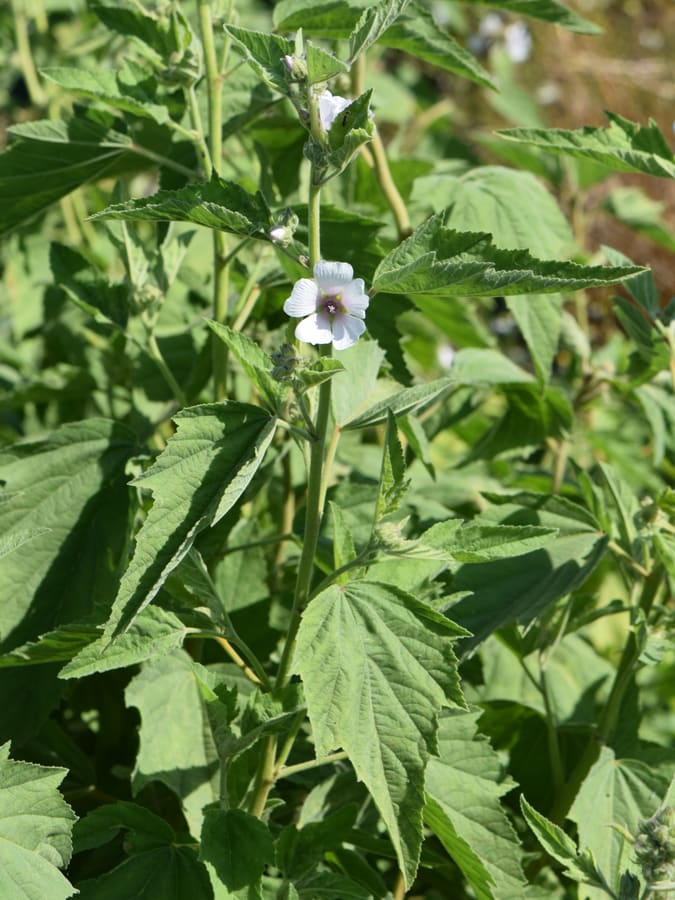
Marshmallow (Althaea officinalis) is a downy perennial up to about 7 ft (2.2 m), with thick white roots, heart-shaped leaves, and pink flowers. Known for its high mucilage content, marshmallow soothes inflamed mucous membranes, including those in the respiratory, urinary, and digestive systems.
 Chinese Rhubarb (Rheum palmatum)
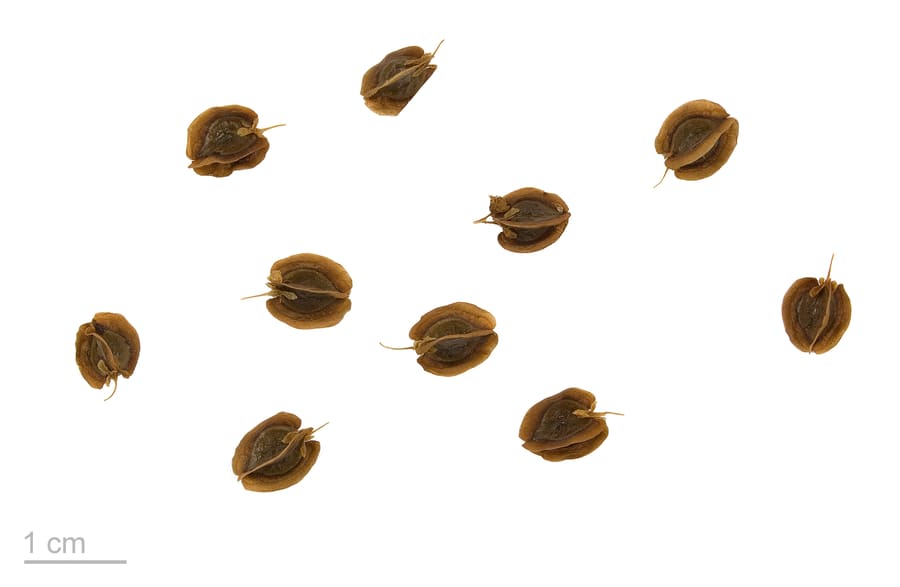
Chinese rhubarb (Rheum palmatum) is a thick-rhizomed perennial, growing up to 10 ft (3 m) tall, with large, palmate leaves and small flowers. Known in Chinese medicine for over 2,000 years, it has a paradoxical effect on the bowels: stimulating in large doses, yet gently astringent and constipating in small doses. The rhizome also aids digestion, helps counter inflammation, and has anti-ulcer and antibacterial actions.
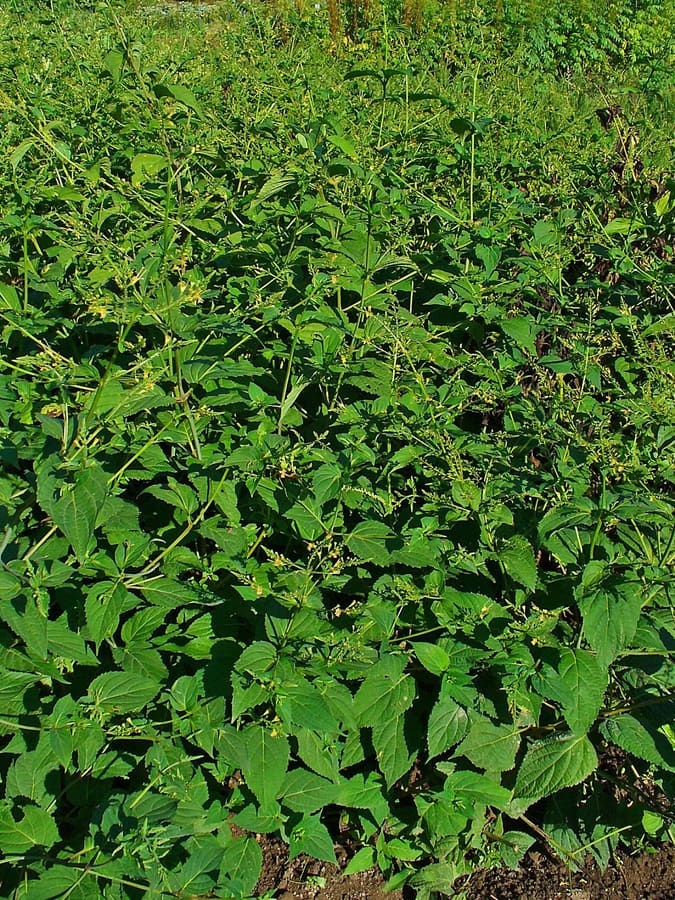 Stone Root (Collinsonia canadensis)
Stone root is a perennial herb growing to 3 feet tall, characterized by a square stem, oval leaves, and clusters of greenish-yellow flowers. Native to moist woodlands of eastern North America, the root is harvested in autumn. The plant contains volatile oil, tannins, and saponins.