
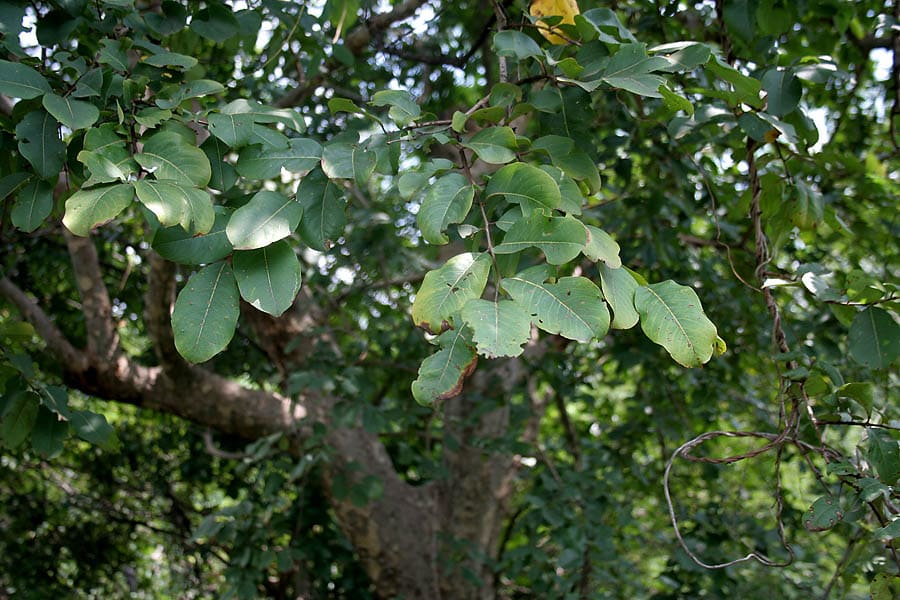
Arjun (Terminalia arjuna)
Photo: J.M.Garg · CC BY 3.0
- Circulatory
- 2 conditions
- Licensed photo
Overview
Arjun is an evergreen tree that can grow up to about 100 ft (30 m) high, bearing pale yellow flowers and cone-shaped leaves. Its bark has a longstanding reputation in Ayurvedic medicine - used for at least 3,000 years - as a primary heart remedy. Traditional texts report its effectiveness in angina, congestive heart failure, and poor coronary circulation, with modern research suggesting it helps reduce blood cholesterol and may stabilize heart rhythms.
Traditional uses & properties
Cardiac Tonic & Vasodilator: Supports heart function, improving circulation, reducing angina symptoms, and possibly regulating heart rate and rhythm. Hypotensive: Can help lower blood pressure, though research results have varied. Cholesterol-Lowering: Shown in some studies to reduce blood cholesterol levels. Ayurvedic Use: Employed traditionally for edema associated with heart failure, as well as bile duct problems, certain poisonings, and scorpion stings. It is also part of some preparations for asthma and digestive disorders.
Traditional preparations
Traditional texts describe the preparations below, and where those texts give specific amounts, the amounts are quoted here as part of that record. This is a record of historical practice, not a dosage recommendation - the figures are what the sources say, not what HerbMate tells you to take. Amounts, potency, and safe use vary enormously by preparation, plant part, and person.
Decoction made from dried bark can be used to treat poor circulation to the heart.
Safety & precautions
Not recommended during pregnancy unless supervised by a qualified healthcare professional. Owing to conflicting research on how it affects blood pressure and heart rate, it should be taken only with professional guidance.
Drug & food interactions
Arjuna appears to have some effects on cardiovascular function, which may lead to interactions with conventional drugs used for similar indications. However, if anything, these interactions may be beneficial. Arjuna may also affect thyroid function, which could alter the control of both hyper- and hypothyroidism.
- Thyroid and antithyroid drugs
- The interaction between arjuna and thyroid or antithyroid drugs is based on experimental evidence only.
- Medicine
- No interactions found.
- Cardiovascular drugs
- Arjuna appears to have some effects on cardiovascular function that may be of benefit when given with conventional cardiovascular drugs. The effect of arjuna on angina pectoris, congestive heart failure, left ventricular mass and hyperlipidaemia has been investigated in a number of small studies in patients with various cardiovascular disorders (these have been the subject of a review). In some of these studies, patients were also taking conventional drugs. For example, in one double-blind, crossover study in 58 patients with stable angina, the addition of powdered stem bark extract (500 mg every 8 hours) for one week decreased the number of angina episodes and the need for nitrate therapy during episodes of angina (about 5.7 mg/week versus 18.2 mg/week with placebo). In another double-blind crossover study in patients with refractory congestive heart failure, the addition of bark extract 500 mg every 8 hours for 2 weeks to conventional therapy (digoxin, maximally tolerated furosemide and spironolactone, vasodilators; ACE inhibitors, nifedipine or nitrates) led to improvements in signs and symptoms of heart failure. This improvement was maintained over long-term evaluation in an open phase, when patients continued the bark extract at the same dosage. The only notable adverse effect was a rise in serum potassium (from about 3.8 to 4.3 mmol/L). Another randomised, placebo-controlled study in patients with coronary heart disease found that adding arjuna bark powder 500 mg daily to existing medication decreased lipid peroxide levels (a marker of atherosclerosis) and caused a significant decrease in cholesterol levels.
- Food
- No interactions found.
These entries keep the wording of the reference they come from, and three phrases mean three different things. "No interactions found" means the source looked for reports of that pairing and found none. "No data found" means nothing has been published either way. "Based on experimental evidence only" means the effect has been seen in a laboratory or animal study but not in people - a reason for caution, not a report of harm.
Habitat
Found across much of the Indian subcontinent, from Sri Lanka to the foothills of the Himalayas, arjun thrives in damp, marshy areas, often near riverbanks. It is grown from seed, and the bark is harvested in late winter. The bark is then processed into powdered form, decoctions, or tinctures.
Traditionally used for
Each condition shows its first 2 remedies free. Premium opens the full remedy list for every condition - or come back for the free Condition of the Day.
Frequently asked questions
What is Arjun (Terminalia arjuna) traditionally used for?
Traditional sources describe Arjun (Terminalia arjuna) as follows: Cardiac Tonic & Vasodilator: Supports heart function, improving circulation, reducing angina symptoms, and possibly regulating heart rate and rhythm. Hypotensive: Can help lower blood pressure, though research results have varied. Cholesterol-Lowering: Shown in some studies to reduce blood cholesterol levels. Ayurvedic Use: Employed traditionally for edema associated with heart failure, as well as bile duct problems, certain poisonings, and scorpion stings. It is also part of some preparations for asthma and digestive disorders.
How is Arjun (Terminalia arjuna) prepared?
Traditional texts describe the preparations below, and where those texts give specific amounts, the amounts are quoted here as part of that record. This is a record of historical practice, not a dosage recommendation - the figures are what the sources say, not what HerbMate tells you to take. Amounts, potency, and safe use vary enormously by preparation, plant part, and person. Cholesterol Regulation: Decoction made from dried bark can be used to treat poor circulation to the heart.
What safety cautions apply to Arjun (Terminalia arjuna)?
Not recommended during pregnancy unless supervised by a qualified healthcare professional. Owing to conflicting research on how it affects blood pressure and heart rate, it should be taken only with professional guidance.
Related herbs
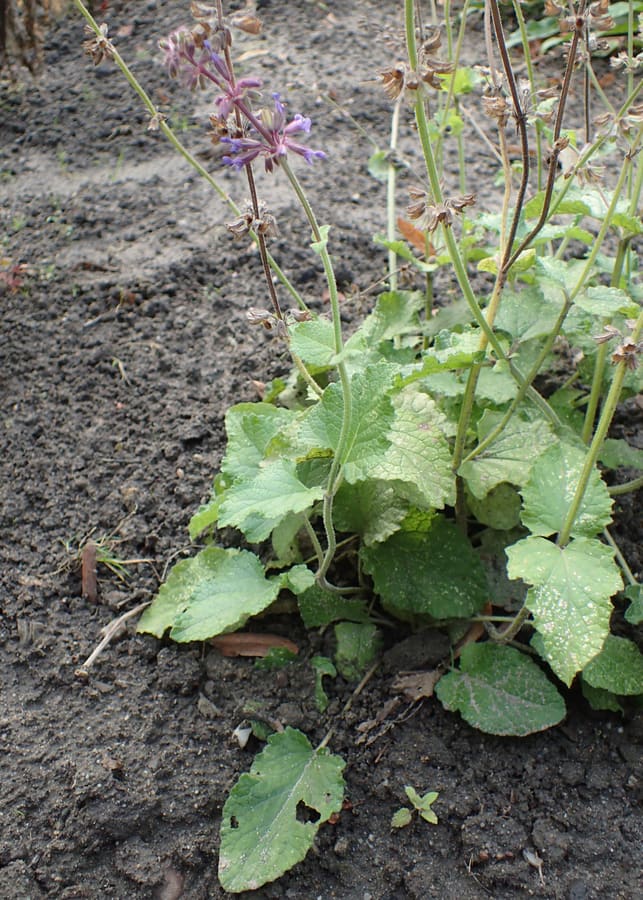 Dan Shen (Salvia miltiorrhiza)
Dan shen (Salvia miltiorrhiza) is a hardy perennial sage with purple flower clusters, growing up to 32 in (80 cm). Prized in Traditional Chinese Medicine (TCM) as a circulatory tonic for heart and blood vessel health, dan shen helps “invigorate the blood” and ease conditions linked to blood stagnation, such as painful or irregular periods. Modern research affirms its beneficial effects in supporting heart function and reducing angina.
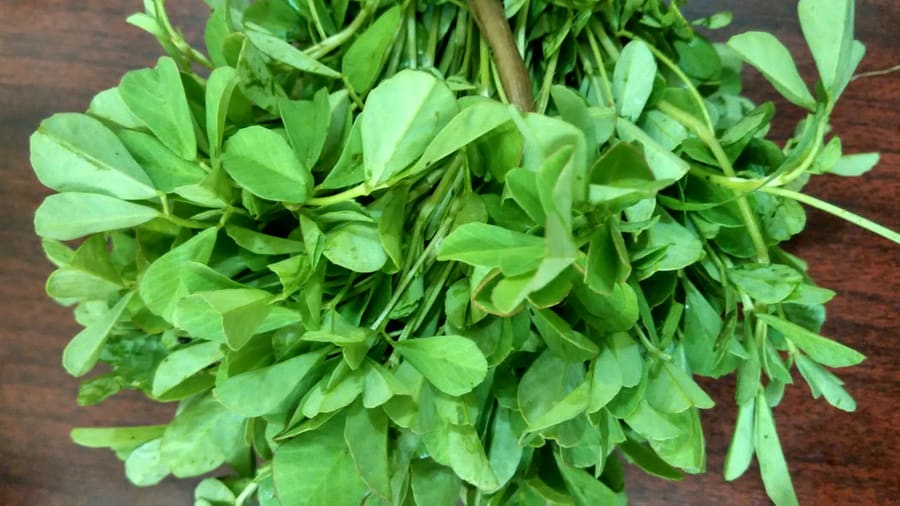 Fenugreek (Trigonella foenum-graecum)
Fenugreek is much used in herbal medicine in North Africa, the Middle East, and India, being esteemed as a remedy for a wide variety of conditions. The nourishing seeds are given during convalescence and to encourage weight gain, especially in anorexia. They are also helpful in lowering fever, with some authorities comparing their ability to that of quinine. The seeds’ soothing effect makes them of value in treating gastritis and gastric ulcers. They are used to induce childbirth and to increase breast-milk production. Fenugreek is also thought to be antidiabetic and to lower blood cholesterol levels. Externally, the seeds may be applied as a paste to treat abscesses, boils, ulcers, and burns, or used as a douche for excessive vaginal discharge.
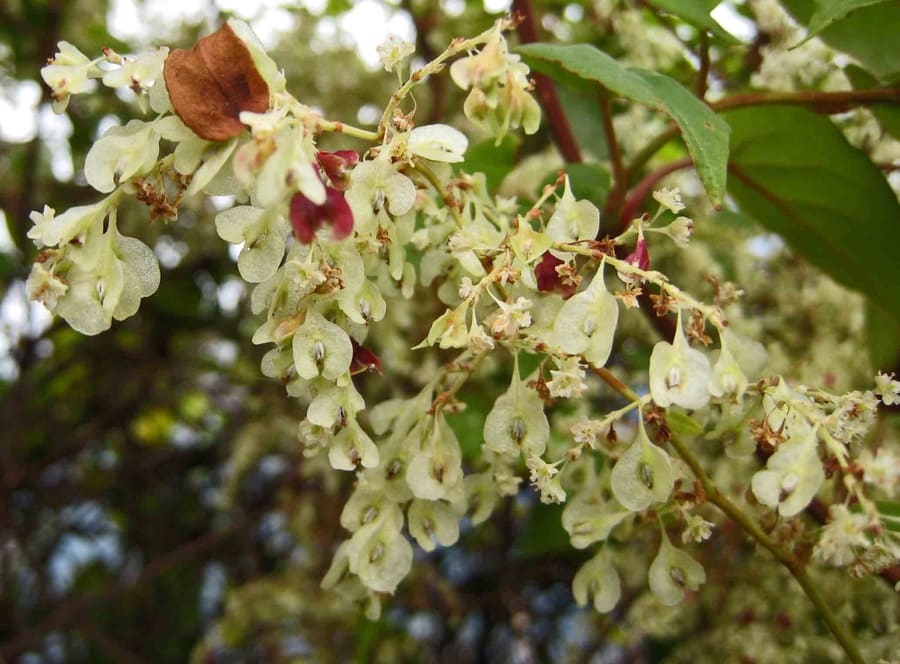 Fo Ti (Polygonum multiflorum)
Fo ti (Polygonum multiflorum), also known as he shou wu, is a perennial vine prized in Traditional Chinese Medicine (TCM) as a major longevity and rejuvenating tonic. Its root is revered for balancing qi (vital energy), tonifying the liver and kidneys, and potentially reversing signs of premature aging, including gray hair.
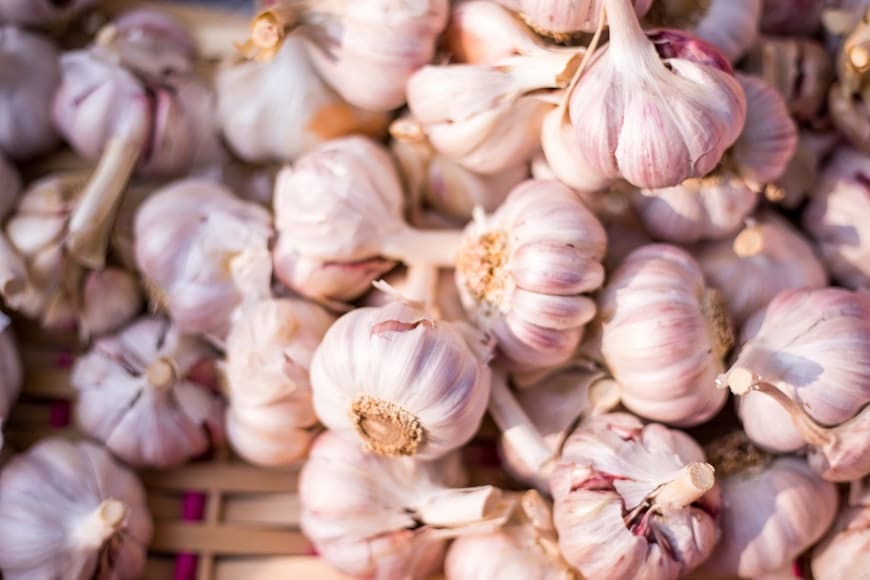 Garlic (Allium sativum)
Garlic (Allium sativum) is a bulbous perennial in the onion family, recognized for its sharp flavor and characteristic odor. Highly valued for both culinary and medicinal purposes, crushed fresh garlic contains allicin, which has potent antibiotic, antifungal, and antiviral properties. Regular garlic intake supports immunity, respiratory health, and circulatory function.
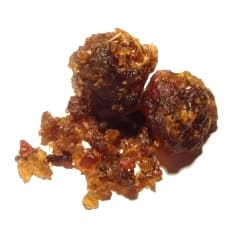 Guggul (Commiphora mukul)
Guggul is a spiny shrub or tree growing to 6.5 feet with oval, serrated leaves, brownish-red flowers, and red fruits. The gum resin obtained from the bark forms pale yellow to brown 'tears' on the stems. Thriving in dry, semi-arid, and desert environments across much of the Indian subcontinent and the Middle East, it has been valued in Ayurvedic medicine for millennia. Early Ayurvedic texts describe guggul as effective in treating obesity, leading to modern research into its potential for managing fat metabolism problems such as raised blood cholesterol levels.
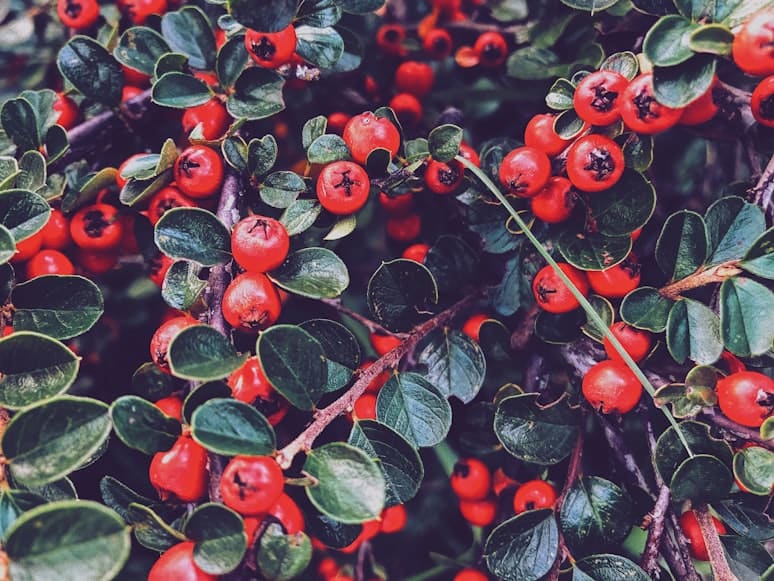 Hawthorn (Crataegus oxyacantha)
Hawthorn (Crataegus spp.) is a deciduous, thorny tree reaching up to about 26 ft (8 m), adorned with small lobed leaves, clusters of white blossoms, and bright red berries. Renowned as a cardiac tonic, hawthorn is often called “food for the heart,” enhancing the heart’s strength, improving blood flow to heart muscle, and helping normalize blood pressure. It also reduces stress and assists digestion when used regularly.
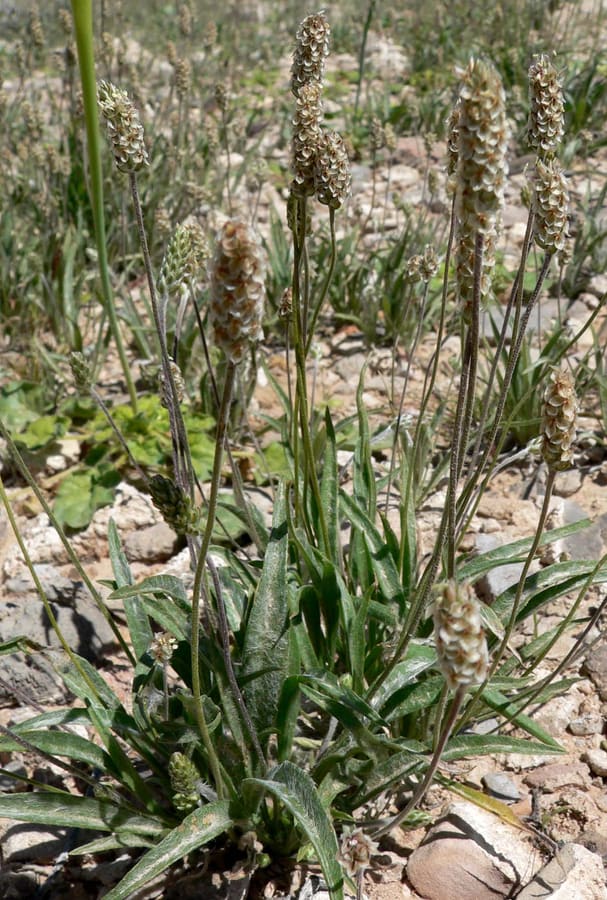 Psyllium (Plantago ovata)
Psyllium, also known as flea seed due to its small brown appearance, is produced by several Plantago species. It has been used as a safe and effective laxative for thousands of years across Europe, North Africa, and Asia. The seeds and husks have a bland taste and develop a jellylike consistency when moistened due to their high mucilage content. The plants are extensively cultivated, especially in India, and propagated from seed in spring. Seeds are harvested when ripe in late summer and early autumn.
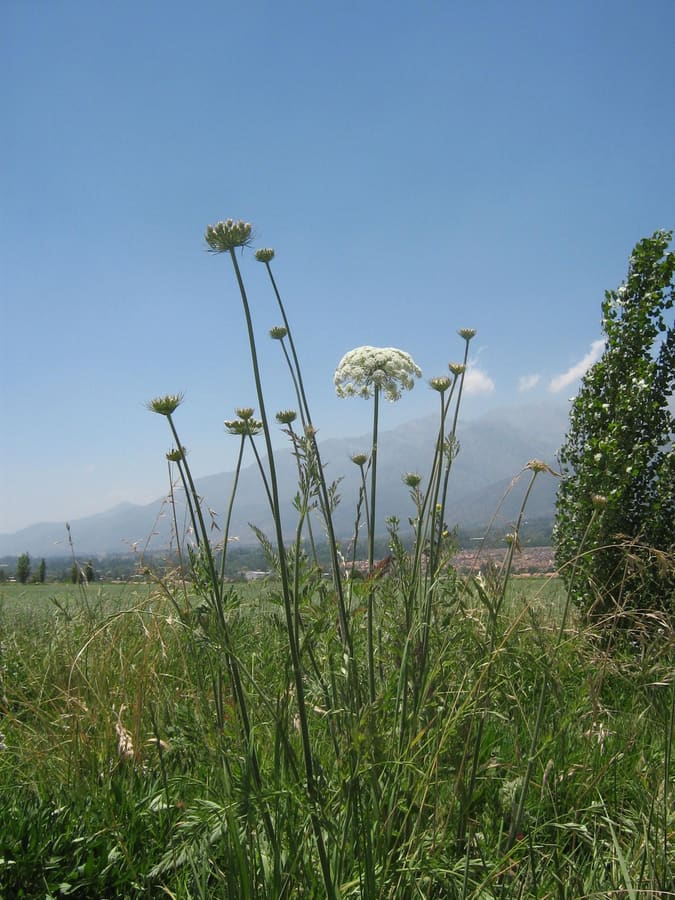 Visnaga (Ammi visnaga)
Visnaga (Ammi visnaga) is an erect annual growing up to about 3 ft (1 m) in height, with finely divided, feathery leaves and umbels of tiny white flowers. Its seeds contain potent antispasmodic compounds (khellin, visnagin) beneficial for relieving kidney stone pain and easing respiratory conditions like asthma.