
Herbs for Heartburn
4 herbs traditionally used for this condition.
- Slippery Elm (Ulmus rubra)
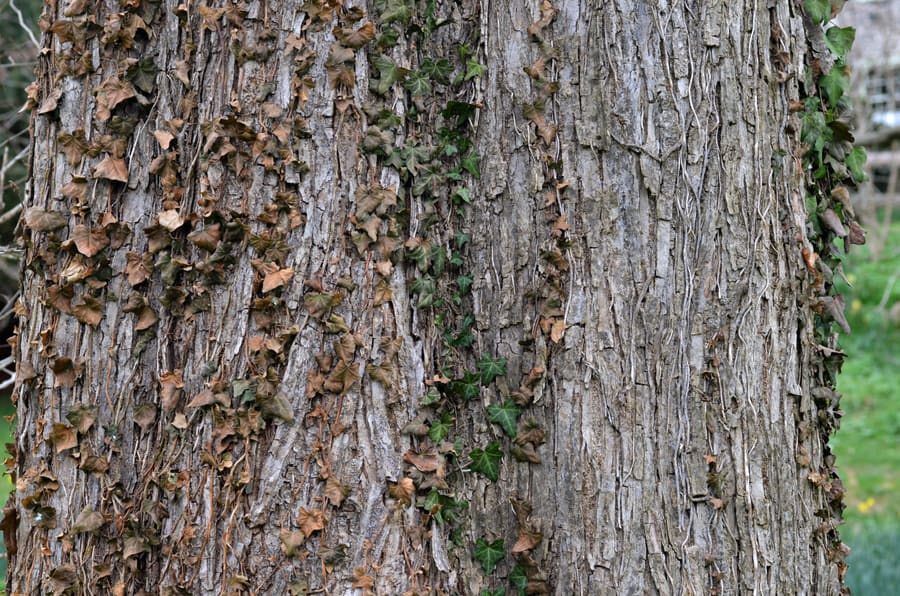
Slippery elm (Ulmus rubra) is a large tree native to the eastern U.S. and Canada. The medicinal part is the inner bark, prized for its high mucilage content. When soaked in water, it turns “slippery,” coating and soothing inflamed tissues in the mouth, throat, stomach, and intestines.
- Calendula (Calendula officinalis)
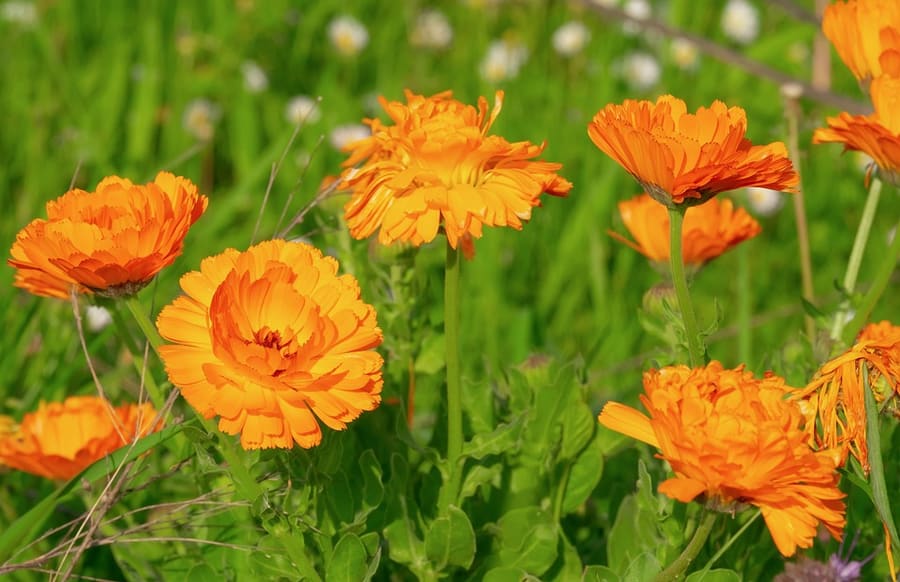
Calendula (Calendula officinalis), with its bright orange daisy-like flowers, is among the most versatile herbs in Western herbal medicine. Its petals contain antiseptic, anti-inflammatory, and vulnerary properties, making it excellent for speeding tissue repair in wounds, burns, bruises, and various skin irritations. Calendula is also used internally for gastrointestinal inflammation (e.g., Crohn’s disease, colitis, gastritis).
- Licorice
Licorice (Glycyrrhiza glabra) is a tall, woody-stemmed perennial reaching about 6½ ft (2 m), with dark green leaves and cream-to-mauve pea-like flowers. Its root, sweetened by glycyrrhizic acid (up to 50 times sweeter than sugar), has a powerful anti-inflammatory action, offering relief in respiratory, digestive, and even arthritic conditions. Licorice is widely used in Chinese, European, and Western herbal medicine.
- Ashwagandha (Withania somnifera)
Ashwagandha (Withania somnifera), sometimes called “Indian ginseng,” is a sturdy shrub growing to about 5 ft (1.5 m) with oval leaves, greenish or yellow flowers, and small, round fruits. A key herb in Ayurvedic medicine, it is valued for boosting vitality and aiding convalescence from chronic illnesses. It promotes relaxation, increases energy and muscle tone, and can support healthy thyroid hormone conversion from T4 to T3. Traditionally, ashwagandha is considered a “Rasáyana” (rejuvenator), used long-term to rebuild and regenerate body and mind.