
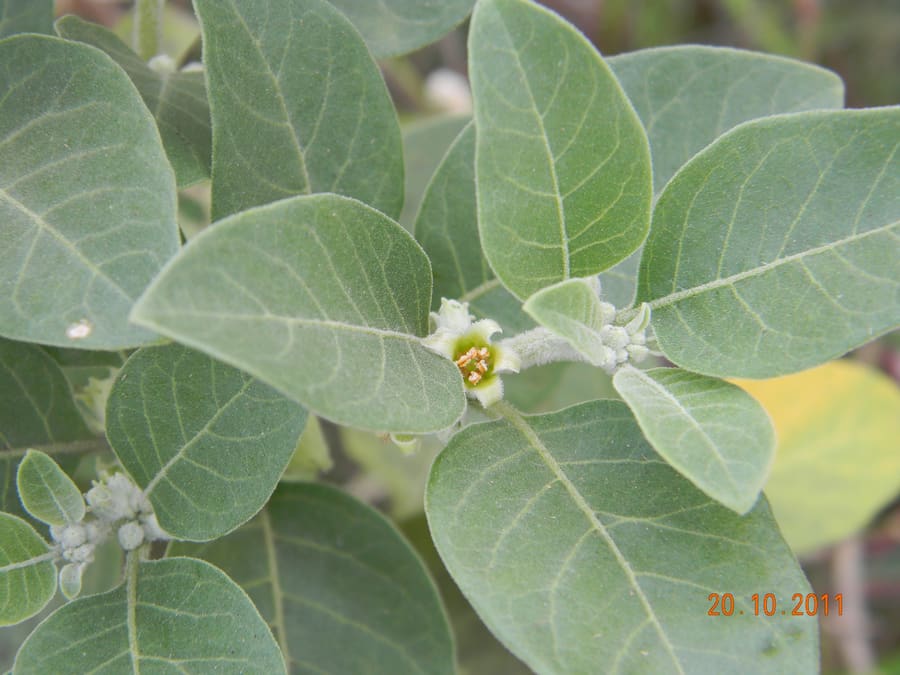
Ashwagandha (Withania somnifera)
Photo: Neha.Vindhya · CC BY-SA 3.0
- Digestive
- 5 conditions
- Licensed photo
Overview
Ashwagandha (Withania somnifera), sometimes called “Indian ginseng,” is a sturdy shrub growing to about 5 ft (1.5 m) with oval leaves, greenish or yellow flowers, and small, round fruits. A key herb in Ayurvedic medicine, it is valued for boosting vitality and aiding convalescence from chronic illnesses. It promotes relaxation, increases energy and muscle tone, and can support healthy thyroid hormone conversion from T4 to T3. Traditionally, ashwagandha is considered a “Rasáyana” (rejuvenator), used long-term to rebuild and regenerate body and mind.
Traditional uses & properties
Adaptogen: Helps the body cope with stress, supports adrenal function, and enhances resilience. Anti-inflammatory: Can relieve symptoms of arthritis and other inflammatory conditions. Nervine: Calms the nervous system, helpful for anxiety, depression, fatigue, and sleeplessness. Tonic: Improves overall vitality and aids recovery after illness; beneficial for sexual dysfunction related to stress and for general weakness or exhaustion.
Traditional preparations
Traditional texts describe the preparations below, and where those texts give specific amounts, the amounts are quoted here as part of that record. This is a record of historical practice, not a dosage recommendation - the figures are what the sources say, not what HerbMate tells you to take. Amounts, potency, and safe use vary enormously by preparation, plant part, and person.
4-8 ounces 3 times daily, or decoct in coconut milk with vanilla and honey
Dried root (1:5, 70% alcohol); 1-10 ml (0.2-2 tsp.) 3 times daily
2-6 capsules (1,000-3,000 mg) 3 times daily
Safety & precautions
Pregnancy: Use cautiously under professional guidance. Nightshade Sensitivity: This herb can cause adverse reactions in those sensitive to the nightshade family. Digestive Sensitivities: Some individuals may find it hard to digest ashwagandha. Combining it with digestive spices such as black pepper or ginger can help.
Drug & food interactions
Although ashwagandha may have blood-glucose-lowering effects, these seem to be mild, and would not generally be expected to affect the control of diabetes with conventional medicines. Ashwagandha may affect the reliability of digoxin assays, and interfere with the control of hypo- and hyperthyroidism.
- Antidiabetics
- Limited evidence suggests that ashwagandha has blood-glucose-lowering effects, which may be additive with conventional antidiabetics. In 6 subjects with mild type 2 diabetes, giving powdered root of ashwagandha 1 g three times daily after meals for 30 days reduced blood-glucose levels by 12% (from 11.5 to 10.1 mmol/L - timing of sample in relation to meals not stated). These subjects discontinued any blood-glucose-lowering drugs before the study, and 6 control subjects continued treatment with glibenclamide. These control subjects also had a reduction in blood-glucose of 12%. This study is difficult to interpret, because there was no placebo group.
- Food
- No interactions found.
- Laboratory tests
- Digoxin levels might be spuriously elevated when assayed using a fluorescence polarisation immunoassay in patients taking ashwagandha. Ashwagandha does not interfere with in vitro assays for carbamazepine, gentamicin, paracetamol, phenytoin, phenobarbital, procainamide, salicylate, theophylline, tobramycin or valproic acid.
- Thyroid and antithyroid drugs
- Limited evidence suggests that ashwagandha increases thyroid hormone levels and therefore interferes with the control of hypo- and hyperthyroidism. A 32-year-old healthy woman developed clinical symptoms of thyrotoxicosis, and was found to have elevated levels of thyroid hormones when she increased the dose of capsules containing ashwagandha herbal extract that she had been taking for chronic fatigue. The symptoms and raised thyroid hormone levels resolved on stopping the product.
- Digoxin
- Ashwagandha has been shown to interfere with some methods of measuring serum digoxin levels
- Medicine
- No interactions found.
These entries keep the wording of the reference they come from, and three phrases mean three different things. "No interactions found" means the source looked for reports of that pairing and found none. "No data found" means nothing has been published either way. "Based on experimental evidence only" means the effect has been seen in a laboratory or animal study but not in people - a reason for caution, not a report of harm.
Habitat
Found in India, the Mediterranean, and parts of the Middle East, ashwagandha is grown from seeds or cuttings in spring. Leaves and fruits are typically gathered in spring and autumn, while the root is harvested in autumn.
Traditionally used for
- Heartburn4 herbs · 2 free
- Erectile Disfunction6 herbs · 2 free
- Adrenal Fatigue5 herbs · 2 free
- Anxiety11 herbs · 2 free
- Stress13 herbs · 2 free
Each condition shows its first 2 remedies free. Premium opens the full remedy list for every condition - or come back for the free Condition of the Day.
Frequently asked questions
What is Ashwagandha (Withania somnifera) traditionally used for?
Traditional sources describe Ashwagandha (Withania somnifera) as follows: Adaptogen: Helps the body cope with stress, supports adrenal function, and enhances resilience. Anti-inflammatory: Can relieve symptoms of arthritis and other inflammatory conditions. Nervine: Calms the nervous system, helpful for anxiety, depression, fatigue, and sleeplessness. Tonic: Improves overall vitality and aids recovery after illness; beneficial for sexual dysfunction related to stress and for general weakness or exhaustion.
How is Ashwagandha (Withania somnifera) prepared?
Traditional texts describe the preparations below, and where those texts give specific amounts, the amounts are quoted here as part of that record. This is a record of historical practice, not a dosage recommendation - the figures are what the sources say, not what HerbMate tells you to take. Amounts, potency, and safe use vary enormously by preparation, plant part, and person. STANDARD DECOCTION: 4-8 ounces 3 times daily, or decoct in coconut milk with vanilla and honey TINCTURE: Dried root (1:5, 70% alcohol); 1-10 ml (0.2-2 tsp.) 3 times daily CAPSULE: 2-6 capsules (1,000-3,000 mg) 3 times daily
What safety cautions apply to Ashwagandha (Withania somnifera)?
Pregnancy: Use cautiously under professional guidance. Nightshade Sensitivity: This herb can cause adverse reactions in those sensitive to the nightshade family. Digestive Sensitivities: Some individuals may find it hard to digest ashwagandha. Combining it with digestive spices such as black pepper or ginger can help.
Related herbs
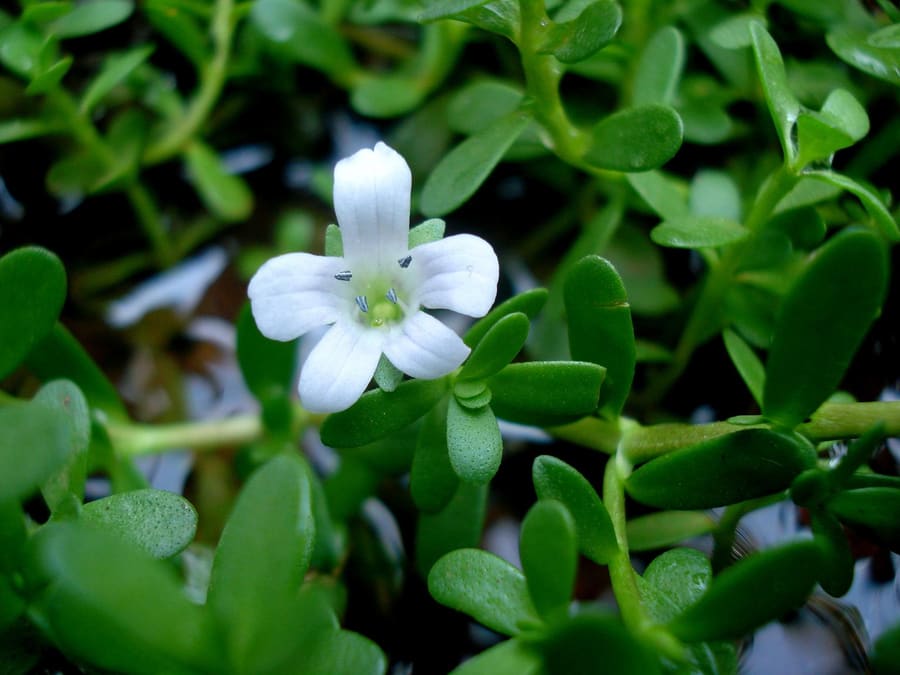 Bacopa (Bacopa monnieri)
Bacopa, also known as Water Hyssop or Brahmi, is a creeping succulent perennial that can grow to about 20 inches. It features spatula-shaped fleshy leaves and pale blue or white flowers on slender stalks. Thriving in marshlands and along the edges of mangrove swamps in warmer temperate and tropical climates - especially southern Asia - it develops into dense mats on mudflats. This herb has been a cornerstone of Ayurvedic medicine for supporting cognitive function and treating various nervous system disorders, and it is increasingly recognized in Western herbalism for its brain-enhancing properties.
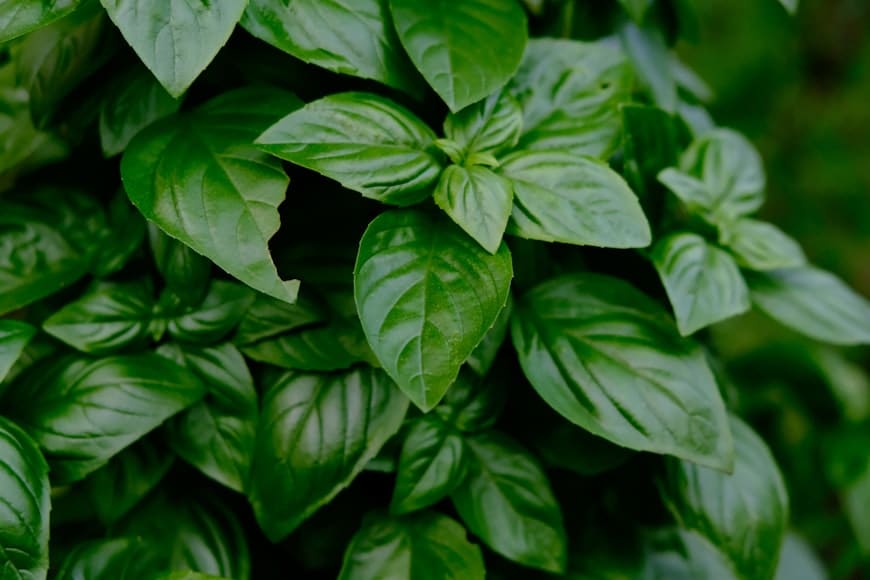 Basil
BasilBasil (Ocimum basilicum) is a bushy annual herb growing up to about 20 in (50 cm), with shiny oval leaves arranged on a square stem and small white flowers in whorls. Known for its strong, sweet aroma, basil is cultivated worldwide in numerous varieties. Traditional sources regard basil as both a culinary and medicinal herb, used to address digestive discomfort and various nervous system issues.
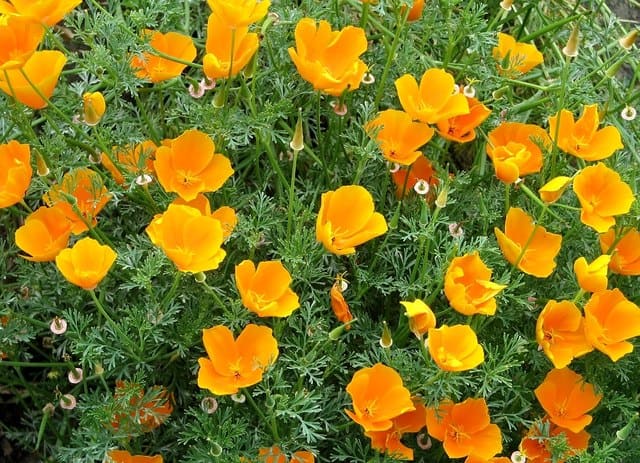 California Poppy (Eschscholzia californica)
California poppy (Eschscholzia californica) is an annual or short-lived perennial with finely divided leaves and vibrant orange, yellow, pink, or red blossoms. A mild sedative and analgesic, it is related to the opium poppy but lacks narcotic effects. Instead, California poppy gently calms the nervous system, helps with insomnia and tension, and soothes pain without depressing central nervous system function.
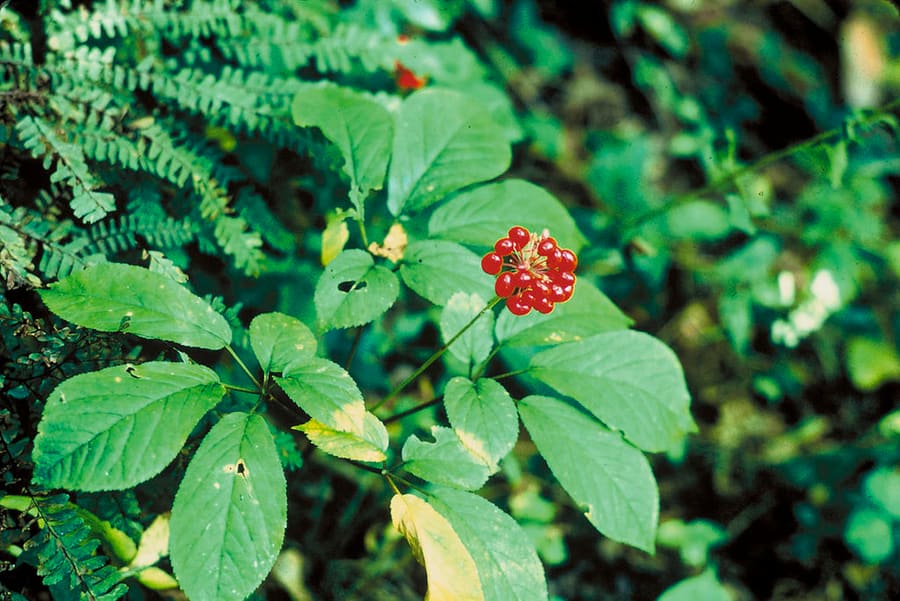 Ginseng (Panax ginseng)
Asian or Korean ginseng (Panax ginseng) is a perennial reaching about 3 ft (1 m) in height, with toothed oval leaves and a cluster of small green-yellow flowers. Its root is legendary for its adaptogenic qualities, boosting energy and physical stamina, slowing aspects of aging, and fortifying the body against stress. Ginseng is considered more warming (especially red ginseng, which is steamed before drying) and thus suited for older, easily fatigued individuals who feel cold.
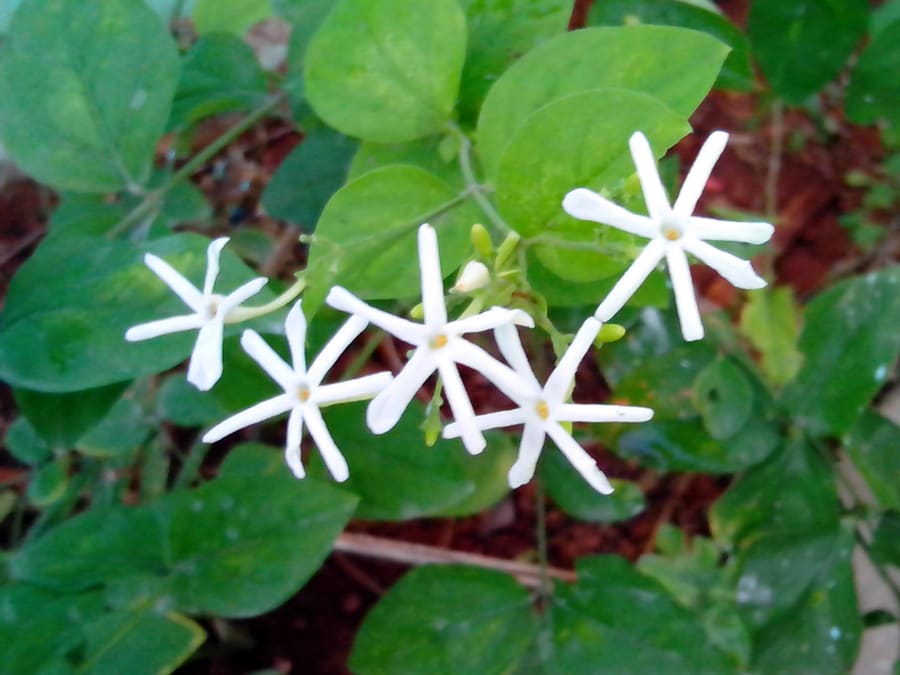 Jasmine (Jasminum grandiflorum)
Jasmine (Jasminum officinale) is a slender evergreen climber, growing up to around 20 ft (6 m), noted for its dark green compound leaves and sweetly scented, tubular white flowers. The blossoms yield a prized essential oil used to lift mood, soothe stress, and care for skin.
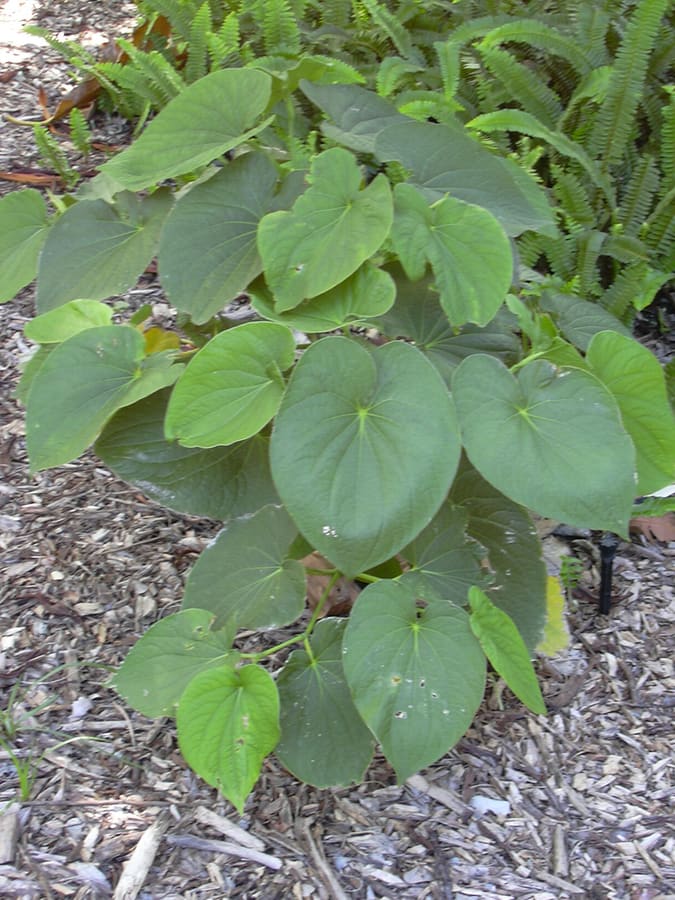 Kava (Piper methysticum)Not for self-dosing
Kava (Piper methysticum) is a tropical shrub or evergreen vine, traditionally revered across the Pacific Islands for its calming, muscle-relaxing, and mildly euphoric effects. Its thick, knotty rootstock is used ceremonially and medicinally to ease anxiety, insomnia, and pain while preserving mental clarity.
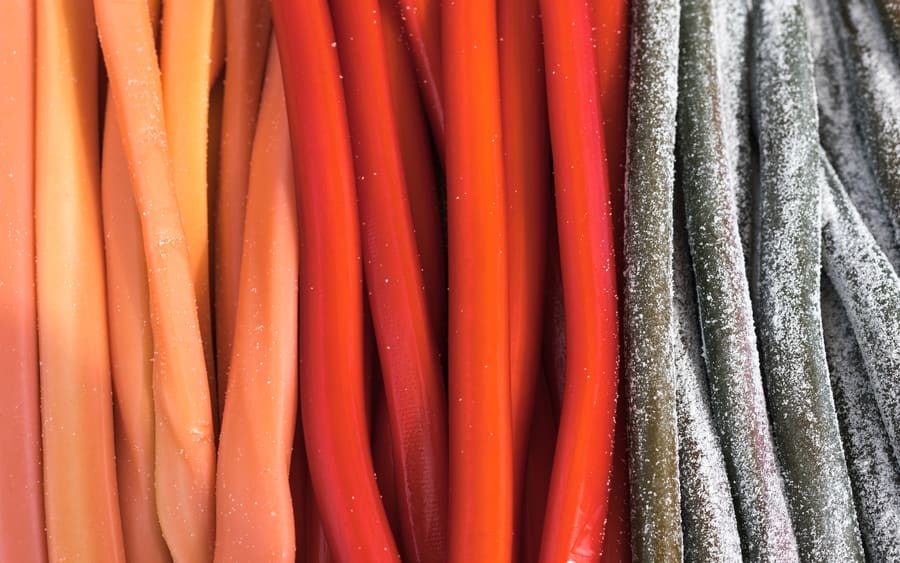 Licorice
Licorice (Glycyrrhiza glabra) is a tall, woody-stemmed perennial reaching about 6½ ft (2 m), with dark green leaves and cream-to-mauve pea-like flowers. Its root, sweetened by glycyrrhizic acid (up to 50 times sweeter than sugar), has a powerful anti-inflammatory action, offering relief in respiratory, digestive, and even arthritic conditions. Licorice is widely used in Chinese, European, and Western herbal medicine.
 Schisandra (Schisandra chinensis)
Schisandra (Schisandra chinensis), also known as wu wei zi (“5-flavored herb”), is a woody vine that can grow up to 26 ft (8 m). It has pink blossoms and clusters of bright red berries containing powerful adaptogenic, antioxidant, and liver-protective constituents.