
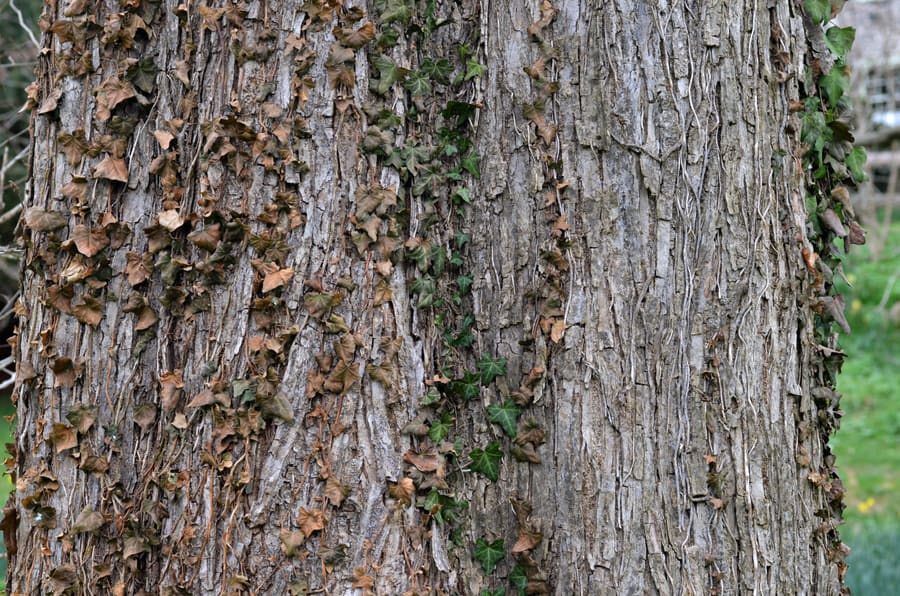
Slippery Elm (Ulmus rubra)
Photo: Photo by and (c)2016 Derek Ramsey ( Ram-Man ) · CC BY-SA 4.0
- Digestive
- 6 conditions
- Licensed photo
Overview
Slippery elm (Ulmus rubra) is a large tree native to the eastern U.S. and Canada. The medicinal part is the inner bark, prized for its high mucilage content. When soaked in water, it turns “slippery,” coating and soothing inflamed tissues in the mouth, throat, stomach, and intestines.
Traditional uses & properties
Demulcent & Emollient: Soothes irritation in the GI tract, reduces acidity, helps diarrhea and gastroenteritis. Nutritive & Mild Laxative: Encourages beneficial gut flora growth, a gentle “food” for convalescents, babies, and debilitated adults. Respiratory Aid: Useful for coughs, bronchitis, and chest infections. Topical Poultice: Draws out splinters or pus from boils, abscesses, or insect bites.
Traditional preparations
Traditional texts describe the preparations below, and where those texts give specific amounts, the amounts are quoted here as part of that record. This is a record of historical practice, not a dosage recommendation - the figures are what the sources say, not what HerbMate tells you to take. Amounts, potency, and safe use vary enormously by preparation, plant part, and person.
Mix the powdered herb with enough water to form a paste, and apply as a poultice.
Can be made into a gruel, mixed with juice or applesauce
4-8 ounces 1-4 times daily. If it doesn’t have a slimy texture, you probably didn’t make it right.
1,000-2,000 mg, 3 times daily
Safety & precautions
Sustainability: Slippery elm is at risk from overharvesting; marshmallow root is a more sustainable alternative. General Safety: A mild, very safe demulcent. Rarely causes any side effects.
Drug & food interactions
Interaction data is not available for this herb - talk to a pharmacist before combining it with any medication. A blank entry here means we have not documented interactions, not that none exist.
Habitat
Slippery elm flourishes in the Appalachian Mountains and other high, dry soils. The inner bark is collected in spring from 10-year-old trees or older, then dried and powdered.
Traditionally used for
- Acidity5 herbs · 2 free
- Constipation13 herbs · 2 free
- Heartburn4 herbs · 2 free
- Hemorrhoids5 herbs · 2 free
- Irritable Bowel Syndrome11 herbs · 2 free
- Ulcers15 herbs · 2 free
Each condition shows its first 2 remedies free. Premium opens the full remedy list for every condition - or come back for the free Condition of the Day.
Frequently asked questions
What is Slippery Elm (Ulmus rubra) traditionally used for?
Traditional sources describe Slippery Elm (Ulmus rubra) as follows: Demulcent & Emollient: Soothes irritation in the GI tract, reduces acidity, helps diarrhea and gastroenteritis. Nutritive & Mild Laxative: Encourages beneficial gut flora growth, a gentle “food” for convalescents, babies, and debilitated adults. Respiratory Aid: Useful for coughs, bronchitis, and chest infections. Topical Poultice: Draws out splinters or pus from boils, abscesses, or insect bites.
How is Slippery Elm (Ulmus rubra) prepared?
Traditional texts describe the preparations below, and where those texts give specific amounts, the amounts are quoted here as part of that record. This is a record of historical practice, not a dosage recommendation - the figures are what the sources say, not what HerbMate tells you to take. Amounts, potency, and safe use vary enormously by preparation, plant part, and person. TOPICAL USE: Mix the powdered herb with enough water to form a paste, and apply as a poultice. BULK HERB: Can be made into a gruel, mixed with juice or applesauce COLD INFUSION: 4-8 ounces 1-4 times daily. If it doesn’t have a slimy texture, you probably didn’t make it right. CAPSULES: 1,000-2,000 mg, 3 times daily
What safety cautions apply to Slippery Elm (Ulmus rubra)?
Sustainability: Slippery elm is at risk from overharvesting; marshmallow root is a more sustainable alternative. General Safety: A mild, very safe demulcent. Rarely causes any side effects.
Related herbs
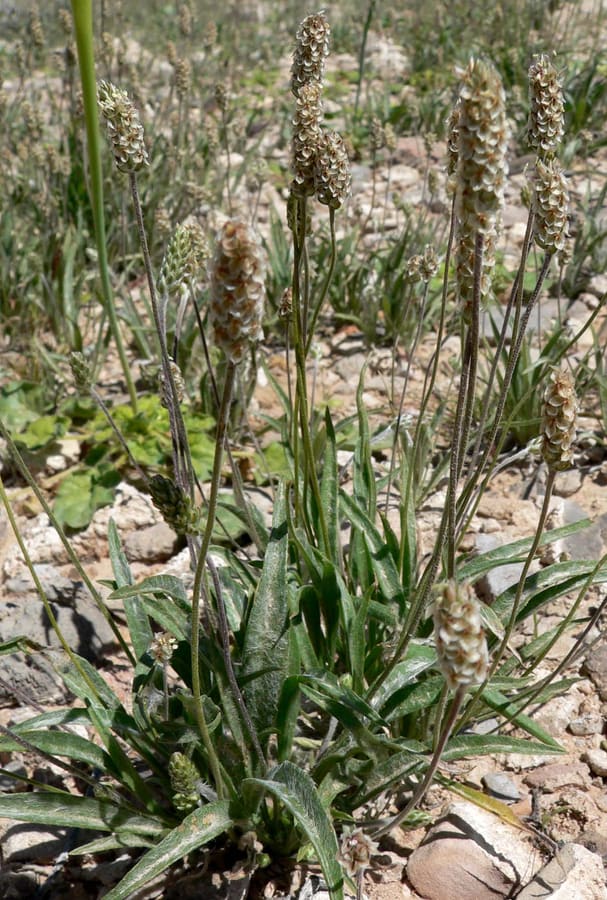 Psyllium (Plantago ovata)
Psyllium, also known as flea seed due to its small brown appearance, is produced by several Plantago species. It has been used as a safe and effective laxative for thousands of years across Europe, North Africa, and Asia. The seeds and husks have a bland taste and develop a jellylike consistency when moistened due to their high mucilage content. The plants are extensively cultivated, especially in India, and propagated from seed in spring. Seeds are harvested when ripe in late summer and early autumn.
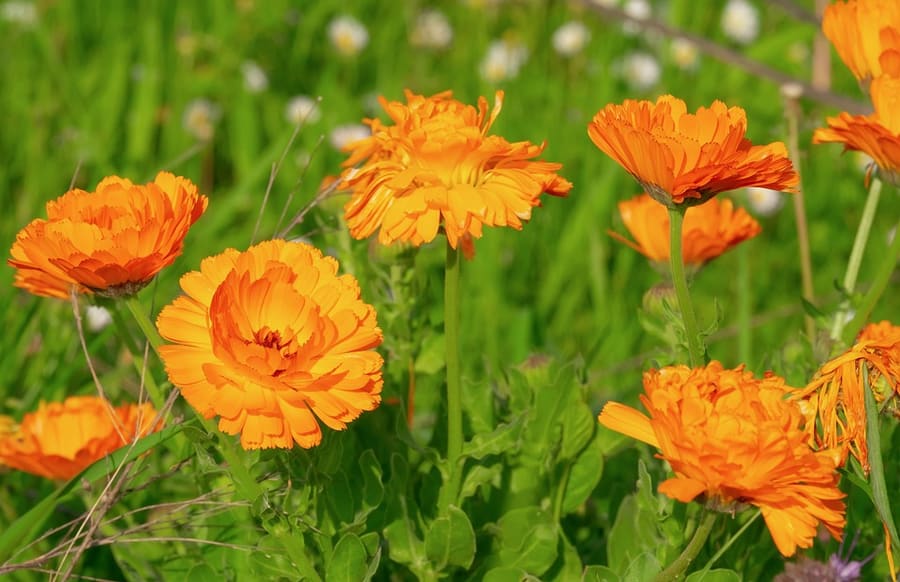 Calendula (Calendula officinalis)
Calendula (Calendula officinalis), with its bright orange daisy-like flowers, is among the most versatile herbs in Western herbal medicine. Its petals contain antiseptic, anti-inflammatory, and vulnerary properties, making it excellent for speeding tissue repair in wounds, burns, bruises, and various skin irritations. Calendula is also used internally for gastrointestinal inflammation (e.g., Crohn’s disease, colitis, gastritis).
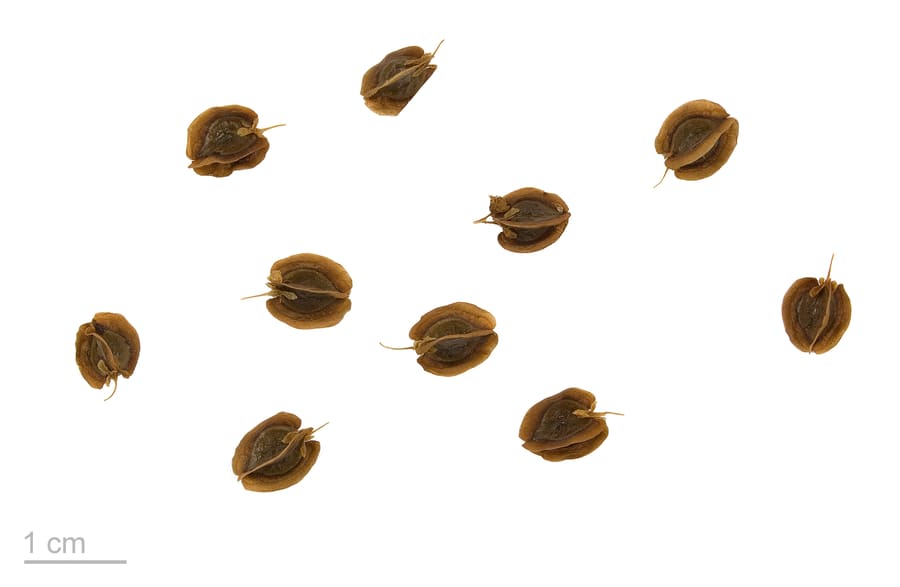 Chinese Rhubarb (Rheum palmatum)
Chinese rhubarb (Rheum palmatum) is a thick-rhizomed perennial, growing up to 10 ft (3 m) tall, with large, palmate leaves and small flowers. Known in Chinese medicine for over 2,000 years, it has a paradoxical effect on the bowels: stimulating in large doses, yet gently astringent and constipating in small doses. The rhizome also aids digestion, helps counter inflammation, and has anti-ulcer and antibacterial actions.
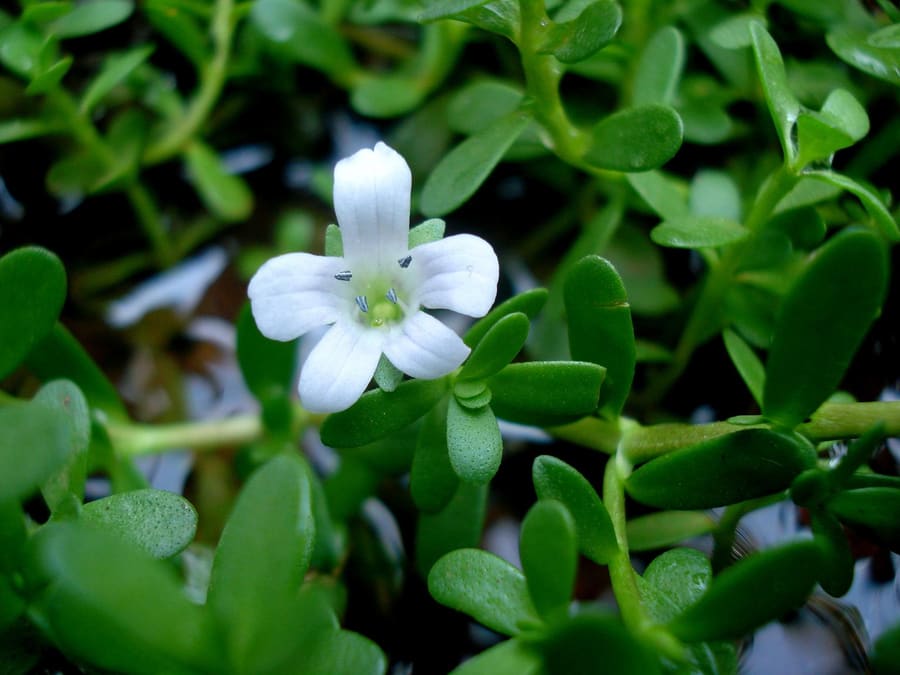 Bacopa (Bacopa monnieri)
Bacopa, also known as Water Hyssop or Brahmi, is a creeping succulent perennial that can grow to about 20 inches. It features spatula-shaped fleshy leaves and pale blue or white flowers on slender stalks. Thriving in marshlands and along the edges of mangrove swamps in warmer temperate and tropical climates - especially southern Asia - it develops into dense mats on mudflats. This herb has been a cornerstone of Ayurvedic medicine for supporting cognitive function and treating various nervous system disorders, and it is increasingly recognized in Western herbalism for its brain-enhancing properties.
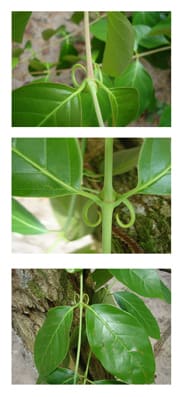 Cat's Claw (Uncaria tomentosa)
Cat's claw is a climbing vine that can grow to 100 feet or more, with stems up to 8 inches in diameter, large glossy leaves, and sharp hooks resembling a cat's claws. Native to tropical rainforests in the central and eastern Andes - especially Peru, Ecuador, and Colombia - it has also been found in Guatemala, Costa Rica, and Panama. Known by the Ashaninka and other indigenous peoples of central Peru for its power in regulating illness, it has been used since ancient times to treat serious conditions ranging from asthma and diabetes to arthritis and cancer. By the early 1990s, over-collection from the wild threatened the species' survival; only sustainably sourced stem bark should be used, rather than root bark.
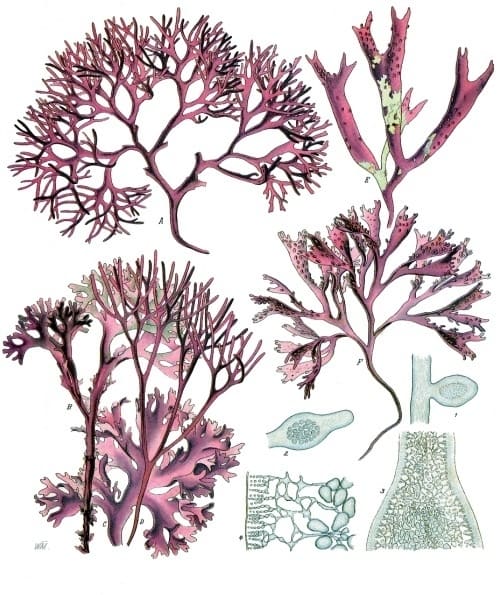 Irish Moss (Chondrus crispus)
Irish moss is a reddish-brown seaweed growing to 10 inches, with a flat, forked plant body and fan-shaped outline. Found on the Atlantic coasts of Europe and North America, it grows just below the waterline, attached to rocks and stones. In summer in North America and in autumn in Ireland, it is pulled up by hand or with a rake at low tide and dried in the sun. This seaweed is used extensively in the food and pharmaceutical industries as an emulsifying and binding agent, appearing in products such as toothpastes. Its polysaccharides become jelly-like and demulcent when immersed in water, making it valuable both as a food ingredient and medicinal herb.
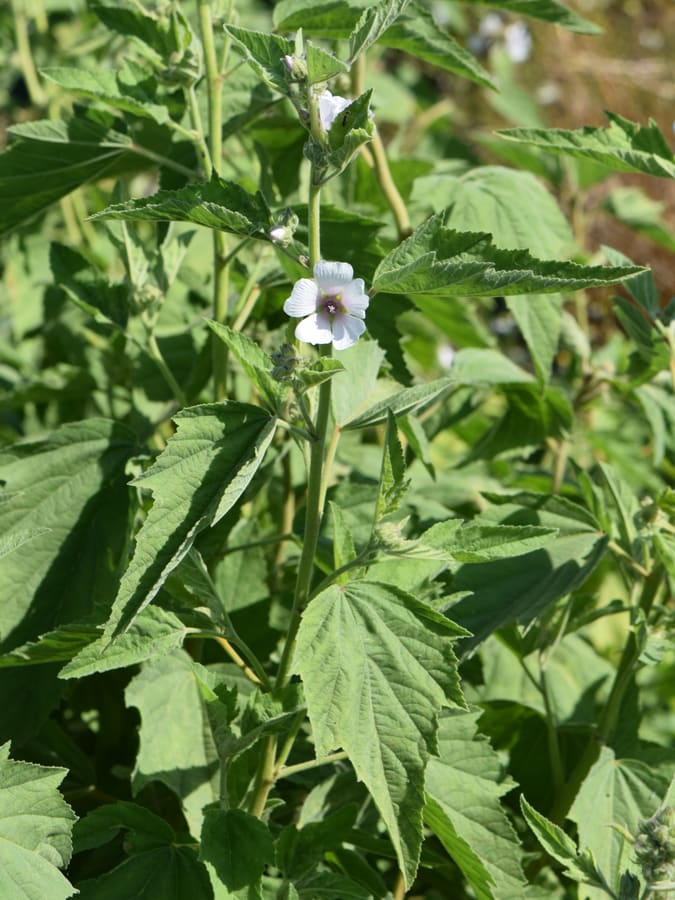 Marshmallow (Althaea officinalis)
Marshmallow (Althaea officinalis) is a downy perennial up to about 7 ft (2.2 m), with thick white roots, heart-shaped leaves, and pink flowers. Known for its high mucilage content, marshmallow soothes inflamed mucous membranes, including those in the respiratory, urinary, and digestive systems.
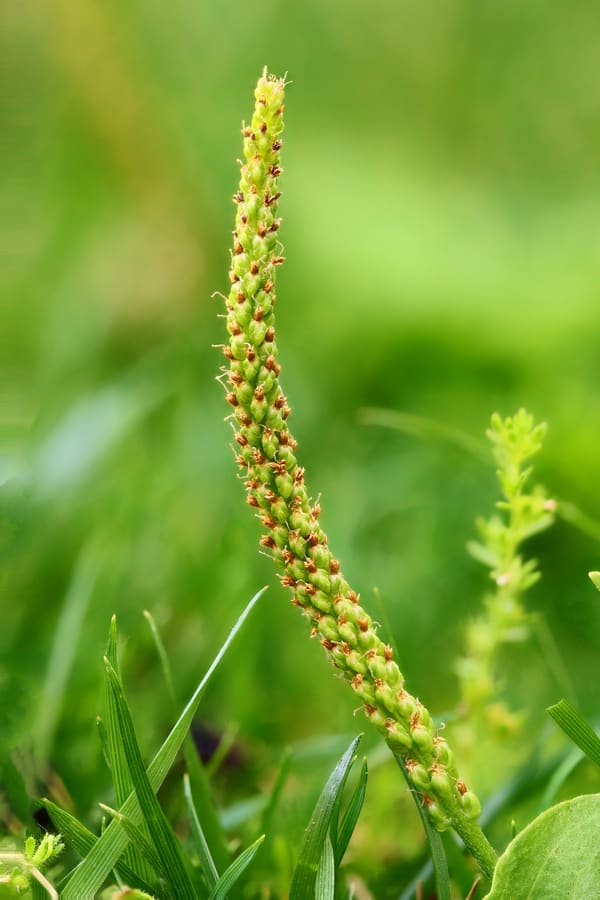 Plantain (Plantago major)
Common plantain (Plantago major) is a low-growing perennial reaching up to about 10 in (25 cm), forming a rosette of broad, ribbed leaves and spikes of tiny green flowers. Often regarded as a garden weed, plantain’s leaves are rich in iridoids, flavonoids, mucilage, and tannins, making them potent for wound care and internal soothing of mucous membranes.