
Licorice
Photo: Frank Schulenburg · CC BY-SA 4.0
- Circulatory
- 5 conditions
- Licensed photo
Overview
Licorice (Glycyrrhiza glabra) is a tall, woody-stemmed perennial reaching about 6½ ft (2 m), with dark green leaves and cream-to-mauve pea-like flowers. Its root, sweetened by glycyrrhizic acid (up to 50 times sweeter than sugar), has a powerful anti-inflammatory action, offering relief in respiratory, digestive, and even arthritic conditions. Licorice is widely used in Chinese, European, and Western herbal medicine.
Traditional uses & properties
Anti-Inflammatory & Demulcent: Soothes irritated mucous membranes in the respiratory, digestive, and urinary tracts; effective for sore throats, ulcers, and dry coughs. Adaptogen & Mild Antitussive: Supports the adrenal glands, stabilizes blood sugar, and helps with energy. Antiviral & Antifungal: Often used topically and internally for canker sores, herpes, or shingles. Harmonizer in Formulas: Commonly included in Chinese and Western remedies to balance and sweeten other ingredients.
Traditional preparations
Traditional texts describe the preparations below, and where those texts give specific amounts, the amounts are quoted here as part of that record. This is a record of historical practice, not a dosage recommendation - the figures are what the sources say, not what HerbMate tells you to take. Amounts, potency, and safe use vary enormously by preparation, plant part, and person.
Make a tincture and add 1/2 tsp to 1/2 cup (100 ml) of water and take twice a day. Alternatively chew a dried juice stick.
Take 500 - 1,000 mg capsules up to 4 times daily.
Safety & precautions
Overuse & High Blood Pressure: Licorice can cause fluid retention, sodium retention, and potassium depletion, leading to edema, increased blood pressure, heart palpitations, or a slower heartbeat. Long-Term Use: Monitor for dizziness or headaches, early signs of overuse. Digestion & Medication Interactions: Avoid large doses if taking digitalis or having hypertension; consult a healthcare professional if pregnant. Deglycyrrhizinated Licorice (DGL): Lacks glycyrrhizin and is safer for extended use.
Drug & food interactions
Liquorice appears to diminish the effects of antihypertensives and may have additive effects on potassium depletion if given in large quantities with laxatives and corticosteroids. Iron absorption may be decreased by liquorice, whereas antibacterials may diminish the effects of liquorice. A case report describes raised digoxin levels and toxicity in a patient taking liquorice. Although it has been suggested that liquorice may enhance the effects of warfarin, there appears to be no evidence to support this. Note that liquorice is a constituent of a number of Chinese herbal medicines.
- Laxatives
- Liquorice may cause additive hypokalaemia if given in large quantities with laxatives.
- Ulcer healing drugs
- The interaction between liquorice and ulcer-healing drugs is based on experimental evidence only.
- Antihypertensives
- Liquorice may cause fluid retention and therefore reduce the effects of antihypertensives. Additive hypokalaemia may also occur with loop and thiazide diuretics. 4 weeks (equivalent to glycyrrhetinic acid 150 mg daily) increased mean blood pressure by 15.3/9.3 mmHg. Smaller rises (3.5/3.6 mmHg) were seen in 25 normotensive subjects taking the same dose of liquorice. In another study in healthy subjects liquorice 50 to 200mg daily for 2 to 4 weeks (equivalent to glycyrrhetinic acid 75 to 540mg daily) increased systolic blood pressure by 3.1 to 14.4 mmHg. The group taking the largest quantity of liquorice experienced the greatest rise in systolic blood pressure, and was the only group to have a statistically significant rise in diastolic blood pressure. There are many published case reports of serious hypertension occurring in people consuming, often, but not always, excessive doses of liquorice from various sources (confectionery, alcoholic drinks, flavoured chewing tobacco, herbal teas, herbal medicines).
- Iron compounds
- The interaction between liquorice and iron compounds is based on experimental evidence only.
- Warfarin
- The interaction between liquorice and warfarin is based on experimental evidence only.
- Food
- No interactions found. Note that liquorice is consumed as part of the diet.
- Corticosteroids
- Liquorice, if given in large quantities with corticosteroids, may cause additive hypokalaemia. (a) Dexamethasone In a parallel group study, 6 patients were given glycyrrhizin 225 mg daily for 7 days, and 6 patients were given the same dose of glycyrrhizin and dexamethasone 1.5 mg daily for 7 days. The mineralocorticoid effects of glycyrrhizin were significantly reduced by dexamethasone; cortisol plasma concentrations and urinary excretions were reduced by up to 70%.1 (b) Hydrocortisone Glycyrrhizin slightly increased the AUC of cortisol by 13.6% in 4 patients with adrenocorticol insufficiency taking oral hydrocortisone 20 to 40 mg daily. Note that glycyrrhizin had no effect on endogenous cortisol levels in 7 control subjects without adrenal insufficiency. In a study in 23 healthy subjects, topical glycyrrhetinic acid markedly potentiated the activity of topical hydrocortisone, as assessed by cutaneous vasoconstrictor effect. (c) Prednisolone A study in 6 healthy subjects found that, after taking four 50-mg oral doses of glycyrrhizin at 8-hourly intervals, followed by a bolus injection of prednisolone hemisuccinate 96 micrograms/kg, the AUC of total prednisolone was increased by 50% and the AUC of free prednisolone was increased by 55%. This confirms previous findings in which the glycyrrhizin 200 mg was given by intravenous infusion. Glycyrrhizin slightly increased the AUC of prednisolone by about 16 to 20% in 12 patients who had been taking oral prednisolone 10 to 30 mg daily for at least 3 months.
- Digitalis glycosides
- An isolated case of digoxin toxicity has been reported in an elderly patient attributed to the use of a herbal laxative containing kanzo (liquorice). An 84-year-old man taking digoxin 125 micrograms daily and furosemide 80 mg daily complained of loss of appetite, fatigue and oedema of the lower extremities 5 days after starting to take a Chinese herbal laxative containing liquorice (kanzo) 400 mg and rhubarb (daio) 1.6 g three times daily. He was found to have a raised digoxin level of 2.9 nanograms/mL (previous level 1 nanogram/mL) with a pulse rate of 30 bpm, and a slightly low potassium level (2.9 mmol/L).
These entries keep the wording of the reference they come from, and three phrases mean three different things. "No interactions found" means the source looked for reports of that pairing and found none. "No data found" means nothing has been published either way. "Based on experimental evidence only" means the effect has been seen in a laboratory or animal study but not in people - a reason for caution, not a report of harm.
Habitat
Originally from southeastern Europe and southwestern Asia, licorice is now cultivated extensively. Grown from root divisions in spring or autumn, the roots of 3-4-year-old plants are dug up in late autumn for medicinal use.
Traditionally used for
- Low Blood Pressure4 herbs · 2 free
- Heartburn4 herbs · 2 free
- Adrenal Fatigue5 herbs · 2 free
- Acne8 herbs · 2 free
- Shingles3 herbs · 2 free
Each condition shows its first 2 remedies free. Premium opens the full remedy list for every condition - or come back for the free Condition of the Day.
Frequently asked questions
What is Licorice traditionally used for?
Traditional sources describe Licorice as follows: Anti-Inflammatory & Demulcent: Soothes irritated mucous membranes in the respiratory, digestive, and urinary tracts; effective for sore throats, ulcers, and dry coughs. Adaptogen & Mild Antitussive: Supports the adrenal glands, stabilizes blood sugar, and helps with energy. Antiviral & Antifungal: Often used topically and internally for canker sores, herpes, or shingles. Harmonizer in Formulas: Commonly included in Chinese and Western remedies to balance and sweeten other ingredients.
How is Licorice prepared?
Traditional texts describe the preparations below, and where those texts give specific amounts, the amounts are quoted here as part of that record. This is a record of historical practice, not a dosage recommendation - the figures are what the sources say, not what HerbMate tells you to take. Amounts, potency, and safe use vary enormously by preparation, plant part, and person. Heartburn: Make a tincture and add 1/2 tsp to 1/2 cup (100 ml) of water and take twice a day. Alternatively chew a dried juice stick. Low Blood Pressure: Take 500 - 1,000 mg capsules up to 4 times daily.
What safety cautions apply to Licorice?
Overuse & High Blood Pressure: Licorice can cause fluid retention, sodium retention, and potassium depletion, leading to edema, increased blood pressure, heart palpitations, or a slower heartbeat. Long-Term Use: Monitor for dizziness or headaches, early signs of overuse. Digestion & Medication Interactions: Avoid large doses if taking digitalis or having hypertension; consult a healthcare professional if pregnant. Deglycyrrhizinated Licorice (DGL): Lacks glycyrrhizin and is safer for extended use.
Related herbs
 Ashwagandha (Withania somnifera)
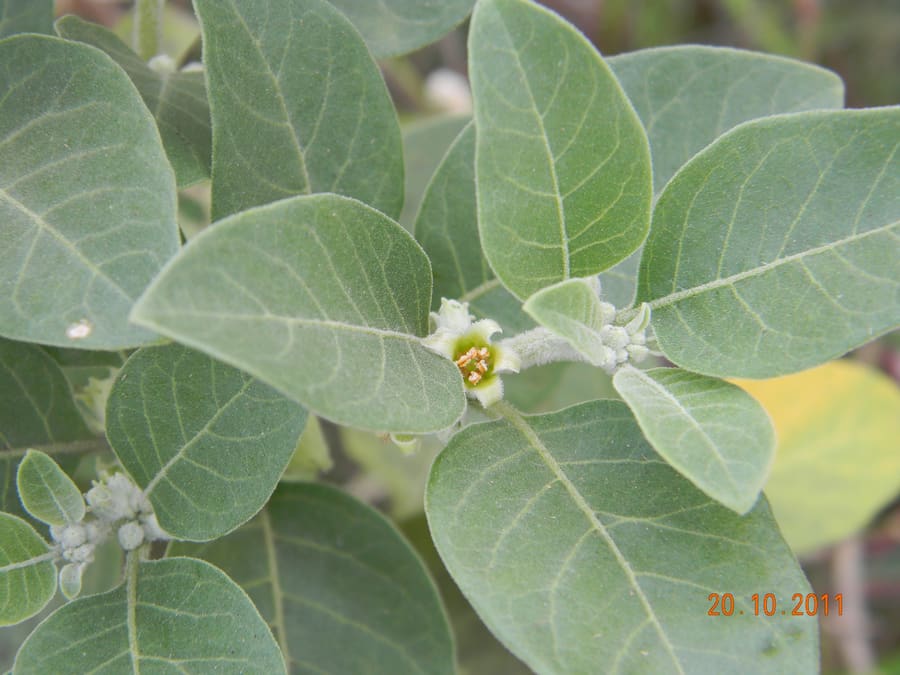
Ashwagandha (Withania somnifera), sometimes called “Indian ginseng,” is a sturdy shrub growing to about 5 ft (1.5 m) with oval leaves, greenish or yellow flowers, and small, round fruits. A key herb in Ayurvedic medicine, it is valued for boosting vitality and aiding convalescence from chronic illnesses. It promotes relaxation, increases energy and muscle tone, and can support healthy thyroid hormone conversion from T4 to T3. Traditionally, ashwagandha is considered a “Rasáyana” (rejuvenator), used long-term to rebuild and regenerate body and mind.
 Calendula (Calendula officinalis)
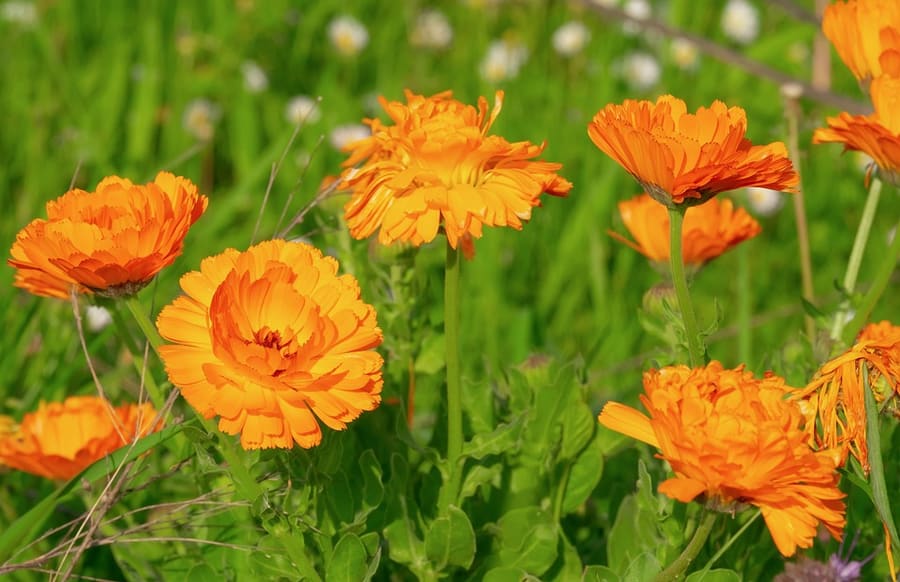
Calendula (Calendula officinalis), with its bright orange daisy-like flowers, is among the most versatile herbs in Western herbal medicine. Its petals contain antiseptic, anti-inflammatory, and vulnerary properties, making it excellent for speeding tissue repair in wounds, burns, bruises, and various skin irritations. Calendula is also used internally for gastrointestinal inflammation (e.g., Crohn’s disease, colitis, gastritis).
 Aloe (Aloe vera)
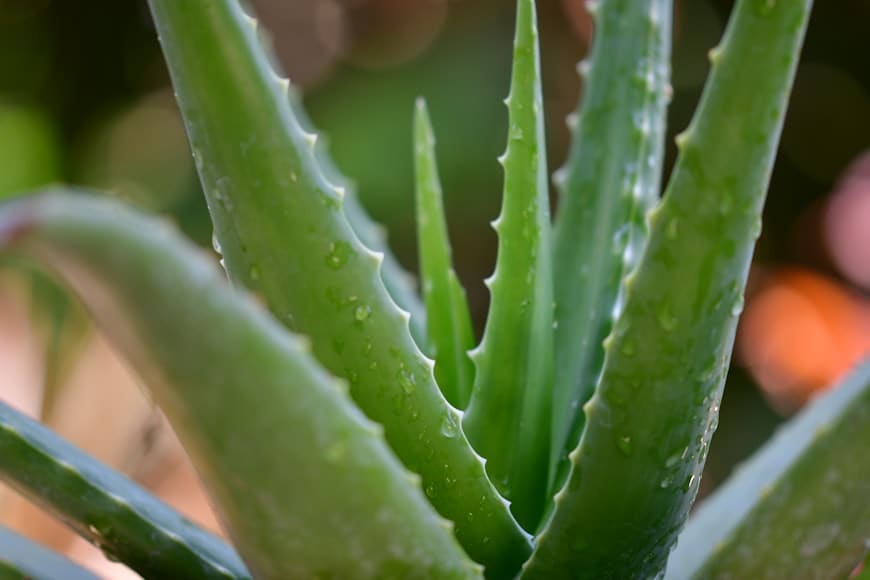
Aloe vera (syn. A. barbadensis) is a succulent commonly grown as a potted plant, notable for its thick, fleshy leaves that contain two distinct medicinal components. The inner clear gel is renowned for its soothing and wound-healing properties, while the bitter yellow sap from the leaf base (often called “bitter aloes”) has a strong laxative effect. Historically, aloe vera has been prized for treating skin irritations, burns, and ulcers. It can also be taken internally (as juice) to support digestion and immune function. Whole leaf aloe juice has been used to help fight arthritis, AIDS, cancer, and other chronic conditions, though the outer leaf portion containing anthraquinones is typically filtered out to avoid harsh laxative effects.
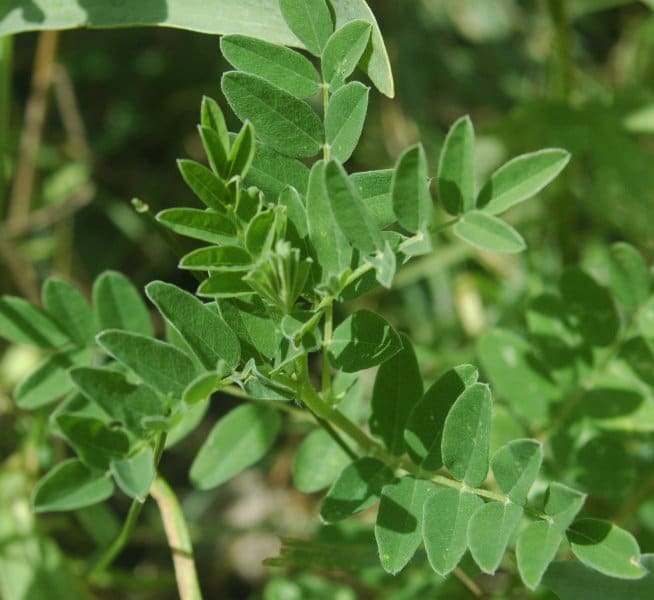 Astragalus (Astragalus membranaceus)
Astragalus (Astragalus membranaceus), known in China as huang qi, is a perennial reaching about 16 in (40 cm), with hairy stems and compound leaves composed of multiple leaflet pairs. In traditional Chinese medicine, it is a sweet, slightly warming herb often used to boost energy, strengthen immunity, and support overall vitality. Modern research suggests it may benefit heart function, kidney health, and immune response.
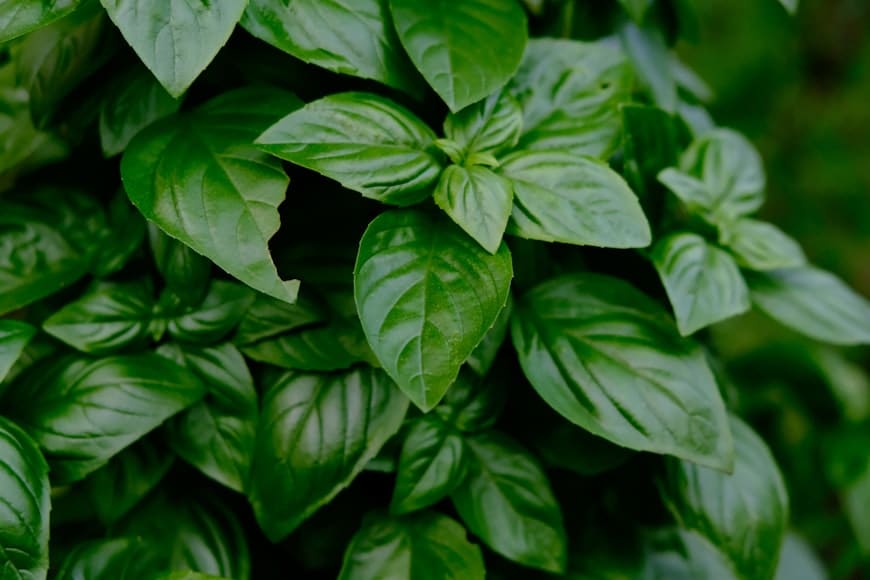 Basil
BasilBasil (Ocimum basilicum) is a bushy annual herb growing up to about 20 in (50 cm), with shiny oval leaves arranged on a square stem and small white flowers in whorls. Known for its strong, sweet aroma, basil is cultivated worldwide in numerous varieties. Traditional sources regard basil as both a culinary and medicinal herb, used to address digestive discomfort and various nervous system issues.
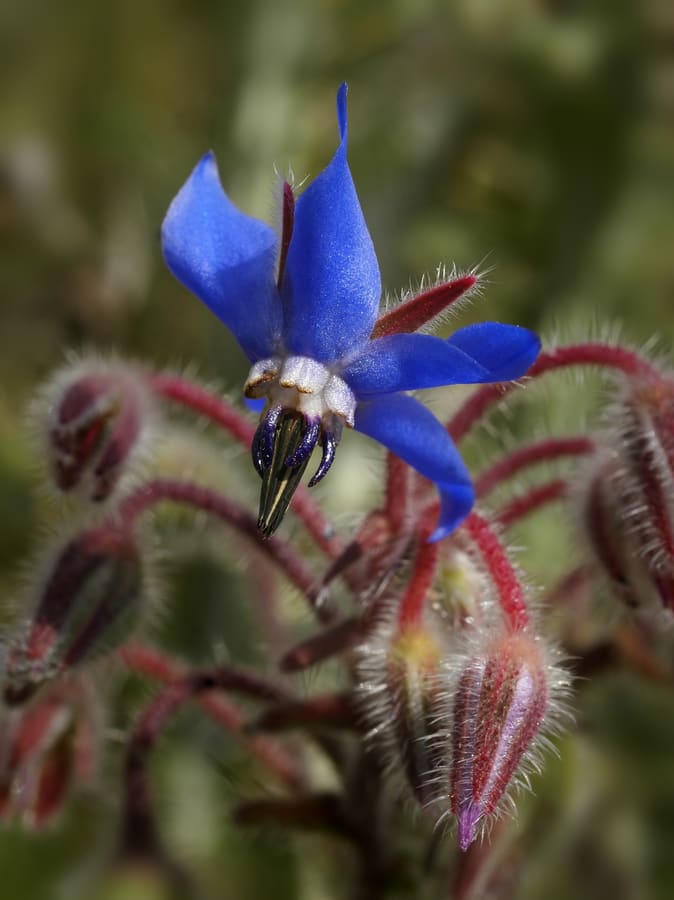 Borage (Borago officinalis)Not for self-dosing
Borage (Borago officinalis) is a coarse, hairy annual that grows to about 2 ft (60 cm), featuring a succulent stem, large basal leaves, and distinctively bright blue star-shaped flowers. The seeds yield an oil exceptionally rich in gamma-linolenic acid (GLA) - a form of polyunsaturated fatty acid beneficial for inflammatory and skin conditions. Traditionally, borage leaves and flowers are associated with uplifting mood and supporting adrenal function.
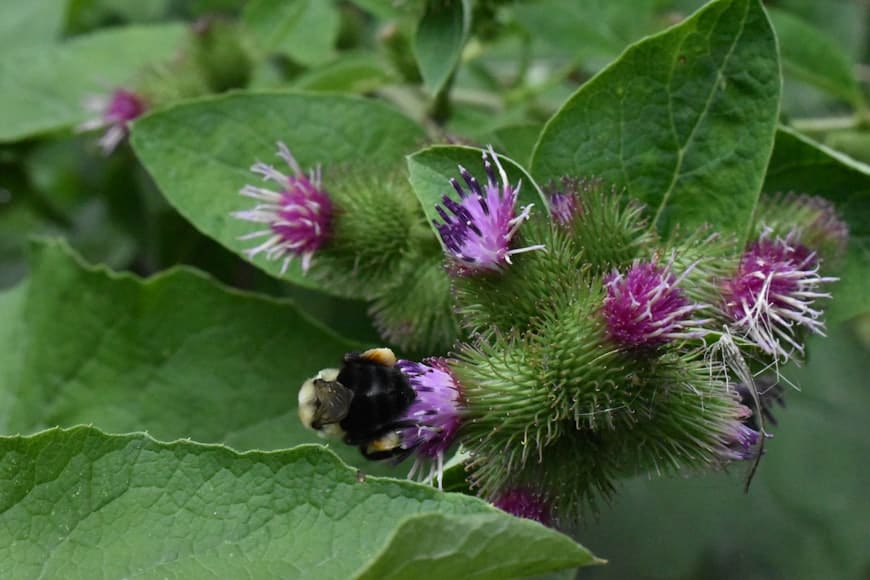 Burdock (Arctium lappa)
Burdock is a sturdy, bitter herb well-regarded for its detoxifying influence, especially on the skin and liver. It stimulates bile flow, supports liver function, and is frequently used to address acne, eczema, and other skin irritations. Its large leaves may be applied as a poultice to infected sores, and a strong root decoction can soothe itching when added to a bath. Burdock also stabilizes mast cells, potentially reducing allergic reactions.
 Ginkgo (Ginkgo biloba)
Ginkgo (Ginkgo biloba) is a distinctive, long-lived deciduous tree that can grow up to about 100 ft (30 m). It has fan-shaped leaves with radiating veins, often turning bright yellow in autumn. Ginkgo is widely revered for its benefits to circulation, especially in the brain, where it can help improve memory, concentration, and support cognitive function.