
Herbs for Ear Infection
4 herbs traditionally used for this condition.
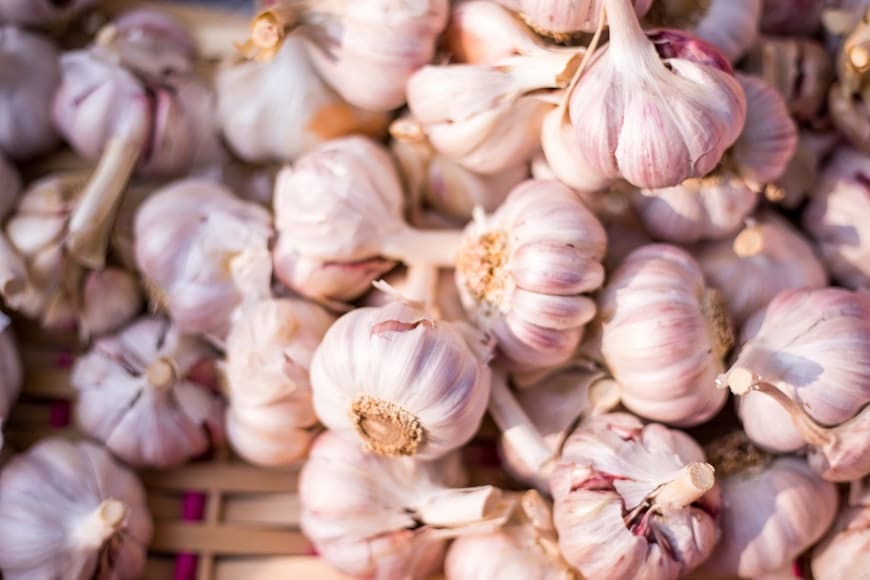
- Garlic (Allium sativum)
Garlic (Allium sativum) is a bulbous perennial in the onion family, recognized for its sharp flavor and characteristic odor. Highly valued for both culinary and medicinal purposes, crushed fresh garlic contains allicin, which has potent antibiotic, antifungal, and antiviral properties. Regular garlic intake supports immunity, respiratory health, and circulatory function.
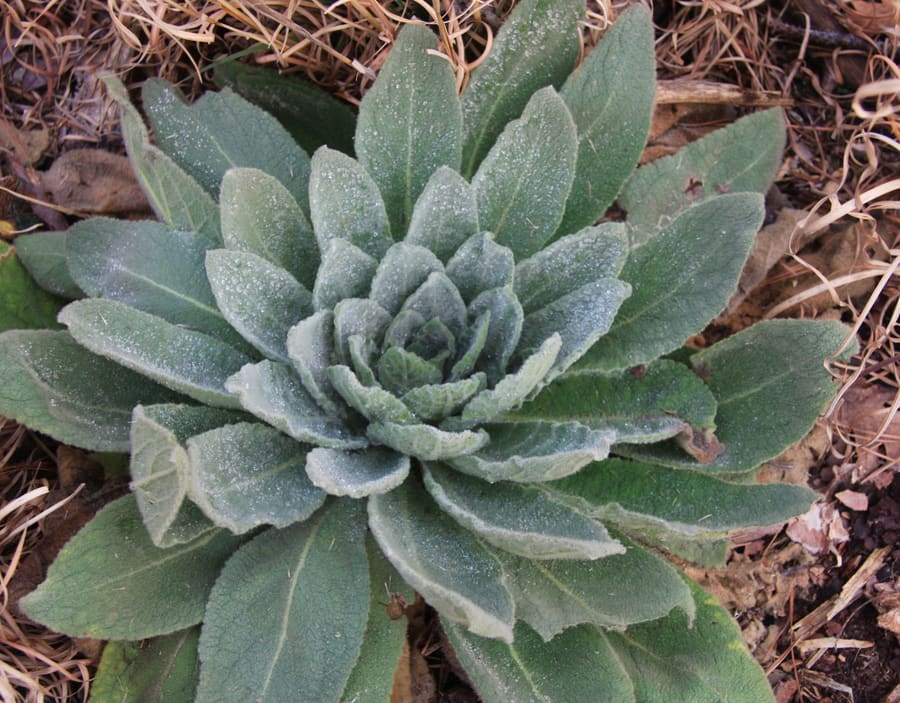
- Mullein (Verbascum thapsus)
Mullein (Verbascum thapsus) is an upright biennial reaching up to about 6½ ft (2 m), with distinctive gray-green, oval to lance-shaped leaves that are softly hairy, and tall spikes of bright yellow flowers. Leaves and flowers both contain saponins that assist in loosening mucus, making mullein especially beneficial for respiratory conditions such as asthma, COPD, dry coughs, and congestion. Mullein root is specifically valued for lower back pain and inflammation.
- St. John’s Wort (Hypericum perforatum)
St. John’s wort (Hypericum perforatum) is an erect perennial reaching about 32 in (80 cm), with bright yellow flowers in clusters. It exudes a red pigment (“hypericin”) when the flowers or leaves are crushed. Known for uplifting mood, St. John’s wort also has antiviral and wound-healing properties.
- Osha (Ligusticum porteri)
Osha is a powerful respiratory remedy that has been overharvested in the wild and is extremely difficult to cultivate. It is listed on the United Plant Savers at-risk list. The root has been traditionally valued for its ability to stimulate the digestive and immune systems while expelling mucus. Until wild populations stabilize, its use should be limited, with alternatives like pine, grindelia, and ginger recommended as replacements.