
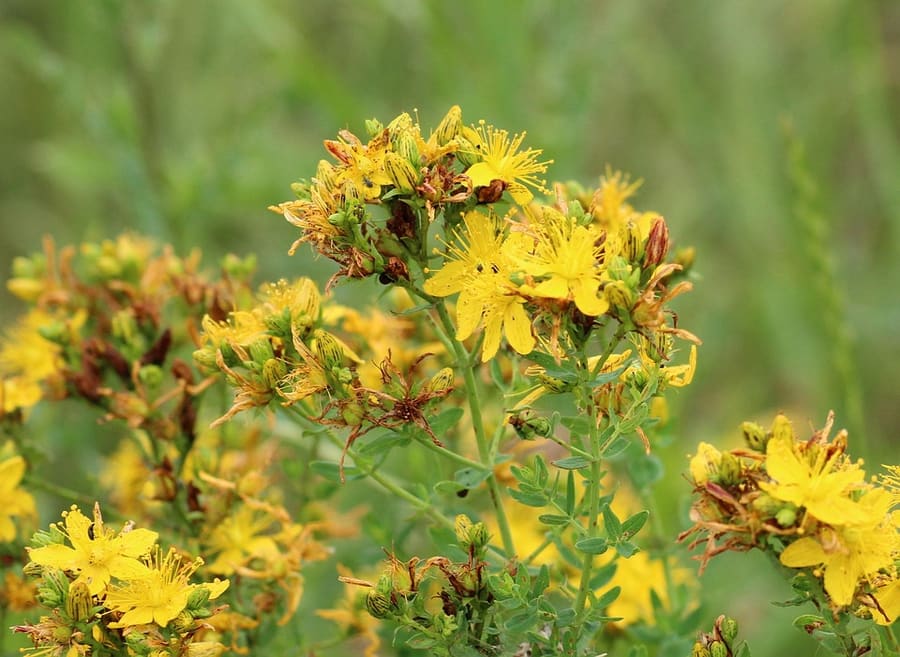
St. John’s Wort (Hypericum perforatum)
Photo: Pixabay
- Mental
- 5 conditions
- Licensed photo
Overview
St. John’s wort (Hypericum perforatum) is an erect perennial reaching about 32 in (80 cm), with bright yellow flowers in clusters. It exudes a red pigment (“hypericin”) when the flowers or leaves are crushed. Known for uplifting mood, St. John’s wort also has antiviral and wound-healing properties.
Traditional uses & properties
Antidepressant & Anxiolytic: Numerous studies show it relieves mild to moderate depression, tension, and nervous exhaustion. Antiviral & Immune Support: Used for infections like herpes, shingles, mononucleosis, and flu. Nerve & Digestive Tonic: Soothes nerve-related pain, aids upset stomach when stress-related. Wound-Healing (Infused Oil): The red oil helps minor burns, neuralgic pain (sciatica, shingles), and post-operative wounds.
Traditional preparations
Traditional texts describe the preparations below, and where those texts give specific amounts, the amounts are quoted here as part of that record. This is a record of historical practice, not a dosage recommendation - the figures are what the sources say, not what HerbMate tells you to take. Amounts, potency, and safe use vary enormously by preparation, plant part, and person.
500-1,500 mg, 3-4 times daily; standardized capsules to 0.3% hypericin, take 300 mg, 3-4 times daily.
Both tincture and infusion will turn a deep red when you’re using a good-quality herb. If it doesn’t turn red, you probably have old plant material or the wrong species.
Fresh plant (1:2, 95% alcohol); 5 drops to 3 ml (0.6 tsp.) 3 times daily
Fresh flowers (1:4); apply topically.
4-8 ounces 1-4 times daily
Safety & precautions
Photosensitivity: High doses or fresh plant can cause increased sensitivity to sunlight. Medication Interactions: May reduce effectiveness of certain prescribed drugs (e.g., blood thinners, antidepressants, birth control); professional guidance is crucial. Pregnancy: Avoid without medical supervision.
Drug & food interactions
St John’s wort is known to interact with many conventional drugs because of its ability to induce the activity of CYP3A4 and P-glycoprotein, which are involved in the metabolism and distribution of the majority of drugs. CYP2C19, CYP2C8 and CYP2E1 may also be induced by St John’s wort, although the evidence is not conclusive and further study is needed. In general, CYP2C9 and CYP1A2 do not appear to be significantly affected by St John’s wort; however, isolated reports of an interaction have still occurred. Hyperforin is the active constituent believed to be central to the inducing effects of St John’s wort. As St John’s wort preparations and dose regimens are varied, the amount of hyperforin exposure will also vary a great deal, which makes predicting whether an interaction will occur, and to what extent, difficult.
- 5 Aminolevulinic acid
- An isolated case report describes a severe phototoxic reaction attributed to a synergistic effect of 5-aminolevulinic acid and St John’s wort. A 47-year-old woman who was taking St John’s wort (Hyperiforce, dose not stated), experienced a phototoxic reaction on skin areas exposed to light 6 hours after receiving 5-aminolevulinic acid 40 mg/kg. She developed a burning erythematous rash and severe swelling of the face, neck and hands. Treatment with oral corticosteroids resulted in complete resolution after skin desquamation.
- Methylphenidate
- St John’s wort may decrease the efficacy of methylphenidate in the treatment of attention deficit hyperactivity disorder. A 22-year-old man who had been successfully treated with methylphenidate 20 mg daily for attention deficit hyperactivity disorder (ADHD) for 6 months started to take St John’s wort 600 mg daily. Over the next 4 months the efficacy of the methylphenidate decreased, but, 3 weeks after the St John’s wort was stopped, the methylphenidate became more effective. No adverse effects were seen during the concurrent use of the herbal medicine and drug.
- Loperamide
- A case report describes delirium in a woman taking St John’s wort and valerian root who also took loperamide. A 39-year-old woman who had been taking two tablets of St John’s wort with valerian root daily for 6 months (exact products and doses not specified) was hospitalised after becoming disorientated, agitated and confused. The patient had also recently started loperamide for diarrhoea prior to admission. The delirium subsided within two days of stopping these drugs.
- Buspirone
- Two patients taking buspirone developed marked CNS effects after starting to take herbal medicines including St John’s wort. A 27-year-old woman who had been taking buspirone 30 mg daily for over one month started to take St John’s wort (Hypericum 2000 Plus, Herb Valley, Australia) three tablets daily. After 2 months she complained of nervousness, aggression, hyperactivity, insomnia, confusion and disorientation, which was attributed to serotonin syndrome. The St John’s wort was stopped, the buspirone was increased to 50 mg daily and her symptoms resolved over a week. A 42-year-old woman who was taking fluoxetine 20 mg twice daily and buspirone 15 mg twice daily started to develop symptoms of anxiety, with episodes of over-sleeping and memory deficits. It was discovered that she had been self-medicating with St John’s wort, ginkgo biloba and melatonin. She was asked to stop the nonprescribed medication and her symptoms resolved.
- Procainamide
- The interaction between St John’s wort and procainamide is based on experimental evidence only.
- Calcium channel blockers
- St John’s wort significantly reduces the bioavailability of nifedipine and verapamil. Other calcium-channel blockers would be expected to interact similarly. (a) Nifedipine In a study in 10 healthy subjects, St John’s wort 900mg daily for 14 days decreased the maximum levels and AUC of a single oral dose of nifedipine 10 mg by about 38% and 45%, respectively. The maximum levels and AUC of the active metabolite of nifedipine, dehydronifedipine, were raised by about 45% and 26%, respectively. The St John’s wort preparation used was standardised to contain hypericin 0.3% and hyperforin 5%.1 (b) Verapamil In a study in 8 healthy subjects, verapamil 24 mg was given as a jejunal perfusion over 100 minutes both before and after treatment with St John’s wort tablets (Movina; containing 3 to 6% hyperforin) 300 mg three times daily for 14 days. St John’s wort did not affect jejunal permeability or the absorption of either R- or S-verapamil. The AUCs of R- and S-verapamil were decreased by 78% and 80%, respectively, and the peak plasma levels were decreased by 76% and 78%, respectively. The terminal half-life was not changed significantly. The AUC for R-verapamil was sixfold higher than that of Sverapamil and St John’s wort did not change this ratio.
- SSRIs
- Cases of severe sedation, mania and serotonin syndrome have been reported in patients taking St John’s wort with SSRIs. (a) Fluoxetine For a report of hypomania that occurred when St John’s wort, ginkgo biloba and melatonin were added to treatment with fluoxetine and buspirone, see St John’s wort + Buspirone, page 365. For a report of serotonin syndrome when eletriptan, fluoxetine and St John’s wort were used together, see St John’s wort + Triptans, page 379. (b) Paroxetine In one report, a woman stopped taking paroxetine 40 mg daily after 8 months, and 10 days later started to take 600 mg of St John’s wort powder daily. No problems occurred until the next night when she took a single 20-mg dose of paroxetine because she thought it might help her sleep. The following day at noon she was found still to be in bed, rousable but incoherent, groggy and slow moving, and almost unable to get out of bed. Two hours later she still complained of nausea, weakness and fatigue, but her vital signs and mental status were normal. Within 24 hours all symptoms had resolved. (c) Sertraline Four elderly patients taking sertraline developed symptoms characteristic of serotonin syndrome within 2 to 4 days of also taking St John’s wort 300 mg, either two or three times daily. The symptoms included dizziness, nausea, vomiting, headache, anxiety, confusion, restlessness and irritability. Two of them were treated with oral cyproheptadine 4 mg either two or three times daily, and the symptoms of all of them resolved within a week. They later resumed treatment with sertraline without problems. A search of Health Canada’s database of spontaneous adverse reactions from 1998 to 2003 found two cases of suspected serotonin syndrome as a result of an interaction between sertraline and St John’s wort. Mania developed in a 28-year-old man, who continued to take St John’s wort against medical advice while also receiving sertraline 50 mg daily for depression; he was also receiving testosterone replacement post-orchidectomy.
- Antidiabetics
- St John’s wort modestly decreases the AUC of gliclazide and rosiglitazone. Pioglitazone and repaglinide are similarly metabolised and may therefore be expected to interact similarly. St John’s wort does not affect the metabolism of tolbutamide. (a) Gliclazide In a study in 21 healthy subjects, a 300-mg dose of a St John’s wort preparation with a high hyperforin content (LI 160, Lichtwer Pharma) was given 3 times daily for 15 days. On the last day of treatment, a single 80-mg dose of gliclazide was given, followed 30 minutes later by glucose 75 g. St John’s wort reduced the maximum levels and AUC of gliclazide by 22% and 35%, respectively. The clearance was increased by 47%. No statistically significant changes were found in the AUC0-4 or blood levels of glucose or insulin. (b) Rosiglitazone A preliminary report of a pharmacokinetic study states that St John’s wort 900 mg daily decreased the AUC of a single dose of rosiglitazone by 26% and increased its clearance by 35%. (c) Tolbutamide In a study using tolbutamide as a probe drug for CYP2C9 activity, St John’s wort 900 mg had no effect on the metabolism of a single dose of tolbutamide either after one day or after 2 weeks of use. The St John’s wort product used was from Sundown Herbals and provided about 33 mg of hyperforin daily. Similarly, in another study, a St John’s wort preparation with low hyperforin content (Esbericum) at a dose of 240 mg daily (which provided about 3.5 mg of hyperforin daily) had no effect on tolbutamide metabolism.
- Prednisone
- St John’s wort does not appear to affect the pharmacokinetics of prednisone. Eight healthy male subjects were given a single oral dose of prednisone 20 mg before, and at the end of, a 28-day course of St John’s wort 300 mg three times daily. The pharmacokinetics of prednisone, and its metabolite prednisolone, were not significantly affected by St John’s wort. The St John’s wort extract was standardised to contain hypericin 0.3% and a minimum of 4% hyperforin.
- Caffeine
- Two studies suggest that St John’s wort increases the metabolism of caffeine. However, four other studies using preparations of varying hyperforin content suggest that the metabolism of caffeine is not affected by St John’s wort. A study in 16 healthy subjects given a single 200-mg dose of caffeine before and after St John’s wort 300 mg (containing 900 micrograms of hypericin) three times daily for 14 days found no overall change in the pharmacokinetics of caffeine. However, when the subset of 8 female patients was considered, it was found that there was an induction of CYP1A2 in this group of patients resulting in an increase in the production of caffeine metabolites. In another study, St John’s wort 300 mg given to 12 healthy subjects three times daily for 28 days, modestly increased the metabolism of caffeine 100 mg (a CYP1A2 probe substrate) to paraxanthine by about 26%, although no serious adverse events occurred. The St John’s wort preparation used was standardised to 0.3% hypericin and provided each subject with about 12.2 mg of hyperforin daily. However, a later study using the same criteria in 12 elderly healthy subjects found that St John’s wort 300 mg three times daily for 28 days (standardised to hypericin 0.3%) generally had no statistically significant effect on the metabolism of a single 100-mg dose of caffeine to paraxanthine taken on day 28, although some individuals showed moderate changes. Similarly, another study in 28 healthy subjects found no significant change in caffeine pharmacokinetics when a low-hyperforin (about 3.5 mg daily) St John’s wort extract (Esbericum) 120 mg was given twice daily for 11 days to patients who had received a single caffeine dose of 100 mg before St John’s wort was started, and on the last day of the study. These findings were also reported in two other studies using caffeine as a probe drug for CYP1A2 activity and a St John’s wort regimen that provided a high-hyperforin dose. One study gave hyperforin 33 mg and hypericin 2.5 mg daily, and the other gave a minimum of hyperforin 36 mg and hypericin 2.7 mg daily
- Irinotecan
- St John’s wort increases the metabolism of irinotecan, which may decrease its activity. In a randomised, crossover study St John’s wort decreased the plasma levels of the active metabolite of irinotecan, SN-38, by 42%. Myelosuppression was also reduced; with irinotecan alone the leucocyte and neutrophil counts decreased by 56% and 63%, respectively, but in the presence of St John’s wort the decreases were only 8.6% and 4.3%, respectively. In this study, irinotecan was given as a single 350-mg/m2 intravenous dose every 3 weeks, and during one cycle a St John’s wort preparation was given three times daily, beginning 14 days before and stopping 4 days after the irinotecan.
- Laboratory tests
- St John’s wort does not interfere with in vitro assays for carbamazepine, ciclosporin, digoxin, phenobarbital, phenytoin, procainamide, quinidine, tacrolimus, theophylline, tricyclic antidepressants and valproate.
- Tibolone
- An isolated case describes liver damage in a woman taking tibolone and St John’s wort. A 57-year-old woman who had been taking tibolone 2.5 mg daily for the past 2 years for postmenopausal symptoms, and hydroxychloroquine sulfate 200 mg daily for the past 7 years for rheumatoid arthritis, without complaint, was hospitalised for liver damage after taking a 2-g infusion of St John’s wort daily for 10 weeks for mild depression. The patient was suffering from fatigue, reduced appetite and jaundice. Her liver function normalised after about one year of taking ursodesoxycholic acid 250 mg twice daily
- Ciclosporin
- Marked reductions in ciclosporin blood levels and transplant rejection can occur within a few weeks of starting St John’s wort. A marked drop in ciclosporin blood levels was identified in one kidney transplant recipient as being due to the addition of St John’s wort extract 300 mg three times daily. When the St John’s wort was stopped the ciclosporin levels rose. The authors of this report identified another 35 kidney and 10 liver transplant recipients whose ciclosporin levels had dropped by an average of 49% (range 30 to 64%) after starting St John’s wort. Two of them had rejection episodes. In addition, subtherapeutic ciclosporin levels in 7 kidney transplant recipients, one liver transplant recipient, and 6 heart transplant recipients have been attributed to self-medication with St John’s wort. Acute graft rejection episodes occurred in 7 cases, and one recipient subsequently developed chronic rejection, requiring a return to dialysis. Another case of subtherapeutic ciclosporin levels occurred in a kidney transplant recipient during the concurrent use of a herbal tea containing St John’s wort. The recipient’s levels remained subtherapeutic despite a ciclosporin dose increase from 150 to 250 mg daily. The levels recovered within 5 days of stopping the herbal tea and the ciclosporin dose was reduced to 175 mg daily. These case reports are supported by a small study in which 11 renal transplant recipients, with stable dose requirements for ciclosporin, were given St John’s wort extract (Jarsin 300) 600 mg daily for 14 days. Pharmacokinetic changes were noted 3 days after the St John’s wort was added. By day 10 the ciclosporin dose had to be increased from an average of 2.7 to 4.2 mg/kg daily in an attempt to keep ciclosporin levels within the therapeutic range. Two weeks after the St John’s wort was stopped, only 3 patients had been successfully re-stabilised on their baseline ciclosporin dose. Additionally, the pharmacokinetics of various ciclosporin metabolites were substantially altered. Another study in 10 kidney transplant recipients stable taking ciclosporin found that the content of hyperforin in the St John’s wort affected the extent of the interaction with ciclosporin. In patients taking St John’s wort with a high hyperforin content (hyperforin 7 mg, hypericin 0.45 mg) the reduction in the AUC0-12 of ciclosporin was 45% greater than that in patients taking St John’s wort with a low hyperforin content (hyperforin 0.1 mg, hypericin 0.45 mg). The maximum blood ciclosporin level and the trough ciclosporin level were also reduced by 36% and 45%, respectively, in the patients taking the higher hyperforin-containing St John’s wort preparation, when compared with the patients taking the preparation with a lower hyperforin content. The patients taking the high-hyperforin preparation required a mean ciclosporin dose increase of 65% whereas the patients taking the low-hyperforin preparation did not require any ciclosporin dose alterations.
- Tricyclic antidepressants
- The plasma levels of amitriptyline and its active metabolite, nortriptyline, are modestly reduced by St John’s wort. Twelve depressed patients were given amitriptyline 75 mg twice daily and St John’s wort extract (Jarsin, Lichtwer Pharma) 900 mg daily for at least 14 days. The AUC0-12 of amitriptyline was reduced by about 22% and the AUC of nortriptyline (its metabolite) was reduced by about 41%.
- Benzodiazepines
- Long-term use of St John’s wort decreases the plasma levels of alprazolam, midazolam and quazepam. St John’s wort preparations taken as a single dose, or containing low-hyperforin levels, appear to have less of an effect. (a) Alprazolam In a study in 12 healthy subjects, St John’s wort (LI 160, Lichtwer Pharma, 0.12 to 0.3% hypericin) 300 mg three times daily for 16 days with a single 2-mg dose of alprazolam on day 14. The AUC of alprazolam was halved by St John’s wort and the clearance was increased by about twofold. In another study, alprazolam 1 or 2 mg was given to 7 healthy subjects on the third day of a 3-day treatment period with St John’s wort (Solaray; hypericin content standardised at 0.3%) 300 mg three times daily. The pharmacokinetics of alprazolam were unchanged by St John’s wort, but the authors note that 3 days may have been an insufficient time for St John’s wort to fully induce cytochrome P450 isoenzymes. In another study, 16 healthy subjects were given St John’s wort extract 120mg (Esbericum capsules; corresponding to 0.5 mg total hypericins and 1.76 mg hyperforin) twice daily for 10 days. A single 1-mg dose of alprazolam was given on the day before treatment with St John’s wort and on the last day of treatment. St John’s wort extract at this low dosage and low hyperforin content had no clinically relevant effects on the pharmacokinetics of alprazolam, when compared with 12 subjects given placebo. (b) Midazolam An open-label study in 12 healthy subjects found that a single 900- mg dose of St John’s wort had no significant effect on the pharmacokinetics of single doses of either oral midazolam 5 mg or intravenous midazolam 0.05 mg/kg, although there was a trend for increased oral clearance. However, St John’s wort 300 mg three times daily for 14 or 15 days decreased the AUC and maximum plasma concentration of oral midazolam by about 50% and 40%, respectively. Intravenous midazolam was not significantly affected. Similar results were found in another six studies. In one of the studies, although no serious adverse events occurred, 3 subjects reported that the sedative effects of midazolam were less noticeable when St John’s wort was taken at the same time. (c) Quazepam In a placebo-controlled study, 13 healthy subjects were given St John’s wort (TruNature; hypericin content standardised at 0.3%) 300 mg three times daily for 14 days with a single 15-mg dose of quazepam on day 14. St John’s wort modestly decreased the AUC and maximum plasma levels of quazepam by 26% and 29%, respectively, but the pharmacodynamic effects of quazepam were not affected
- Cimetidine
- Cimetidine does not significantly alter the metabolism of the constituents of St John’s wort, hypericin and pseudohypericin. A placebo-controlled study in healthy subjects taking St John’s wort (LI160, Lichtwer Pharma) 300mg three times daily found that, apart from a modest 25% increase in the AUC of pseudohypericin, cimetidine 1 g daily (in divided doses) did not significantly affect the pharmacokinetics of either the hypericin or the pseudohypericin constituents of St John’s wort.
- Lithium
- A brief report describes mania in a patient taking lithium who also took St John’s wort. A search of Health Canada’s database of spontaneous adverse reactions identified one case in which St John’s wort was suspected of inducing mania in a patient also taking lithium.
- Statins
- St John’s wort modestly decreases the plasma levels of atorvastatin and simvastatin, but not pravastatin. In a placebo-controlled, crossover study, 16 healthy subjects took St John’s wort 300 mg three times daily for 14 days. On day 14 simvastatin 10 mg was given to 8 subjects and pravastatin 20 mg was given to the other 8 subjects. St John’s wort did not affect the plasma concentration of pravastatin, but it tended to reduce the simvastatin AUC and significantly reduce the AUC of its active metabolite, simvastatin hydroxyacid, by 62%. In a crossover study in 24 patients with hypercholesterolemia taking long-term simvastatin 10 to 40 mg daily (an average dose of 20.8 mg daily), St John’s wort (Movina) 300mg twice daily for 4 weeks significantly raised the levels of total cholesterol from 4.56 mmol/L (pre-treatment) to 5.08 mmol/L and LDL-cholesterol from 2.30 mmol/L to 2.72 mmol/L. The authors equate the magnitude of the increased LDL-cholesterol levels to a halving of the effects of simvastatin. In a similar study by the same authors, 16 patients with hypercholesterolemia taking long-term atorvastatin 10 to 40 mg daily (an average dose of 14.4 mg daily) were given St John’s wort (Movina) 300mg twice daily for 4 weeks. St John’s wort significantly raised the levels of total cholesterol from 4.76 mmol/L (pretreatment) to 5.1 mmol/L and LDL-cholesterol from 2.39 mmol/L to 2.66 mmol/L. The levels of atorvastatin were not measured in this study. The authors equate the magnitude of the increased LDL-cholesterol levels to a loss of a third of the effects of atorvastatin. No adverse effects were reported.
- Bupropion
- Two cases describe symptoms indicative of serotonin syndrome when bupropion was taken with long-term St John’s wort. A 58-year-old woman who had been taking St John’s wort 300 mg daily for several years and receiving HRT (estradiol and medroxyprogesterone) developed acute facial dystonia affecting the right side of her face, neck and right arm when she started taking bupropion 150 mg daily for 4 days. The episodic spasms were completely resolved after 5 months of treatment with oral chorpheniramine, procyclidine, diazepam and carbamazepine. A brief report describes the development of mania in one patient, which was associated with the concurrent use of St John’s wort and bupropion
- Imatinib
- St John’s wort lowers serum imatinib levels. In a study in 12 healthy subjects, the pharmacokinetics of a single dose of imatinib was determined before, and on day 12, of two weeks of treatment with St John’s wort extract (Kira [LI 160], Lichtwer Pharma) 300 mg three times daily. The AUC and maximum plasma level of imatinib was decreased by 30% and 15%, respectively. Imatinib clearance was increased by 43% and its half-life was decreased from 12.8 to 9 hours. Similar results were found in another study.
- Antiepileptics
- St John’s wort modestly increased the clearance of single-dose carbamazepine, but had no effect on multiple-dose carbamazepine pharmacokinetics. Carbamazepine does not appear to significantly affect the pharmacokinetics of hypericin or pseudohypericin (constituents of St John’s wort). St John’s wort increased the clearance of mephenytoin by about 3-fold and is predicted to reduce the blood levels of phenytoin and phenobarbital, but this awaits clinical confirmation. In a multiple-dose study in 8 healthy subjects, St John’s wort had no effect on the pharmacokinetics of carbamazepine or its metabolite (carbamazepine-10,11-epoxide). In this study, subjects took carbamazepine 200 mg increased to 400mg daily alone for 20 days, then with St John’s wort 300 mg (standardised to hypericin 0.3%) three times daily for a further 14 days. In contrast, the AUC of a single 400-mg dose of carbamazepine was reduced by 21% after St John’s wort 300mg was given three times daily for 14 days, and the AUC of the 10,11-epoxide metabolite was increased by 26%. A double-blind, placebo-controlled study in healthy subjects found that, apart from a modest 29% decrease in the AUC of pseudohypericin, carbamazepine did not significantly affect the pharmacokinetics of either hypericin or pseudohypericin, which are both constituents of St John’s wort. In another placebo-controlled study in 6 extensive metabolisers of CYP2C19, St John’s wort 300mg three times daily for 14 days increased the clearance of a single oral dose of mephenytoin 100 mg given on day 15, by about 3-fold. There were no significant effects when mephenytoin was given to 6 poor metabolisers of CYP2C19. Each St John’s wort tablet contained 0.3% hypericin and 4% hyperforin.
- Etoposide
- The interaction between St John’s wort and etoposide is based on experimental evidence only.
- Theophylline
- A patient needed a marked increase in the dosage of theophylline while taking St John’s wort. In contrast, no pharmacokinetic interaction was found in a 2-week study in healthy subjects. A study in 12 healthy subjects found that a standardised preparation of St John’s wort 300 mg (hypericin 0.27%) three times daily for 15 days had no significant effects on the plasma level of a single 400-mg oral dose of theophylline. However, an isolated case has been reported of a woman, who had previously been stable for several months taking theophylline 300 mg twice daily, but was found to need a marked increase in her theophylline dosage to 800 mg twice daily to achieve serum levels of 9.2 mg/L. Two months previously she had started to take 300 mg of a St John’s wort supplement (hypericin 0.3%) each day. When she stopped taking the St John’s wort, her serum theophylline levels doubled within one week to 19.6 mg/L and her theophylline dosage was consequently reduced. This patient was also taking a whole spectrum of other drugs (amitriptyline, furosemide, ibuprofen, inhaled triamcinolone, morphine, potassium, prednisone, salbutamol (albuterol), valproic acid, zolpidem and zafirlukast) and was also a smoker. No changes in the use of these drugs or altered compliance were identified that might have offered an alternative explanation for the changed theophylline requirements.
- Chlorzoxazone
- St John’s wort increases the clearance of chlorzoxazone. In a study in 12 healthy subjects, St John’s wort 300 mg three times daily for 28 days more than doubled the clearance of chlorzoxazone 500 mg (a CYP2E1 probe substrate). The St John’s wort preparation used was standardised to a concentration of hypericin 0.3% and provided each subject with about 12.2 mg of hyperforin daily. A later study using the same criteria in 12 healthy subjects (aged between 60 and 76 years) found that St John’s wort 300 mg three times daily for 28 days increased the metabolism of a single 500-mg dose of chlorzoxazone to hydroxychorzoxazone by only 26%. The St John’s wort preparation used in this study provided a daily dose of 4.8 mg of hyperforin.
- Hormonal contraceptives
- St John’s wort may affect the pharmacokinetics of desogestrel, ethinylestradiol and norethisterone. Both breakthrough bleeding and, more rarely, combined oral contraceptive failure have been reported in women taking St John’s wort. Two cases describe the failure of emergency hormonal contraception, which was attributed to the use of St John’s wort. (a) Combined hormonal contraceptives A study in 17 healthy women taking ethinylestradiol/desogestrel 20/150 micrograms daily found that St John’s wort (300 mg twice or three times daily) did not affect the AUC or maximum levels of ethinylestradiol. However, the AUC and maximum levels of the active metabolite of desogestrel were significantly decreased by about 40% and 20%, respectively. There was no evidence that ovulation occurred. However, the frequency of breakthrough bleeding increased significantly from 35% to around 80%, which may affect compliance. Another study in 12 healthy women taking ethinylestradiol/norethisterone 35 micrograms/1mg (Ortho-Novum) found that St John’s wort 300mg three times daily for 8 weeks increased the oral clearance of norethisterone and reduced the half-life of ethinylestradiol, but the serum levels of LH, FSH and progesterone were unaffected. However, of more importance, was the increase in breakthrough bleeding, which the authors state as a major cause of patients stopping hormonal contraceptives. A further study in 16 subjects also found reductions in the levels of low-dose ethinylestradiol/norethisterone 20 micrograms/1 mg. Furthermore, they found increased progesterone levels of more than 3 nanograms/mL (an indication that ovulation occurred) in 3 patients who also took St John’s wort compared with one subject who took placebo. Breakthrough bleeding was also increased. In a secondary analysis of this study, the anti-androgenic effects of ethinylestradiol/norethisterone, utilised in the treatment of hirsutism and acne, were not significantly affected by St John’s wort. The Adverse Drug Reactions Database of the Swedish Medical Products Agency has on record 2 cases of pregnancy due to the failure of a combined oral contraceptive, which was attributed to the use of products containing St John’s wort (Esbericum and Kira). One woman was taking ethinylestradiol and norethisterone and the other was taking ethinylestradiol and levonorgestrel. This follows an earlier report from the Swedish Medical Products Agency of 8 cases of breakthrough bleeding in women aged 23 to 31 taking long-term oral contraceptives and St John’s wort. Breakthrough bleeding occurred within about a week of starting St John’s wort in 5 of the cases, and was known to have resolved in 3 cases when the St John’s wort was stopped. The CSM in the UK has on record a further 7 cases of pregnancy in women taking St John’s wort and oral contraceptives in the two-year period from February 2000 to February 2002. Another earlier brief report describes 3 women taking a combined oral contraceptive (ethinylestradiol/desogestrel 30/150 micrograms) who developed breakthrough bleeding one - week (2 cases) and 3 months (1 case) after starting to take St John’s wort. A single case of pregnancy has also been reported in a patient taking St John’s wort with ethinylestradiol/dienogest (Valette). The German Federal Institute for Drugs and Medical Devices has received a total of 8 case reports of ineffective contraception with St John’s wort. In contrast, in a study, 16 healthy women took ethinylestradiol/desogestrel 20/150 micrograms daily on days 1 to 21 of a 28-day cycle, and an extract of St John’s wort with a low hyperforin content of 650 micrograms, (Ze117, standardised to 0.2% hypericin), 250 mg twice daily on days 7 to 21. The plasma levels of ethinylestradiol and the active metabolite of desogestrel were not significantly altered by St John’s wort. None of the women experienced any breakthrough bleeding or spotting, and measurements of plasma hormone levels indicated that the contraceptive efficacy was unchanged. (b) Emergency hormonal contraceptives The CSM in the UK has received reports of 2 women taking St John’s wort who became pregnant despite taking emergency hormonal contraception. One of them was also taking an oral contraceptive
- Ibuprofen
- St John’s wort does not affect the pharmacokinetics of ibuprofen. Eight healthy male subjects were given an oral dose of ibuprofen 400 mg before, and at the end of, a 21-day course of St John’s wort 300 mg three times daily. The pharmacokinetics of ibuprofen were unaffected by St John’s wort. The St John’s wort extract was standardised to contain hypericin (probably 0.3%) and a minimum of 4% hyperforin.
- Voriconazole
- St John’s wort more than halves the AUC of a single dose of voriconazole. In a study in 17 healthy subjects, a single 400-mg dose of oral voriconazole was given alone and on the first and last day of St John’s wort (Jarsin, Lichtwer Pharma) 300 mg three times daily for 15 days. Taking St John’s wort for one day had no effect on the voriconazole AUC0 - ∞, but slightly increased the maximum serum level and AUC0-10 by 22%. However, when voriconazole was given on day 15 of treatment with St John’s wort, the AUC of voriconazole was decreased by 59% and there was a 2.4-fold increase in oral clearance.
- Food; Tyramine rich
- An isolated report describes a patient taking St John’s wort who experienced a hypertensive crisis after consuming tyramine-rich food and drink. A man who had taken a St John’s wort supplement for 7 days (preparation and dose not stated) was admitted to hospital with confusion and disorientation. He was unable to recall events after eating aged cheeses and pouring a glass of red wine 8 hours earlier. On examination he had a pulse rate of 115 bpm, a respiratory rate of 16 breaths per minute and his blood pressure was 210/140 mmHg. He was treated with intravenous phentolamine and oral labetalol and his blood pressure decreased to 160/100mmHg after 2 hours and the delirium also resolved. Extensive laboratory investigations did not find any cause for the hypertension and delirium.
- Fexofenadine
- Pretreatment with St John’s wort had no clinically relevant effect on the plasma levels of single-dose fexofenadine in one study, but markedly reduced fexofenadine levels in two others. In a study in 12 healthy subjects, a single 900-mg dose of St John’s wort (Hypericum perforatum) increased the maximum plasma level and AUC of a single 60-mg dose of fexofenadine by 45% and 31%, respectively. Conversely, St John’s wort 300 mg three times daily for 14 days caused a slight 5 to 10% decrease in the maximum level and AUC of a single dose of fexofenadine 60 mg in the same subjects. In contrast, in another study, 12 days of pretreatment with St John’s wort increased the oral clearance of a single dose of fexofenadine by about 1.6-fold in healthy subjects. Similarly, a study in 30 healthy subjects found that 10 days of pretreatment with St John’s wort 300 mg three times daily almost doubled the oral clearance of a single 60-mg dose of fexofenadine.
- Eplerenone
- St John’s wort slightly decreases the AUC of eplerenone. St John’s wort caused a small 30% decrease in the AUC of a single 100-mg dose of eplerenone.
- Opioids
- St John’s wort reduces the plasma concentrations of methadone and withdrawal symptoms may occur. In a study in 4 patients taking methadone, St John’s wort (Jarsin) 900 mg daily for 14 to 47 days decreased methadone plasma concentration-to-dose ratios (indicating decreased methadone levels) by 19 to 60%. Two patients reported symptoms that suggested a withdrawal syndrome.
- Warfarin and related drugs
- St John’s wort can cause a moderate reduction in the anticoagulant effects of phenprocoumon and warfarin. (a) Phenprocoumon In a randomised, placebo-controlled, crossover study in 10 healthy men, St John’s wort extract (LI 160, Lichtwer Pharma) 900 mg daily for 11 days reduced the AUC of a single 12-mg dose of phenprocoumon by a modest 17.4%. There is also a case report of a 75-year-old woman taking phenprocoumon who had a reduced anticoagulant response (a rise in the Quick value) 2 months after starting to take St John’s wort. (b) Warfarin In a randomised, crossover study in 12 healthy subjects, one tablet of St John’s wort three times daily for 3 weeks modestly decreased the AUC of both R- and S-warfarin by about 25% after a single 25- mg dose of warfarin taken on day 14. In this study, the brand of St John’s wort used was Bioglan tablets, each tablet containing an extract equivalent to 1 g of Hypericum perforatum flowering herb top containing 825 micrograms of hypericin and 12.5 mg of hyperforin. The Swedish Medical Products Agency received 7 case reports over the 1998 to 1999 period of patients stabilised on warfarin who showed decreased INRs when St John’s wort was added. Their INRs fell from the normal therapeutic range of about 2 to 4 to about 1.5. Two patients needed warfarin dosage increases of 6.6% and 15%, respectively, when St John’s wort was added. The INRs of 4 patients returned to their former values when St John’s wort was stopped.
- Digoxin
- Digoxin toxicity occurred in a patient taking digoxin when he stopped taking St John’s wort. There is good evidence that some preparations of St John’s wort can reduce the levels of digoxin by about one-quarter to one-third. An 80-year-old man taking long-term digoxin and St John’s wort herbal tea (2 litres daily) developed symptoms of digoxin toxicity (nodal bradycardia of 36 bpm and bigeminy) when he stopped taking the herbal tea. In a study 13 healthy subjects were given digoxin for 5 days until steady state had been achieved, and then St John’s wort extract (LI 160, Lichtwer Pharma) 300 mg three times daily for a further 10 days. The AUC and trough level of digoxin decreased by 28% and 37%, respectively. When compared with a parallel group of 12 subjects taking digoxin and placebo, the St John’s wort group had 26.3% lower maximum plasma digoxin levels, 33.3% lower trough digoxin levels and a 25% lower AUC. In another study, 8 healthy subjects pretreated with St John’s wort 300 mg 3 times daily for 14 days were given a single 500-microgram dose of digoxin. St John’s wort decreased the AUC0-7 of digoxin by 18%. Another study in 18 healthy subjects found that St John’s wort 300 mg 3 times daily (Nature’s Way, containing a daily dose of 24 mg of hyperforin) for 14 days reduced the maximum levels and AUC0-24 of a single 250-microgram dose of digoxin by 36% and 23%, respectively. These findings were comparable to rifampicin (an established P-glycoprotein inducer) 600 mg daily for 7 days. No significant adverse effects were reported. In a further randomised placebo-controlled study, 93 healthy subjects were given digoxin alone for 7 days and then with one of ten St John’s wort preparations for 14 days. The extract used in the earlier study (LI 160, Jarsin 300, Lichtwer Pharma) 300mg three times daily similarly reduced the digoxin AUC, peak and trough plasma levels by 25%, 37%, and 19%, respectively. Comparable results were found with hypericum powder containing similar amounts of hyperforin (about 21 mg daily), while hypericum powder with half the hyperforin content (about 10 mg daily) reduced the AUC, peak and trough plasma levels by about 18%, 21% and 13%, respectively. Some St John’s wort products, including tea, juice, oil extract and powder with low-dose hyperforin (all 5 mg daily or less), did not significantly affect the pharmacokinetics of digoxin. Similarly, a further study in 28 healthy subjects found no statistically significant change in digoxin pharmacokinetics when another low-hyperforin (about 3.5 mg daily) St John’s wort extract (Esbericum) 120 mg was given twice daily for 11 days to patients who had received a digoxin loading dose of 750 micrograms daily for 2 days before starting St John’s wort, and then received digoxin 250 micrograms daily each day during the study
- Protease inhibitors
- St John’s wort causes a marked reduction in the serum levels of indinavir, which may result in HIV treatment failure. Other protease inhibitors, whether used alone or boosted by ritonavir, are predicted to interact similarly. In a single-drug pharmacokinetic study, 8 healthy subjects were given three 800-mg doses of indinavir on day 1 to achieve steadystate serum levels, and then an 800-mg dose on day 2. For the next 14 days they were given St John’s wort extract 300 mg three times daily. Starting on day 16, the indinavir dosing was repeated. It was found that the St John’s wort reduced the mean AUC of indinavir by 54% and decreased the 8-hour indinavir trough serum level by 81%.
- Dextromethorphan
- St John’s wort does not affect the pharmacokinetics of dextromethorphan or debrisoquine. In a study in 12 healthy subjects, St John’s wort (LI160, Lichtwer Pharma, 0.12 to 0.3% hypericin) 300 mg three times daily was taken for 16 days with a single 30-mg dose of dextromethorphan on day 14. There was no consistent change in the urinary dextromethorphan to dextrorphan metabolic ratio: 6 subjects had an increase in the production of dextrorphan while the other 6 subjects had a reduction in dextrorphan production. This finding was within the normal inter-patient variation in dextromethorphan metabolism. Similar findings were reported in another study in 16 healthy subjects given a single 25-mg dose of dextromethorphan on the last day of a 14-day course of St John’s wort (Jarsin; 900 micrograms of hypericin) 300 mg three times daily. Similarly, the metabolism of dextromethorphan was not significantly affected by St John’s wort when 12 healthy subjects were given a single 30-mg dose of dextromethorphan after 14 days of St John’s wort (Jarsin, Lichtwer Pharma) 300mg three times daily. In yet another study in 12 healthy subjects, St John’s wort 300mg three times daily for 14 days had no significant effect on the urinary excretion of a single 30-mg oral dose of dextromethorphan either after one day or after 2 weeks of use. The St John’s wort product used was from Sundown Herbals and provided about 33 mg of hyperforin daily. Three further studies found that St John’s wort 300mg three times daily (containing up to 24 mg of hyperforin) for 14 or 28 days had no clinically relevant effect on the pharmacokinetics of a single 5-mg dose of debrisoquine.
- SNRIs
- Serotonin syndrome has been reported in one patient taking venlafaxine and St John’s wort. An interaction between venlafaxine and St John’s wort was reported to the Centre Régional de Pharmacovigilance de Marseille involving a 32-year-old man who had been taking venlafaxine 250 mg daily for several months. He started taking St John’s wort at a dose of 200 drops three times daily (usual dose up to 160 drops daily) and on the third day felt faint and anxious, and had symptoms of diaphoresis, shivering and tachycardia. St John’s wort was stopped and his symptoms resolved in 3 days without altering the dose of venlafaxine. A search of Health Canada’s database of spontaneous adverse reactions for the period 1998 to 2003 also found one case of suspected serotonin syndrome as a result of an interaction between venlafaxine and St John’s wort.
- Proton pump inhibitors
- St John’s wort induces the metabolism of omeprazole, and this might result in reduced efficacy. Other proton pump inhibitors are likely to be similarly affected. In a crossover study, 12 healthy subjects (6 of the extensive CYP2C19 metaboliser phenotype and 6 of the poor CYP2C19 metaboliser phenotype) were given St John’s wort 300 mg three times daily or placebo for 14 days, followed by a single 20-mg dose of omeprazole on day 15. St John’s wort modestly decreased the AUC of omeprazole in all subjects (by 49% in extensive metabolisers and 41% in poor metabolisers), and also increased the plasma levels of hydroxyomeprazole by 35% in those who were extensive metabolisers. It also markedly increased the levels of the inactive CYP3A4 sulfone metabolite of omeprazole in both extensive and poor metabolisers (by 148% and 132%, respectively).
- Mycophenolate
- St John’s wort does not appear to alter the pharmacokinetics of mycophenolate. In a pharmacokinetic study, 8 stable kidney transplant recipients taking mycophenolate 1 g to 2 g daily and tacrolimus were given 600 mg of St John’s wort extract (Jarsin 300) daily for 14 days. The levels of mycophenolic acid, the main metabolite of mycophenolate, were measured before St John’s wort was started, on day 14, and two weeks after St John’s wort was stopped. The pharmacokinetics of mycophenolic acid were unchanged throughout the study, and no dosage adjustments were needed in any of the 8 patients.
- Triptans
- Serotonin syndrome has been reported in a patient taking eletriptan and St John’s wort. A 28-year-old woman who had been taking fluoxetine 60 mg daily for one year for an eating disorder, and St John’s wort (dose and frequency not stated) for one month, suffered a loss of consciousness, convulsions and mental confusion after eletriptan 40 mg daily was started 3 days earlier for a recurrent migraine. Previous use of eletriptan and fluoxetine had not resulted in any reported adverse effects. After admission to hospital, the patient developed acute rhabdomyolysis and transient mild acute renal failure. Serotonin syndrome was diagnosed, all medications were stopped and the symptoms gradually resolved over 10 days.
- Talinolol
- St John’s wort modestly decreases the plasma levels of talinolol. In a randomised study, a single oral dose of talinolol 50 mg was given to 9 healthy subjects after 12-days of St John’s wort (Jarsin, Lichtwer Pharma) 900mg daily. St John’s wort was found to reduce the AUC and oral bioavailability of talinolol by about 31% and 25%, respectively. The non-renal clearance of a single dose of talinolol 30 mg given as a 30-minute infusion was increased by about 26%. Other pharmacokinetic parameters of both oral and intravenous talinolol were not significantly affected.
- Tacrolimus
- St John’s wort decreases tacrolimus levels. In a clinical study, 10 healthy subjects were given a single 100-microgram/kg dose of tacrolimus alone, or after they took St John’s wort 300 mg three times daily for 14 days. On average St John’s wort decreased the maximum blood level of tacrolimus by 65% and its AUC by 32%. However, the decrease in AUC ranged from 15% to 64%, with one patient having a 31% increase in AUC. Similar results have been found in a study in 10 kidney transplant recipients given St John’s wort (Jarsin 300) 600 mg daily for 2 weeks. In order to achieve target levels, the tacrolimus dose was increased in all patients, from a median of 4.5 mg daily to 8 mg daily. Two weeks after stopping St John’s wort, tacrolimus doses were reduced to a median of 6.5 mg daily, and then to the original dose of 4.5 mg daily after about 4 weeks. A case report describes a 65-year-old patient taking tacrolimus following a kidney transplantation. The patient started to take St John’s wort (Neuroplant) 600 mg daily, and after one month the tacrolimus trough blood levels had dropped from a range of 6 to 10 nanograms/mL down to 1.6 nanograms/mL, with an unexpected improvement in creatinine levels. When the St John’s wort was stopped, tacrolimus levels and creatinine returned to the previous range. Subsequently a lower target range of tacrolimus was set.
- Ivabradine
- The metabolism of ivabradine is increased by St John’s wort. Twelve healthy subjects were given a single oral dose of ivabradine 10 mg 24 hours before St John’s wort (Jarsin tablets) 300 mg three times daily was given for 14 days. On day 16, they were given a further dose of ivabradine 10 mg with a single 300-mg dose of St John’s wort. The maximum levels and AUC of ivabradine were reduced by more than half by St John’s wort. The maximum levels and AUC of its active metabolite were reduced by 25% and 32%, respectively. No adverse effects were reported, and the heart rate and blood pressure remained unchanged. Similar findings are also reported by the manufacturers of ivabradine.
- Anaesthetics, general
- It has been predicted that St John’s wort may prolong the effects of anaesthetics, which is supported by an isolated case. A case of profound hypotension during anaesthesia following the long-term use of St John’s wort has also been reported. The American Society of Anesthesiologists recommends that all herbal medicines should be stopped two weeks prior to elective surgery. Prolonged anaesthesia has been reported in a 21-year-old woman who had been taking St John’s wort 1 g three times daily for 3 months before general anaesthetics were given for the surgical removal of an abscess. Anaesthesia was induced by intravenous fentanyl citrate 1 microgram/kg and propofol 3 mg/kg, and maintained throughout the procedure by sevoflurane and nitrous oxide using a facemask. Another case report describes a healthy 23-year-old woman, who had been taking St John’s wort on a daily basis for 6 months, who developed severe hypotension (BP 60/20 mmHg) during general anaesthesia, which responded poorly to ephedrine and phenylephrine (BP increased to 70/40 mmHg).
- NNRTIs
- There is some evidence to suggest that St John’s wort may decrease the levels of nevirapine. Delavirdine and efavirenz would be expected to be similarly affected. Nevirapine levels, obtained by routine monitoring, were noted to be lower in 5 men who were also taking St John’s wort. Based on a pharmacokinetic modelling analysis, it was estimated that St John’s wort increased the oral clearance of nevirapine by about 35%.
These entries keep the wording of the reference they come from, and three phrases mean three different things. "No interactions found" means the source looked for reports of that pairing and found none. "No data found" means nothing has been published either way. "Based on experimental evidence only" means the effect has been seen in a laboratory or animal study but not in people - a reason for caution, not a report of harm.
Habitat
Native to Europe and Asia, naturalized worldwide in sunny fields and roadsides. The flowering tops are collected in midsummer when the flowers have fully opened.
Traditionally used for
- Ear Infection4 herbs · 2 free
- Depression5 herbs · 2 free
- Sciatica3 herbs · 2 free
- Shingles3 herbs · 2 free
- Wound healing7 herbs · 2 free
Each condition shows its first 2 remedies free. Premium opens the full remedy list for every condition - or come back for the free Condition of the Day.
Frequently asked questions
What is St. John’s Wort (Hypericum perforatum) traditionally used for?
Traditional sources describe St. John’s Wort (Hypericum perforatum) as follows: Antidepressant & Anxiolytic: Numerous studies show it relieves mild to moderate depression, tension, and nervous exhaustion. Antiviral & Immune Support: Used for infections like herpes, shingles, mononucleosis, and flu. Nerve & Digestive Tonic: Soothes nerve-related pain, aids upset stomach when stress-related. Wound-Healing (Infused Oil): The red oil helps minor burns, neuralgic pain (sciatica, shingles), and post-operative wounds.
How is St. John’s Wort (Hypericum perforatum) prepared?
Traditional texts describe the preparations below, and where those texts give specific amounts, the amounts are quoted here as part of that record. This is a record of historical practice, not a dosage recommendation - the figures are what the sources say, not what HerbMate tells you to take. Amounts, potency, and safe use vary enormously by preparation, plant part, and person. CAPSULE: 500-1,500 mg, 3-4 times daily; standardized capsules to 0.3% hypericin, take 300 mg, 3-4 times daily. NOTE: Both tincture and infusion will turn a deep red when you’re using a good-quality herb. If it doesn’t turn red, you probably have old plant material or the wrong species. TINCTURE: Fresh plant (1:2, 95% alcohol); 5 drops to 3 ml (0.6 tsp.) 3 times daily OIL: Fresh flowers (1:4); apply topically. STANDARD INFUSION: 4-8 ounces 1-4 times daily
What safety cautions apply to St. John’s Wort (Hypericum perforatum)?
Photosensitivity: High doses or fresh plant can cause increased sensitivity to sunlight. Medication Interactions: May reduce effectiveness of certain prescribed drugs (e.g., blood thinners, antidepressants, birth control); professional guidance is crucial. Pregnancy: Avoid without medical supervision.
Related herbs
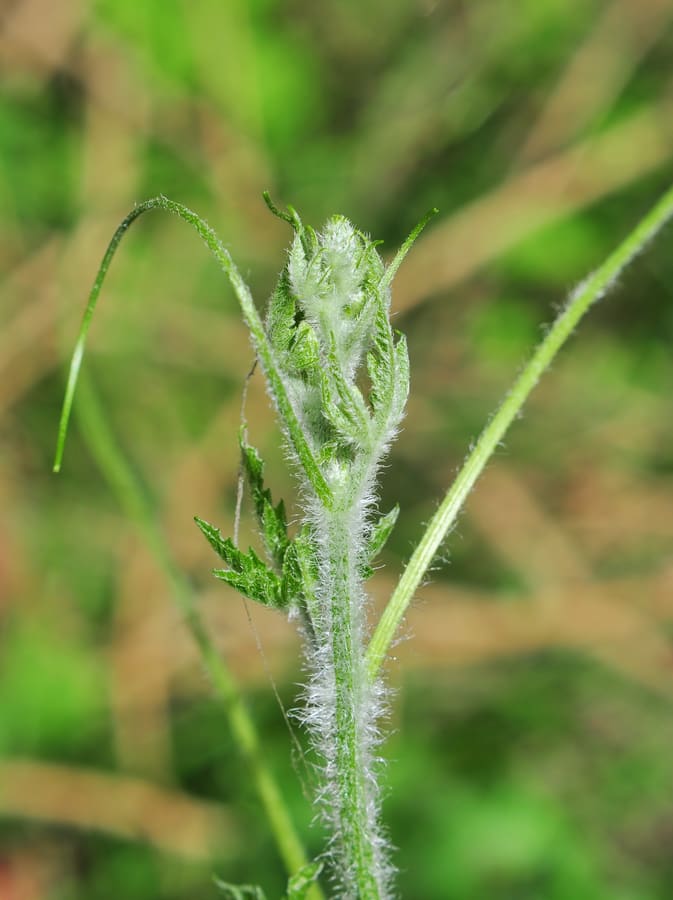 Bitter Melon (Momordica charantia)
Bitter melon is an annual climbing vine reaching about 6.5 feet, characterized by deeply lobed leaves, yellow flowers, and distinctive orange-yellow fruit. Native to southern Asia and now common throughout tropical regions worldwide, it is harvested year-round. The plant's unripe fruit, ripe fruit, leaves, seeds, and seed oil all have medicinal applications, and it has been a traditional remedy for diabetes symptoms in Asia, Africa, and the Caribbean for centuries.
- Cardamom (Eletteria cardamomum)
Cardamom is an aromatic spice long prized for its fragrant, pungent taste. In Ayurvedic medicine, it has been used for digestive complaints - soothing indigestion, gas, and cramping - and is sometimes employed for respiratory conditions and kidney ailments. Cardamom has a centuries-old reputation as an aphrodisiac and is also believed to help relieve stress and depression when prepared in a mild infusion. Thanks to its agreeable flavor, cardamom is often added to herbal formulas to improve taste.
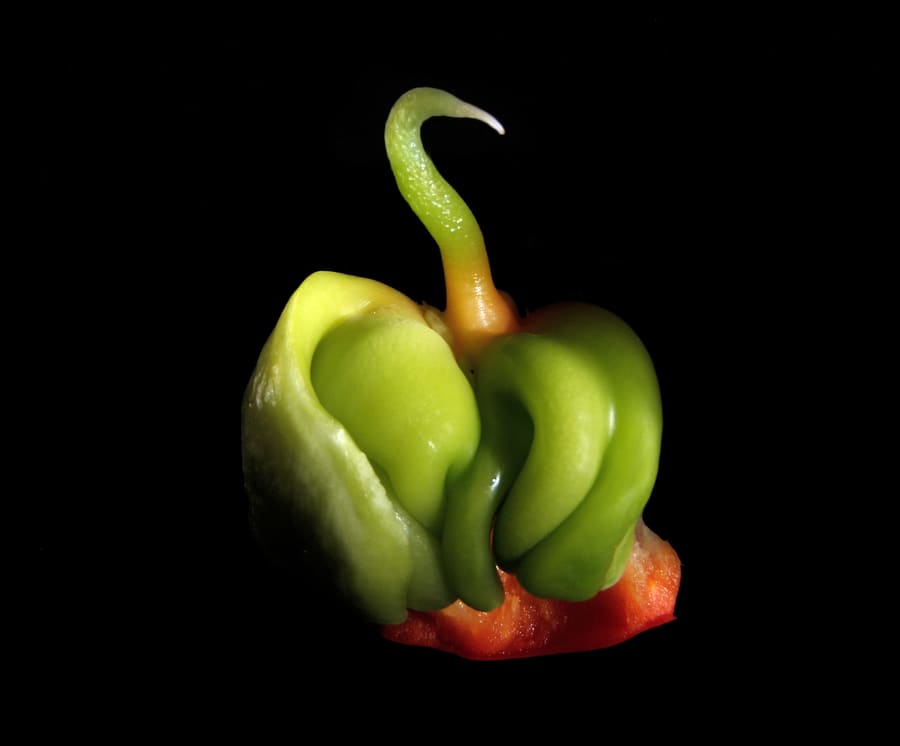 Cayenne (Capsicum annuum)
Cayenne (Capsicum frutescens) is a tropical pepper renowned for its hot, pungent taste and powerful warming action. Medicinally, it is noted for stimulating circulation throughout the body, strengthening the heartbeat, and supporting healing by improving blood supply to tissues. Cayenne is sometimes considered a “cure-all” in Western herbal traditions due to its broad impact on circulation and tissue repair. It also has analgesic properties, thanks to capsaicin, which depletes substance P (a pain mediator), thereby reducing discomfort in conditions like neuralgia or arthritis.
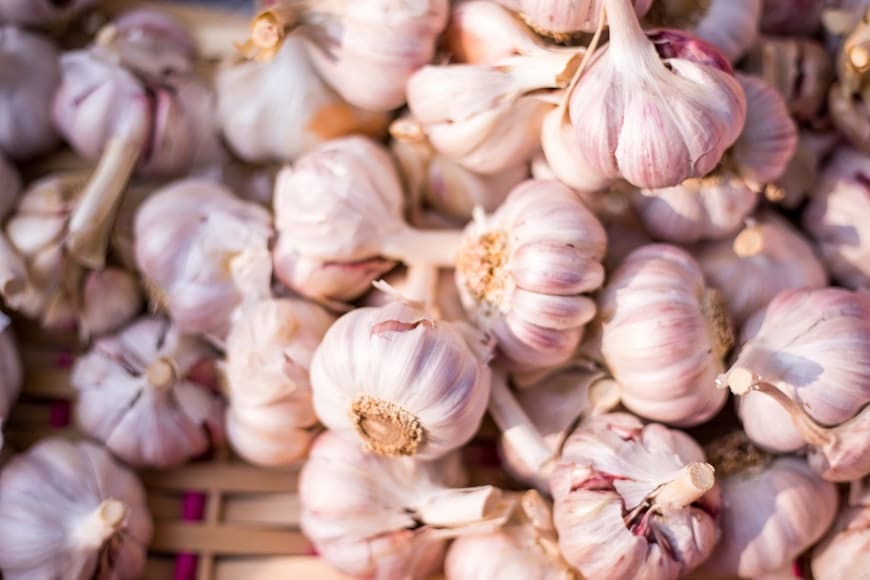 Garlic (Allium sativum)
Garlic (Allium sativum) is a bulbous perennial in the onion family, recognized for its sharp flavor and characteristic odor. Highly valued for both culinary and medicinal purposes, crushed fresh garlic contains allicin, which has potent antibiotic, antifungal, and antiviral properties. Regular garlic intake supports immunity, respiratory health, and circulatory function.
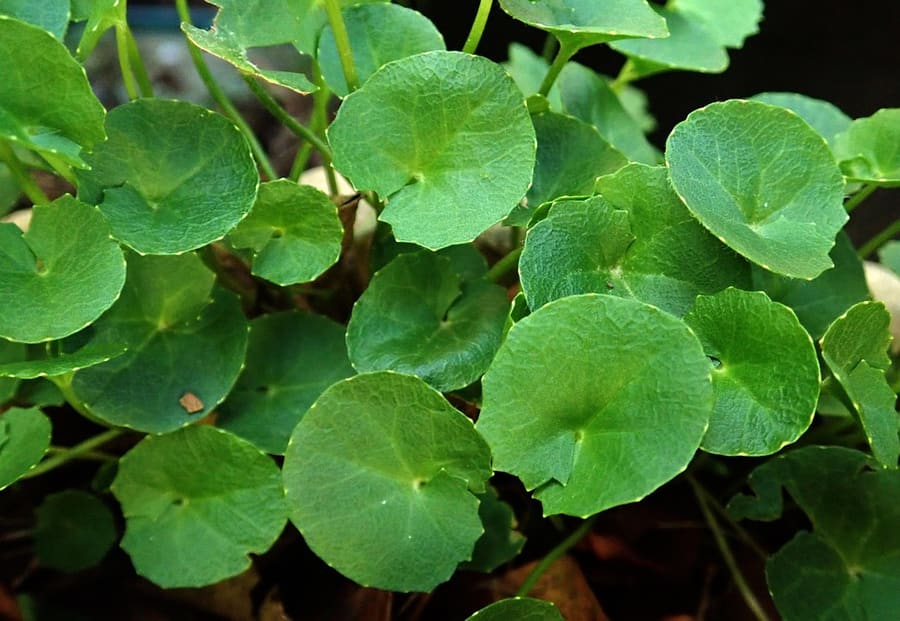 Gotu Kola (Centella asiatica)
Gotu kola (Centella asiatica), also known as Hydrocotyle asiatica, is a creeping perennial reaching up to about 20 in (50 cm). It sports fan-shaped leaves, often used in salads across parts of India. Traditionally prized for promoting wound healing and improving nervous system function, it is considered both a cleansing herb for the skin and a reviving tonic for cognitive and nervous issues.
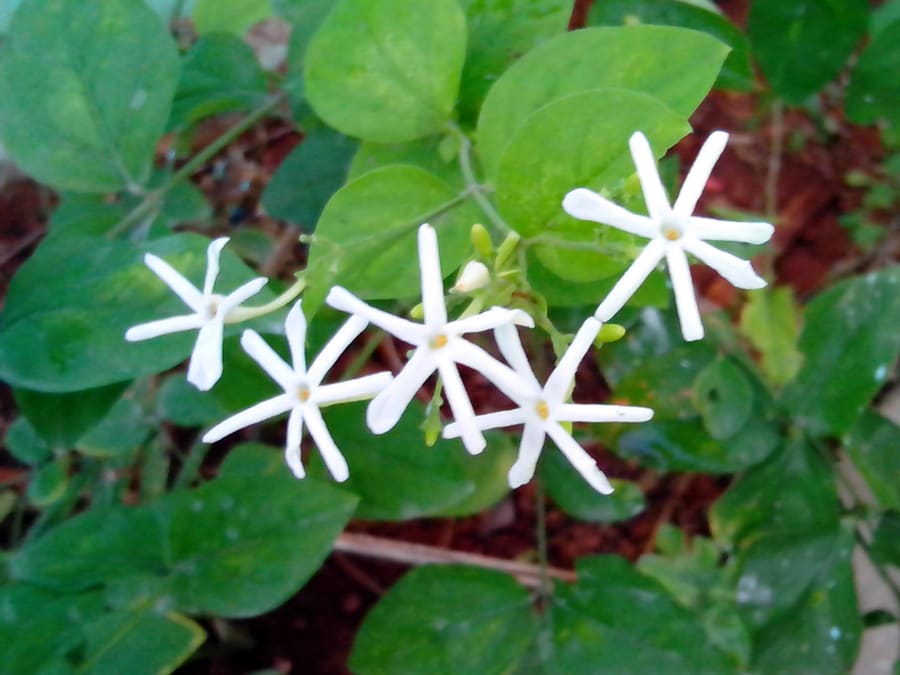 Jasmine (Jasminum grandiflorum)
Jasmine (Jasminum officinale) is a slender evergreen climber, growing up to around 20 ft (6 m), noted for its dark green compound leaves and sweetly scented, tubular white flowers. The blossoms yield a prized essential oil used to lift mood, soothe stress, and care for skin.
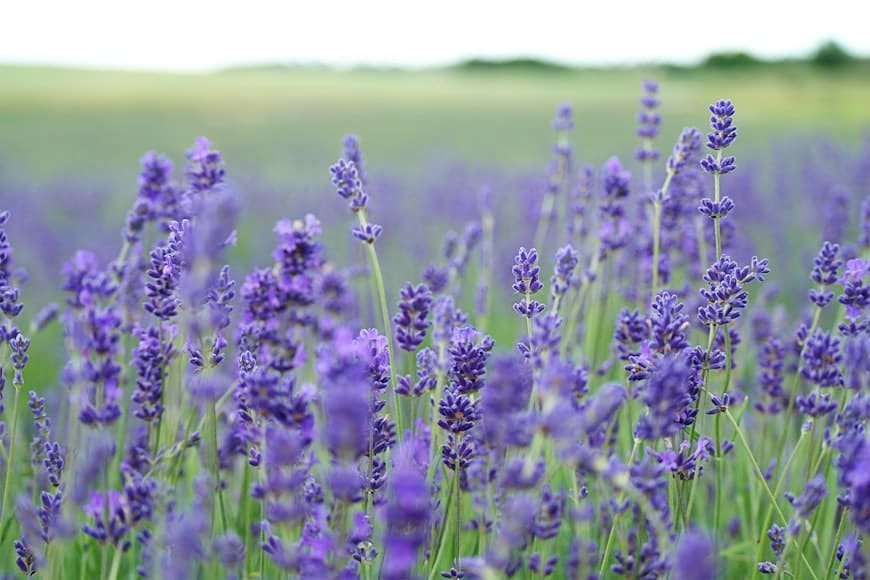 Lavender (Lavandula angustifolia)
Lavender (Lavandula officinalis, also known as L. angustifolia) is a small, perennial shrub that can grow about 3 ft (1 m) high, characterized by its narrow, silver-green leaves and spiked violet-blue flowers. Renowned for its sweet, calming aroma, lavender is a mildly warming, relaxing nervine, helpful in alleviating stress, tension, depression, and headaches. Its essential oil has antifungal properties and is commonly used for burns and other skin inflammations.
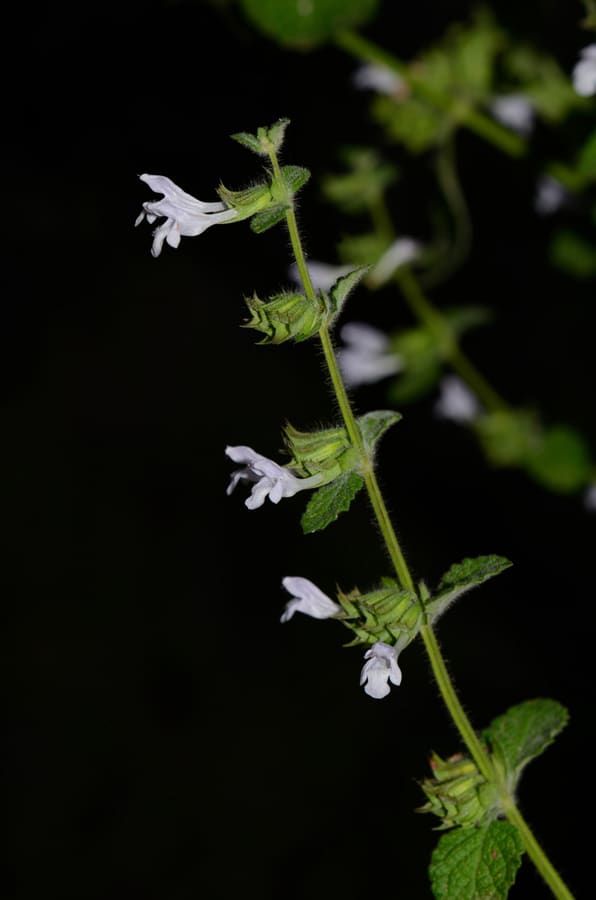 Lemon Balm (Melissa officinalis)
Lemon balm (Melissa officinalis) is a sweetly scented, perennial herb growing up to about 5 ft (1.5 m), with small white flowers and toothed leaves that release a distinct lemon aroma. Traditionally used as a calming herb for stress, insomnia, and mild depression, lemon balm also exhibits notable antiviral properties - especially against herpes simplex.