
Herbs for Pink Eye
4 herbs traditionally used for this condition.
- Eyebright (Euphrasia spp)
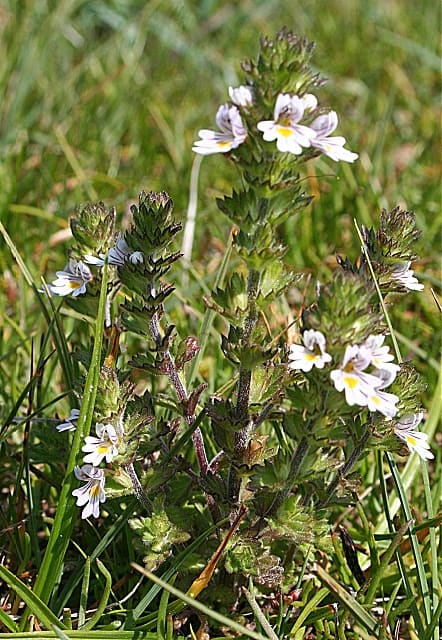
Creeping semi-parasitic annual growing to 20 in (50 cm). Has tiny oval leaves and small scallop-edged white flowers with yellow spots and a black center, somewhat resembling an eye. Eyebright relieves inflammation and tightens mucous membranes and finds specific use in the treatment of conjunctivitis and blepharitis. Its ability to counter mucus means that it is often used for infectious and allergic conditions affecting the eyes, middle ear, sinuses, and nasal passages. Eyebright counters liquid mucus, but it should be used guardedly for dry and stuffy congestion, which tends to be made worse by the plant’s astringency.
- Bilberry (Vaccinium myrtillus)
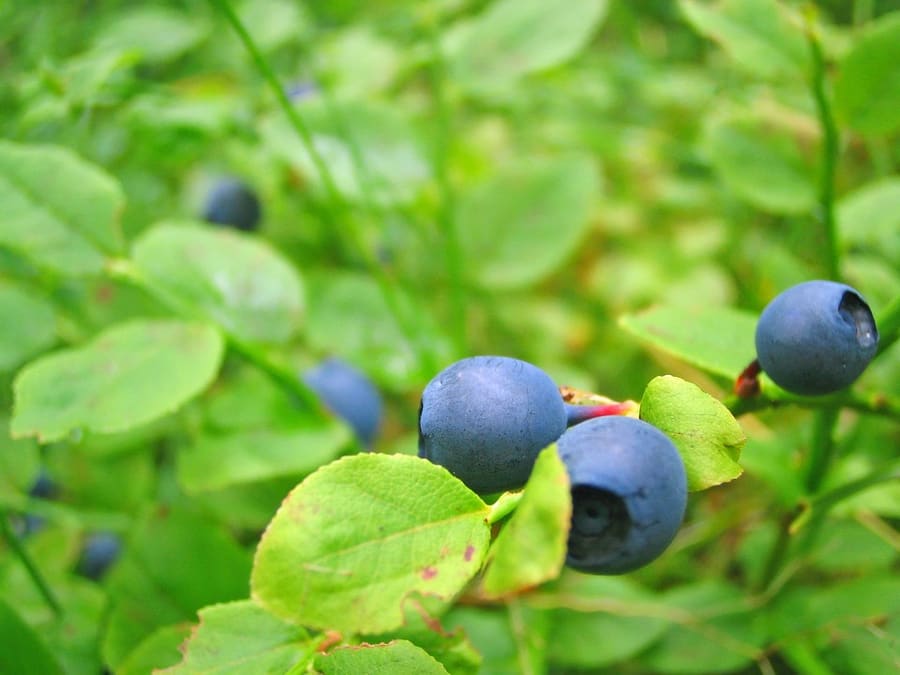
Bilberry (Vaccinium myrtillus) is famous for improving night vision and promoting eye health, largely due to its anthocyanidin content that supports retinal function and strengthens capillaries. It is closely related to the blueberry, and they can be used interchangeably in many cases. Bilberry fruit can help address circulatory issues, particularly in smaller blood vessels.
- Saffron (Crocus sativa)
Saffron (Crocus sativus) is a small perennial (about 1 ft / 30 cm) featuring slender, grasslike leaves and mauve-lilac flowers. Inside each flower are three vivid red-orange stigma—precious, intensely colored threads used both as a spice and a potent medicinal. Despite its high cost, only small amounts are needed for therapeutic benefits, especially for mild depression, PMS, and antioxidant protection.
- Mulberry Leaf (Morus alba)
White mulberry is a deciduous tree cultivated for over 5,000 years, primarily known as the preferred food source for silkworms. The leaves contain flavonoids with antioxidant properties along with vitamins A, B1, B2, and C. In traditional Chinese medicine, mulberry leaves have been valued for their expectorant and fever-reducing properties.