
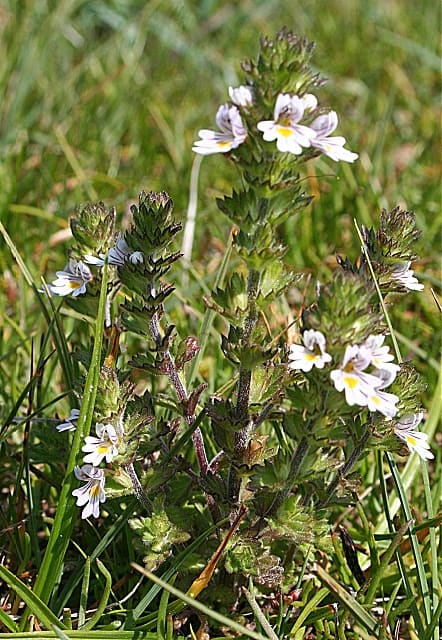
Eyebright (Euphrasia spp)
Photo: © geograph.org.uk contributor · CC BY-SA 2.0
- Head and Neck
- 1 condition
- Licensed photo
Overview
Creeping semi-parasitic annual growing to 20 in (50 cm). Has tiny oval leaves and small scallop-edged white flowers with yellow spots and a black center, somewhat resembling an eye. Eyebright relieves inflammation and tightens mucous membranes and finds specific use in the treatment of conjunctivitis and blepharitis. Its ability to counter mucus means that it is often used for infectious and allergic conditions affecting the eyes, middle ear, sinuses, and nasal passages. Eyebright counters liquid mucus, but it should be used guardedly for dry and stuffy congestion, which tends to be made worse by the plant’s astringency.
Traditional uses & properties
Anti-allergenic, anti-inflammatory, astringent, and ophthalmicum
Traditional preparations
Traditional texts describe the preparations below, and where those texts give specific amounts, the amounts are quoted here as part of that record. This is a record of historical practice, not a dosage recommendation - the figures are what the sources say, not what HerbMate tells you to take. Amounts, potency, and safe use vary enormously by preparation, plant part, and person.
Make an infusion with the herb and strain. When warm (not hot), put in an eyebath and bathe eyes well. Use no more than twice a day.
Safety & precautions
Eyebright tinctures used as eye drops can cause increased eye pressure, redness, watering, and swelling; when using eyebright topically, use the tea.
Drug & food interactions
Interaction data is not available for this herb - talk to a pharmacist before combining it with any medication. A blank entry here means we have not documented interactions, not that none exist.
Habitat
Common in Europe, eyebright thrives in meadows and open grassland. It is gathered in summer when in flower.
Traditionally used for
Each condition shows its first 2 remedies free. Premium opens the full remedy list for every condition - or come back for the free Condition of the Day.
Frequently asked questions
What is Eyebright (Euphrasia spp) traditionally used for?
Traditional sources describe Eyebright (Euphrasia spp) as follows: Anti-allergenic, anti-inflammatory, astringent, and ophthalmicum
How is Eyebright (Euphrasia spp) prepared?
Traditional texts describe the preparations below, and where those texts give specific amounts, the amounts are quoted here as part of that record. This is a record of historical practice, not a dosage recommendation - the figures are what the sources say, not what HerbMate tells you to take. Amounts, potency, and safe use vary enormously by preparation, plant part, and person. Pink Eye: Make an infusion with the herb and strain. When warm (not hot), put in an eyebath and bathe eyes well. Use no more than twice a day.
What safety cautions apply to Eyebright (Euphrasia spp)?
Eyebright tinctures used as eye drops can cause increased eye pressure, redness, watering, and swelling; when using eyebright topically, use the tea.
Related herbs
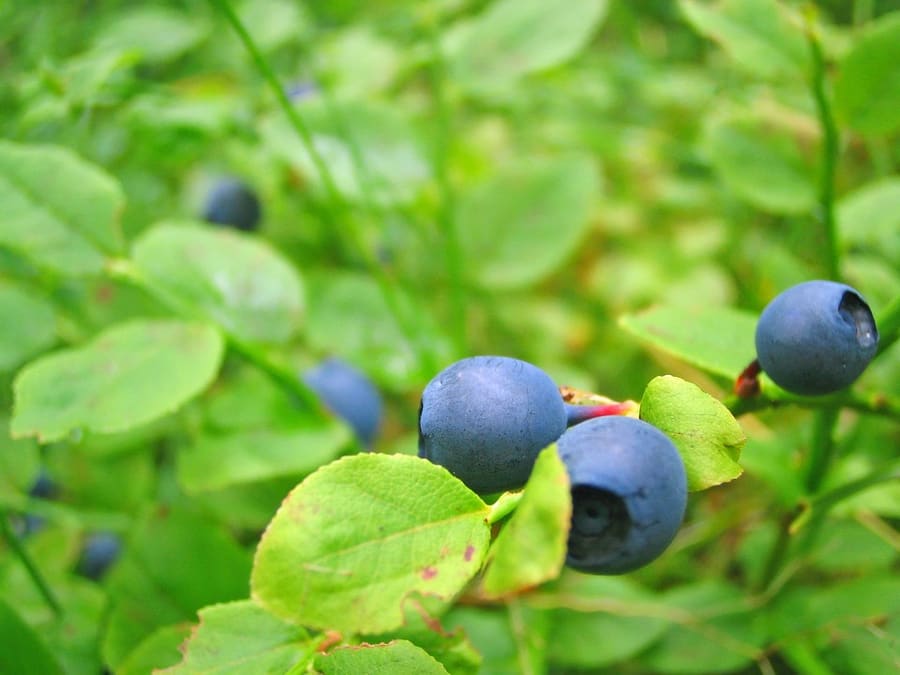 Bilberry (Vaccinium myrtillus)
Bilberry (Vaccinium myrtillus) is famous for improving night vision and promoting eye health, largely due to its anthocyanidin content that supports retinal function and strengthens capillaries. It is closely related to the blueberry, and they can be used interchangeably in many cases. Bilberry fruit can help address circulatory issues, particularly in smaller blood vessels.
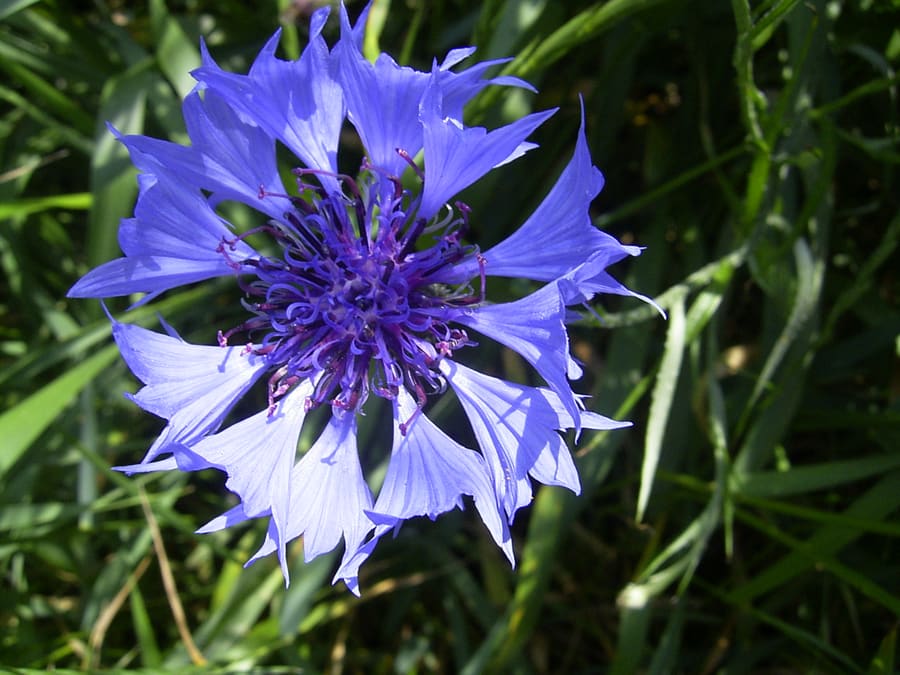 Cornflower (Centaurea cyanus)
Cornflower (Centaurea cyanus) is an annual or biennial plant reaching about 3 ft (90 cm). It has multiple branching stems, a rosette of lower leaves, and striking sky-blue flower heads that bloom in summer. Historically, cornflower gained a reputation for treating eye conditions (the infusion was strained and used as an eyewash), though modern evidence of its efficacy is limited. It is sometimes used as a mild bitter tonic to support digestion.
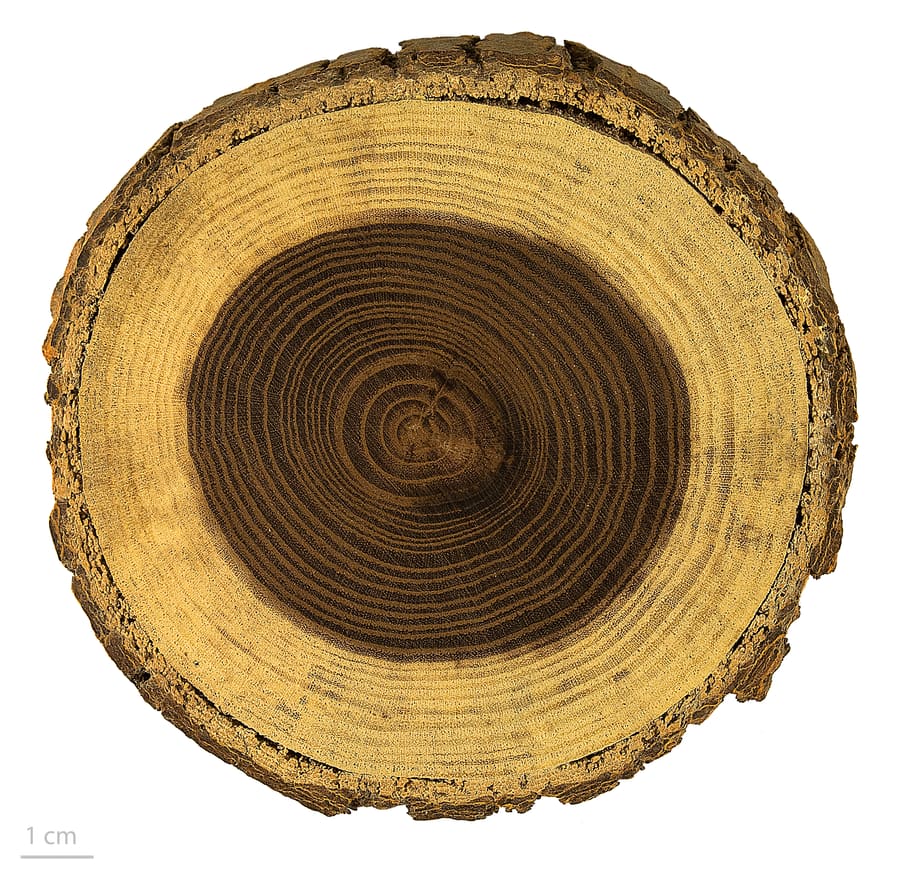 Mulberry Leaf (Morus alba)
White mulberry is a deciduous tree cultivated for over 5,000 years, primarily known as the preferred food source for silkworms. The leaves contain flavonoids with antioxidant properties along with vitamins A, B1, B2, and C. In traditional Chinese medicine, mulberry leaves have been valued for their expectorant and fever-reducing properties.
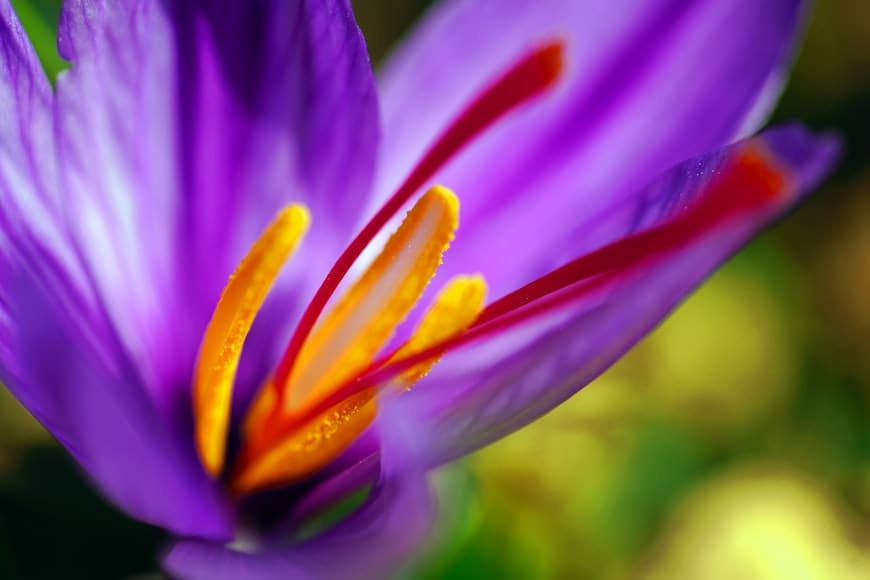 Saffron (Crocus sativa)
Saffron (Crocus sativus) is a small perennial (about 1 ft / 30 cm) featuring slender, grasslike leaves and mauve-lilac flowers. Inside each flower are three vivid red-orange stigma - precious, intensely colored threads used both as a spice and a potent medicinal. Despite its high cost, only small amounts are needed for therapeutic benefits, especially for mild depression, PMS, and antioxidant protection.