
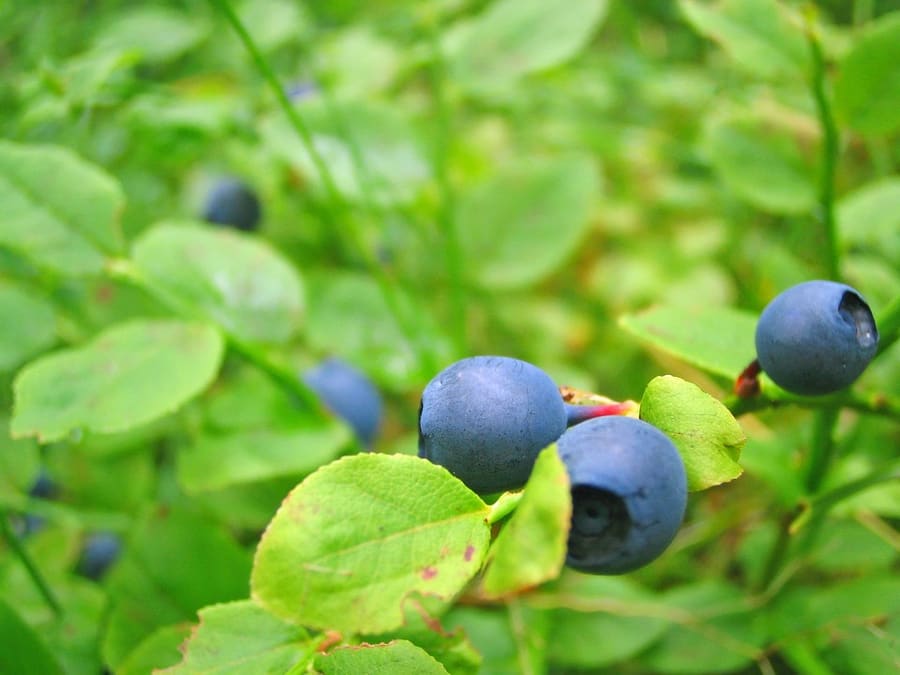
Bilberry (Vaccinium myrtillus)
Photo: Pixabay
- Head and Neck
- 3 conditions
- Licensed photo
Overview
Bilberry (Vaccinium myrtillus) is famous for improving night vision and promoting eye health, largely due to its anthocyanidin content that supports retinal function and strengthens capillaries. It is closely related to the blueberry, and they can be used interchangeably in many cases. Bilberry fruit can help address circulatory issues, particularly in smaller blood vessels.
Traditional uses & properties
Eye & Vision Support: Proven benefits for night vision and may be helpful for macular degeneration, retinopathy, and other eye conditions, partly through enhanced microcirculation. Vascular Tonic & Anti-inflammatory: Improves capillary function, which may aid conditions like varicose veins, hemorrhoids, Raynaud’s disease, and other circulatory issues. Antioxidant & Astringent: Bilberry fruit and leaves contain potent antioxidants that help protect tissues from damage and have mild laxative as well as antibacterial effects. Urinary Antiseptic (Leaves): The leaves, with their antiseptic properties, have been used traditionally for cystitis and other urinary tract infections. Potential Antidiabetic Actions: Both leaves and fruit may help stabilize blood sugar levels or assist with pre-diabetic states.
Traditional preparations
Traditional texts describe the preparations below, and where those texts give specific amounts, the amounts are quoted here as part of that record. This is a record of historical practice, not a dosage recommendation - the figures are what the sources say, not what HerbMate tells you to take. Amounts, potency, and safe use vary enormously by preparation, plant part, and person.
The fresh berries can be eaten daily to help heal eye irritations.
Take up to four 500 mg capsules daily to improve circulation within the eye.
Safety & precautions
Leaves (Long-Term Use): Extended consumption of bilberry leaves in high amounts may cause gastric irritation or kidney issues, though normal usage has a history of safety. Blood Thinners: If you take anticoagulant medication or have a bleeding disorder, consult a qualified professional before using bilberry in medicinal doses.
Drug & food interactions
Interaction data is not available for this herb - talk to a pharmacist before combining it with any medication. A blank entry here means we have not documented interactions, not that none exist.
Habitat
The plant grows in moist heaths, moors, and forest undergrowth throughout the temperate northern hemisphere - Asia, Europe, and North America. It is cultivated worldwide, usually from seeds or cuttings. The leaves are gathered in summer, while the berries ripen in late summer or early autumn.
Traditionally used for
Each condition shows its first 2 remedies free. Premium opens the full remedy list for every condition - or come back for the free Condition of the Day.
Frequently asked questions
What is Bilberry (Vaccinium myrtillus) traditionally used for?
Traditional sources describe Bilberry (Vaccinium myrtillus) as follows: Eye & Vision Support: Proven benefits for night vision and may be helpful for macular degeneration, retinopathy, and other eye conditions, partly through enhanced microcirculation. Vascular Tonic & Anti-inflammatory: Improves capillary function, which may aid conditions like varicose veins, hemorrhoids, Raynaud’s disease, and other circulatory issues. Antioxidant & Astringent: Bilberry fruit and leaves contain potent antioxidants that help protect tissues from damage and have mild laxative as well as antibacterial effects. Urinary Antiseptic (Leaves): The leaves, with their antiseptic properties, have been used traditionally for cystitis and other urinary tract infections. Potential Antidiabetic Actions: Both leaves and fruit may help stabilize blood sugar levels or assist with pre-diabetic states.
How is Bilberry (Vaccinium myrtillus) prepared?
Traditional texts describe the preparations below, and where those texts give specific amounts, the amounts are quoted here as part of that record. This is a record of historical practice, not a dosage recommendation - the figures are what the sources say, not what HerbMate tells you to take. Amounts, potency, and safe use vary enormously by preparation, plant part, and person. Pink Eye: The fresh berries can be eaten daily to help heal eye irritations. Blurred Vision: Take up to four 500 mg capsules daily to improve circulation within the eye.
What safety cautions apply to Bilberry (Vaccinium myrtillus)?
Leaves (Long-Term Use): Extended consumption of bilberry leaves in high amounts may cause gastric irritation or kidney issues, though normal usage has a history of safety. Blood Thinners: If you take anticoagulant medication or have a bleeding disorder, consult a qualified professional before using bilberry in medicinal doses.
Related herbs
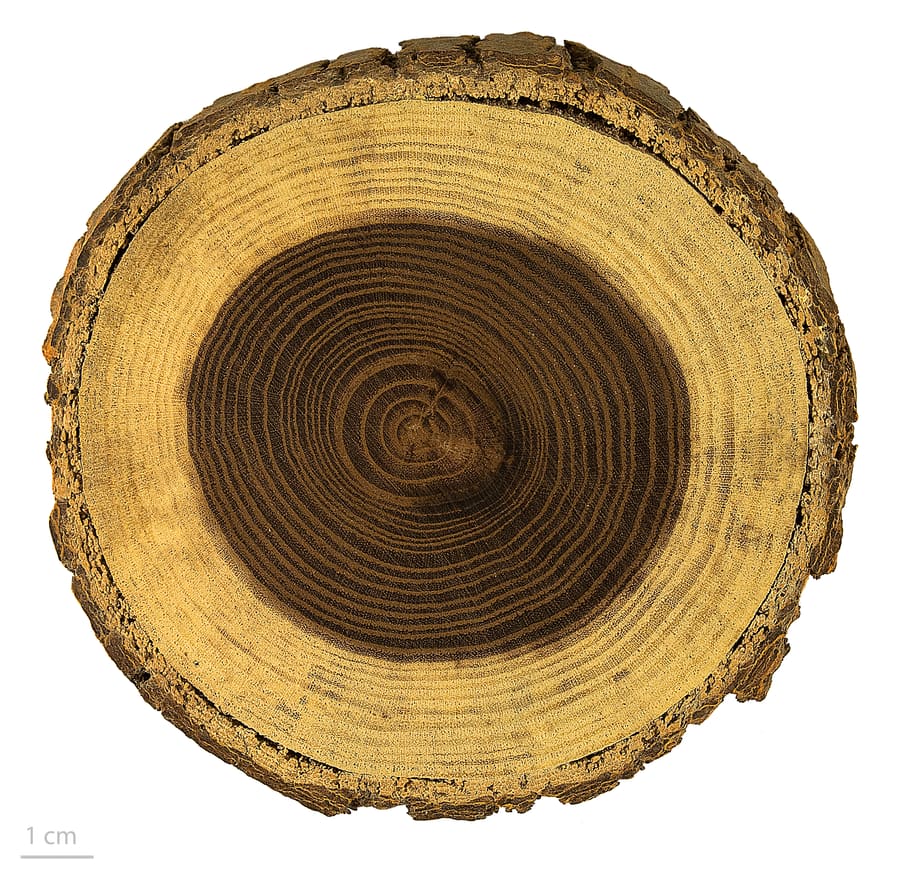 Mulberry Leaf (Morus alba)
White mulberry is a deciduous tree cultivated for over 5,000 years, primarily known as the preferred food source for silkworms. The leaves contain flavonoids with antioxidant properties along with vitamins A, B1, B2, and C. In traditional Chinese medicine, mulberry leaves have been valued for their expectorant and fever-reducing properties.
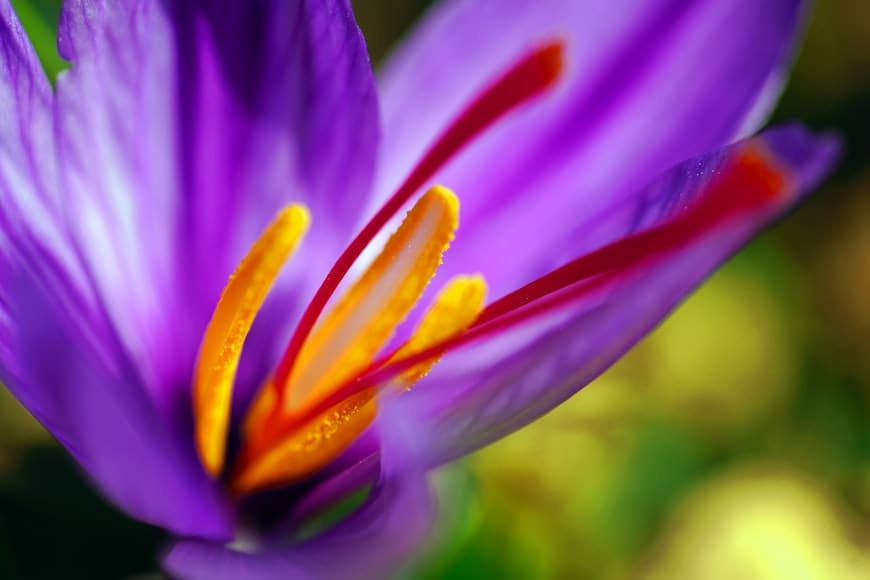 Saffron (Crocus sativa)
Saffron (Crocus sativus) is a small perennial (about 1 ft / 30 cm) featuring slender, grasslike leaves and mauve-lilac flowers. Inside each flower are three vivid red-orange stigma - precious, intensely colored threads used both as a spice and a potent medicinal. Despite its high cost, only small amounts are needed for therapeutic benefits, especially for mild depression, PMS, and antioxidant protection.
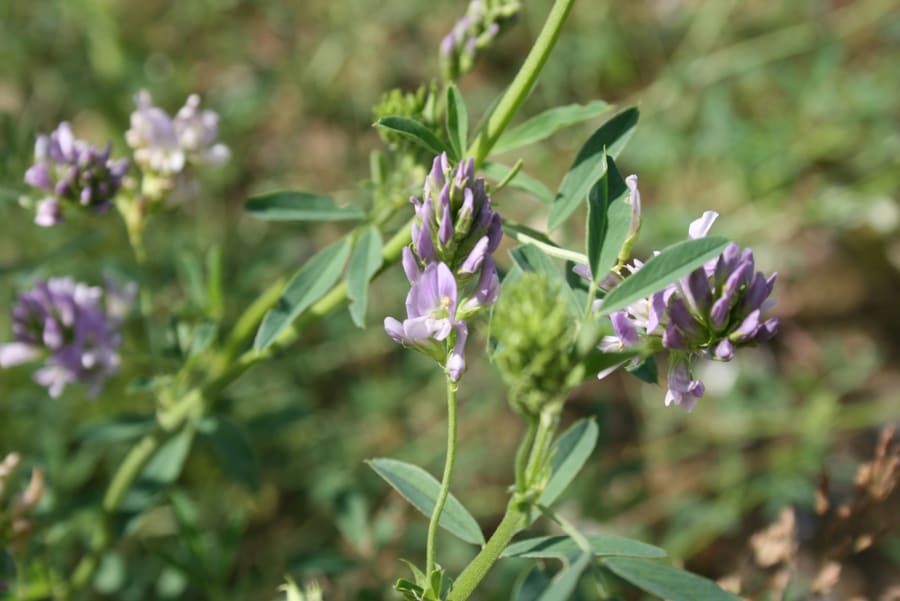 Alfalfa (Medicago sativa)
Alfalfa is a perennial herb that can grow to about 32 in (80 cm). It produces trifoliate leaves, flowers ranging from yellow to violet-blue, and spiraling seed pods. It has been called the “king of herbs,” with roots that can extend many feet into the ground to draw up minerals.
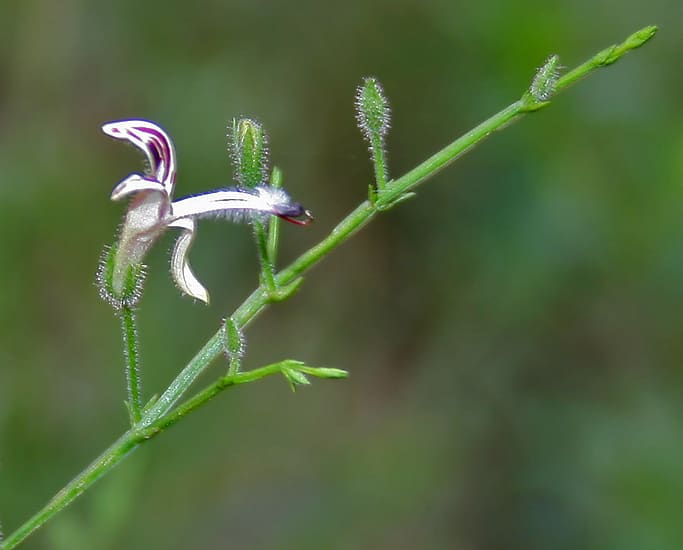 Andrographis (Andrographis paniculata)
Andrographis, commonly known as Green Chiretta or King of Bitters, is an upright annual herb reaching approximately 3 feet in height. Native to India and cultivated throughout northern regions of India and China, this bitter medicinal plant has been valued in Ayurvedic and traditional Chinese medicine for centuries. Historically used primarily for liver support and treating infections - especially malaria - it has earned recognition for its powerful immune-boosting and protective properties. The plant thrives on plains and in forest undergrowth, where its spotted pale brown or purple flowers and long seed capsules distinguish it from other medicinal herbs.
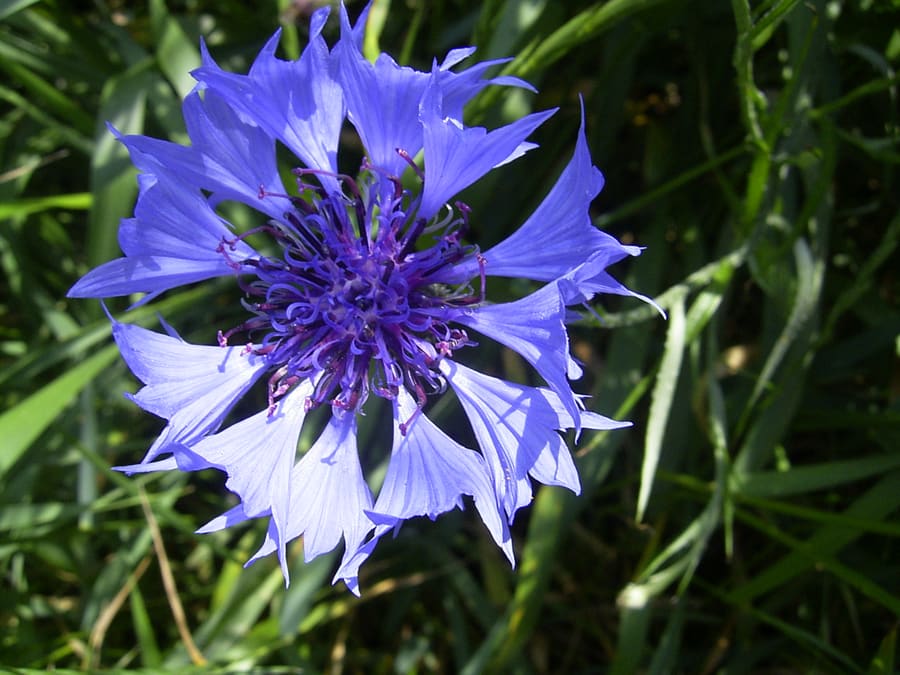 Cornflower (Centaurea cyanus)
Cornflower (Centaurea cyanus) is an annual or biennial plant reaching about 3 ft (90 cm). It has multiple branching stems, a rosette of lower leaves, and striking sky-blue flower heads that bloom in summer. Historically, cornflower gained a reputation for treating eye conditions (the infusion was strained and used as an eyewash), though modern evidence of its efficacy is limited. It is sometimes used as a mild bitter tonic to support digestion.
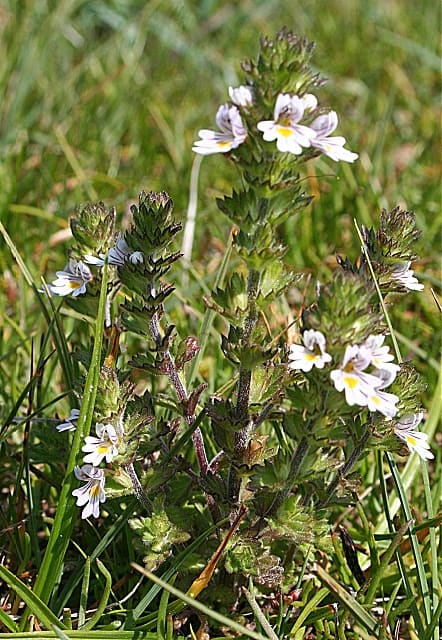 Eyebright (Euphrasia spp)
Creeping semi-parasitic annual growing to 20 in (50 cm). Has tiny oval leaves and small scallop-edged white flowers with yellow spots and a black center, somewhat resembling an eye. Eyebright relieves inflammation and tightens mucous membranes and finds specific use in the treatment of conjunctivitis and blepharitis. Its ability to counter mucus means that it is often used for infectious and allergic conditions affecting the eyes, middle ear, sinuses, and nasal passages. Eyebright counters liquid mucus, but it should be used guardedly for dry and stuffy congestion, which tends to be made worse by the plant’s astringency.
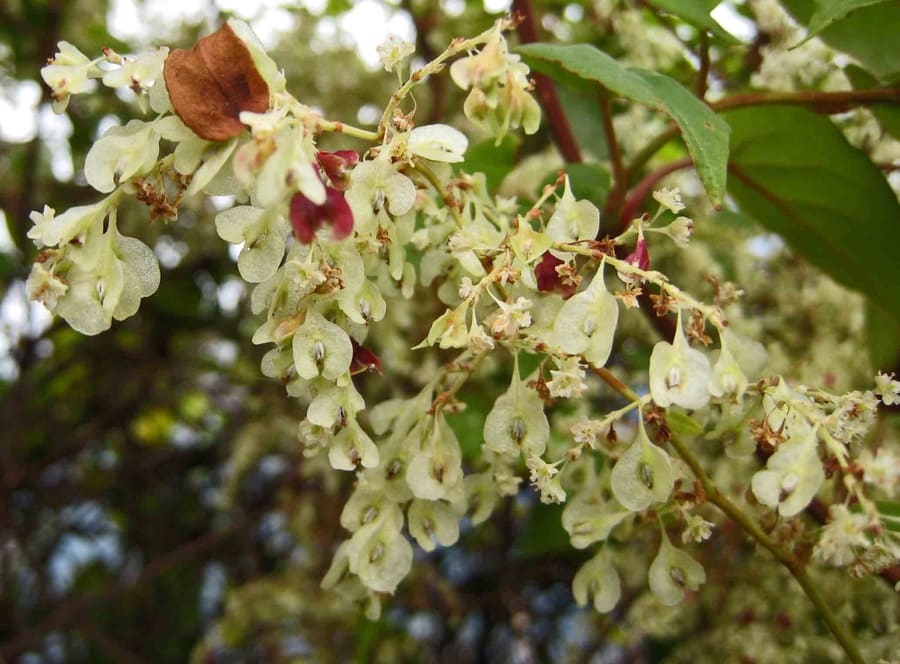 Fo Ti (Polygonum multiflorum)
Fo ti (Polygonum multiflorum), also known as he shou wu, is a perennial vine prized in Traditional Chinese Medicine (TCM) as a major longevity and rejuvenating tonic. Its root is revered for balancing qi (vital energy), tonifying the liver and kidneys, and potentially reversing signs of premature aging, including gray hair.
 Goldenrod (Solidago virgaurea)
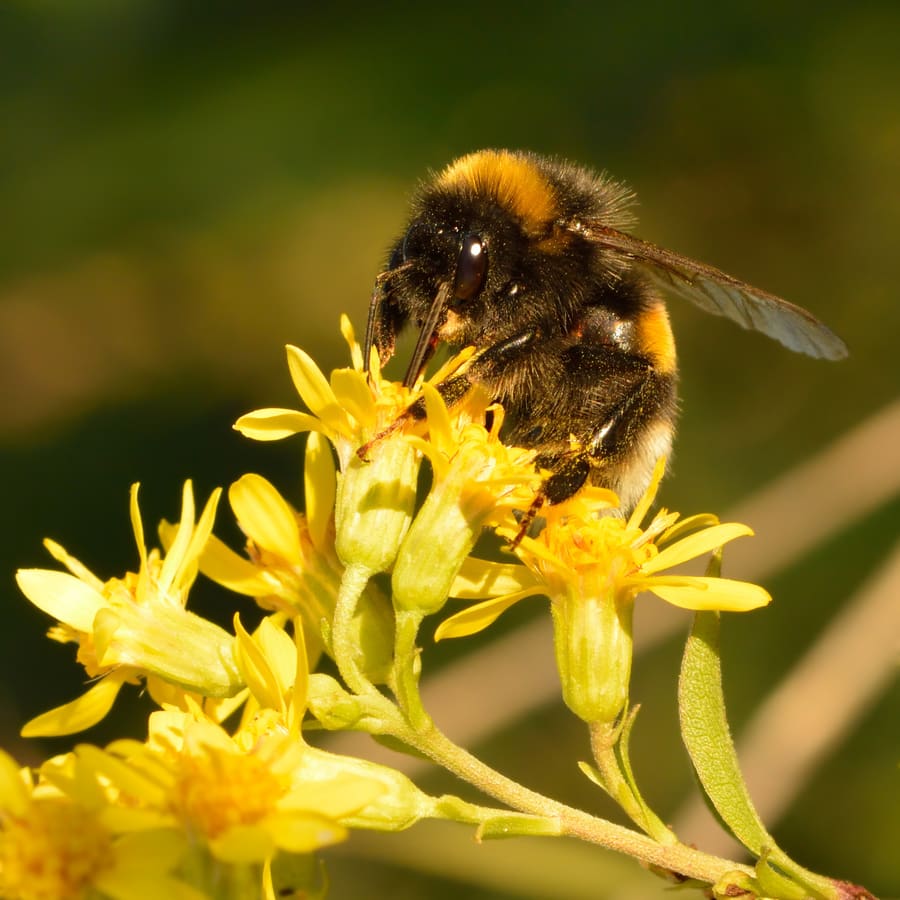
Goldenrod is a perennial plant growing to 28 inches with toothed leaves and branched spikes of golden-yellow flowers. Native to Europe and Asia and naturalized in North America, it prefers open areas and hillsides and is gathered in summer while in flower. The herbalist John Gerard commented wryly in 1597 about how goldenrod's value plummeted once it was discovered growing locally in Hampstead wood, London, noting society's tendency to esteem things only while they remain rare and foreign. Four hundred years later, this observation still rings true, though the herb's genuine therapeutic value remains unchanged.