
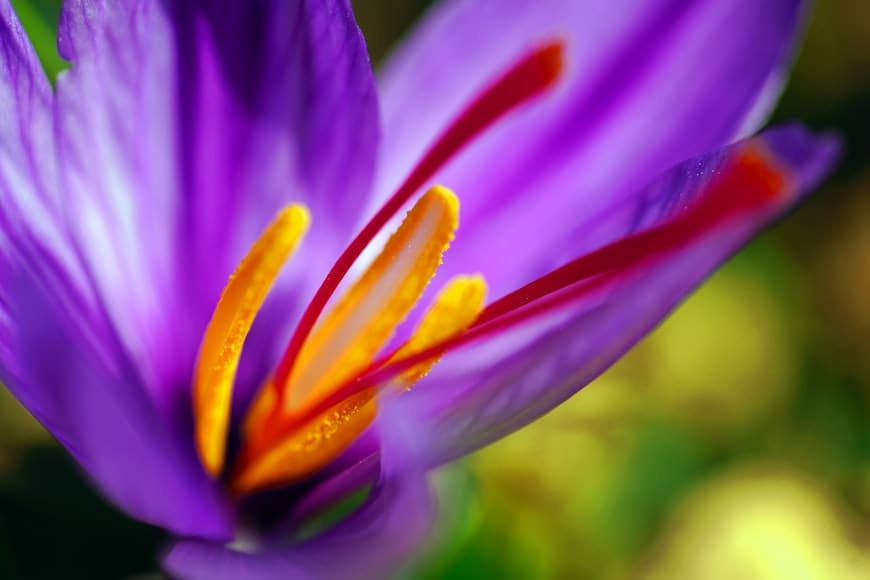
Saffron (Crocus sativa)
Photo: Unsplash
- Head and Neck
- 3 conditions
- Licensed photo
Overview
Saffron (Crocus sativus) is a small perennial (about 1 ft / 30 cm) featuring slender, grasslike leaves and mauve-lilac flowers. Inside each flower are three vivid red-orange stigma - precious, intensely colored threads used both as a spice and a potent medicinal. Despite its high cost, only small amounts are needed for therapeutic benefits, especially for mild depression, PMS, and antioxidant protection.
Traditional uses & properties
Antidepressant & Mood Elevator: Clinical trials show efficacy similar to certain conventional antidepressants for mild to moderate depression. Antioxidant & Anti-Inflammatory: High carotenoid (crocins) content helps reduce inflammation, protect cells, and may support eye health (macular degeneration). Potential Cognitive Aid: Research suggests improved memory and potential benefit in mild Alzheimer’s disease. Digestive & Menstrual Support: Traditional usage includes mild carminative effect and as a remedy for some menstrual complaints.
Traditional preparations
Traditional texts describe the preparations below, and where those texts give specific amounts, the amounts are quoted here as part of that record. This is a record of historical practice, not a dosage recommendation - the figures are what the sources say, not what HerbMate tells you to take. Amounts, potency, and safe use vary enormously by preparation, plant part, and person.
Dried herb (1:10, 40% alcohol); best made by percolation; 5-20 drops 3 times daily
How these are made
Safety & precautions
Pregnancy: Avoid medicinal doses (risk of miscarriage). Toxicity: Large amounts can be poisonous; stick to small, recommended doses. Adulteration: Saffron is frequently adulterated; purchase from reputable suppliers.
Drug & food interactions
Interaction data is not available for this herb - talk to a pharmacist before combining it with any medication. A blank entry here means we have not documented interactions, not that none exist.
Habitat
Originating in the Middle East, saffron grows best in sunny, well-drained soils. Major production occurs in Iran, with smaller but notable cultivation in Spain, Greece, and parts of India. Stigma are carefully picked by hand in autumn, making harvesting labor-intensive.
Traditionally used for
Each condition shows its first 2 remedies free. Premium opens the full remedy list for every condition - or come back for the free Condition of the Day.
Frequently asked questions
What is Saffron (Crocus sativa) traditionally used for?
Traditional sources describe Saffron (Crocus sativa) as follows: Antidepressant & Mood Elevator: Clinical trials show efficacy similar to certain conventional antidepressants for mild to moderate depression. Antioxidant & Anti-Inflammatory: High carotenoid (crocins) content helps reduce inflammation, protect cells, and may support eye health (macular degeneration). Potential Cognitive Aid: Research suggests improved memory and potential benefit in mild Alzheimer’s disease. Digestive & Menstrual Support: Traditional usage includes mild carminative effect and as a remedy for some menstrual complaints.
How is Saffron (Crocus sativa) prepared?
Traditional texts describe the preparations below, and where those texts give specific amounts, the amounts are quoted here as part of that record. This is a record of historical practice, not a dosage recommendation - the figures are what the sources say, not what HerbMate tells you to take. Amounts, potency, and safe use vary enormously by preparation, plant part, and person. TINCTURE: Dried herb (1:10, 40% alcohol); best made by percolation; 5-20 drops 3 times daily
What safety cautions apply to Saffron (Crocus sativa)?
Pregnancy: Avoid medicinal doses (risk of miscarriage). Toxicity: Large amounts can be poisonous; stick to small, recommended doses. Adulteration: Saffron is frequently adulterated; purchase from reputable suppliers.
Related herbs
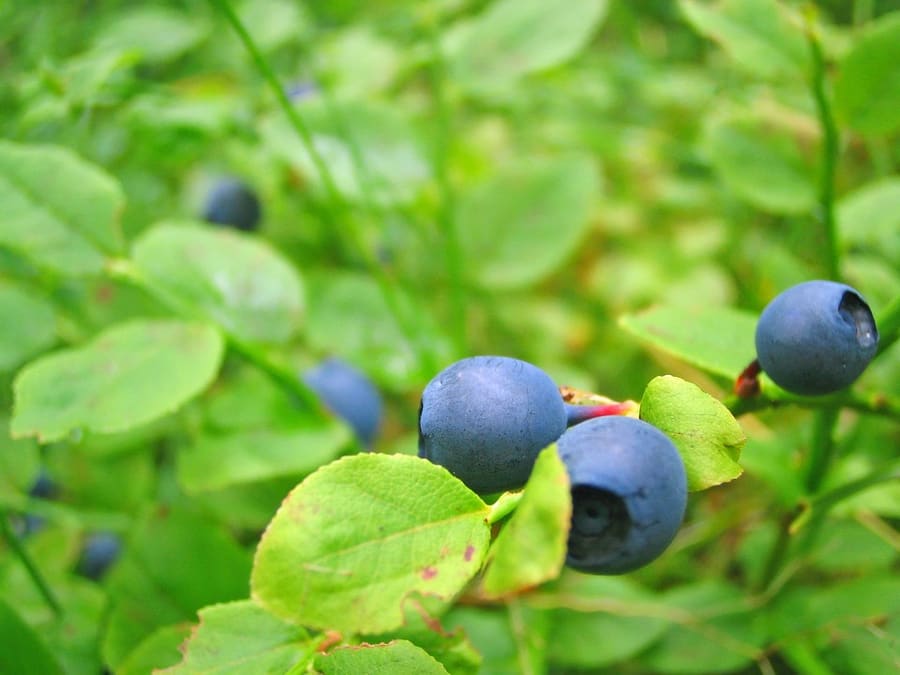 Bilberry (Vaccinium myrtillus)
Bilberry (Vaccinium myrtillus) is famous for improving night vision and promoting eye health, largely due to its anthocyanidin content that supports retinal function and strengthens capillaries. It is closely related to the blueberry, and they can be used interchangeably in many cases. Bilberry fruit can help address circulatory issues, particularly in smaller blood vessels.
- Cardamom (Eletteria cardamomum)
Cardamom is an aromatic spice long prized for its fragrant, pungent taste. In Ayurvedic medicine, it has been used for digestive complaints - soothing indigestion, gas, and cramping - and is sometimes employed for respiratory conditions and kidney ailments. Cardamom has a centuries-old reputation as an aphrodisiac and is also believed to help relieve stress and depression when prepared in a mild infusion. Thanks to its agreeable flavor, cardamom is often added to herbal formulas to improve taste.
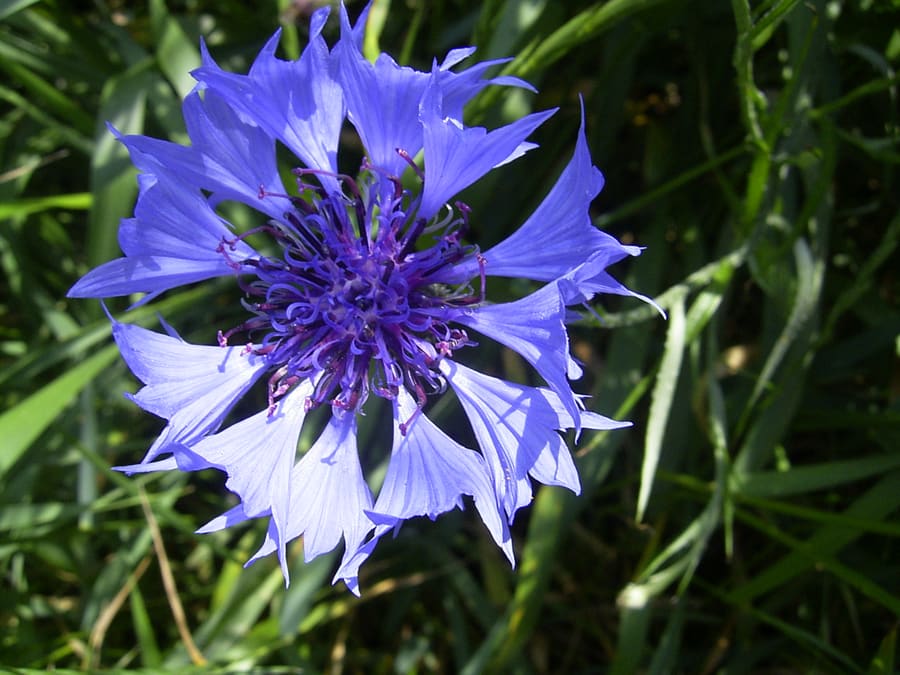 Cornflower (Centaurea cyanus)
Cornflower (Centaurea cyanus) is an annual or biennial plant reaching about 3 ft (90 cm). It has multiple branching stems, a rosette of lower leaves, and striking sky-blue flower heads that bloom in summer. Historically, cornflower gained a reputation for treating eye conditions (the infusion was strained and used as an eyewash), though modern evidence of its efficacy is limited. It is sometimes used as a mild bitter tonic to support digestion.
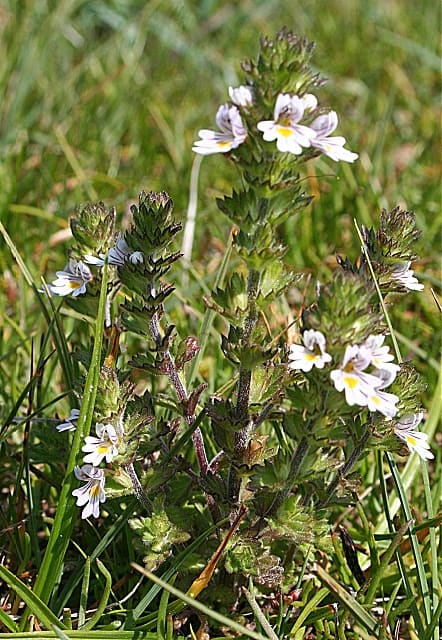 Eyebright (Euphrasia spp)
Creeping semi-parasitic annual growing to 20 in (50 cm). Has tiny oval leaves and small scallop-edged white flowers with yellow spots and a black center, somewhat resembling an eye. Eyebright relieves inflammation and tightens mucous membranes and finds specific use in the treatment of conjunctivitis and blepharitis. Its ability to counter mucus means that it is often used for infectious and allergic conditions affecting the eyes, middle ear, sinuses, and nasal passages. Eyebright counters liquid mucus, but it should be used guardedly for dry and stuffy congestion, which tends to be made worse by the plant’s astringency.
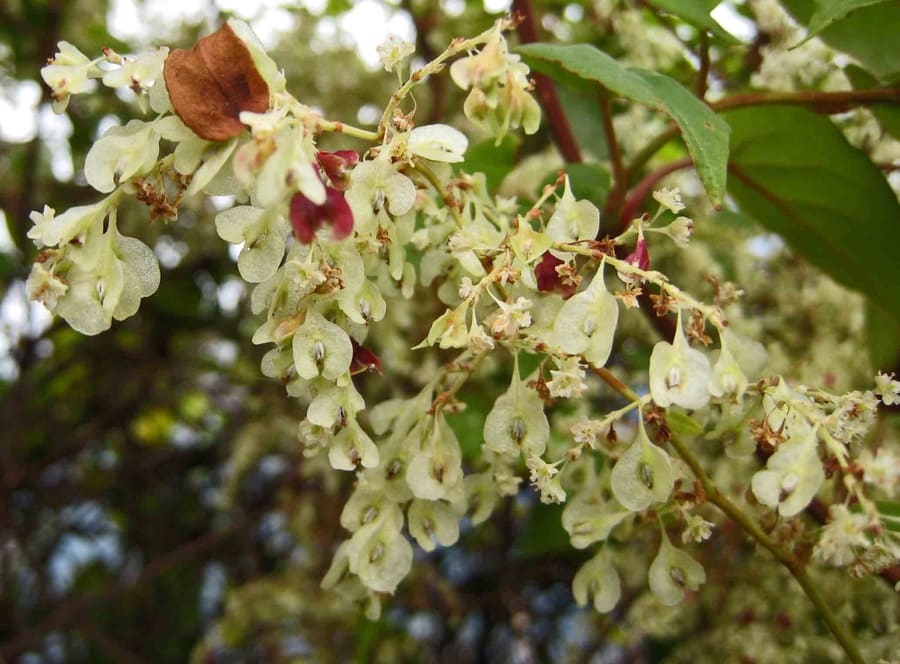 Fo Ti (Polygonum multiflorum)
Fo ti (Polygonum multiflorum), also known as he shou wu, is a perennial vine prized in Traditional Chinese Medicine (TCM) as a major longevity and rejuvenating tonic. Its root is revered for balancing qi (vital energy), tonifying the liver and kidneys, and potentially reversing signs of premature aging, including gray hair.
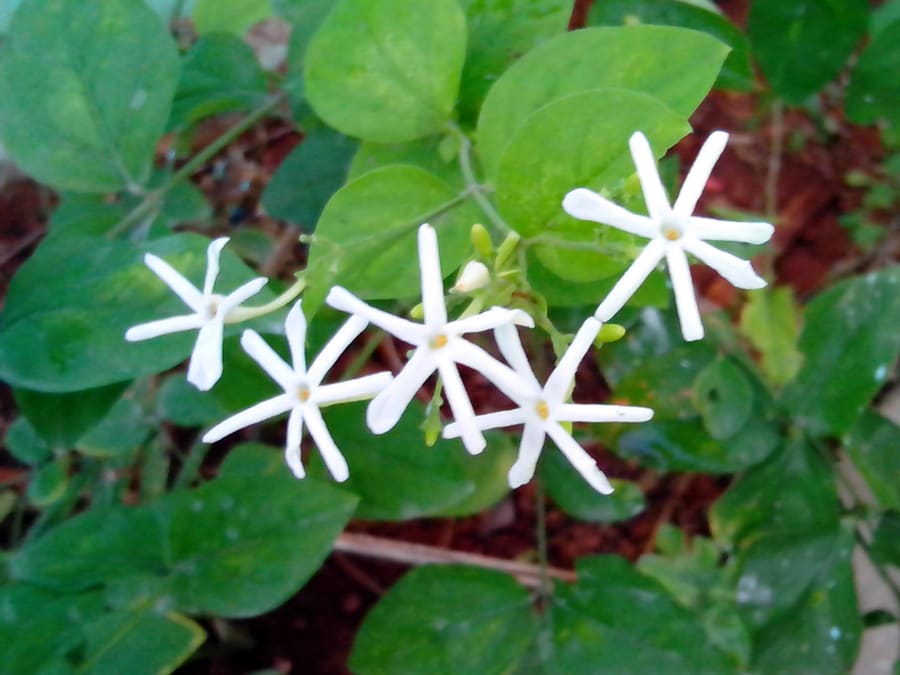 Jasmine (Jasminum grandiflorum)
Jasmine (Jasminum officinale) is a slender evergreen climber, growing up to around 20 ft (6 m), noted for its dark green compound leaves and sweetly scented, tubular white flowers. The blossoms yield a prized essential oil used to lift mood, soothe stress, and care for skin.
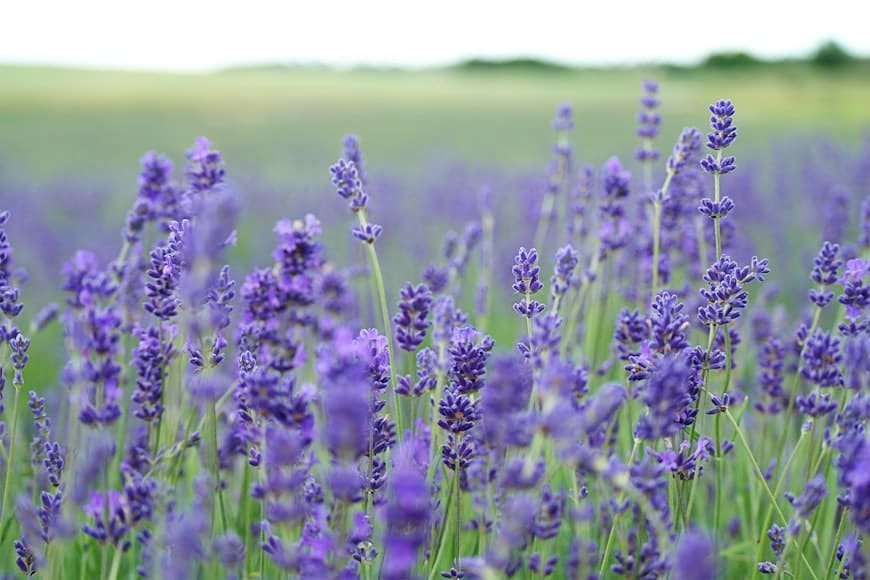 Lavender (Lavandula angustifolia)
Lavender (Lavandula officinalis, also known as L. angustifolia) is a small, perennial shrub that can grow about 3 ft (1 m) high, characterized by its narrow, silver-green leaves and spiked violet-blue flowers. Renowned for its sweet, calming aroma, lavender is a mildly warming, relaxing nervine, helpful in alleviating stress, tension, depression, and headaches. Its essential oil has antifungal properties and is commonly used for burns and other skin inflammations.
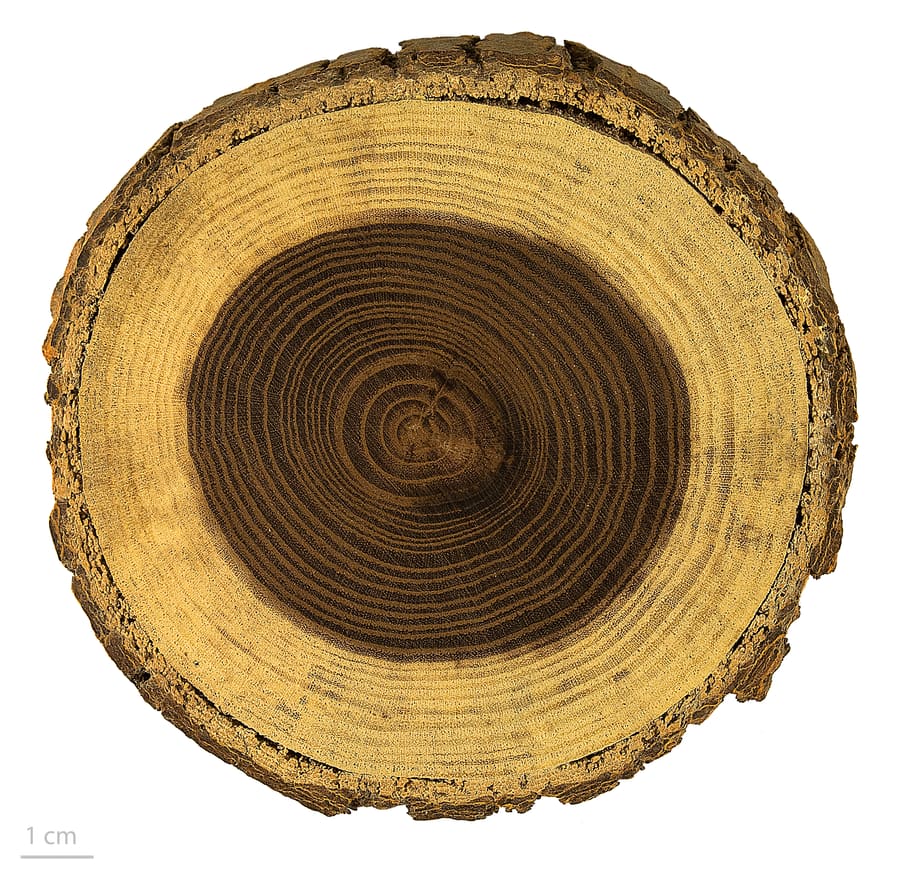 Mulberry Leaf (Morus alba)
White mulberry is a deciduous tree cultivated for over 5,000 years, primarily known as the preferred food source for silkworms. The leaves contain flavonoids with antioxidant properties along with vitamins A, B1, B2, and C. In traditional Chinese medicine, mulberry leaves have been valued for their expectorant and fever-reducing properties.