
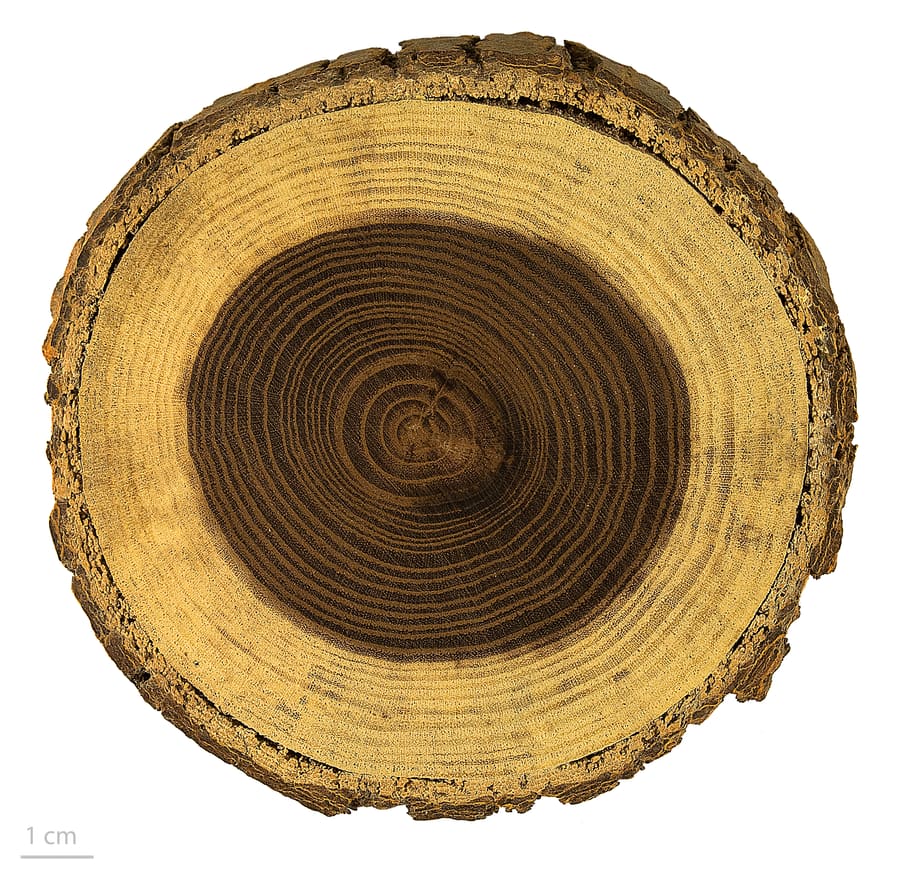
Mulberry Leaf (Morus alba)
Photo: Roger Culos · CC BY-SA 3.0
- General
- 5 conditions
- Licensed photo
Overview
White mulberry is a deciduous tree cultivated for over 5,000 years, primarily known as the preferred food source for silkworms. The leaves contain flavonoids with antioxidant properties along with vitamins A, B1, B2, and C. In traditional Chinese medicine, mulberry leaves have been valued for their expectorant and fever-reducing properties.
Traditional uses & properties
Mulberry leaves support respiratory health by helping to loosen and expel phlegm, making them useful for treating coughs. They are traditionally used to address fever, inflamed or sore eyes, sore throat, headache, dizziness, and vertigo. The leaves demonstrate antioxidant activity through their flavonoid content.
Traditional preparations
Traditional texts describe the preparations below, and where those texts give specific amounts, the amounts are quoted here as part of that record. This is a record of historical practice, not a dosage recommendation - the figures are what the sources say, not what HerbMate tells you to take. Amounts, potency, and safe use vary enormously by preparation, plant part, and person.
The leaves are typically prepared as a decoction or tea. Specific dosage should be determined based on individual needs and professional guidance.
Safety & precautions
No specific warnings noted in the source material. As with any herbal remedy, consult a healthcare provider before use, especially if pregnant, nursing, or taking medications.
Drug & food interactions
Interaction data is not available for this herb - talk to a pharmacist before combining it with any medication. A blank entry here means we have not documented interactions, not that none exist.
Habitat
Native to China and now grown worldwide as a garden ornamental. The leaves are gathered in late autumn, twigs in early summer, berries when ripe in summer, and the root is harvested in winter.
Traditionally used for
- Fever11 herbs · 2 free
- Pink Eye5 herbs · 2 free
- Strep Throat10 herbs · 2 free
- Vertigo4 herbs · 2 free
- Cold and Flu16 herbs · 2 free
Each condition shows its first 2 remedies free. Premium opens the full remedy list for every condition - or come back for the free Condition of the Day.
Frequently asked questions
What is Mulberry Leaf (Morus alba) traditionally used for?
Traditional sources describe Mulberry Leaf (Morus alba) as follows: Mulberry leaves support respiratory health by helping to loosen and expel phlegm, making them useful for treating coughs. They are traditionally used to address fever, inflamed or sore eyes, sore throat, headache, dizziness, and vertigo. The leaves demonstrate antioxidant activity through their flavonoid content.
How is Mulberry Leaf (Morus alba) prepared?
Traditional texts describe the preparations below, and where those texts give specific amounts, the amounts are quoted here as part of that record. This is a record of historical practice, not a dosage recommendation - the figures are what the sources say, not what HerbMate tells you to take. Amounts, potency, and safe use vary enormously by preparation, plant part, and person. The leaves are typically prepared as a decoction or tea. Specific dosage should be determined based on individual needs and professional guidance.
What safety cautions apply to Mulberry Leaf (Morus alba)?
No specific warnings noted in the source material. As with any herbal remedy, consult a healthcare provider before use, especially if pregnant, nursing, or taking medications.
Related herbs
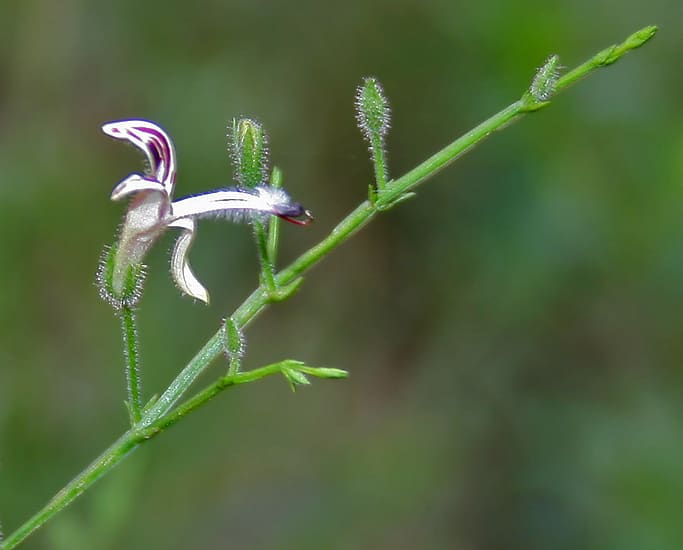 Andrographis (Andrographis paniculata)
Andrographis, commonly known as Green Chiretta or King of Bitters, is an upright annual herb reaching approximately 3 feet in height. Native to India and cultivated throughout northern regions of India and China, this bitter medicinal plant has been valued in Ayurvedic and traditional Chinese medicine for centuries. Historically used primarily for liver support and treating infections - especially malaria - it has earned recognition for its powerful immune-boosting and protective properties. The plant thrives on plains and in forest undergrowth, where its spotted pale brown or purple flowers and long seed capsules distinguish it from other medicinal herbs.
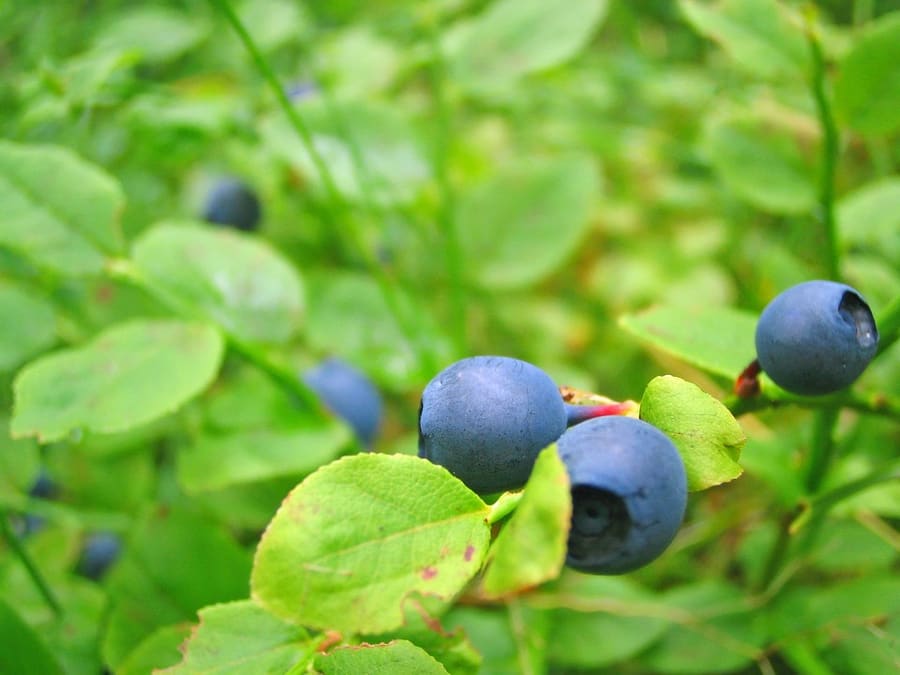 Bilberry (Vaccinium myrtillus)
Bilberry (Vaccinium myrtillus) is famous for improving night vision and promoting eye health, largely due to its anthocyanidin content that supports retinal function and strengthens capillaries. It is closely related to the blueberry, and they can be used interchangeably in many cases. Bilberry fruit can help address circulatory issues, particularly in smaller blood vessels.
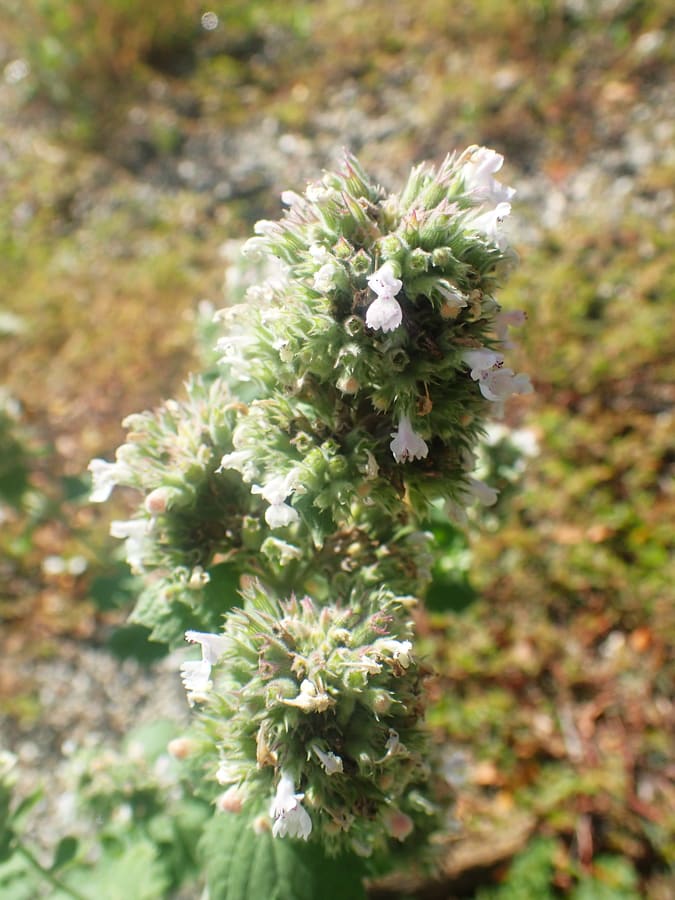 Catnip (Nepeta cataria)
Catnip is a downy, aromatic perennial growing to 3 feet with heart-shaped, gray-green leaves and whorls of white flowers marked with purple spots. Native to Europe and naturalized in North America, it grows in dry wayside places and mountainous regions up to altitudes of 5,000 feet. The plant is gathered when in flower during summer and autumn. Its name comes from the Norse word 'dylla,' meaning 'to soothe,' reflecting its calming properties. Catnip has an excitatory effect on cats but a sedative effect on humans.
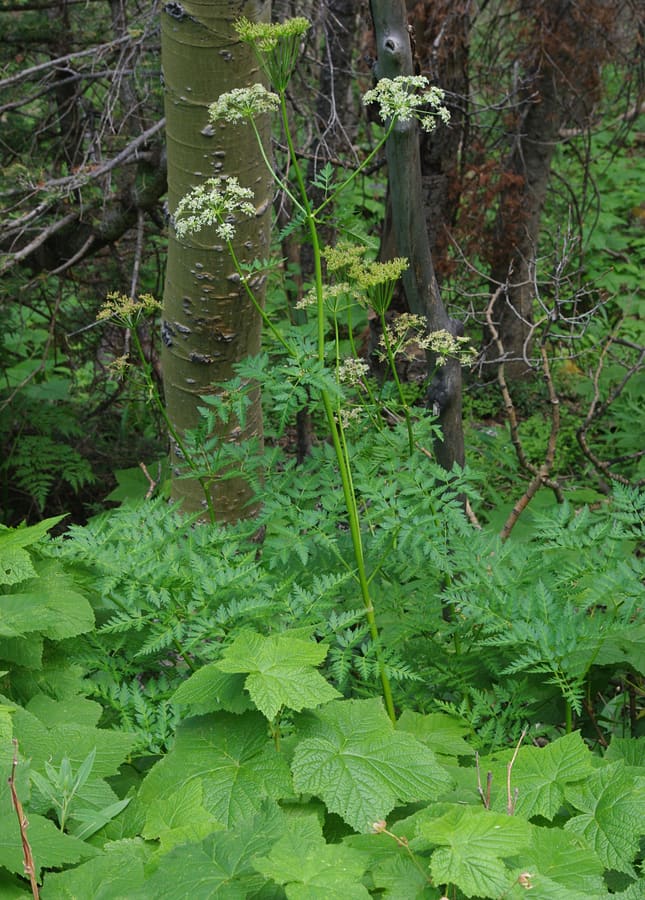 Osha (Ligusticum porteri)
Osha is a powerful respiratory remedy that has been overharvested in the wild and is extremely difficult to cultivate. It is listed on the United Plant Savers at-risk list. The root has been traditionally valued for its ability to stimulate the digestive and immune systems while expelling mucus. Until wild populations stabilize, its use should be limited, with alternatives like pine, grindelia, and ginger recommended as replacements.
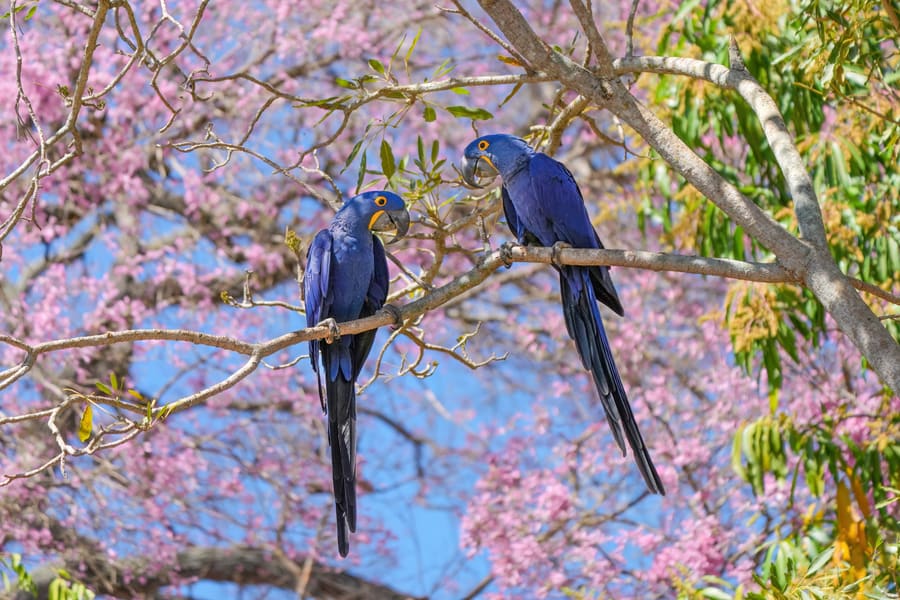 Pau d'Arco (Tabebuia impetiginosa)
Pau d'arco is an evergreen tree that can reach 100 feet in height, producing pink flowers. The bark of this South American tree has been treasured for centuries in traditional medicine for its extensive health benefits. Indigenous peoples including the Incas and the Callawaya valued it as a cure-all. The tree grows in both mountainous terrains high in the Andes and in low-lying areas of Paraguay and Brazil. The prized inner bark is collected from wild-growing trees throughout the year.
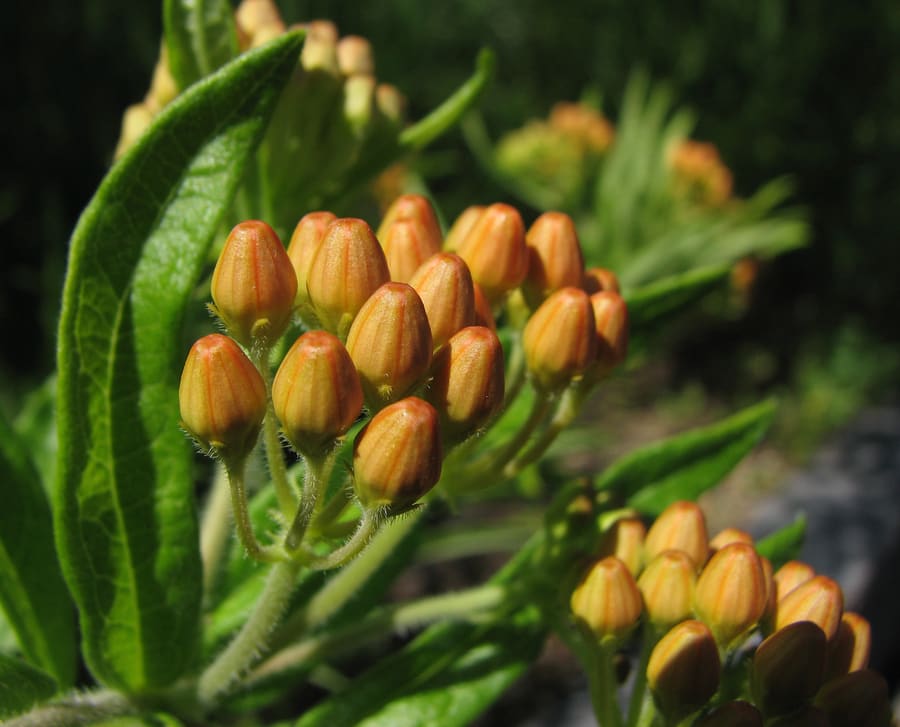 Pleurisy Root (Asclepias tuberosa)
Pleurisy root is an upright perennial herb growing to 3 feet tall, featuring narrow lance-shaped leaves and spikes of orange or yellow five-petaled flowers. Native to the southern United States, this plant was considered a cure-all in North American herbal medicine. Native American tribes, including the Omaha, used the raw root for bronchitis and chest conditions, while many tribes regarded it as an effective remedy for hot, dry fevers. The root is harvested in spring.
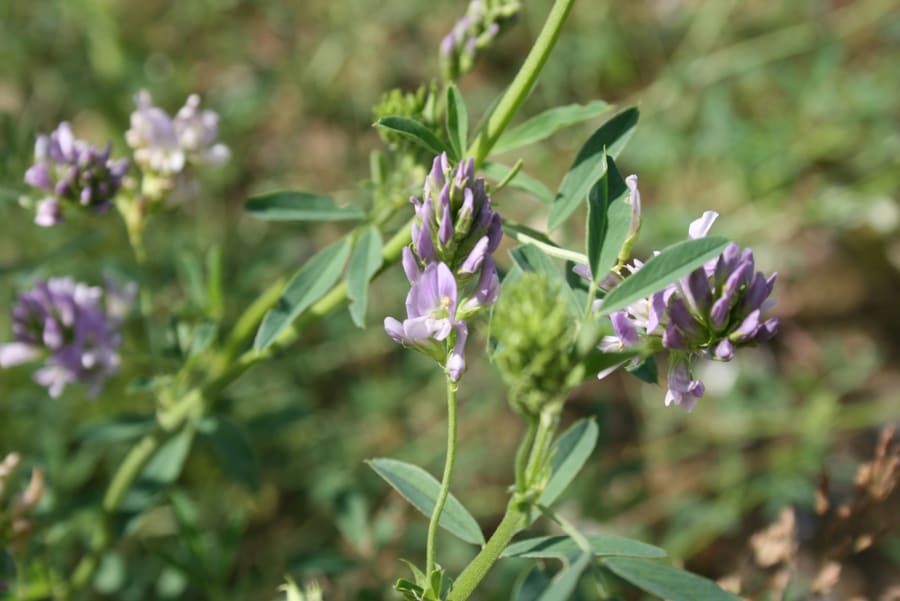 Alfalfa (Medicago sativa)
Alfalfa is a perennial herb that can grow to about 32 in (80 cm). It produces trifoliate leaves, flowers ranging from yellow to violet-blue, and spiraling seed pods. It has been called the “king of herbs,” with roots that can extend many feet into the ground to draw up minerals.
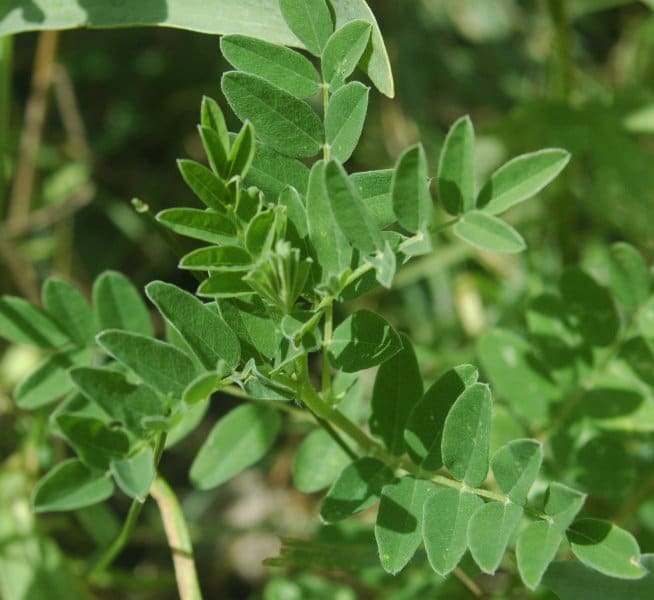 Astragalus (Astragalus membranaceus)
Astragalus (Astragalus membranaceus), known in China as huang qi, is a perennial reaching about 16 in (40 cm), with hairy stems and compound leaves composed of multiple leaflet pairs. In traditional Chinese medicine, it is a sweet, slightly warming herb often used to boost energy, strengthen immunity, and support overall vitality. Modern research suggests it may benefit heart function, kidney health, and immune response.