
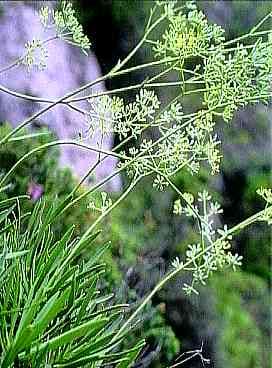
Bupleurum
Photo: Girolamo Giardina uploaded by Esculapio · CC BY-SA 3.0
- Digestive
- 1 condition
- Licensed photo
Overview
Bupleurum is a bitter, aromatic herb central to many Chinese herbal formulas addressing liver and blood disharmonies, as well as certain skin conditions. It contains saikosides (saikosaponins), which research suggests protect and strengthen liver function while exhibiting anti-inflammatory effects. Traditional uses also include pushing blood to the body’s surface and helping to regulate digestion.
Traditional uses & properties
Alterative (Blood Purifier): Helps clear toxins, supports healthy blood, and may assist in skin conditions tied to systemic imbalances. Antidepressant: Within Chinese medicine, bupleurum is thought to balance the body’s energies, potentially aiding mood imbalances. Carminative: Aids digestion by helping relieve gas and bloating. Anti-inflammatory & Hepatoprotective: Saikosides appear to protect the liver from toxins and reduce inflammation, beneficial for conditions such as chronic hepatitis.
Traditional preparations
Traditional texts describe the preparations below, and where those texts give specific amounts, the amounts are quoted here as part of that record. This is a record of historical practice, not a dosage recommendation - the figures are what the sources say, not what HerbMate tells you to take. Amounts, potency, and safe use vary enormously by preparation, plant part, and person.
To improve liver function, make a decoction of 15 g bupleurum, 5 g licorice, and 3 cups (750 ml) water. Take in 3 doses during a 24-hour period.
Safety & precautions
No known specific warnings are cited in the texts, though general caution is advised with any potent herb. As with all herbal medicines, it is best used under the guidance of a practitioner, particularly if liver issues are present.
Drug & food interactions
Interaction data is not available for this herb - talk to a pharmacist before combining it with any medication. A blank entry here means we have not documented interactions, not that none exist.
Habitat
Found primarily in China, bupleurum is cultivated throughout central and eastern regions of the country, as well as in parts of Asia and Europe. It grows best in well-drained soil and full sun, often propagated by seed in spring or by root division in autumn. The root is typically unearthed in both spring and autumn.
Traditionally used for
Each condition shows its first 2 remedies free. Premium opens the full remedy list for every condition - or come back for the free Condition of the Day.
Frequently asked questions
What is Bupleurum traditionally used for?
Traditional sources describe Bupleurum as follows: Alterative (Blood Purifier): Helps clear toxins, supports healthy blood, and may assist in skin conditions tied to systemic imbalances. Antidepressant: Within Chinese medicine, bupleurum is thought to balance the body’s energies, potentially aiding mood imbalances. Carminative: Aids digestion by helping relieve gas and bloating. Anti-inflammatory & Hepatoprotective: Saikosides appear to protect the liver from toxins and reduce inflammation, beneficial for conditions such as chronic hepatitis.
How is Bupleurum prepared?
Traditional texts describe the preparations below, and where those texts give specific amounts, the amounts are quoted here as part of that record. This is a record of historical practice, not a dosage recommendation - the figures are what the sources say, not what HerbMate tells you to take. Amounts, potency, and safe use vary enormously by preparation, plant part, and person. Liver Support: To improve liver function, make a decoction of 15 g bupleurum, 5 g licorice, and 3 cups (750 ml) water. Take in 3 doses during a 24-hour period.
What safety cautions apply to Bupleurum?
No known specific warnings are cited in the texts, though general caution is advised with any potent herb. As with all herbal medicines, it is best used under the guidance of a practitioner, particularly if liver issues are present.
Related herbs
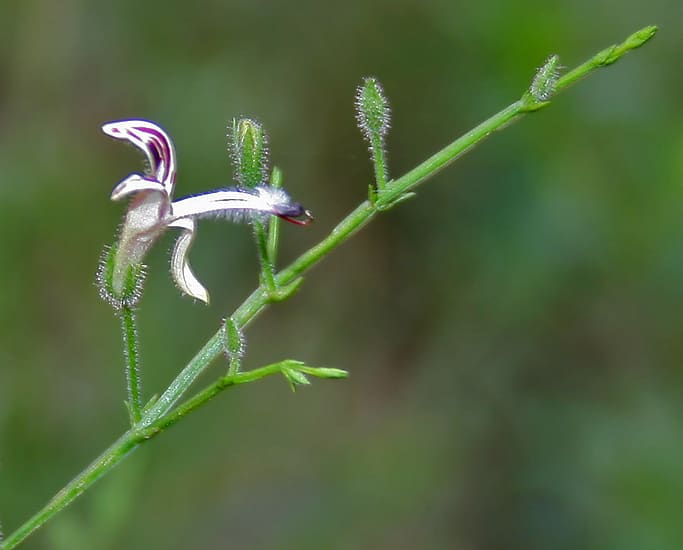 Andrographis (Andrographis paniculata)
Andrographis, commonly known as Green Chiretta or King of Bitters, is an upright annual herb reaching approximately 3 feet in height. Native to India and cultivated throughout northern regions of India and China, this bitter medicinal plant has been valued in Ayurvedic and traditional Chinese medicine for centuries. Historically used primarily for liver support and treating infections - especially malaria - it has earned recognition for its powerful immune-boosting and protective properties. The plant thrives on plains and in forest undergrowth, where its spotted pale brown or purple flowers and long seed capsules distinguish it from other medicinal herbs.
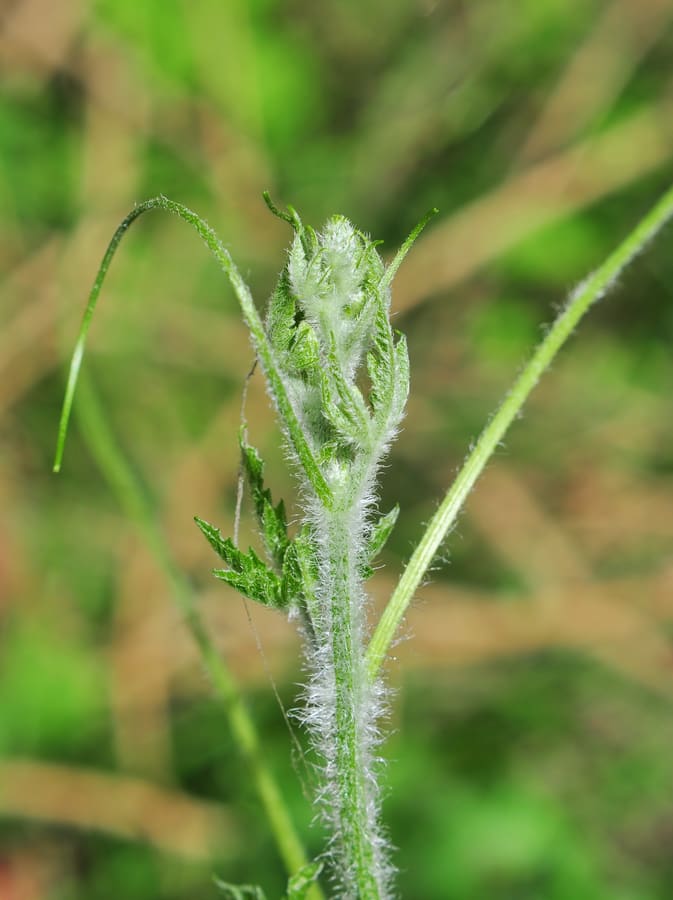 Bitter Melon (Momordica charantia)
Bitter melon is an annual climbing vine reaching about 6.5 feet, characterized by deeply lobed leaves, yellow flowers, and distinctive orange-yellow fruit. Native to southern Asia and now common throughout tropical regions worldwide, it is harvested year-round. The plant's unripe fruit, ripe fruit, leaves, seeds, and seed oil all have medicinal applications, and it has been a traditional remedy for diabetes symptoms in Asia, Africa, and the Caribbean for centuries.
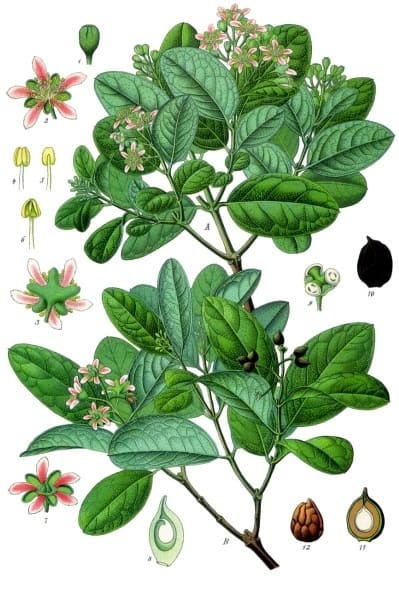 Boldo (Peumus boldus)Not for self-dosing
Boldo is a strongly aromatic multi-branched evergreen shrub or tree growing to 20 feet. It has egg-shaped leathery leaves with a lemony scent, clusters of white or yellow bell-shaped flowers, and small yellow berries. Native to Chile and Peru, it has become naturalized in the Mediterranean region and the West Coast of North America, where it grows on dry sunny slopes and in mountain pastures in the Andes. It is widely cultivated, and its leaves are gathered throughout the year. Boldo is a valued remedy in Latin American herbal medicine and is used by the Araucanian people in Chile as a tonic.
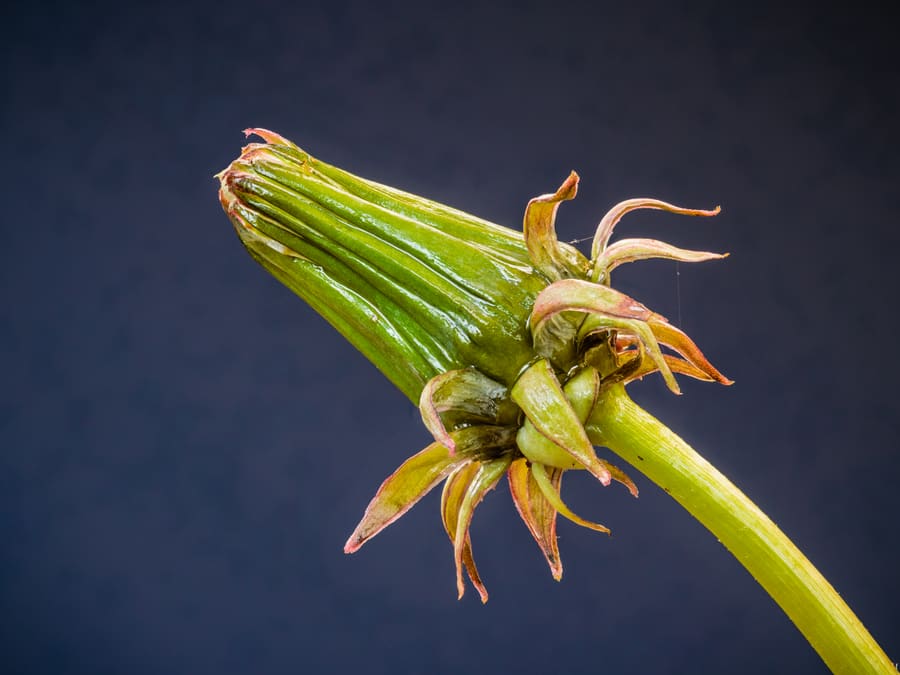 Dandelion (Taraxacum officinale)
Dandelion (Taraxacum officinale) is a pervasive perennial weed growing to about 20 in (50 cm), with jagged basal leaves, hollow flower stalks, and bright gold blossoms. Despite its “weedy” status, it offers significant health benefits. The root primarily supports liver function, stimulating bile flow and acting as a gentle detoxifier. The leaf serves more as a diuretic, aiding kidney function and often paired with nettle leaf for its potassium-sparing effect. Dandelion also encourages beneficial gut microflora and helps stimulate digestive secretions.
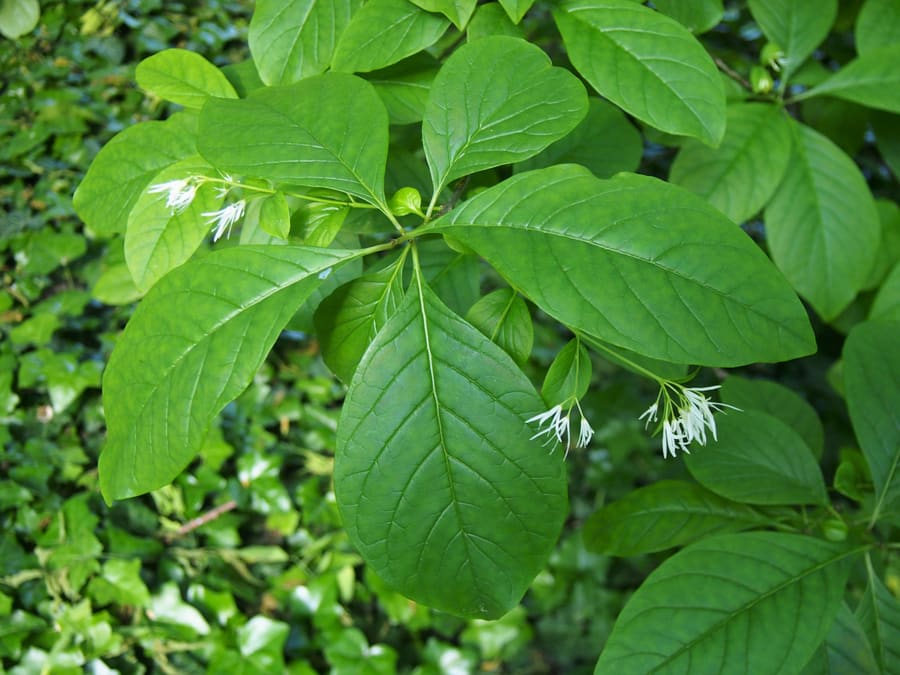 Fringe Tree (Chionanthus virginicus)
Fringe tree is a deciduous shrub or tree growing to 33 feet with elliptical dark green leaves, long flowering stems bearing spikes of white flowers, and dark blue oval fruits. Native to the United States and now also found in eastern Asia, it grows from Pennsylvania south to Florida and Texas and thrives on riverbanks and in damp shrubby areas. The root is unearthed in spring or autumn, mostly in Virginia and North Carolina. Native Americans and European settlers commonly used fringe tree to treat inflammations of the eye, canker sores, and spongy gums. The Choctaw of Louisiana applied the mashed bark to cuts and bruises, and Native Americans in Alabama used the bark for toothache. In the 19th-century Anglo-American Physiomedicalist tradition, it was valued as a bitter tonic and was often used to aid recovery from long-term illness.
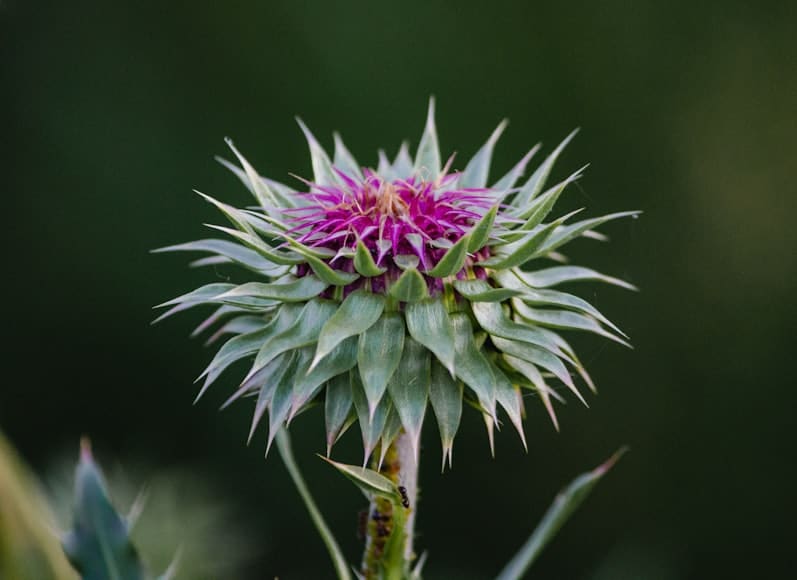 Milk Thistle (Silybum marianum)
Milk thistle (Silybum marianum, sometimes Carduus marianus) is a tall biennial with spiny, white-veined leaves and purple, thistle-like flower heads. The seeds contain silymarin, a complex known for its potent hepatoprotective (liver-protecting) properties, making milk thistle one of the foremost Western liver remedies.
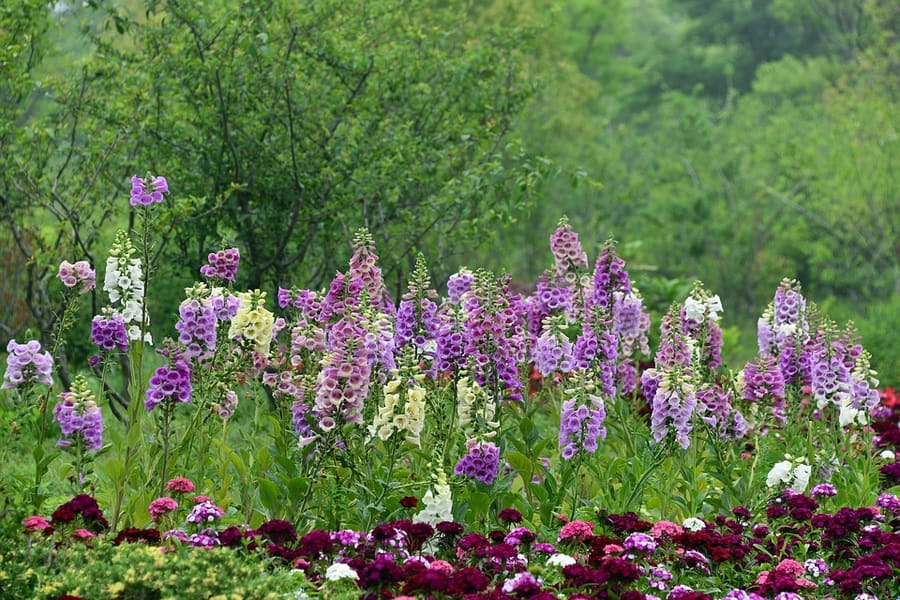 Rehmannia (Rehmannia glutinosa)
Rehmannia (Rehmannia glutinosa) is a perennial growing to about 1-2 ft (30-60 cm), with sticky leaves and purple tubular flowers. One of the most prized herbs in Traditional Chinese Medicine, it’s considered both cooling (raw) and nourishing (prepared), supporting liver, kidneys, blood, and longevity.
 Schisandra (Schisandra chinensis)
Schisandra (Schisandra chinensis), also known as wu wei zi (“5-flavored herb”), is a woody vine that can grow up to 26 ft (8 m). It has pink blossoms and clusters of bright red berries containing powerful adaptogenic, antioxidant, and liver-protective constituents.