
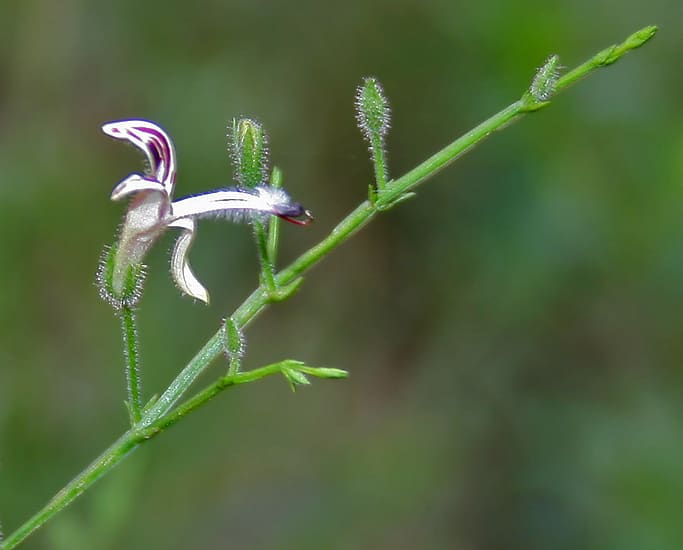
Andrographis (Andrographis paniculata)
Photo: J.M.Garg · CC BY-SA 4.0
- Digestive
- 6 conditions
- Licensed photo
Overview
Andrographis, commonly known as Green Chiretta or King of Bitters, is an upright annual herb reaching approximately 3 feet in height. Native to India and cultivated throughout northern regions of India and China, this bitter medicinal plant has been valued in Ayurvedic and traditional Chinese medicine for centuries. Historically used primarily for liver support and treating infections - especially malaria - it has earned recognition for its powerful immune-boosting and protective properties. The plant thrives on plains and in forest undergrowth, where its spotted pale brown or purple flowers and long seed capsules distinguish it from other medicinal herbs.
Traditional uses & properties
Andrographis demonstrates broad immunostimulant and hepatoprotective actions, making it valuable for both acute and chronic infections. Its bitter diterpene lactones, particularly andrographolide, stimulate macrophage activity and protect the liver from damage caused by toxins or infection. In traditional Chinese medicine, it addresses bacillary dysentery, enteritis, and various bacterial infections, while in Ayurveda it's employed for liver ailments, infections, and intestinal worms. Though it lacks direct antiviral activity, it accelerates recovery from common colds and reduces symptoms. Research shows it rivals silymarin in liver protection and can be as effective as acetaminophen for relieving fever and sore throat. The herb may also possess mild antidiabetic and antihypertensive effects, supporting cardiovascular health and balanced blood sugar levels.
Traditional preparations
Traditional texts describe the preparations below, and where those texts give specific amounts, the amounts are quoted here as part of that record. This is a record of historical practice, not a dosage recommendation - the figures are what the sources say, not what HerbMate tells you to take. Amounts, potency, and safe use vary enormously by preparation, plant part, and person.
Standard infusion: ½ cup 3-4 times daily, though the taste is often too bitter for most people. Tincture (dried leaf 1:5, 50% alcohol): 1-4 ml (0.2-0.8 tsp.) 3-4 times daily. Glycerite (dried leaf 1:8): 5-10 ml (1-2 tsp.) 3-4 times daily. Capsules: 500-1,000 mg, 3 times daily.
Safety & precautions
Do not use during pregnancy or while breastfeeding, as andrographis may have effects on fertility and uterine contractions. High doses can cause nausea, vomiting, and gastrointestinal upset. Use caution if taking antiplatelet drugs or anticoagulants like warfarin, as andrographis may have additive antiplatelet effects and could modestly increase warfarin exposure, potentially raising bleeding risk. Monitor blood glucose closely if taking antidiabetic medications, since andrographis may lower blood sugar levels. Similarly, those on antihypertensive drugs should be aware of possible additive blood pressure-lowering effects. Evidence suggests andrographis might induce certain cytochrome P450 enzymes and moderately inhibit P-glycoprotein, though clinical significance remains unclear. Extremely large doses are discouraged and professional supervision is recommended for long-term use.
Drug & food interactions
Interaction data is not available for this herb - talk to a pharmacist before combining it with any medication. A blank entry here means we have not documented interactions, not that none exist.
Habitat
Native to India, andrographis grows wild on plains and as undergrowth in forested areas. It is extensively cultivated for medicinal purposes in northern India and China, and is also grown as a garden plant. The aerial parts are harvested for therapeutic use.
Traditionally used for
- Colitis8 herbs · 2 free
- Liver Support10 herbs · 2 free
- Diabetes11 herbs · 2 free
- Fever11 herbs · 2 free
- Strep Throat10 herbs · 2 free
- Cold and Flu16 herbs · 2 free
Each condition shows its first 2 remedies free. Premium opens the full remedy list for every condition - or come back for the free Condition of the Day.
Frequently asked questions
What is Andrographis (Andrographis paniculata) traditionally used for?
Traditional sources describe Andrographis (Andrographis paniculata) as follows: Andrographis demonstrates broad immunostimulant and hepatoprotective actions, making it valuable for both acute and chronic infections. Its bitter diterpene lactones, particularly andrographolide, stimulate macrophage activity and protect the liver from damage caused by toxins or infection. In traditional Chinese medicine, it addresses bacillary dysentery, enteritis, and various bacterial infections, while in Ayurveda it's employed for liver ailments, infections, and intestinal worms. Though it lacks direct antiviral activity, it accelerates recovery from common colds and reduces symptoms. Research shows it rivals silymarin in liver protection and can be as effective as acetaminophen for relieving fever and sore throat. The herb may also possess mild antidiabetic and antihypertensive effects, supporting cardiovascular health and balanced blood sugar levels.
How is Andrographis (Andrographis paniculata) prepared?
Traditional texts describe the preparations below, and where those texts give specific amounts, the amounts are quoted here as part of that record. This is a record of historical practice, not a dosage recommendation - the figures are what the sources say, not what HerbMate tells you to take. Amounts, potency, and safe use vary enormously by preparation, plant part, and person. Standard infusion: ½ cup 3-4 times daily, though the taste is often too bitter for most people. Tincture (dried leaf 1:5, 50% alcohol): 1-4 ml (0.2-0.8 tsp.) 3-4 times daily. Glycerite (dried leaf 1:8): 5-10 ml (1-2 tsp.) 3-4 times daily. Capsules: 500-1,000 mg, 3 times daily.
What safety cautions apply to Andrographis (Andrographis paniculata)?
Do not use during pregnancy or while breastfeeding, as andrographis may have effects on fertility and uterine contractions. High doses can cause nausea, vomiting, and gastrointestinal upset. Use caution if taking antiplatelet drugs or anticoagulants like warfarin, as andrographis may have additive antiplatelet effects and could modestly increase warfarin exposure, potentially raising bleeding risk. Monitor blood glucose closely if taking antidiabetic medications, since andrographis may lower blood sugar levels. Similarly, those on antihypertensive drugs should be aware of possible additive blood pressure-lowering effects. Evidence suggests andrographis might induce certain cytochrome P450 enzymes and moderately inhibit P-glycoprotein, though clinical significance remains unclear. Extremely large doses are discouraged and professional supervision is recommended for long-term use.
Related herbs
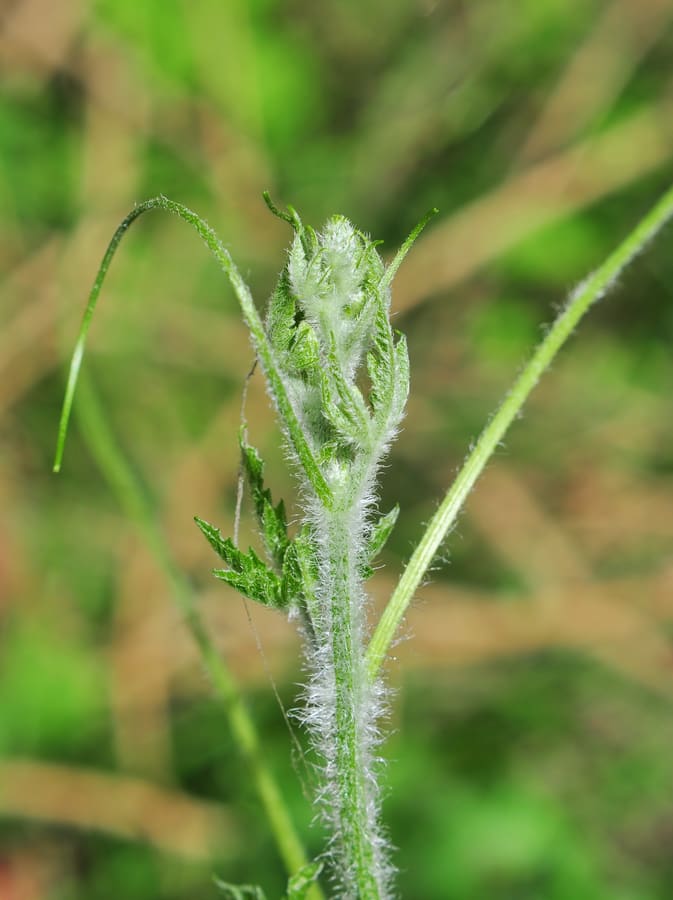 Bitter Melon (Momordica charantia)
Bitter melon is an annual climbing vine reaching about 6.5 feet, characterized by deeply lobed leaves, yellow flowers, and distinctive orange-yellow fruit. Native to southern Asia and now common throughout tropical regions worldwide, it is harvested year-round. The plant's unripe fruit, ripe fruit, leaves, seeds, and seed oil all have medicinal applications, and it has been a traditional remedy for diabetes symptoms in Asia, Africa, and the Caribbean for centuries.
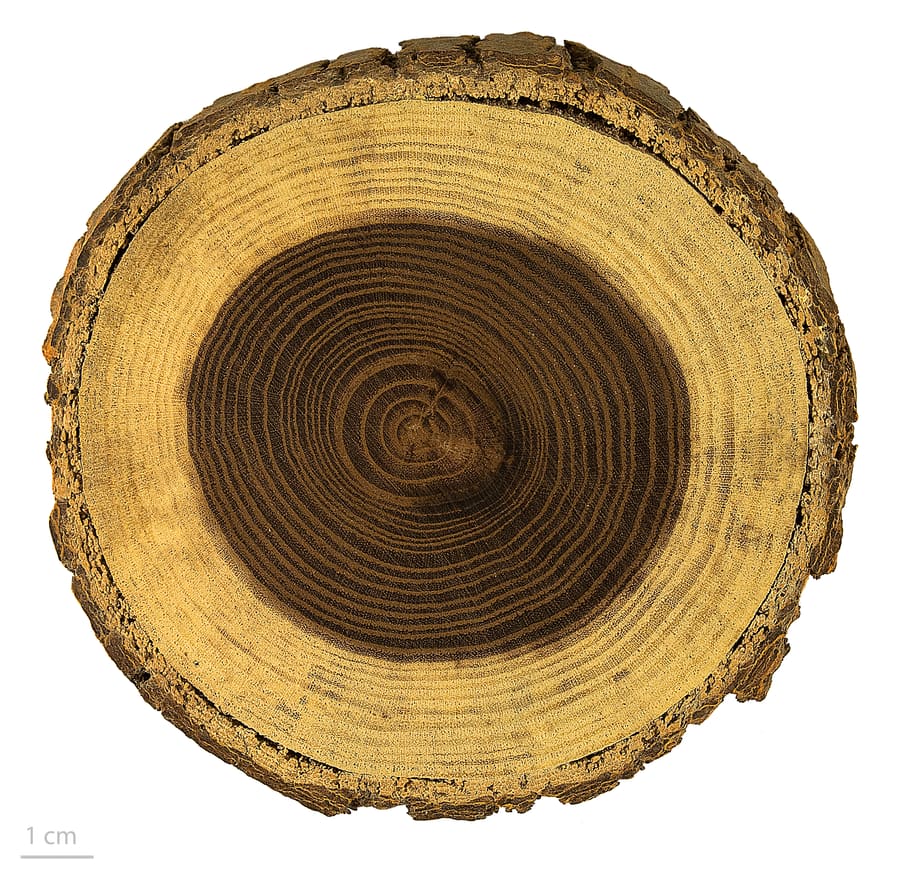 Mulberry Leaf (Morus alba)
White mulberry is a deciduous tree cultivated for over 5,000 years, primarily known as the preferred food source for silkworms. The leaves contain flavonoids with antioxidant properties along with vitamins A, B1, B2, and C. In traditional Chinese medicine, mulberry leaves have been valued for their expectorant and fever-reducing properties.
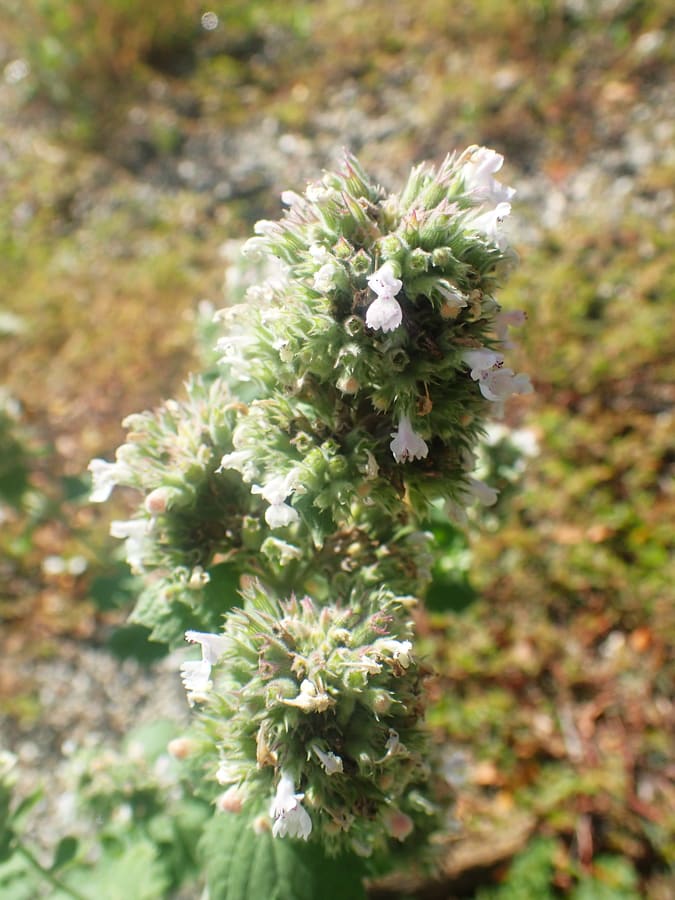 Catnip (Nepeta cataria)
Catnip is a downy, aromatic perennial growing to 3 feet with heart-shaped, gray-green leaves and whorls of white flowers marked with purple spots. Native to Europe and naturalized in North America, it grows in dry wayside places and mountainous regions up to altitudes of 5,000 feet. The plant is gathered when in flower during summer and autumn. Its name comes from the Norse word 'dylla,' meaning 'to soothe,' reflecting its calming properties. Catnip has an excitatory effect on cats but a sedative effect on humans.
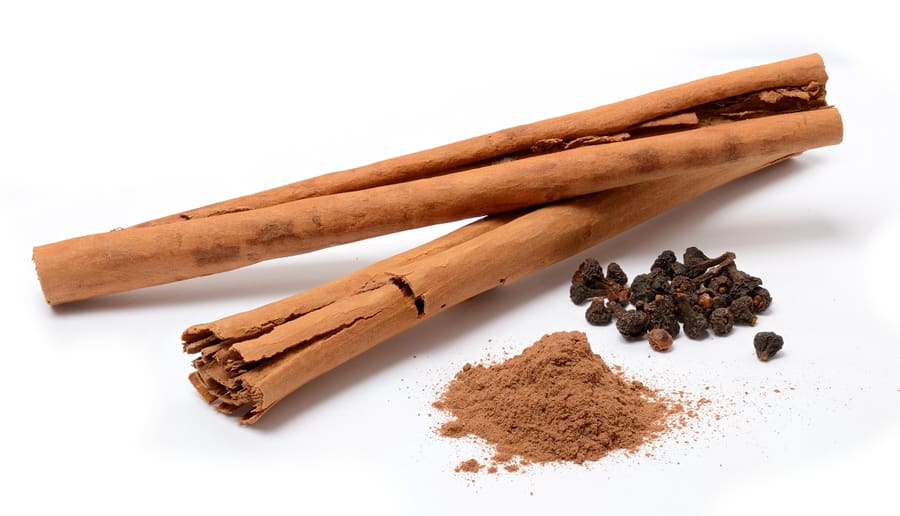 Cinnamon (Cinnamomum verum)
Cinnamon (Cinnamomum verum or C. zeylanicum) is a small evergreen tree, prized for its fragrant, sweet-spicy bark. Used for centuries as a warming stimulant in Ayurveda and traditional Chinese medicine, cinnamon supports digestion, circulation, and blood-sugar balance. Modern research confirms its ability to boost insulin sensitivity and possibly reduce high blood glucose in type 2 diabetes.
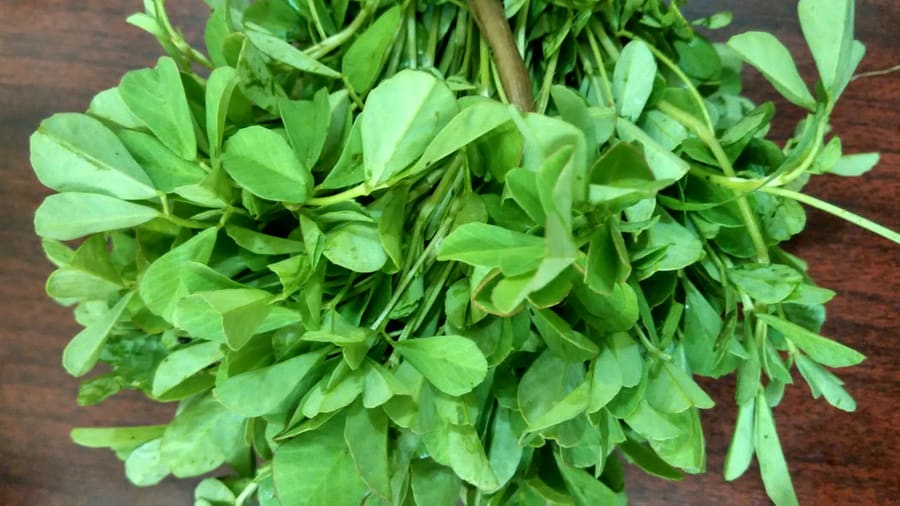 Fenugreek (Trigonella foenum-graecum)
Fenugreek is much used in herbal medicine in North Africa, the Middle East, and India, being esteemed as a remedy for a wide variety of conditions. The nourishing seeds are given during convalescence and to encourage weight gain, especially in anorexia. They are also helpful in lowering fever, with some authorities comparing their ability to that of quinine. The seeds’ soothing effect makes them of value in treating gastritis and gastric ulcers. They are used to induce childbirth and to increase breast-milk production. Fenugreek is also thought to be antidiabetic and to lower blood cholesterol levels. Externally, the seeds may be applied as a paste to treat abscesses, boils, ulcers, and burns, or used as a douche for excessive vaginal discharge.
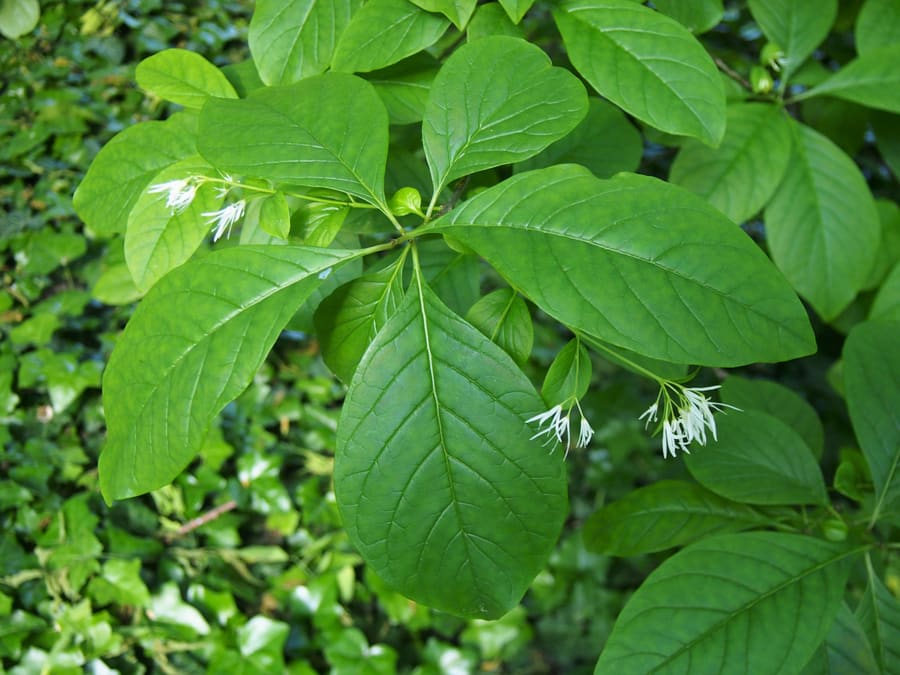 Fringe Tree (Chionanthus virginicus)
Fringe tree is a deciduous shrub or tree growing to 33 feet with elliptical dark green leaves, long flowering stems bearing spikes of white flowers, and dark blue oval fruits. Native to the United States and now also found in eastern Asia, it grows from Pennsylvania south to Florida and Texas and thrives on riverbanks and in damp shrubby areas. The root is unearthed in spring or autumn, mostly in Virginia and North Carolina. Native Americans and European settlers commonly used fringe tree to treat inflammations of the eye, canker sores, and spongy gums. The Choctaw of Louisiana applied the mashed bark to cuts and bruises, and Native Americans in Alabama used the bark for toothache. In the 19th-century Anglo-American Physiomedicalist tradition, it was valued as a bitter tonic and was often used to aid recovery from long-term illness.
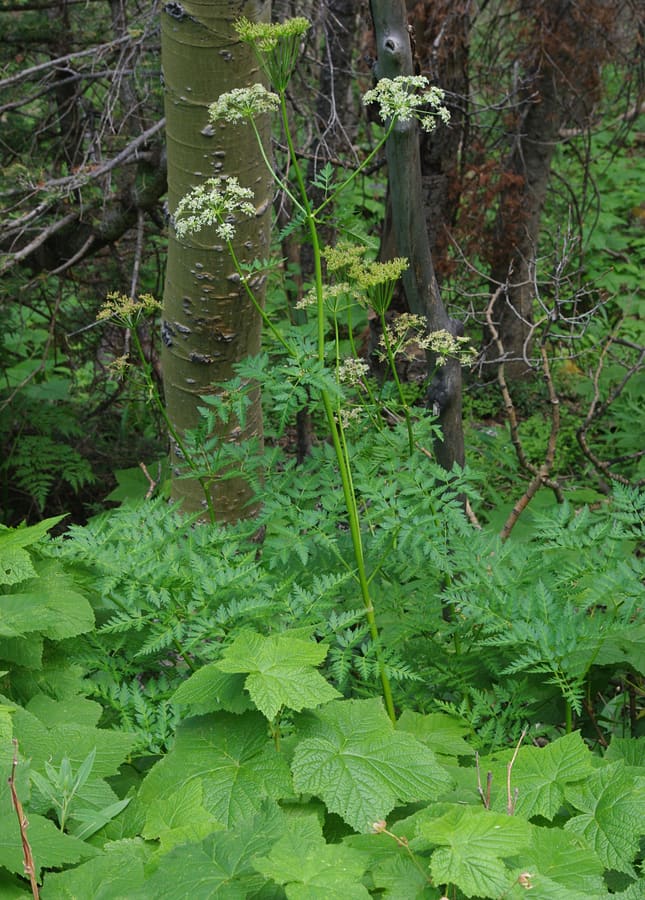 Osha (Ligusticum porteri)
Osha is a powerful respiratory remedy that has been overharvested in the wild and is extremely difficult to cultivate. It is listed on the United Plant Savers at-risk list. The root has been traditionally valued for its ability to stimulate the digestive and immune systems while expelling mucus. Until wild populations stabilize, its use should be limited, with alternatives like pine, grindelia, and ginger recommended as replacements.
 Pau d'Arco (Tabebuia impetiginosa)
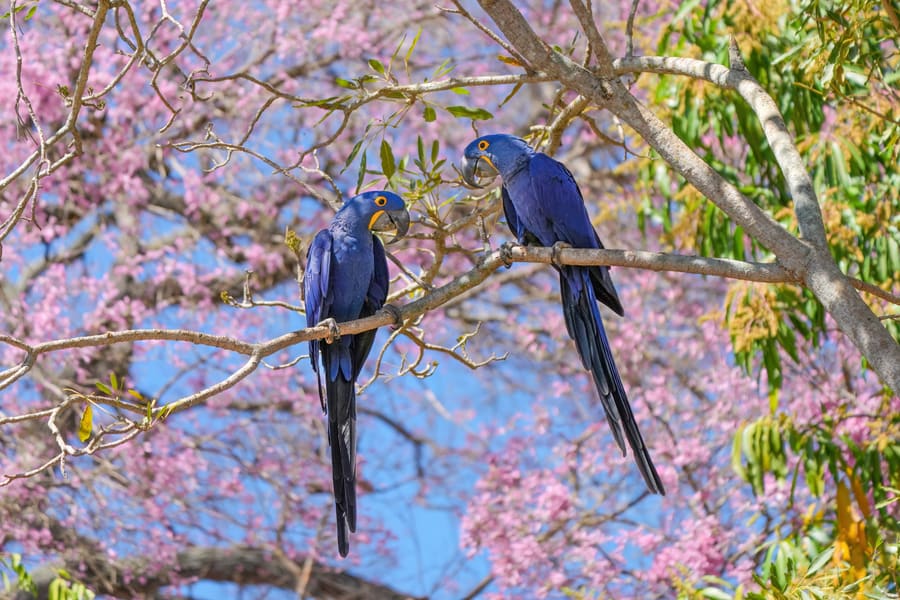
Pau d'arco is an evergreen tree that can reach 100 feet in height, producing pink flowers. The bark of this South American tree has been treasured for centuries in traditional medicine for its extensive health benefits. Indigenous peoples including the Incas and the Callawaya valued it as a cure-all. The tree grows in both mountainous terrains high in the Andes and in low-lying areas of Paraguay and Brazil. The prized inner bark is collected from wild-growing trees throughout the year.