
Fringe Tree (Chionanthus virginicus)
Photo: Agnieszka Kwiecień, Nova · CC BY-SA 4.0
- Digestive
- 6 conditions
- Licensed photo
Overview
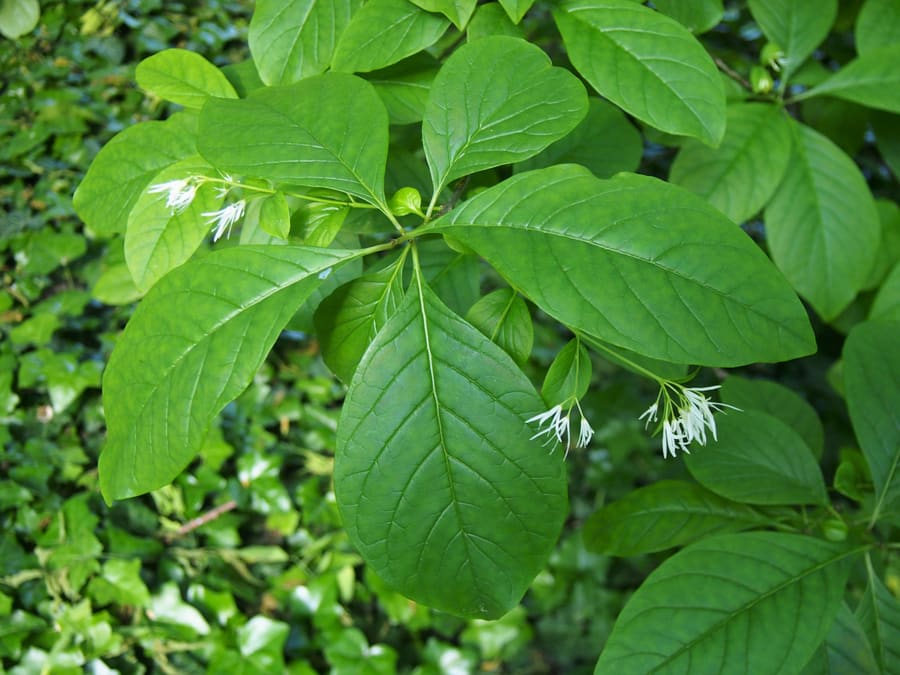
Fringe tree is a deciduous shrub or tree growing to 33 feet with elliptical dark green leaves, long flowering stems bearing spikes of white flowers, and dark blue oval fruits. Native to the United States and now also found in eastern Asia, it grows from Pennsylvania south to Florida and Texas and thrives on riverbanks and in damp shrubby areas. The root is unearthed in spring or autumn, mostly in Virginia and North Carolina. Native Americans and European settlers commonly used fringe tree to treat inflammations of the eye, canker sores, and spongy gums. The Choctaw of Louisiana applied the mashed bark to cuts and bruises, and Native Americans in Alabama used the bark for toothache. In the 19th-century Anglo-American Physiomedicalist tradition, it was valued as a bitter tonic and was often used to aid recovery from long-term illness.
Traditional uses & properties
Fringe tree is a valuable tonic for the liver, gallbladder, and pancreas. The root bark stimulates bile flow and acts as a mild laxative, making it one of the best herbs for gallstones, especially when combined with other cholagogues like wild yam, turmeric, dandelion, and barberry. It is prescribed mainly for gallbladder pain, jaundice, and chronic weakness. While it appears beneficial to liver and gallbladder function, research substantiating its effects is still lacking. The root bark also seems to strengthen function in the pancreas and spleen. Anecdotal evidence indicates it may substantially reduce sugar levels in the urine. Fringe tree stimulates appetite and digestion and is an excellent remedy for chronic illness, particularly when the liver has been affected. It helps relieve intestinal gas, bloating, and a stuffy feeling under the right rib cage. For external use, the crushed bark can be made into a poultice for treating sores and wounds.
Traditional preparations
Traditional texts describe the preparations below, and where those texts give specific amounts, the amounts are quoted here as part of that record. This is a record of historical practice, not a dosage recommendation - the figures are what the sources say, not what HerbMate tells you to take. Amounts, potency, and safe use vary enormously by preparation, plant part, and person.
Standard decoction: 2-4 ounces, 3 times daily. Tincture (dried root 1:5, 65% alcohol): 10 drops to 2 ml (0.4 tsp.) 3 times daily.
Safety & precautions
Should not be used in bile duct obstruction or pregnancy. Generally well-tolerated otherwise.
Drug & food interactions
Interaction data is not available for this herb - talk to a pharmacist before combining it with any medication. A blank entry here means we have not documented interactions, not that none exist.
Habitat
Native to the United States, now also found in eastern Asia. Grows from Pennsylvania south to Florida and Texas, thriving on riverbanks and in damp shrubby areas. The root is unearthed in spring or autumn, mostly in Virginia and North Carolina.
Traditionally used for
- Constipation13 herbs · 2 free
- Gallstones5 herbs · 2 free
- Jaundice3 herbs · 2 free
- Liver Support10 herbs · 2 free
- Diabetes11 herbs · 2 free
- Toothache5 herbs · 2 free
Each condition shows its first 2 remedies free. Premium opens the full remedy list for every condition - or come back for the free Condition of the Day.
Frequently asked questions
What is Fringe Tree (Chionanthus virginicus) traditionally used for?
Traditional sources describe Fringe Tree (Chionanthus virginicus) as follows: Fringe tree is a valuable tonic for the liver, gallbladder, and pancreas. The root bark stimulates bile flow and acts as a mild laxative, making it one of the best herbs for gallstones, especially when combined with other cholagogues like wild yam, turmeric, dandelion, and barberry. It is prescribed mainly for gallbladder pain, jaundice, and chronic weakness. While it appears beneficial to liver and gallbladder function, research substantiating its effects is still lacking. The root bark also seems to strengthen function in the pancreas and spleen. Anecdotal evidence indicates it may substantially reduce sugar levels in the urine. Fringe tree stimulates appetite and digestion and is an excellent remedy for chronic illness, particularly when the liver has been affected. It helps relieve intestinal gas, bloating, and a stuffy feeling under the right rib cage. For external use, the crushed bark can be made into a poultice for treating sores and wounds.
How is Fringe Tree (Chionanthus virginicus) prepared?
Traditional texts describe the preparations below, and where those texts give specific amounts, the amounts are quoted here as part of that record. This is a record of historical practice, not a dosage recommendation - the figures are what the sources say, not what HerbMate tells you to take. Amounts, potency, and safe use vary enormously by preparation, plant part, and person. Standard decoction: 2-4 ounces, 3 times daily. Tincture (dried root 1:5, 65% alcohol): 10 drops to 2 ml (0.4 tsp.) 3 times daily.
What safety cautions apply to Fringe Tree (Chionanthus virginicus)?
Should not be used in bile duct obstruction or pregnancy. Generally well-tolerated otherwise.
Related herbs
 Boldo (Peumus boldus)Not for self-dosing
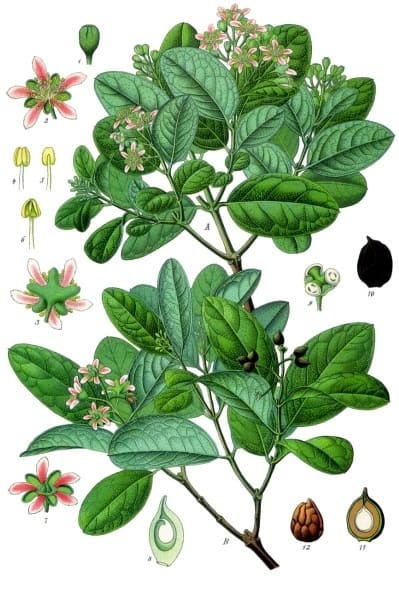
Boldo is a strongly aromatic multi-branched evergreen shrub or tree growing to 20 feet. It has egg-shaped leathery leaves with a lemony scent, clusters of white or yellow bell-shaped flowers, and small yellow berries. Native to Chile and Peru, it has become naturalized in the Mediterranean region and the West Coast of North America, where it grows on dry sunny slopes and in mountain pastures in the Andes. It is widely cultivated, and its leaves are gathered throughout the year. Boldo is a valued remedy in Latin American herbal medicine and is used by the Araucanian people in Chile as a tonic.
 Andrographis (Andrographis paniculata)
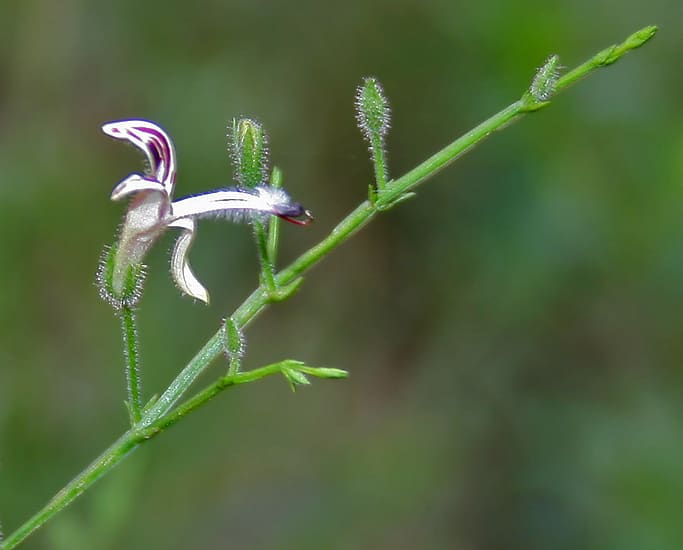
Andrographis, commonly known as Green Chiretta or King of Bitters, is an upright annual herb reaching approximately 3 feet in height. Native to India and cultivated throughout northern regions of India and China, this bitter medicinal plant has been valued in Ayurvedic and traditional Chinese medicine for centuries. Historically used primarily for liver support and treating infections - especially malaria - it has earned recognition for its powerful immune-boosting and protective properties. The plant thrives on plains and in forest undergrowth, where its spotted pale brown or purple flowers and long seed capsules distinguish it from other medicinal herbs.
 Bitter Melon (Momordica charantia)
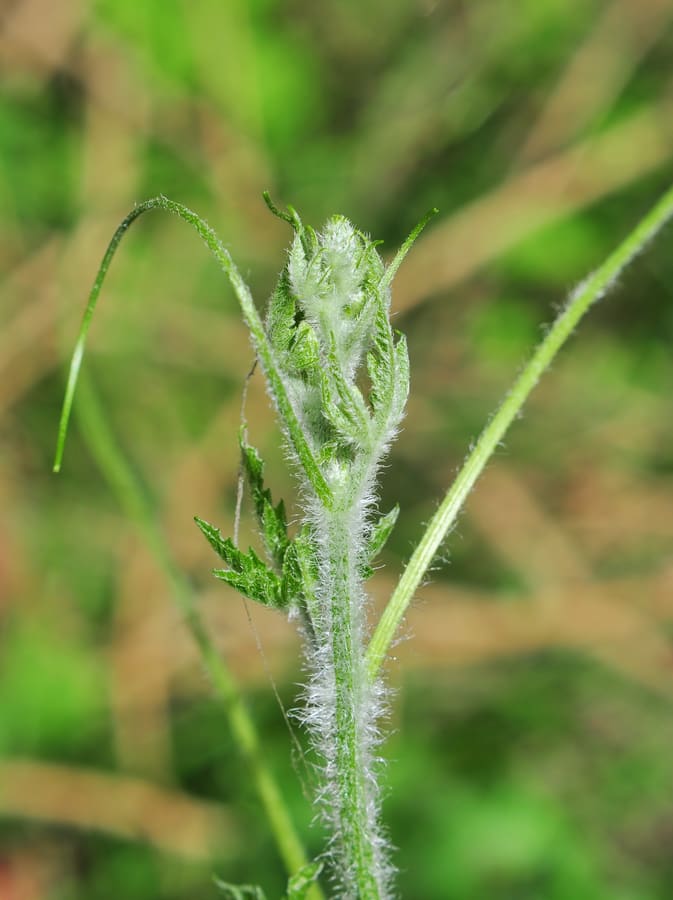
Bitter melon is an annual climbing vine reaching about 6.5 feet, characterized by deeply lobed leaves, yellow flowers, and distinctive orange-yellow fruit. Native to southern Asia and now common throughout tropical regions worldwide, it is harvested year-round. The plant's unripe fruit, ripe fruit, leaves, seeds, and seed oil all have medicinal applications, and it has been a traditional remedy for diabetes symptoms in Asia, Africa, and the Caribbean for centuries.
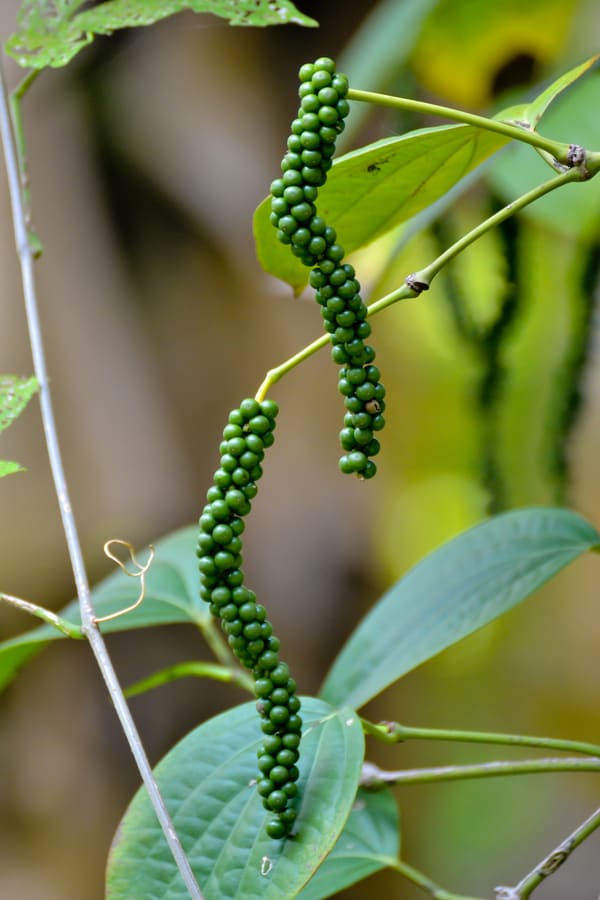 Black Pepper (Piper nigrum)
Black pepper is a perennial woody climbing vine growing to about 16 feet, with large oval leaves, spikes of small white flowers, and clusters of small round fruits that ripen from green to red. Native to southwestern India and now cultivated in tropical areas worldwide, the fruit is harvested from plants that are at least three years old. Different processing methods yield green, black, red, and white peppercorns, each with distinct flavors and uses. Cultivated as both a spice and medicine since ancient times, pepper was such a prized commodity in world trade that Attila the Hun reportedly demanded 3,000 pounds of it as ransom during his siege of Rome in 408 CE.
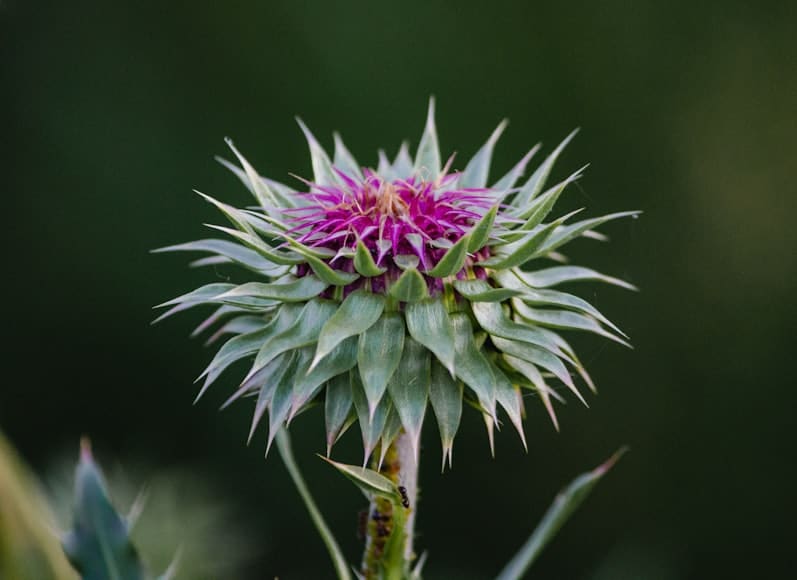 Milk Thistle (Silybum marianum)
Milk thistle (Silybum marianum, sometimes Carduus marianus) is a tall biennial with spiny, white-veined leaves and purple, thistle-like flower heads. The seeds contain silymarin, a complex known for its potent hepatoprotective (liver-protecting) properties, making milk thistle one of the foremost Western liver remedies.
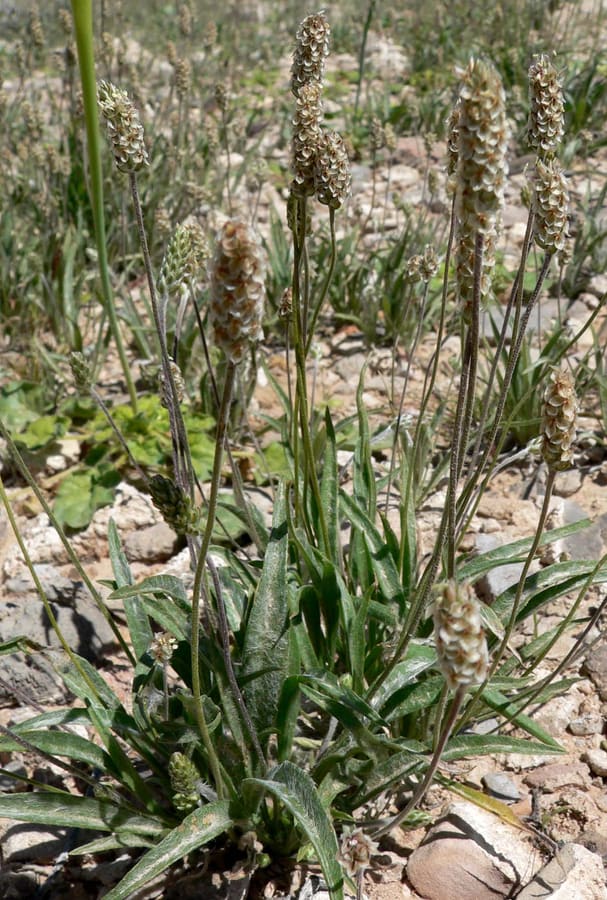 Psyllium (Plantago ovata)
Psyllium, also known as flea seed due to its small brown appearance, is produced by several Plantago species. It has been used as a safe and effective laxative for thousands of years across Europe, North Africa, and Asia. The seeds and husks have a bland taste and develop a jellylike consistency when moistened due to their high mucilage content. The plants are extensively cultivated, especially in India, and propagated from seed in spring. Seeds are harvested when ripe in late summer and early autumn.
- Triphala (Terminalia chebula blend)
Triphala is not a single herb but a traditional Ayurvedic blend of three fruits: haritaki (Terminalia chebula), bibhitaki (Terminalia bellirica), and amalaki or Indian gooseberry (Emblica officinalis). Haritaki has balanced energy with five flavors (bitter, sour, astringent, salty, and sweet), acting as a mild laxative that tones intestinal membranes, lubricates tissues, and relaxes muscle spasms. Bibhitaki is pungent, warming, antispasmodic, and serves as an expectorant and decongestant for respiratory conditions. Amalaki also has balanced energy with five flavors (sour, astringent, sweet, pungent, and bitter), containing small amounts of anthraquinones while being astringent, thus both laxative and bowel-toning, correcting both constipation and diarrhea.
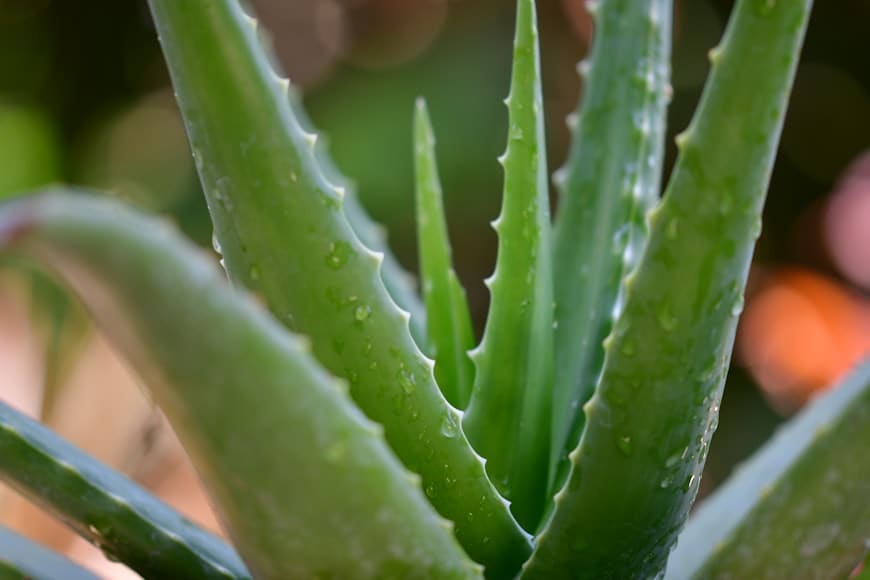 Aloe (Aloe vera)
Aloe vera (syn. A. barbadensis) is a succulent commonly grown as a potted plant, notable for its thick, fleshy leaves that contain two distinct medicinal components. The inner clear gel is renowned for its soothing and wound-healing properties, while the bitter yellow sap from the leaf base (often called “bitter aloes”) has a strong laxative effect. Historically, aloe vera has been prized for treating skin irritations, burns, and ulcers. It can also be taken internally (as juice) to support digestion and immune function. Whole leaf aloe juice has been used to help fight arthritis, AIDS, cancer, and other chronic conditions, though the outer leaf portion containing anthraquinones is typically filtered out to avoid harsh laxative effects.