
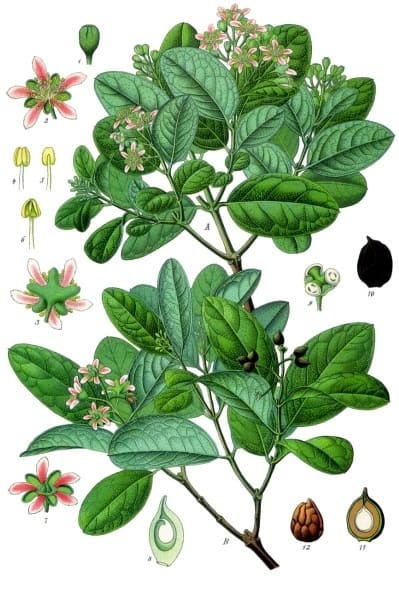
Boldo (Peumus boldus)
Photo: Franz Eugen Köhler, Köhler's Medizinal-Pflanzen · Public domain
- Digestive
- 6 conditions
- Licensed photo
Overview
Boldo is a strongly aromatic multi-branched evergreen shrub or tree growing to 20 feet. It has egg-shaped leathery leaves with a lemony scent, clusters of white or yellow bell-shaped flowers, and small yellow berries. Native to Chile and Peru, it has become naturalized in the Mediterranean region and the West Coast of North America, where it grows on dry sunny slopes and in mountain pastures in the Andes. It is widely cultivated, and its leaves are gathered throughout the year. Boldo is a valued remedy in Latin American herbal medicine and is used by the Araucanian people in Chile as a tonic.
Traditional uses & properties
Boldo stimulates liver activity and bile flow, making it particularly effective for gallstones and liver or gallbladder pain. The isoquinoline alkaloids, especially boldine, along with volatile oils and flavonoids, contribute to its cholagogue and hepatoprotective actions. Research has shown boldine to be a potent antioxidant. Boldo is typically taken for a few weeks at a time as a tincture or infusion. It also acts as a mild urinary antiseptic and demulcent, useful for infections such as cystitis. Traditionally, it has been employed for dyspepsia, digestive disturbances, constipation, and rheumatism, though there is little evidence to support its use as a slimming aid.
Traditional preparations
Preparation amounts are not shown for this herb. It is toxic, restricted, or otherwise unsafe to self-dose - the margin between a traditional dose and a harmful one is too small to publish as reference material. If you are considering it, that conversation belongs with a doctor or a qualified practitioner, not a website.
Safety & precautions
Do not take during pregnancy. Subject to legal restrictions in some countries due to the presence of ascaridole, a toxic constituent in the volatile oil. The dose and duration of treatment should be restricted to minimize risk. One case report suggests boldo may interact with warfarin; a woman taking warfarin experienced a modest rise in INR when using boldo (and fenugreek). The mechanism is unknown, and it is unclear whether boldo, fenugreek, or both were responsible. Boldo contains natural coumarins, but their anticoagulant activity is uncertain. Until more is known, monitor INR closely if combining boldo with anticoagulants.
Drug & food interactions
Interaction data is not available for this herb - talk to a pharmacist before combining it with any medication. A blank entry here means we have not documented interactions, not that none exist.
Habitat
Native to Chile and Peru, boldo has naturalized in the Mediterranean region and the West Coast of North America. It grows on dry sunny slopes and in mountain pastures in the Andes and is widely cultivated. Leaves are gathered year-round.
Traditionally used for
- Constipation13 herbs · 2 free
- Gallstones5 herbs · 2 free
- Indigestion24 herbs · 2 free
- Jaundice3 herbs · 2 free
- Liver Support10 herbs · 2 free
- Cystitis12 herbs · 2 free
Each condition shows its first 2 remedies free. Premium opens the full remedy list for every condition - or come back for the free Condition of the Day.
Frequently asked questions
What is Boldo (Peumus boldus) traditionally used for?
Traditional sources describe Boldo (Peumus boldus) as follows: Boldo stimulates liver activity and bile flow, making it particularly effective for gallstones and liver or gallbladder pain. The isoquinoline alkaloids, especially boldine, along with volatile oils and flavonoids, contribute to its cholagogue and hepatoprotective actions. Research has shown boldine to be a potent antioxidant. Boldo is typically taken for a few weeks at a time as a tincture or infusion. It also acts as a mild urinary antiseptic and demulcent, useful for infections such as cystitis. Traditionally, it has been employed for dyspepsia, digestive disturbances, constipation, and rheumatism, though there is little evidence to support its use as a slimming aid.
How is Boldo (Peumus boldus) prepared?
Preparation amounts are not shown for this herb. It is toxic, restricted, or otherwise unsafe to self-dose - the margin between a traditional dose and a harmful one is too small to publish as reference material. If you are considering it, that conversation belongs with a doctor or a qualified practitioner, not a website.
What safety cautions apply to Boldo (Peumus boldus)?
Do not take during pregnancy. Subject to legal restrictions in some countries due to the presence of ascaridole, a toxic constituent in the volatile oil. The dose and duration of treatment should be restricted to minimize risk. One case report suggests boldo may interact with warfarin; a woman taking warfarin experienced a modest rise in INR when using boldo (and fenugreek). The mechanism is unknown, and it is unclear whether boldo, fenugreek, or both were responsible. Boldo contains natural coumarins, but their anticoagulant activity is uncertain. Until more is known, monitor INR closely if combining boldo with anticoagulants.
Related herbs
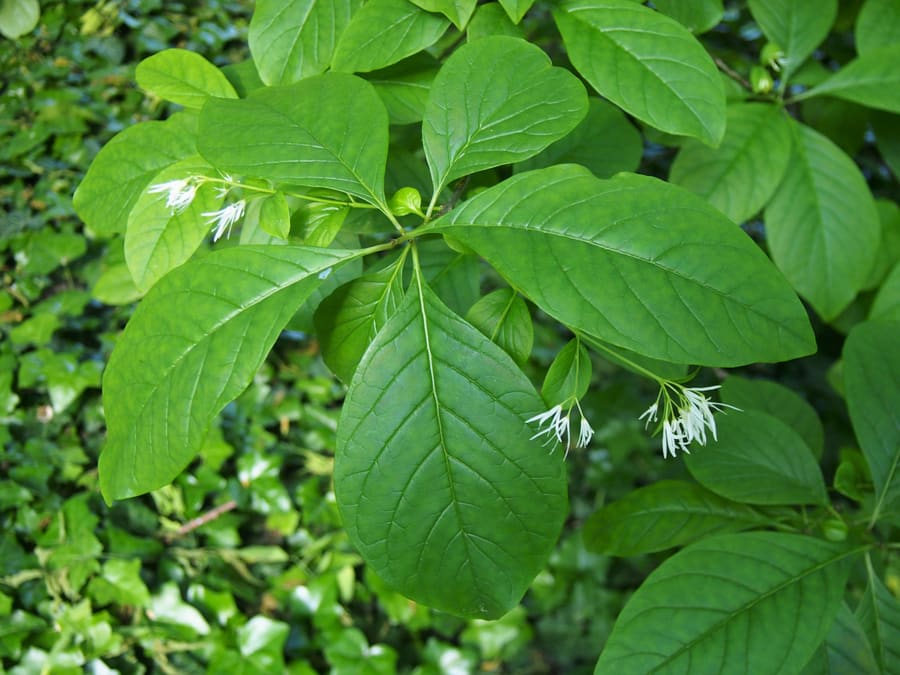 Fringe Tree (Chionanthus virginicus)
Fringe tree is a deciduous shrub or tree growing to 33 feet with elliptical dark green leaves, long flowering stems bearing spikes of white flowers, and dark blue oval fruits. Native to the United States and now also found in eastern Asia, it grows from Pennsylvania south to Florida and Texas and thrives on riverbanks and in damp shrubby areas. The root is unearthed in spring or autumn, mostly in Virginia and North Carolina. Native Americans and European settlers commonly used fringe tree to treat inflammations of the eye, canker sores, and spongy gums. The Choctaw of Louisiana applied the mashed bark to cuts and bruises, and Native Americans in Alabama used the bark for toothache. In the 19th-century Anglo-American Physiomedicalist tradition, it was valued as a bitter tonic and was often used to aid recovery from long-term illness.
- Triphala (Terminalia chebula blend)
Triphala is not a single herb but a traditional Ayurvedic blend of three fruits: haritaki (Terminalia chebula), bibhitaki (Terminalia bellirica), and amalaki or Indian gooseberry (Emblica officinalis). Haritaki has balanced energy with five flavors (bitter, sour, astringent, salty, and sweet), acting as a mild laxative that tones intestinal membranes, lubricates tissues, and relaxes muscle spasms. Bibhitaki is pungent, warming, antispasmodic, and serves as an expectorant and decongestant for respiratory conditions. Amalaki also has balanced energy with five flavors (sour, astringent, sweet, pungent, and bitter), containing small amounts of anthraquinones while being astringent, thus both laxative and bowel-toning, correcting both constipation and diarrhea.
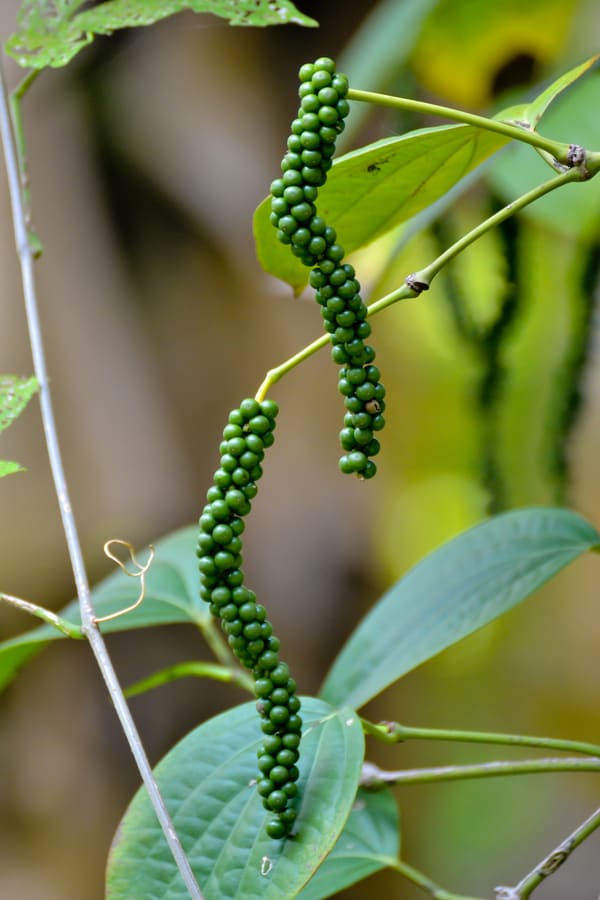 Black Pepper (Piper nigrum)
Black pepper is a perennial woody climbing vine growing to about 16 feet, with large oval leaves, spikes of small white flowers, and clusters of small round fruits that ripen from green to red. Native to southwestern India and now cultivated in tropical areas worldwide, the fruit is harvested from plants that are at least three years old. Different processing methods yield green, black, red, and white peppercorns, each with distinct flavors and uses. Cultivated as both a spice and medicine since ancient times, pepper was such a prized commodity in world trade that Attila the Hun reportedly demanded 3,000 pounds of it as ransom during his siege of Rome in 408 CE.
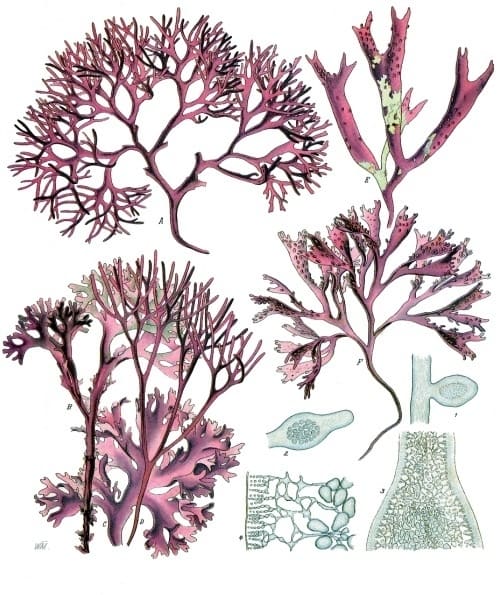 Irish Moss (Chondrus crispus)
Irish moss is a reddish-brown seaweed growing to 10 inches, with a flat, forked plant body and fan-shaped outline. Found on the Atlantic coasts of Europe and North America, it grows just below the waterline, attached to rocks and stones. In summer in North America and in autumn in Ireland, it is pulled up by hand or with a rake at low tide and dried in the sun. This seaweed is used extensively in the food and pharmaceutical industries as an emulsifying and binding agent, appearing in products such as toothpastes. Its polysaccharides become jelly-like and demulcent when immersed in water, making it valuable both as a food ingredient and medicinal herb.
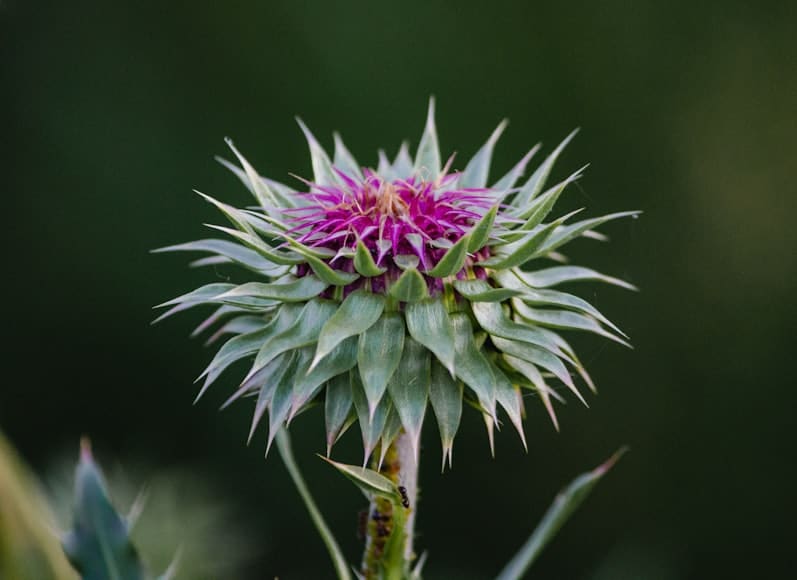 Milk Thistle (Silybum marianum)
Milk thistle (Silybum marianum, sometimes Carduus marianus) is a tall biennial with spiny, white-veined leaves and purple, thistle-like flower heads. The seeds contain silymarin, a complex known for its potent hepatoprotective (liver-protecting) properties, making milk thistle one of the foremost Western liver remedies.
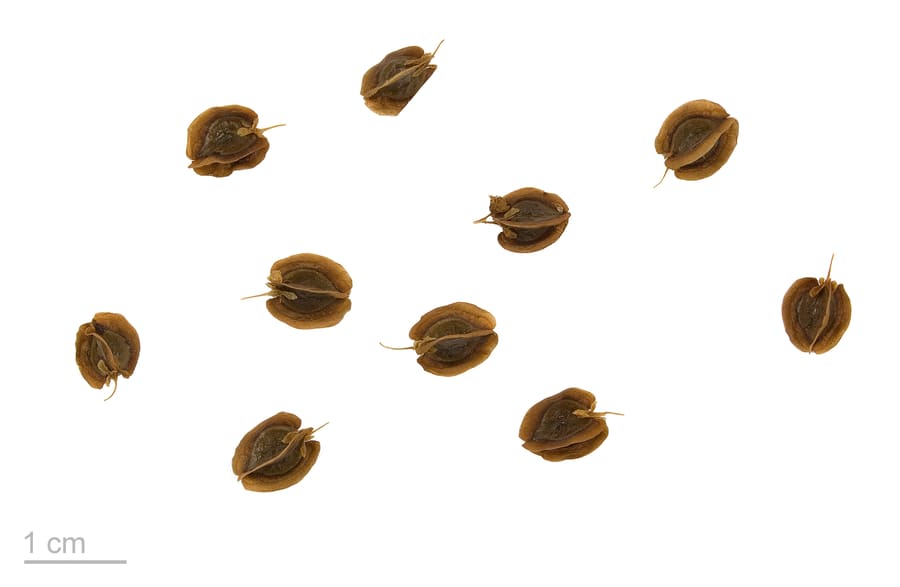 Chinese Rhubarb (Rheum palmatum)
Chinese rhubarb (Rheum palmatum) is a thick-rhizomed perennial, growing up to 10 ft (3 m) tall, with large, palmate leaves and small flowers. Known in Chinese medicine for over 2,000 years, it has a paradoxical effect on the bowels: stimulating in large doses, yet gently astringent and constipating in small doses. The rhizome also aids digestion, helps counter inflammation, and has anti-ulcer and antibacterial actions.
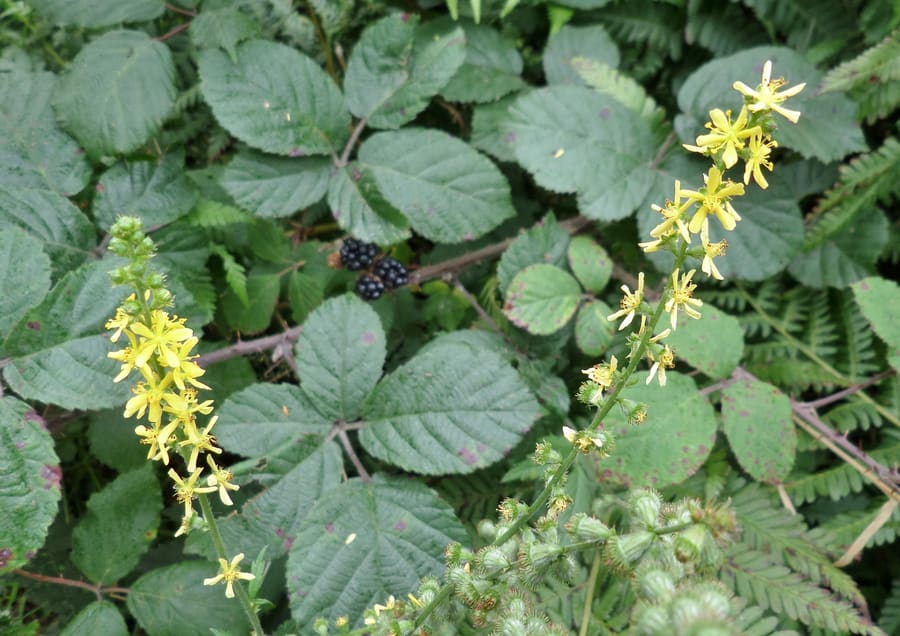 Agrimony (agrimonia eupatoria)
Agrimony is an erect, slightly aromatic perennial that grows to around 3 ft (1 m). It has paired leaves that are green above and silvery-green beneath, and it bears small, bright yellow, five-petaled flowers arranged on slender spikes. Historically, it has been noted for helping with urinary issues, diarrhea, and emotional tension.
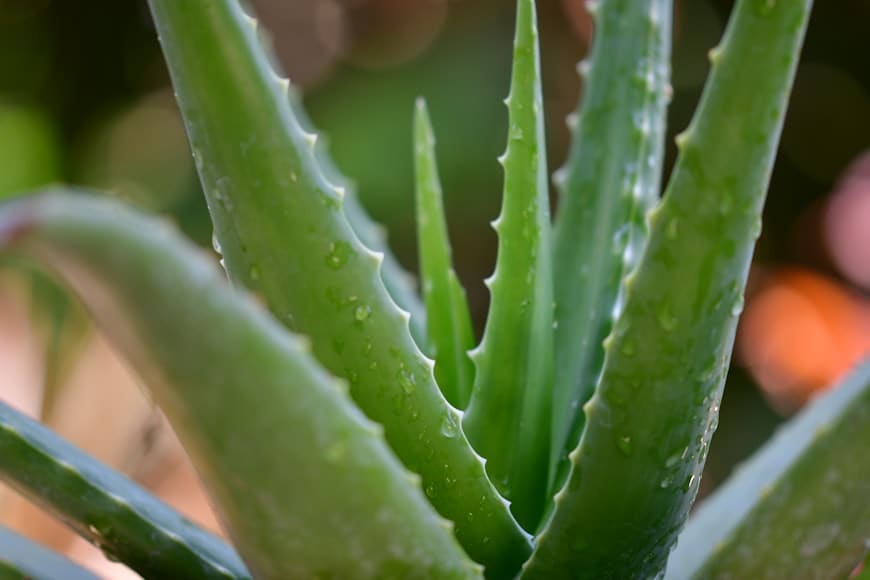 Aloe (Aloe vera)
Aloe vera (syn. A. barbadensis) is a succulent commonly grown as a potted plant, notable for its thick, fleshy leaves that contain two distinct medicinal components. The inner clear gel is renowned for its soothing and wound-healing properties, while the bitter yellow sap from the leaf base (often called “bitter aloes”) has a strong laxative effect. Historically, aloe vera has been prized for treating skin irritations, burns, and ulcers. It can also be taken internally (as juice) to support digestion and immune function. Whole leaf aloe juice has been used to help fight arthritis, AIDS, cancer, and other chronic conditions, though the outer leaf portion containing anthraquinones is typically filtered out to avoid harsh laxative effects.