
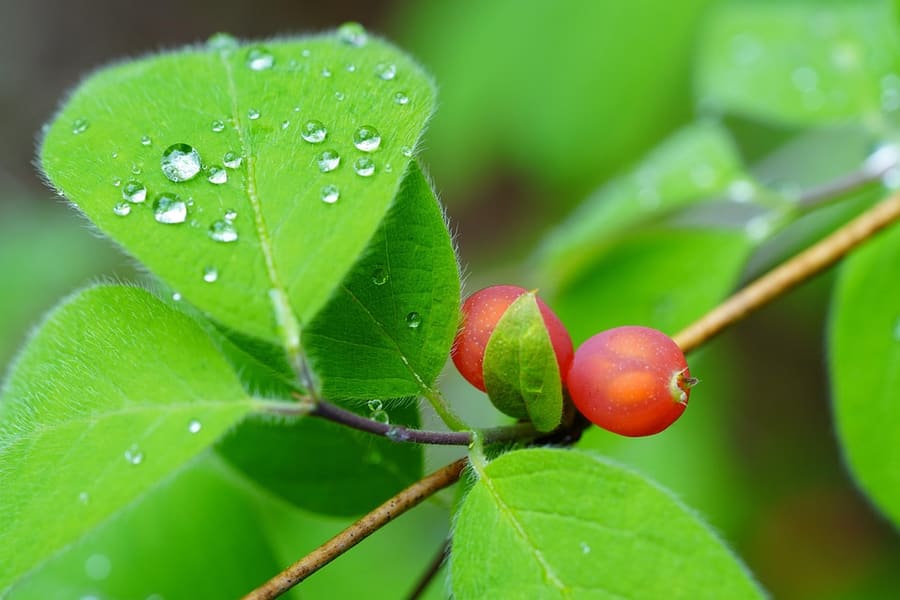
Schisandra (Schisandra chinensis)
Photo: Pixabay
- Digestive
- 4 conditions
- Licensed photo
Overview
Schisandra (Schisandra chinensis), also known as wu wei zi (“5-flavored herb”), is a woody vine that can grow up to 26 ft (8 m). It has pink blossoms and clusters of bright red berries containing powerful adaptogenic, antioxidant, and liver-protective constituents.
Traditional uses & properties
Adaptogen & Restorative: Boosts energy, helps coping with stress, and may aid sexual vitality. Hepatoprotective: Lignans support and protect liver function, beneficial for hepatitis and toxin-related liver damage. Nervous System Regulator: Can simultaneously stimulate and calm, reducing mild anxiety or irritability while improving mental clarity. Moistening: Lubricates dry tissues, traditionally helping coughs, night sweats, and thirst.
Traditional preparations
Traditional texts describe the preparations below, and where those texts give specific amounts, the amounts are quoted here as part of that record. This is a record of historical practice, not a dosage recommendation - the figures are what the sources say, not what HerbMate tells you to take. Amounts, potency, and safe use vary enormously by preparation, plant part, and person.
4-8 ounces 3 times daily
10 berries once daily
500-1,500 mg, 1-2 times daily
Dried berries (1:3, 40% alcohol); 1-3 ml (0.2-0.6 tsp.) 3 times daily
Safety & precautions
Acute Infections: Avoid taking when suffering from colds, flu, or fevers. Excessive Use: May cause insomnia and anxiety if used long term or at high doses. Medication Interactions: Consult professional advice if on medication, as schisandra can affect liver enzyme activity.
Drug & food interactions
Schisandra may modestly induce the metabolism of warfarin and greatly increase the absorption of tacrolimus, but it appears to have little effect on the metabolism of nifedipine.
- Herbal medicines
- No interactions found.
- Warfarin and related drugs
- The interaction between schisandra and warfarin is based on experimental evidence only.
- Tacrolimus
- Schisandra greatly increases tacrolimus levels and its adverse effects. In a pharmacokinetic study, 12 healthy subjects were given an extract of Schisandra sphenanthera (containing 33.75 mg schizandrin) twice daily for 14 days, with a single 2-mg oral dose of tacrolimus on day 14. The extract of Schisandra sphenanthera increased the AUC and maximum plasma concentrations of tacrolimus by 164% and 227%, but did not alter its half-life. Six of the 12 subjects experienced indigestion, and burning hands and feet, one hour after both medicines were given. These symptoms resolved over 10 hours.
- Nifedipine
- The interaction between schisandra and nifedipine is based on experimental evidence only.
- Food
- No interactions found.
These entries keep the wording of the reference they come from, and three phrases mean three different things. "No interactions found" means the source looked for reports of that pairing and found none. "No data found" means nothing has been published either way. "Based on experimental evidence only" means the effect has been seen in a laboratory or animal study but not in people - a reason for caution, not a report of harm.
Habitat
Cultivated primarily in northeastern China, schisandra prefers sunny conditions. The berries are collected fully ripe in autumn. Related species are similarly used in traditional East Asian medicine.
Traditionally used for
- Liver Support10 herbs · 2 free
- Low Sex Drive4 herbs · 2 free
- Erectile Disfunction6 herbs · 2 free
- Stress13 herbs · 2 free
Each condition shows its first 2 remedies free. Premium opens the full remedy list for every condition - or come back for the free Condition of the Day.
Frequently asked questions
What is Schisandra (Schisandra chinensis) traditionally used for?
Traditional sources describe Schisandra (Schisandra chinensis) as follows: Adaptogen & Restorative: Boosts energy, helps coping with stress, and may aid sexual vitality. Hepatoprotective: Lignans support and protect liver function, beneficial for hepatitis and toxin-related liver damage. Nervous System Regulator: Can simultaneously stimulate and calm, reducing mild anxiety or irritability while improving mental clarity. Moistening: Lubricates dry tissues, traditionally helping coughs, night sweats, and thirst.
How is Schisandra (Schisandra chinensis) prepared?
Traditional texts describe the preparations below, and where those texts give specific amounts, the amounts are quoted here as part of that record. This is a record of historical practice, not a dosage recommendation - the figures are what the sources say, not what HerbMate tells you to take. Amounts, potency, and safe use vary enormously by preparation, plant part, and person. STANDARD INFUSION: 4-8 ounces 3 times daily DRIED BERRIES: 10 berries once daily CAPSULE: 500-1,500 mg, 1-2 times daily TINCTURE: Dried berries (1:3, 40% alcohol); 1-3 ml (0.2-0.6 tsp.) 3 times daily
What safety cautions apply to Schisandra (Schisandra chinensis)?
Acute Infections: Avoid taking when suffering from colds, flu, or fevers. Excessive Use: May cause insomnia and anxiety if used long term or at high doses. Medication Interactions: Consult professional advice if on medication, as schisandra can affect liver enzyme activity.
Related herbs
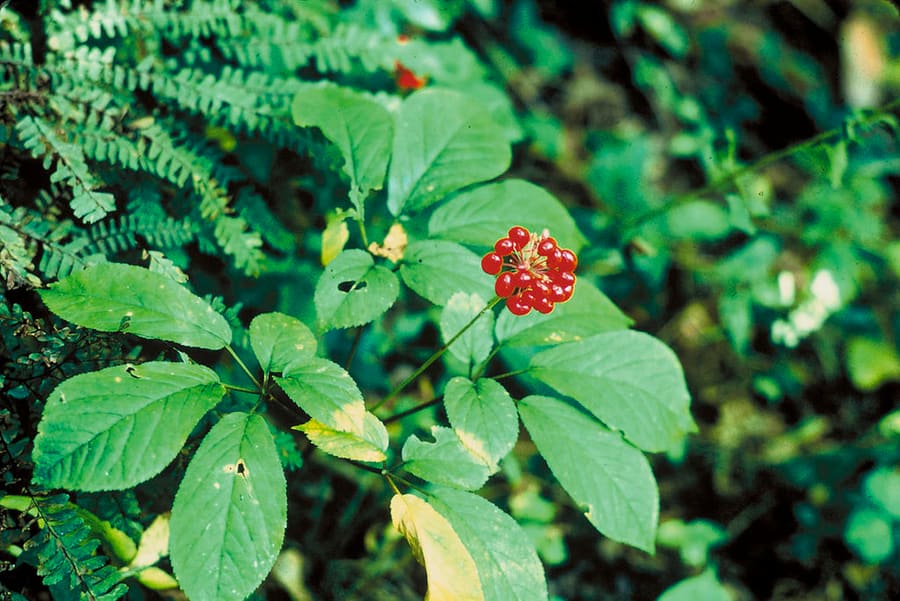 Ginseng (Panax ginseng)
Asian or Korean ginseng (Panax ginseng) is a perennial reaching about 3 ft (1 m) in height, with toothed oval leaves and a cluster of small green-yellow flowers. Its root is legendary for its adaptogenic qualities, boosting energy and physical stamina, slowing aspects of aging, and fortifying the body against stress. Ginseng is considered more warming (especially red ginseng, which is steamed before drying) and thus suited for older, easily fatigued individuals who feel cold.
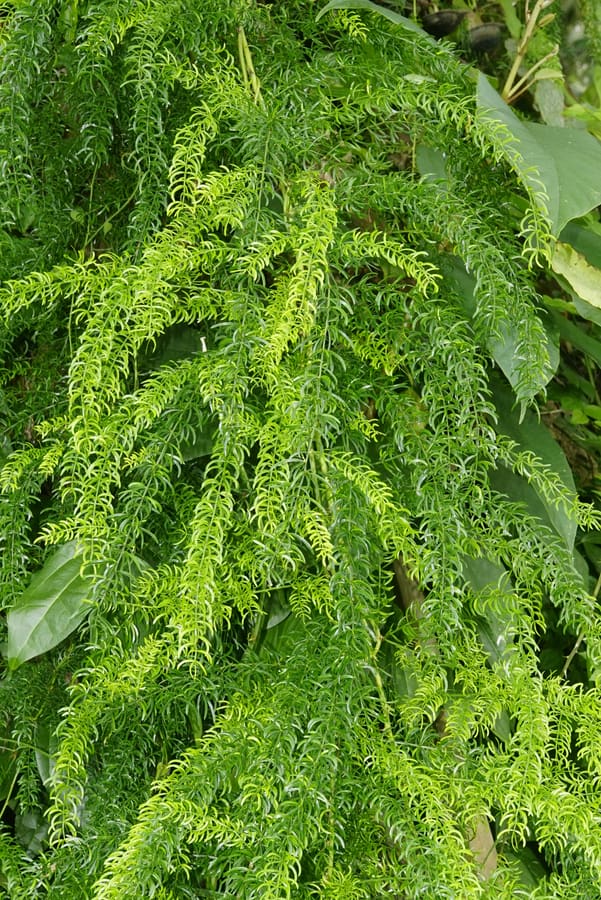 Shatavari (Asparagus racemosus)
Shatavari is a slender perennial fern that can grow up to 23 feet in height, featuring fronds of needle-like leaves, tiny white flowers, and purple-black berries. Known as the 'Queen of herbs' in Ayurvedic medicine, its name literally means '100 spouses,' reflecting its reputation as a sexual tonic and fertility promoter. The root is the medicinal part used. Native to the Himalayas and Indian subcontinent, it grows wild in gravelly soils up to 3,900 feet above sea level and is also found in western China.
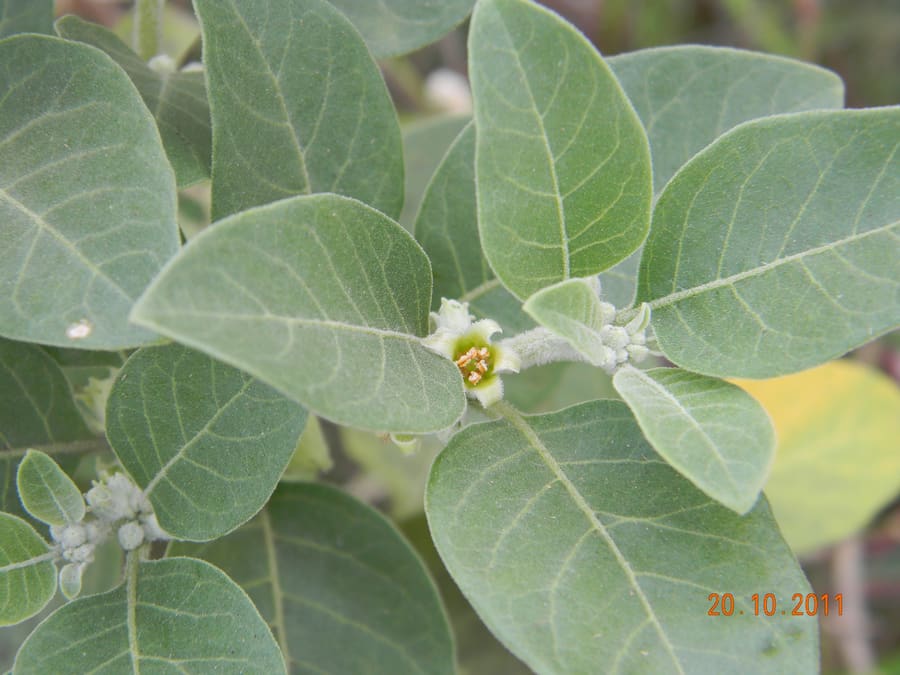 Ashwagandha (Withania somnifera)
Ashwagandha (Withania somnifera), sometimes called “Indian ginseng,” is a sturdy shrub growing to about 5 ft (1.5 m) with oval leaves, greenish or yellow flowers, and small, round fruits. A key herb in Ayurvedic medicine, it is valued for boosting vitality and aiding convalescence from chronic illnesses. It promotes relaxation, increases energy and muscle tone, and can support healthy thyroid hormone conversion from T4 to T3. Traditionally, ashwagandha is considered a “Rasáyana” (rejuvenator), used long-term to rebuild and regenerate body and mind.
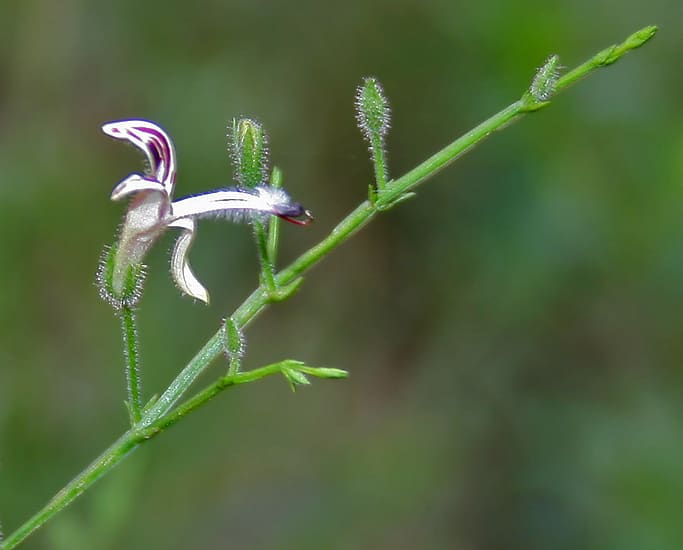 Andrographis (Andrographis paniculata)
Andrographis, commonly known as Green Chiretta or King of Bitters, is an upright annual herb reaching approximately 3 feet in height. Native to India and cultivated throughout northern regions of India and China, this bitter medicinal plant has been valued in Ayurvedic and traditional Chinese medicine for centuries. Historically used primarily for liver support and treating infections - especially malaria - it has earned recognition for its powerful immune-boosting and protective properties. The plant thrives on plains and in forest undergrowth, where its spotted pale brown or purple flowers and long seed capsules distinguish it from other medicinal herbs.
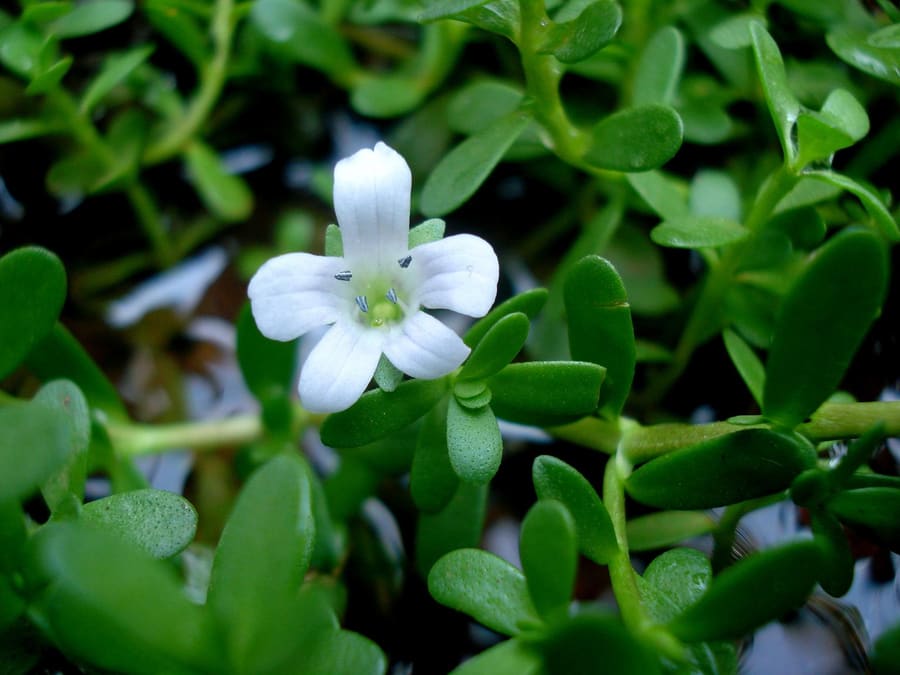 Bacopa (Bacopa monnieri)
Bacopa, also known as Water Hyssop or Brahmi, is a creeping succulent perennial that can grow to about 20 inches. It features spatula-shaped fleshy leaves and pale blue or white flowers on slender stalks. Thriving in marshlands and along the edges of mangrove swamps in warmer temperate and tropical climates - especially southern Asia - it develops into dense mats on mudflats. This herb has been a cornerstone of Ayurvedic medicine for supporting cognitive function and treating various nervous system disorders, and it is increasingly recognized in Western herbalism for its brain-enhancing properties.
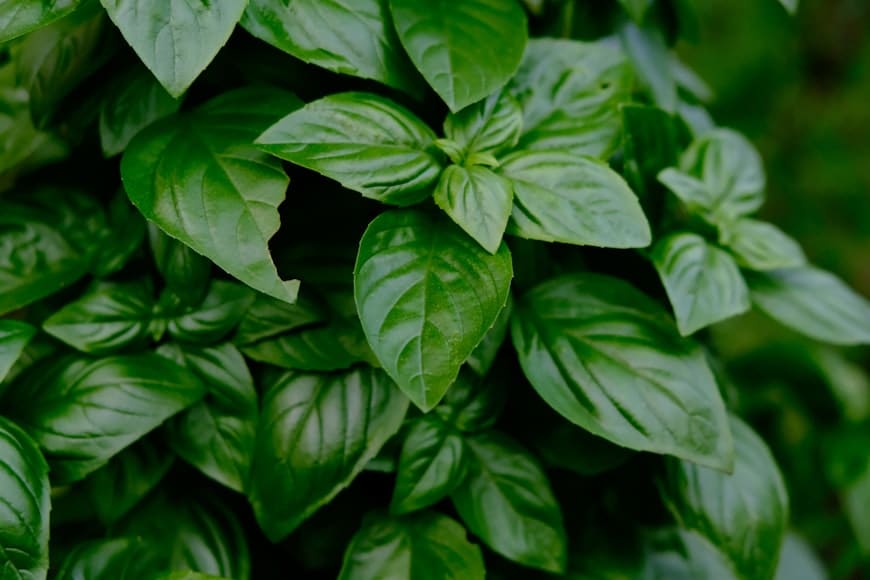 Basil
BasilBasil (Ocimum basilicum) is a bushy annual herb growing up to about 20 in (50 cm), with shiny oval leaves arranged on a square stem and small white flowers in whorls. Known for its strong, sweet aroma, basil is cultivated worldwide in numerous varieties. Traditional sources regard basil as both a culinary and medicinal herb, used to address digestive discomfort and various nervous system issues.
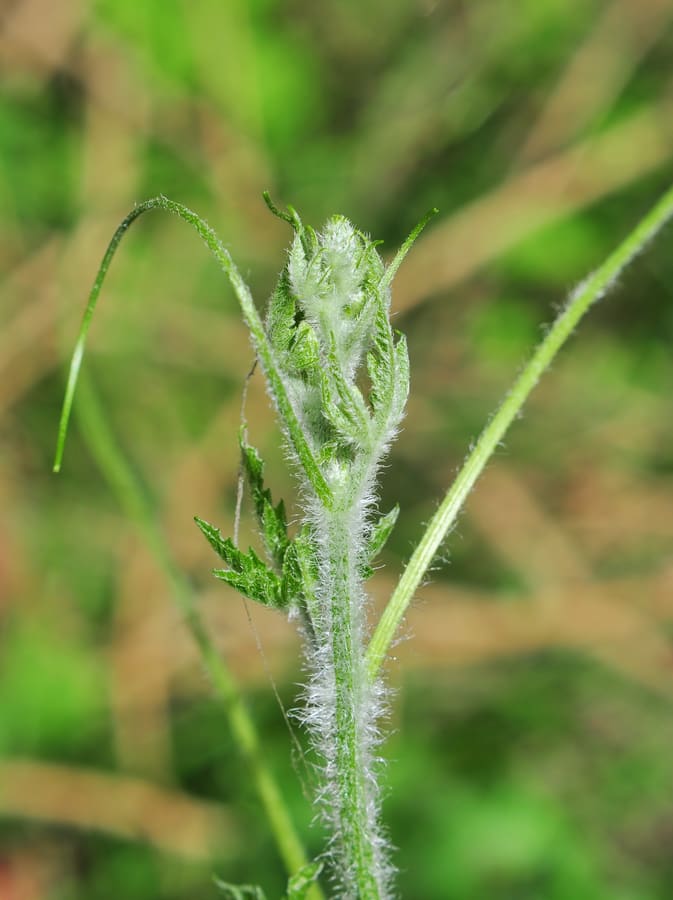 Bitter Melon (Momordica charantia)
Bitter melon is an annual climbing vine reaching about 6.5 feet, characterized by deeply lobed leaves, yellow flowers, and distinctive orange-yellow fruit. Native to southern Asia and now common throughout tropical regions worldwide, it is harvested year-round. The plant's unripe fruit, ripe fruit, leaves, seeds, and seed oil all have medicinal applications, and it has been a traditional remedy for diabetes symptoms in Asia, Africa, and the Caribbean for centuries.
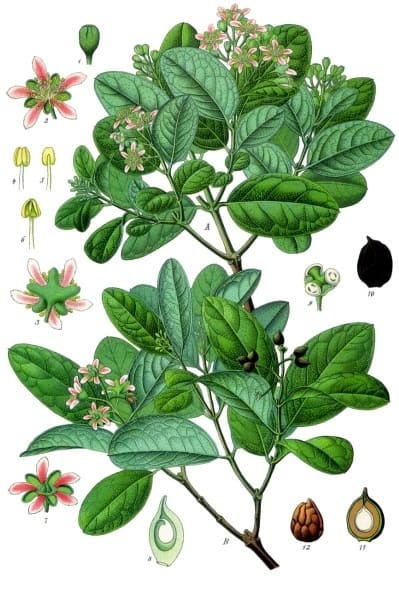 Boldo (Peumus boldus)Not for self-dosing
Boldo is a strongly aromatic multi-branched evergreen shrub or tree growing to 20 feet. It has egg-shaped leathery leaves with a lemony scent, clusters of white or yellow bell-shaped flowers, and small yellow berries. Native to Chile and Peru, it has become naturalized in the Mediterranean region and the West Coast of North America, where it grows on dry sunny slopes and in mountain pastures in the Andes. It is widely cultivated, and its leaves are gathered throughout the year. Boldo is a valued remedy in Latin American herbal medicine and is used by the Araucanian people in Chile as a tonic.