
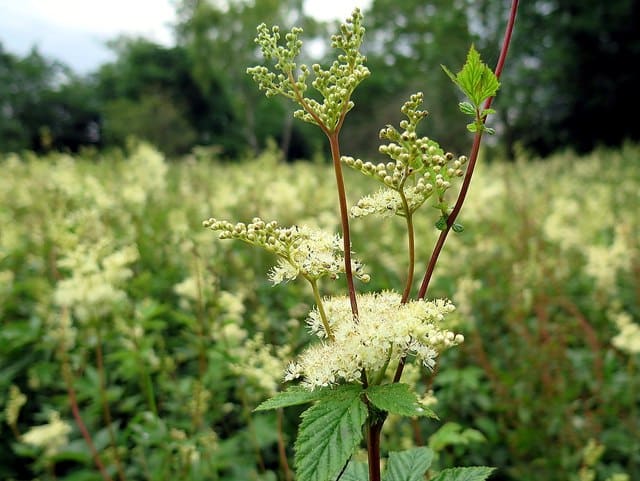
Meadowsweet (Filipendula ulmaria)
Photo: © geograph.org.uk contributor · CC BY-SA 2.0
- Digestive
- 1 condition
- Licensed photo
Overview
Meadowsweet (Filipendula ulmaria) is a perennial reaching about 5 ft (1.5 m), with toothed leaves and sweetly scented clusters of creamy-white flowers. Known historically as a strewing herb, meadowsweet contains salicylates akin to aspirin, which reduce pain and inflammation without causing the gastric side effects commonly attributed to aspirin.
Traditional uses & properties
Analgesic & Anti-Inflammatory: The salicylates relieve pain in arthritic and rheumatic conditions but do not thin the blood like aspirin. Antacid & Stomachic: Helps settle acid indigestion, reflux, and mild gastric issues. Mildly Diuretic: Supports kidneys in clearing acid byproducts, easing joint inflammation. Skin & Tissue Support: Contains silica beneficial for connective tissues, aiding skin and joint health.
Traditional preparations
Traditional texts describe the preparations below, and where those texts give specific amounts, the amounts are quoted here as part of that record. This is a record of historical practice, not a dosage recommendation - the figures are what the sources say, not what HerbMate tells you to take. Amounts, potency, and safe use vary enormously by preparation, plant part, and person.
1,000-2,000 mg up to 3 times daily
4-8 ounces 1-4 times daily
Fresh leaf (1:2, 95% alcohol); dried leaf (1:5, 50% alcohol); 1-5 ml (0.2-1 tsp.) 1-4 times daily
Safety & precautions
Children with Fevers: Some herbalists advise against using meadowsweet in children with febrile illnesses (similar caution as with aspirin). Large Doses: Excess can cause nausea or vomiting. Allergy: Avoid if allergic to aspirin (salicylates).
Drug & food interactions
Interaction data is not available for this herb - talk to a pharmacist before combining it with any medication. A blank entry here means we have not documented interactions, not that none exist.
Habitat
Native to Europe, meadowsweet thrives in damp places, ditches, and along streams. It can self-sow freely or be propagated by root division in autumn or spring. Leaves and flowering tops are collected in summer once the blossoms open.
Traditionally used for
Each condition shows its first 2 remedies free. Premium opens the full remedy list for every condition - or come back for the free Condition of the Day.
Frequently asked questions
What is Meadowsweet (Filipendula ulmaria) traditionally used for?
Traditional sources describe Meadowsweet (Filipendula ulmaria) as follows: Analgesic & Anti-Inflammatory: The salicylates relieve pain in arthritic and rheumatic conditions but do not thin the blood like aspirin. Antacid & Stomachic: Helps settle acid indigestion, reflux, and mild gastric issues. Mildly Diuretic: Supports kidneys in clearing acid byproducts, easing joint inflammation. Skin & Tissue Support: Contains silica beneficial for connective tissues, aiding skin and joint health.
How is Meadowsweet (Filipendula ulmaria) prepared?
Traditional texts describe the preparations below, and where those texts give specific amounts, the amounts are quoted here as part of that record. This is a record of historical practice, not a dosage recommendation - the figures are what the sources say, not what HerbMate tells you to take. Amounts, potency, and safe use vary enormously by preparation, plant part, and person. POWDER OR CAPSULES: 1,000-2,000 mg up to 3 times daily STANDARD INFUSION: 4-8 ounces 1-4 times daily TINCTURE: Fresh leaf (1:2, 95% alcohol); dried leaf (1:5, 50% alcohol); 1-5 ml (0.2-1 tsp.) 1-4 times daily
What safety cautions apply to Meadowsweet (Filipendula ulmaria)?
Children with Fevers: Some herbalists advise against using meadowsweet in children with febrile illnesses (similar caution as with aspirin). Large Doses: Excess can cause nausea or vomiting. Allergy: Avoid if allergic to aspirin (salicylates).
Related herbs
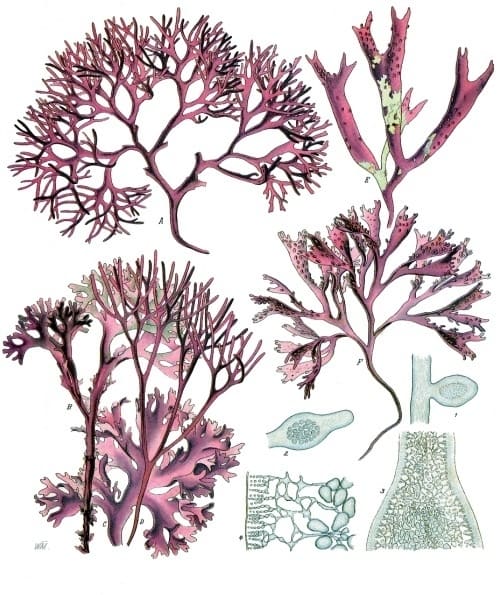 Irish Moss (Chondrus crispus)
Irish moss is a reddish-brown seaweed growing to 10 inches, with a flat, forked plant body and fan-shaped outline. Found on the Atlantic coasts of Europe and North America, it grows just below the waterline, attached to rocks and stones. In summer in North America and in autumn in Ireland, it is pulled up by hand or with a rake at low tide and dried in the sun. This seaweed is used extensively in the food and pharmaceutical industries as an emulsifying and binding agent, appearing in products such as toothpastes. Its polysaccharides become jelly-like and demulcent when immersed in water, making it valuable both as a food ingredient and medicinal herb.
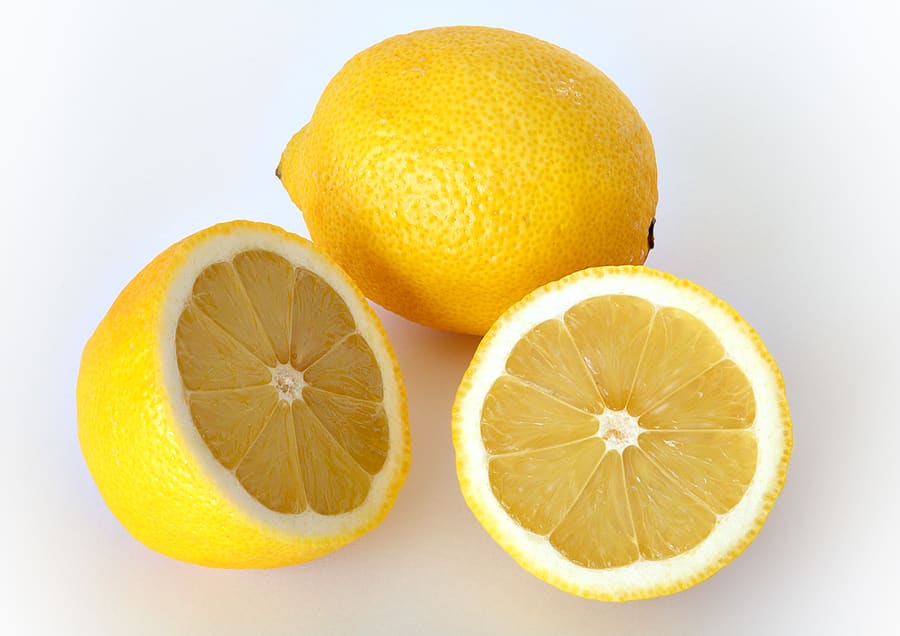 Lemon (Citrus limon)
Lemon (Citrus limon) is a small, evergreen tree with light-green, toothed leaves, fragrant white blossoms, and bright yellow fruit. Its high vitamin C content supports immune function, while lemon juice has an alkalizing effect in the body despite its acidity. Lemon is commonly used for colds, flu, and circulatory support, as well as for improving the flavor in countless foods and beverages.
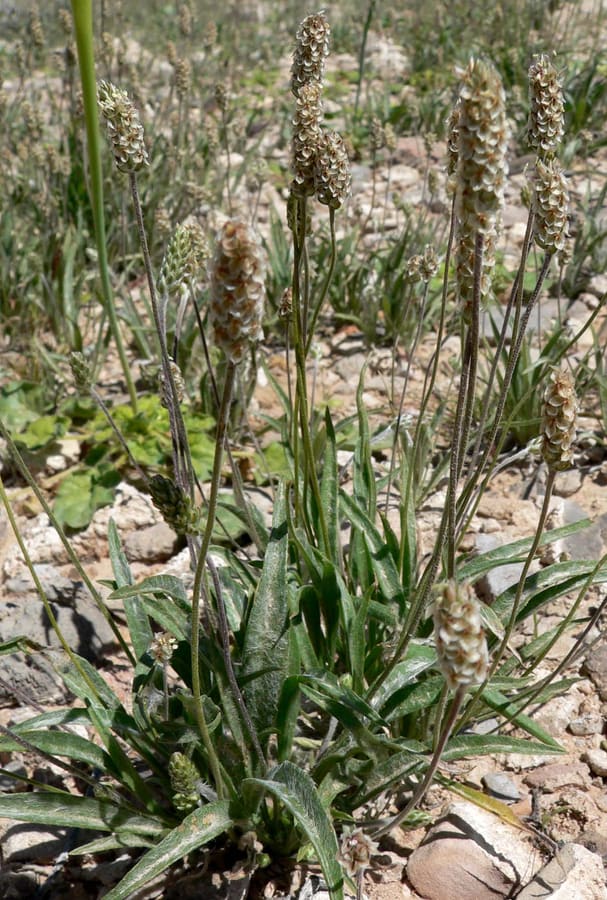 Psyllium (Plantago ovata)
Psyllium, also known as flea seed due to its small brown appearance, is produced by several Plantago species. It has been used as a safe and effective laxative for thousands of years across Europe, North Africa, and Asia. The seeds and husks have a bland taste and develop a jellylike consistency when moistened due to their high mucilage content. The plants are extensively cultivated, especially in India, and propagated from seed in spring. Seeds are harvested when ripe in late summer and early autumn.
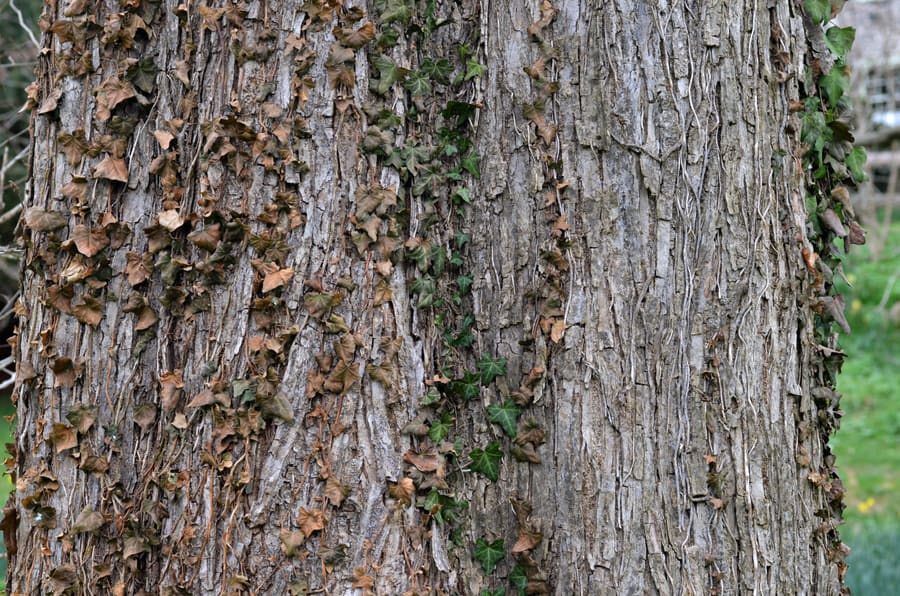 Slippery Elm (Ulmus rubra)
Slippery elm (Ulmus rubra) is a large tree native to the eastern U.S. and Canada. The medicinal part is the inner bark, prized for its high mucilage content. When soaked in water, it turns “slippery,” coating and soothing inflamed tissues in the mouth, throat, stomach, and intestines.