

Irish Moss (Chondrus crispus)
Photo: Franz Eugen Köhler, Köhler's Medizinal-Pflanzen · Public domain
- Digestive
- 5 conditions
- Licensed photo
Overview
Irish moss is a reddish-brown seaweed growing to 10 inches, with a flat, forked plant body and fan-shaped outline. Found on the Atlantic coasts of Europe and North America, it grows just below the waterline, attached to rocks and stones. In summer in North America and in autumn in Ireland, it is pulled up by hand or with a rake at low tide and dried in the sun. This seaweed is used extensively in the food and pharmaceutical industries as an emulsifying and binding agent, appearing in products such as toothpastes. Its polysaccharides become jelly-like and demulcent when immersed in water, making it valuable both as a food ingredient and medicinal herb.
Traditional uses & properties
Irish moss is a useful demulcent and emollient rich in iodine, trace minerals, protein, amino acids, and manganese. Its polysaccharides, which become jelly-like when wet, provide soothing relief for dry and irritated mucous membranes. The herb is mainly taken for coughs and bronchitis, where its expectorant effect encourages the coughing up of phlegm while soothing irritation. It is particularly helpful for chronic, dry lung conditions and sore throats. Irish moss is of value for acid indigestion, gastritis, and urinary infections such as cystitis, and is normally combined with other appropriate herbs for these conditions. Mucilaginous in texture and slightly salty in taste, it makes a valuable nutrient during convalescence. The herb arrests diarrhea but may also act as a mild bulk laxative for dry, hard stools. Applied externally, this emollient herb soothes inflamed skin. Irish moss contains mucilage (carrageenan) that is widely used as a stabilizer in dairy products and cosmetics. It also acts to thin the blood.
Traditional preparations
Traditional texts describe the preparations below, and where those texts give specific amounts, the amounts are quoted here as part of that record. This is a record of historical practice, not a dosage recommendation - the figures are what the sources say, not what HerbMate tells you to take. Amounts, potency, and safe use vary enormously by preparation, plant part, and person.
Powder or capsules: 1,000-5,000 mg up to 3 times daily.
Safety & precautions
Due to its blood-thinning property, Irish moss should not be used by people taking anticoagulant medicines. Generally safe when used as directed. No other significant warnings.
Drug & food interactions
Interaction data is not available for this herb - talk to a pharmacist before combining it with any medication. A blank entry here means we have not documented interactions, not that none exist.
Habitat
Found on the Atlantic coasts of Europe and North America. Grows just below the waterline, attached to rocks and stones. In summer in North America and in autumn in Ireland, it is pulled up by hand or with a rake at low tide and dried in the sun.
Traditionally used for
- Acidity5 herbs · 2 free
- Constipation13 herbs · 2 free
- Strep Throat10 herbs · 2 free
- Bronchitis17 herbs · 2 free
- Cystitis12 herbs · 2 free
Each condition shows its first 2 remedies free. Premium opens the full remedy list for every condition - or come back for the free Condition of the Day.
Frequently asked questions
What is Irish Moss (Chondrus crispus) traditionally used for?
Traditional sources describe Irish Moss (Chondrus crispus) as follows: Irish moss is a useful demulcent and emollient rich in iodine, trace minerals, protein, amino acids, and manganese. Its polysaccharides, which become jelly-like when wet, provide soothing relief for dry and irritated mucous membranes. The herb is mainly taken for coughs and bronchitis, where its expectorant effect encourages the coughing up of phlegm while soothing irritation. It is particularly helpful for chronic, dry lung conditions and sore throats. Irish moss is of value for acid indigestion, gastritis, and urinary infections such as cystitis, and is normally combined with other appropriate herbs for these conditions. Mucilaginous in texture and slightly salty in taste, it makes a valuable nutrient during convalescence. The herb arrests diarrhea but may also act as a mild bulk laxative for dry, hard stools. Applied externally, this emollient herb soothes inflamed skin. Irish moss contains mucilage (carrageenan) that is widely used as a stabilizer in dairy products and cosmetics. It also acts to thin the blood.
How is Irish Moss (Chondrus crispus) prepared?
Traditional texts describe the preparations below, and where those texts give specific amounts, the amounts are quoted here as part of that record. This is a record of historical practice, not a dosage recommendation - the figures are what the sources say, not what HerbMate tells you to take. Amounts, potency, and safe use vary enormously by preparation, plant part, and person. Powder or capsules: 1,000-5,000 mg up to 3 times daily.
What safety cautions apply to Irish Moss (Chondrus crispus)?
Due to its blood-thinning property, Irish moss should not be used by people taking anticoagulant medicines. Generally safe when used as directed. No other significant warnings.
Related herbs
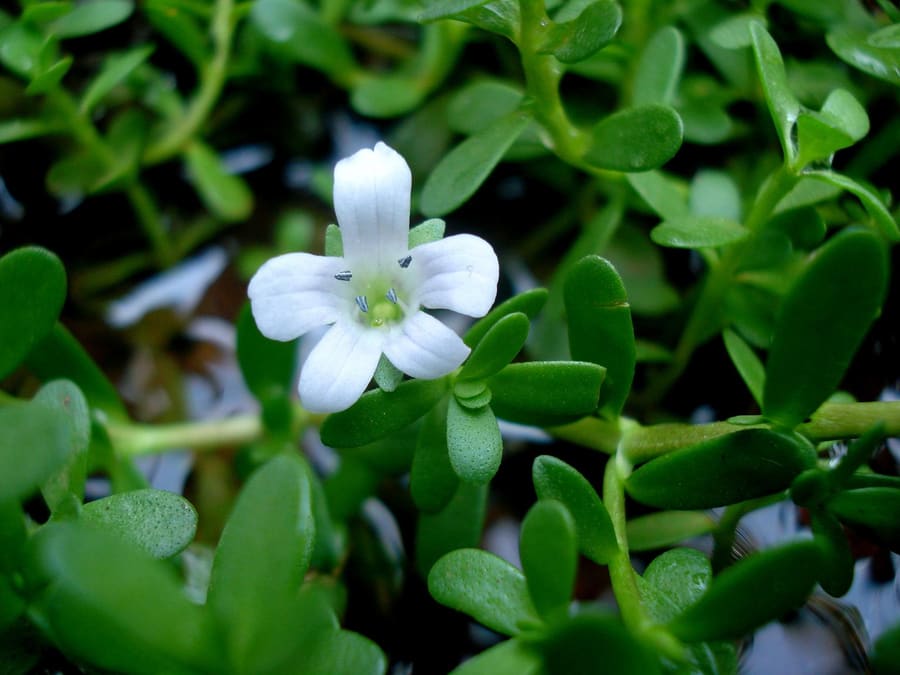 Bacopa (Bacopa monnieri)
Bacopa, also known as Water Hyssop or Brahmi, is a creeping succulent perennial that can grow to about 20 inches. It features spatula-shaped fleshy leaves and pale blue or white flowers on slender stalks. Thriving in marshlands and along the edges of mangrove swamps in warmer temperate and tropical climates - especially southern Asia - it develops into dense mats on mudflats. This herb has been a cornerstone of Ayurvedic medicine for supporting cognitive function and treating various nervous system disorders, and it is increasingly recognized in Western herbalism for its brain-enhancing properties.
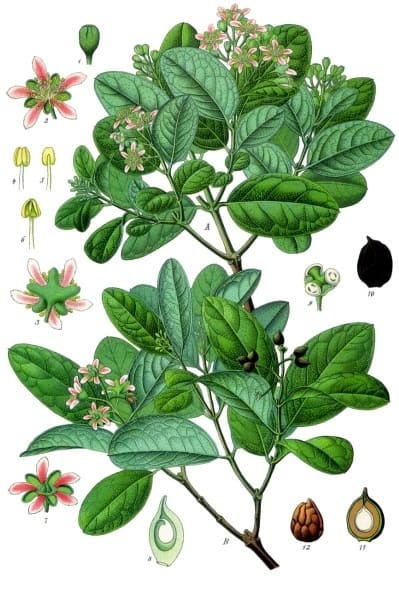 Boldo (Peumus boldus)Not for self-dosing
Boldo is a strongly aromatic multi-branched evergreen shrub or tree growing to 20 feet. It has egg-shaped leathery leaves with a lemony scent, clusters of white or yellow bell-shaped flowers, and small yellow berries. Native to Chile and Peru, it has become naturalized in the Mediterranean region and the West Coast of North America, where it grows on dry sunny slopes and in mountain pastures in the Andes. It is widely cultivated, and its leaves are gathered throughout the year. Boldo is a valued remedy in Latin American herbal medicine and is used by the Araucanian people in Chile as a tonic.
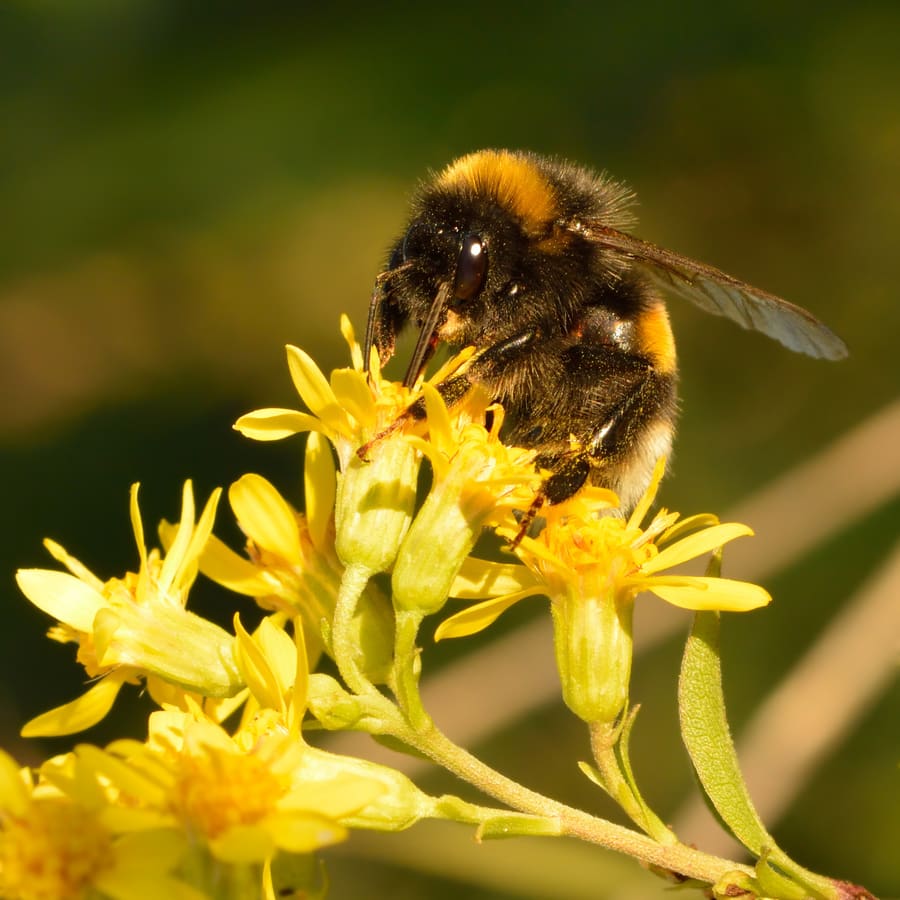 Goldenrod (Solidago virgaurea)
Goldenrod is a perennial plant growing to 28 inches with toothed leaves and branched spikes of golden-yellow flowers. Native to Europe and Asia and naturalized in North America, it prefers open areas and hillsides and is gathered in summer while in flower. The herbalist John Gerard commented wryly in 1597 about how goldenrod's value plummeted once it was discovered growing locally in Hampstead wood, London, noting society's tendency to esteem things only while they remain rare and foreign. Four hundred years later, this observation still rings true, though the herb's genuine therapeutic value remains unchanged.
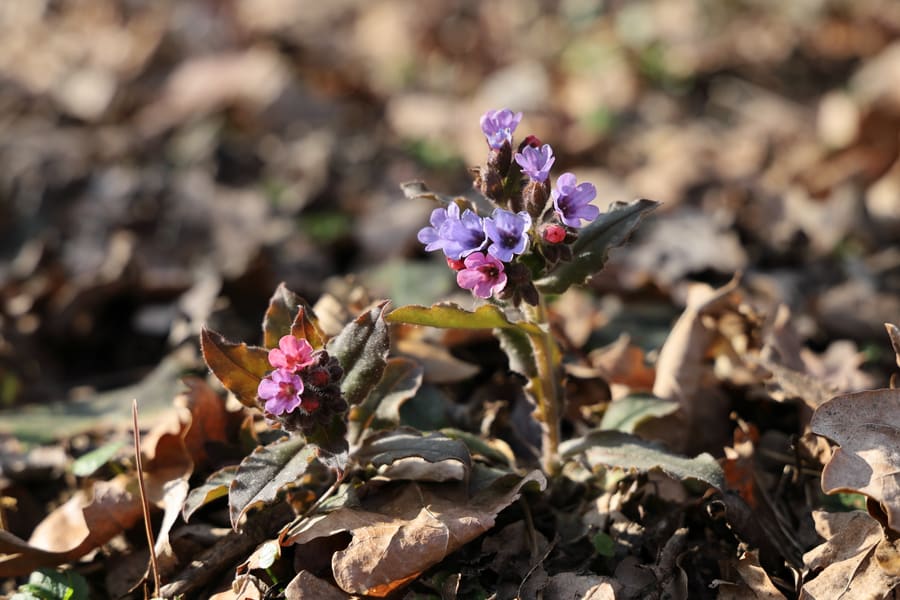 Lungwort (Pulmonaria officinalis)
Lungwort is a perennial herb growing to 1 foot with broad oval basal leaves, smaller upper leaves mottled with white spots, and clusters of pink-purple flowers. Native to Europe and the Caucasus, it flourishes in mountain pastures and damp sites. The leaves are gathered in late spring. According to the medieval Doctrine of Signatures, which held that a plant's appearance pointed to the ailment it treated, lungwort was effective for chest ailments because its leaves were said to resemble lung tissue. This folk belief, while not scientifically founded, turned out to have merit - the herb is indeed valuable for respiratory conditions.
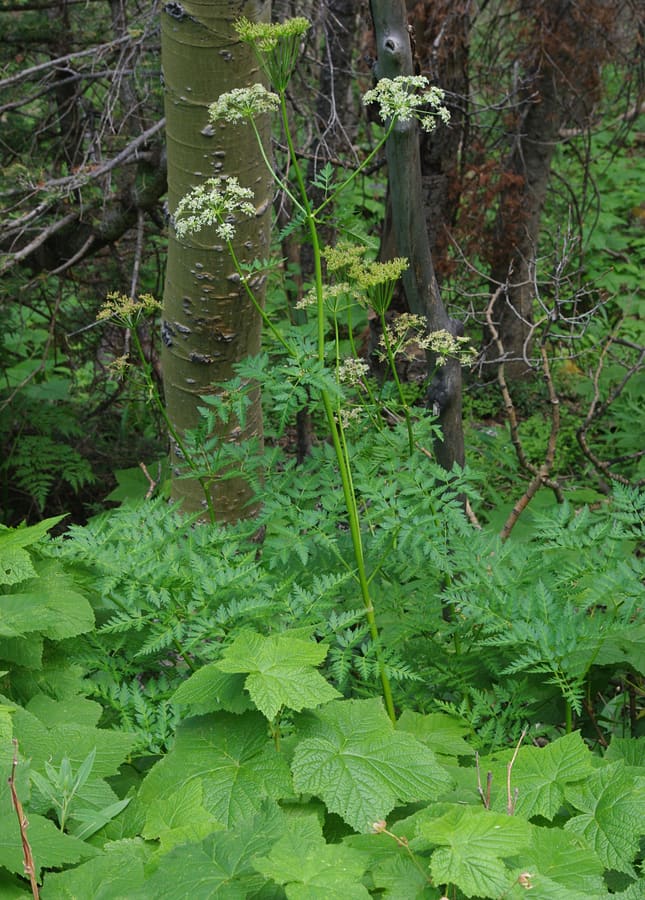 Osha (Ligusticum porteri)
Osha is a powerful respiratory remedy that has been overharvested in the wild and is extremely difficult to cultivate. It is listed on the United Plant Savers at-risk list. The root has been traditionally valued for its ability to stimulate the digestive and immune systems while expelling mucus. Until wild populations stabilize, its use should be limited, with alternatives like pine, grindelia, and ginger recommended as replacements.
 Pau d'Arco (Tabebuia impetiginosa)
Pau d'arco is an evergreen tree that can reach 100 feet in height, producing pink flowers. The bark of this South American tree has been treasured for centuries in traditional medicine for its extensive health benefits. Indigenous peoples including the Incas and the Callawaya valued it as a cure-all. The tree grows in both mountainous terrains high in the Andes and in low-lying areas of Paraguay and Brazil. The prized inner bark is collected from wild-growing trees throughout the year.
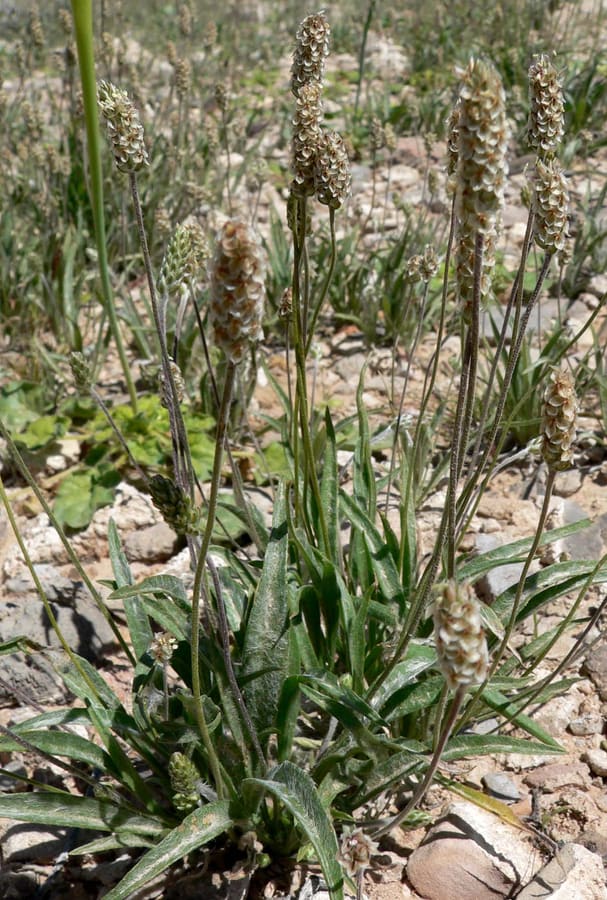 Psyllium (Plantago ovata)
Psyllium, also known as flea seed due to its small brown appearance, is produced by several Plantago species. It has been used as a safe and effective laxative for thousands of years across Europe, North Africa, and Asia. The seeds and husks have a bland taste and develop a jellylike consistency when moistened due to their high mucilage content. The plants are extensively cultivated, especially in India, and propagated from seed in spring. Seeds are harvested when ripe in late summer and early autumn.
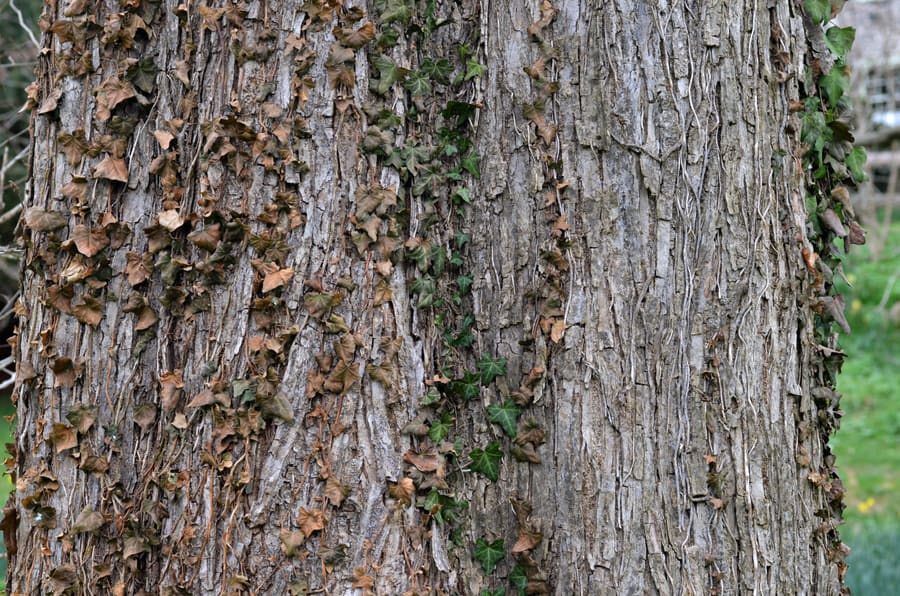 Slippery Elm (Ulmus rubra)
Slippery elm (Ulmus rubra) is a large tree native to the eastern U.S. and Canada. The medicinal part is the inner bark, prized for its high mucilage content. When soaked in water, it turns “slippery,” coating and soothing inflamed tissues in the mouth, throat, stomach, and intestines.