
Herbs for Colitis
7 herbs traditionally used for this condition.
- Boswellia (Boswellia serrata)
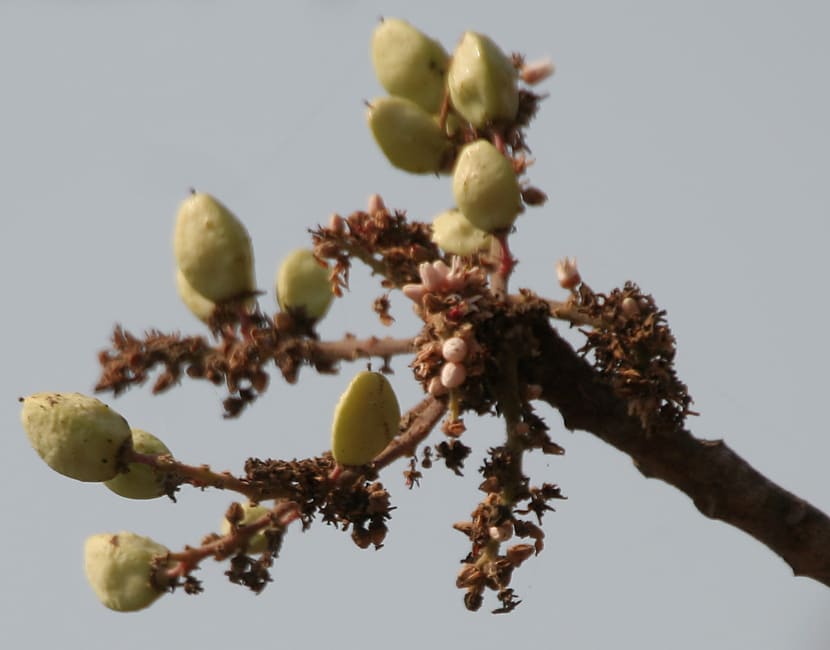
Boswellia is a deciduous tree growing to about 49 ft (15 m), characterized by its pale, papery bark, compound leaves, and small clusters of white flowers. The resin, which exudes from the bark and dries to a transparent gold color, has been used for thousands of years in traditional Ayurvedic medicine for arthritis, pulmonary diseases, ringworm, and diarrhea. The key active components are boswellic acids, noted for their marked anti-inflammatory and pain-relieving properties. Modern research suggests boswellia can be helpful in osteoarthritis, rheumatoid arthritis, bursitis, tendonitis, Crohn’s disease, and ulcerative colitis.
- Calendula (Calendula officinalis)
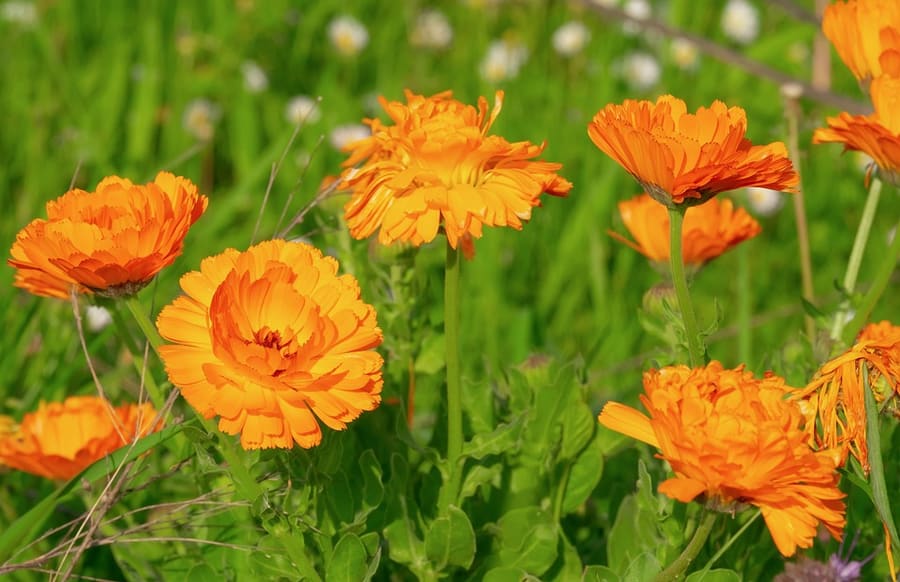
Calendula (Calendula officinalis), with its bright orange daisy-like flowers, is among the most versatile herbs in Western herbal medicine. Its petals contain antiseptic, anti-inflammatory, and vulnerary properties, making it excellent for speeding tissue repair in wounds, burns, bruises, and various skin irritations. Calendula is also used internally for gastrointestinal inflammation (e.g., Crohn’s disease, colitis, gastritis).
- Andrographis (Andrographis paniculata)
Andrographis, commonly known as Green Chiretta or King of Bitters, is an upright annual herb reaching approximately 3 feet in height. Native to India and cultivated throughout northern regions of India and China, this bitter medicinal plant has been valued in Ayurvedic and traditional Chinese medicine for centuries. Historically used primarily for liver support and treating infections—especially malaria—it has earned recognition for its powerful immune-boosting and protective properties. The plant thrives on plains and in forest undergrowth, where its spotted pale brown or purple flowers and long seed capsules distinguish it from other medicinal herbs.
- Bitter Melon (Momordica charantia)
Bitter melon is an annual climbing vine reaching about 6.5 feet, characterized by deeply lobed leaves, yellow flowers, and distinctive orange-yellow fruit. Native to southern Asia and now common throughout tropical regions worldwide, it is harvested year-round. The plant's unripe fruit, ripe fruit, leaves, seeds, and seed oil all have medicinal applications, and it has been a traditional remedy for diabetes symptoms in Asia, Africa, and the Caribbean for centuries.
- Cat's Claw (Uncaria tomentosa)
Cat's claw is a climbing vine that can grow to 100 feet or more, with stems up to 8 inches in diameter, large glossy leaves, and sharp hooks resembling a cat's claws. Native to tropical rainforests in the central and eastern Andes—especially Peru, Ecuador, and Colombia—it has also been found in Guatemala, Costa Rica, and Panama. Known by the Ashaninka and other indigenous peoples of central Peru for its power in regulating illness, it has been used since ancient times to treat serious conditions ranging from asthma and diabetes to arthritis and cancer. By the early 1990s, over-collection from the wild threatened the species' survival; only sustainably sourced stem bark should be used, rather than root bark.
- Psyllium (Plantago ovata)
Psyllium, also known as flea seed due to its small brown appearance, is produced by several Plantago species. It has been used as a safe and effective laxative for thousands of years across Europe, North Africa, and Asia. The seeds and husks have a bland taste and develop a jellylike consistency when moistened due to their high mucilage content. The plants are extensively cultivated, especially in India, and propagated from seed in spring. Seeds are harvested when ripe in late summer and early autumn.
- Stone Root (Collinsonia canadensis)
Stone root is a perennial herb growing to 3 feet tall, characterized by a square stem, oval leaves, and clusters of greenish-yellow flowers. Native to moist woodlands of eastern North America, the root is harvested in autumn. The plant contains volatile oil, tannins, and saponins.