
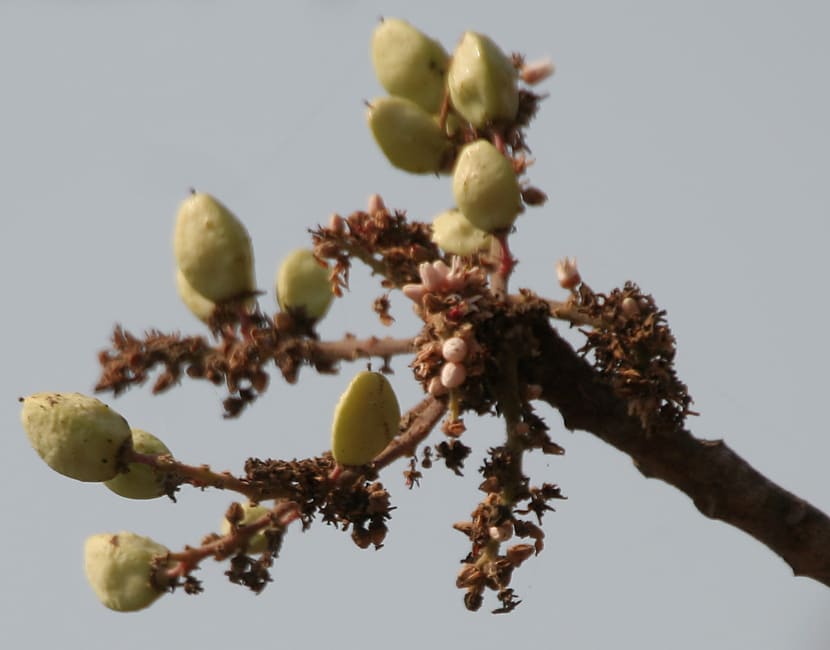
Boswellia (Boswellia serrata)
Photo: J.M.Garg · CC BY-SA 4.0
- Digestive
- 4 conditions
- Licensed photo
Overview
Boswellia is a deciduous tree growing to about 49 ft (15 m), characterized by its pale, papery bark, compound leaves, and small clusters of white flowers. The resin, which exudes from the bark and dries to a transparent gold color, has been used for thousands of years in traditional Ayurvedic medicine for arthritis, pulmonary diseases, ringworm, and diarrhea. The key active components are boswellic acids, noted for their marked anti-inflammatory and pain-relieving properties. Modern research suggests boswellia can be helpful in osteoarthritis, rheumatoid arthritis, bursitis, tendonitis, Crohn’s disease, and ulcerative colitis.
Traditional uses & properties
Analgesic (Anodyne): Helps relieve pain, particularly joint and muscle discomfort. Anti-inflammatory: Useful for inflammatory conditions such as arthritis and inflammatory bowel diseases. Expectorant: Traditionally employed to support the respiratory system. Astringent & Antiseptic (when used as a gargle or mouthwash): Soothes inflamed mucous membranes in the mouth and throat.
Traditional preparations
Traditional texts describe the preparations below, and where those texts give specific amounts, the amounts are quoted here as part of that record. This is a record of historical practice, not a dosage recommendation - the figures are what the sources say, not what HerbMate tells you to take. Amounts, potency, and safe use vary enormously by preparation, plant part, and person.
Take capsules of 400-1,000 mg, 3 times daily.
Safety & precautions
No known specific warnings were provided in the text. As with any herb, it is best used under the advice of a qualified practitioner, especially for chronic inflammation or serious conditions.
Drug & food interactions
Some evidence suggests that food may beneficially increase the bioavailability of boswellic acids, but other interaction data are generally lacking. It seems possible that boswellia may interact with conventional drugs by inhibiting P-glycoprotein and/or cytochrome P450 isoenzymes (see Pharmacokinetics, above), but the data are too sparse to make any meaningful predictions.
- Medicine
- No interactions found.
- Food
- Food appears to beneficially increase the bioavailibility of boswellic acids. In a crossover study, 12 healthy subjects, after fasting for 10 hours, were given a single 786-mg dose of dry extract (gum resin) of Boswellia serrata (standardised to 55% boswellic acids) with a high-fat meal. The plasma AUCs of the boswellic acids were increased by between about 1.8- and 5-fold by the high-fat meal, and the maximum plasma levels were increased by up to 6-fold. No serious adverse events were noted
- Conventional drugs
- No interactions found.
These entries keep the wording of the reference they come from, and three phrases mean three different things. "No interactions found" means the source looked for reports of that pairing and found none. "No data found" means nothing has been published either way. "Based on experimental evidence only" means the effect has been seen in a laboratory or animal study but not in people - a reason for caution, not a report of harm.
Habitat
Native to dry, hilly areas of central and northern India, boswellia trees thrive in arid conditions. The gum resin is collected after it drips from cuts made in the bark.
Traditionally used for
- Colitis8 herbs · 2 free
- Arthritis11 herbs · 2 free
- Disk Degeneration3 herbs · 2 free
- Osteoporosis2 herbs
Each condition shows its first 2 remedies free. Premium opens the full remedy list for every condition - or come back for the free Condition of the Day.
Frequently asked questions
What is Boswellia (Boswellia serrata) traditionally used for?
Traditional sources describe Boswellia (Boswellia serrata) as follows: Analgesic (Anodyne): Helps relieve pain, particularly joint and muscle discomfort. Anti-inflammatory: Useful for inflammatory conditions such as arthritis and inflammatory bowel diseases. Expectorant: Traditionally employed to support the respiratory system. Astringent & Antiseptic (when used as a gargle or mouthwash): Soothes inflamed mucous membranes in the mouth and throat.
How is Boswellia (Boswellia serrata) prepared?
Traditional texts describe the preparations below, and where those texts give specific amounts, the amounts are quoted here as part of that record. This is a record of historical practice, not a dosage recommendation - the figures are what the sources say, not what HerbMate tells you to take. Amounts, potency, and safe use vary enormously by preparation, plant part, and person. Arthritis: Take capsules of 400-1,000 mg, 3 times daily.
What safety cautions apply to Boswellia (Boswellia serrata)?
No known specific warnings were provided in the text. As with any herb, it is best used under the advice of a qualified practitioner, especially for chronic inflammation or serious conditions.
Related herbs
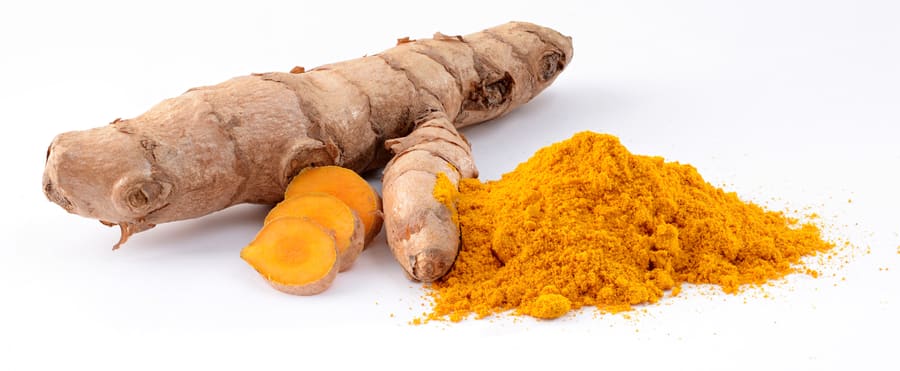 Turmeric (Curcuma longa)
Turmeric (Curcuma longa) is a perennial with a thick rhizome, growing to about 3 ft (90 cm), featuring lance-shaped leaves and pale yellow flowers. Renowned for its bright yellow-orange color, turmeric is a potent anti-inflammatory, antioxidant, and liver-supportive herb commonly employed in Indian cooking and Ayurveda.
 Cat's Claw (Uncaria tomentosa)
Cat's claw is a climbing vine that can grow to 100 feet or more, with stems up to 8 inches in diameter, large glossy leaves, and sharp hooks resembling a cat's claws. Native to tropical rainforests in the central and eastern Andes - especially Peru, Ecuador, and Colombia - it has also been found in Guatemala, Costa Rica, and Panama. Known by the Ashaninka and other indigenous peoples of central Peru for its power in regulating illness, it has been used since ancient times to treat serious conditions ranging from asthma and diabetes to arthritis and cancer. By the early 1990s, over-collection from the wild threatened the species' survival; only sustainably sourced stem bark should be used, rather than root bark.
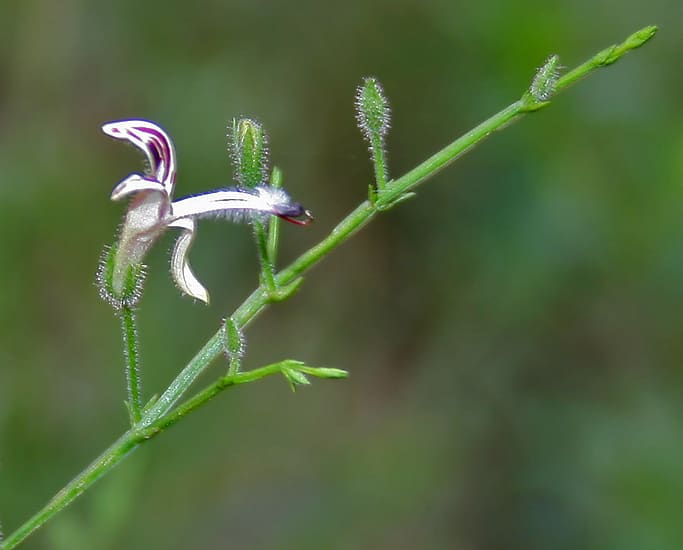 Andrographis (Andrographis paniculata)
Andrographis, commonly known as Green Chiretta or King of Bitters, is an upright annual herb reaching approximately 3 feet in height. Native to India and cultivated throughout northern regions of India and China, this bitter medicinal plant has been valued in Ayurvedic and traditional Chinese medicine for centuries. Historically used primarily for liver support and treating infections - especially malaria - it has earned recognition for its powerful immune-boosting and protective properties. The plant thrives on plains and in forest undergrowth, where its spotted pale brown or purple flowers and long seed capsules distinguish it from other medicinal herbs.
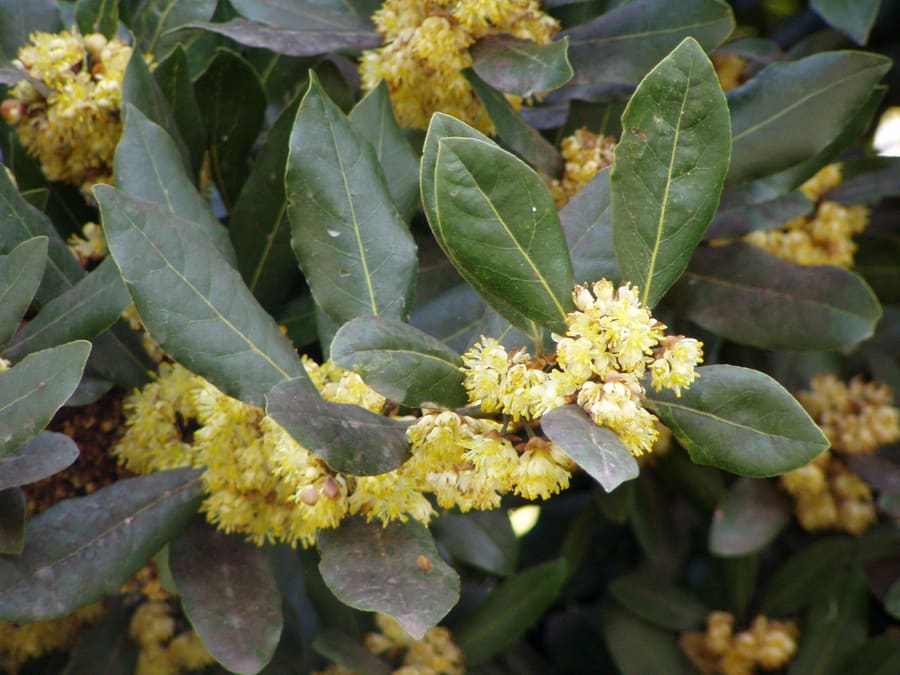 Bay laurel (Laurus nobilis)
Bay laurel (Laurus nobilis) is an aromatic evergreen shrub or small tree that can grow up to about 65 ft (20 m). It features leathery, dark green, lance-shaped leaves, small yellow flowers, and shiny black berries. The plant is well known for its culinary use (“bay leaves”) as well as its medicinal history in ancient Greece and Rome.
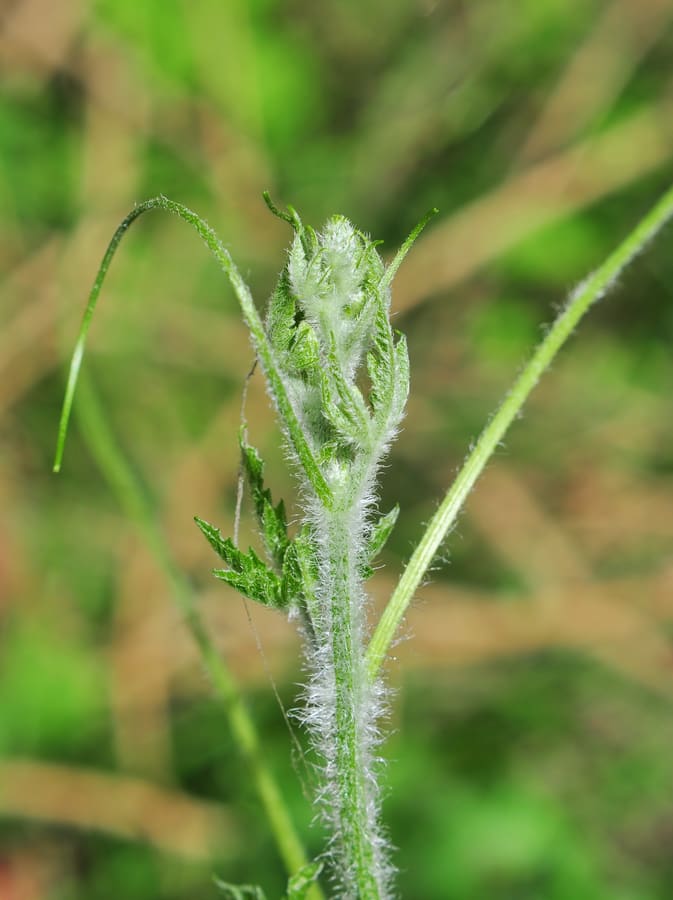 Bitter Melon (Momordica charantia)
Bitter melon is an annual climbing vine reaching about 6.5 feet, characterized by deeply lobed leaves, yellow flowers, and distinctive orange-yellow fruit. Native to southern Asia and now common throughout tropical regions worldwide, it is harvested year-round. The plant's unripe fruit, ripe fruit, leaves, seeds, and seed oil all have medicinal applications, and it has been a traditional remedy for diabetes symptoms in Asia, Africa, and the Caribbean for centuries.
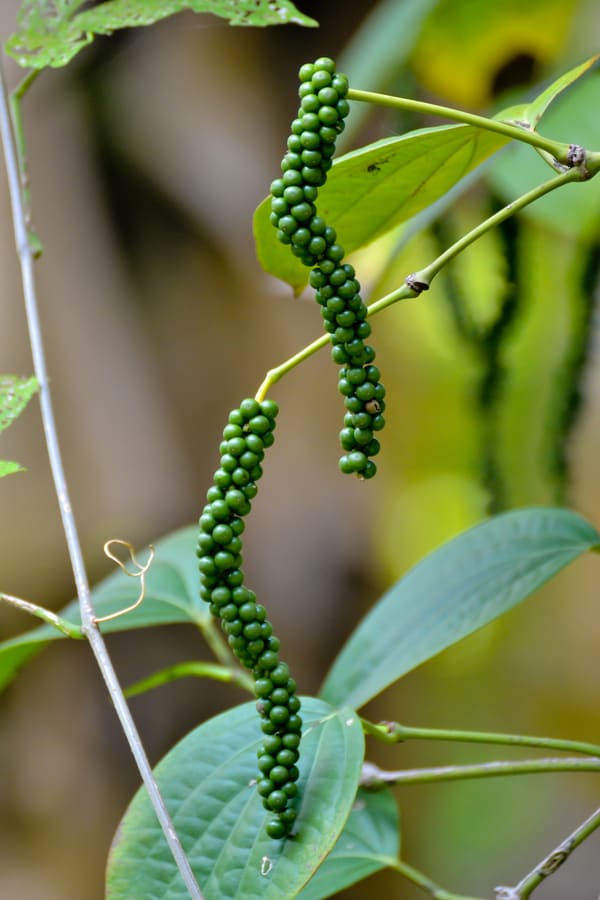 Black Pepper (Piper nigrum)
Black pepper is a perennial woody climbing vine growing to about 16 feet, with large oval leaves, spikes of small white flowers, and clusters of small round fruits that ripen from green to red. Native to southwestern India and now cultivated in tropical areas worldwide, the fruit is harvested from plants that are at least three years old. Different processing methods yield green, black, red, and white peppercorns, each with distinct flavors and uses. Cultivated as both a spice and medicine since ancient times, pepper was such a prized commodity in world trade that Attila the Hun reportedly demanded 3,000 pounds of it as ransom during his siege of Rome in 408 CE.
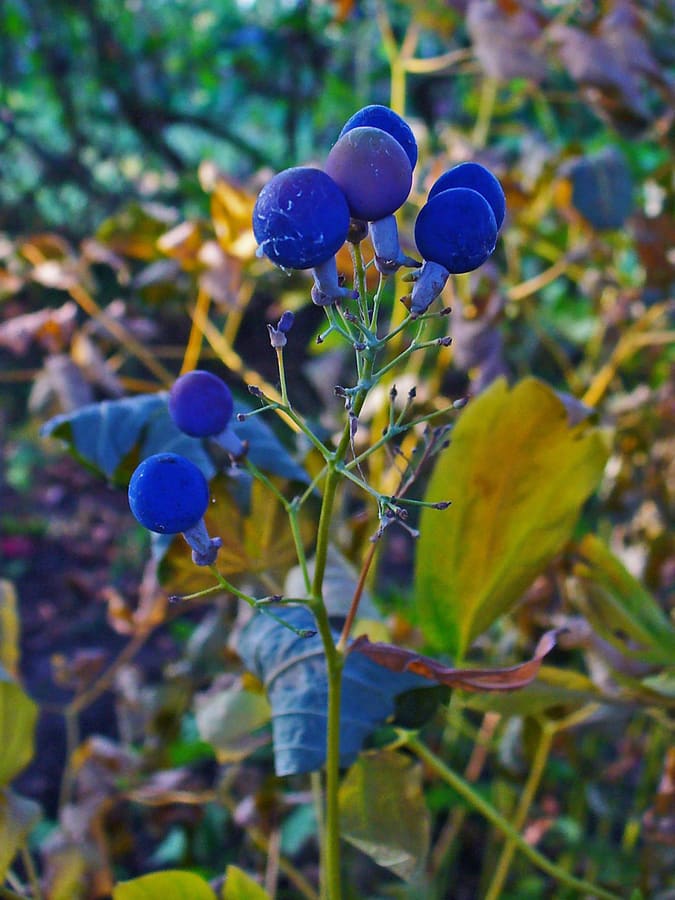 Blue Cohosh (Caulophyllum thalictroides)Not for self-dosing
Blue cohosh is an upright perennial herb reaching 3 feet in height, with large three-lobed leaves, yellow to purple flowers, and striking blue berries. It grows wild in much of eastern North America from Manitoba to Alabama, preferring woodland valleys and damp, north-facing slopes. The name 'cohosh' comes from the Algonquin language, and the plant was a popular remedy among many Native American tribes. Though taken by both sexes for genitourinary issues, it was primarily valued as a women's herb, and that tradition continues in modern herbal practice.
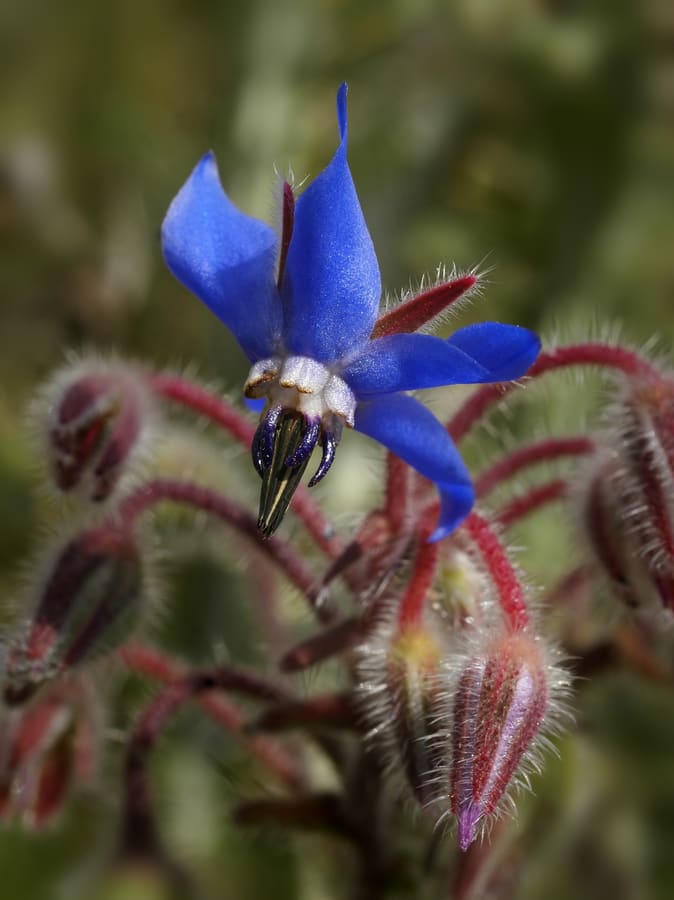 Borage (Borago officinalis)Not for self-dosing
Borage (Borago officinalis) is a coarse, hairy annual that grows to about 2 ft (60 cm), featuring a succulent stem, large basal leaves, and distinctively bright blue star-shaped flowers. The seeds yield an oil exceptionally rich in gamma-linolenic acid (GLA) - a form of polyunsaturated fatty acid beneficial for inflammatory and skin conditions. Traditionally, borage leaves and flowers are associated with uplifting mood and supporting adrenal function.