
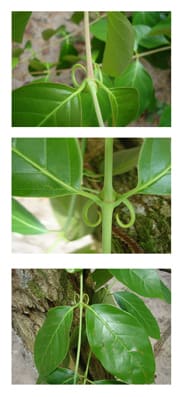
Cat's Claw (Uncaria tomentosa)
Photo: Vangeliq.petrova · CC BY-SA 4.0
- Digestive
- 5 conditions
- Licensed photo
Overview
Cat's claw is a climbing vine that can grow to 100 feet or more, with stems up to 8 inches in diameter, large glossy leaves, and sharp hooks resembling a cat's claws. Native to tropical rainforests in the central and eastern Andes - especially Peru, Ecuador, and Colombia - it has also been found in Guatemala, Costa Rica, and Panama. Known by the Ashaninka and other indigenous peoples of central Peru for its power in regulating illness, it has been used since ancient times to treat serious conditions ranging from asthma and diabetes to arthritis and cancer. By the early 1990s, over-collection from the wild threatened the species' survival; only sustainably sourced stem bark should be used, rather than root bark.
Traditional uses & properties
Cat's claw is one of the best remedies for normalizing gastrointestinal function, often helpful for ulcers, gastritis, Crohn's disease, and irritable bowel syndrome. Like echinacea, it supports a weakened immune system and reinvigorates the body's efforts to counter infection and inflammation. Its pentacyclic oxindole alkaloids (POAs), triterpenoid glycosides, and tannins including epicatechin and proanthocyanidins provide potent anti-inflammatory, antioxidant, and immunostimulant activity. The POAs stimulate white blood cell production and nonspecific immune resistance, and may inhibit tumor development and growth. Water extracts are strongly anti-inflammatory and may inhibit inflammatory gene expression. Conditions that may benefit include chronic fatigue syndrome, HIV/AIDS, rheumatoid arthritis, ulcerative colitis, asthma, and cancer (particularly breast cancer). It is also useful in countering damaging effects of chemotherapy. The herb has broad-spectrum mild antimicrobial action and antimutagenic properties.
Traditional preparations
Traditional texts describe the preparations below, and where those texts give specific amounts, the amounts are quoted here as part of that record. This is a record of historical practice, not a dosage recommendation - the figures are what the sources say, not what HerbMate tells you to take. Amounts, potency, and safe use vary enormously by preparation, plant part, and person.
Standard decoction: 6-12 ounces, 3 times daily. Tincture (dried bark 1:5, 60% alcohol): 3-5 ml (0.6-1 tsp.) up to 3 times daily. Capsules or powder: 2,000-7,000 mg, 3 times daily.
Safety & precautions
Avoid during pregnancy and while trying to conceive, as cat's claw has contraceptive activity. Alcoholic extracts may inhibit cytochrome P450 enzyme CYP3A4 in vitro, though clinical relevance is uncertain. The herb may have additive antiplatelet and antihypertensive effects when combined with conventional drugs. One isolated case reported increased levels of atazanavir, ritonavir, and saquinavir in a patient taking cat's claw. Only cat's claw containing POAs should be used medicinally, as tetracyclic oxindole alkaloids (TOAs) may suppress immune function. Some preparations are standardized to contain little or no TOAs. Monitor blood pressure and watch for signs of increased bleeding if using with antiplatelet or antihypertensive medications.
Drug & food interactions
Interaction data is not available for this herb - talk to a pharmacist before combining it with any medication. A blank entry here means we have not documented interactions, not that none exist.
Habitat
Native to tropical rainforests in the central and eastern Andes, especially Peru, Ecuador, and Colombia. Also found in Guatemala, Costa Rica, and Panama. Only stem bark from ecologically sustainable sources should be used.
Traditionally used for
- Colitis8 herbs · 2 free
- Irritable Bowel Syndrome11 herbs · 2 free
- Ulcers15 herbs · 2 free
- Asthma14 herbs · 2 free
- Arthritis11 herbs · 2 free
Each condition shows its first 2 remedies free. Premium opens the full remedy list for every condition - or come back for the free Condition of the Day.
Frequently asked questions
What is Cat's Claw (Uncaria tomentosa) traditionally used for?
Traditional sources describe Cat's Claw (Uncaria tomentosa) as follows: Cat's claw is one of the best remedies for normalizing gastrointestinal function, often helpful for ulcers, gastritis, Crohn's disease, and irritable bowel syndrome. Like echinacea, it supports a weakened immune system and reinvigorates the body's efforts to counter infection and inflammation. Its pentacyclic oxindole alkaloids (POAs), triterpenoid glycosides, and tannins including epicatechin and proanthocyanidins provide potent anti-inflammatory, antioxidant, and immunostimulant activity. The POAs stimulate white blood cell production and nonspecific immune resistance, and may inhibit tumor development and growth. Water extracts are strongly anti-inflammatory and may inhibit inflammatory gene expression. Conditions that may benefit include chronic fatigue syndrome, HIV/AIDS, rheumatoid arthritis, ulcerative colitis, asthma, and cancer (particularly breast cancer). It is also useful in countering damaging effects of chemotherapy. The herb has broad-spectrum mild antimicrobial action and antimutagenic properties.
How is Cat's Claw (Uncaria tomentosa) prepared?
Traditional texts describe the preparations below, and where those texts give specific amounts, the amounts are quoted here as part of that record. This is a record of historical practice, not a dosage recommendation - the figures are what the sources say, not what HerbMate tells you to take. Amounts, potency, and safe use vary enormously by preparation, plant part, and person. Standard decoction: 6-12 ounces, 3 times daily. Tincture (dried bark 1:5, 60% alcohol): 3-5 ml (0.6-1 tsp.) up to 3 times daily. Capsules or powder: 2,000-7,000 mg, 3 times daily.
What safety cautions apply to Cat's Claw (Uncaria tomentosa)?
Avoid during pregnancy and while trying to conceive, as cat's claw has contraceptive activity. Alcoholic extracts may inhibit cytochrome P450 enzyme CYP3A4 in vitro, though clinical relevance is uncertain. The herb may have additive antiplatelet and antihypertensive effects when combined with conventional drugs. One isolated case reported increased levels of atazanavir, ritonavir, and saquinavir in a patient taking cat's claw. Only cat's claw containing POAs should be used medicinally, as tetracyclic oxindole alkaloids (TOAs) may suppress immune function. Some preparations are standardized to contain little or no TOAs. Monitor blood pressure and watch for signs of increased bleeding if using with antiplatelet or antihypertensive medications.
Related herbs
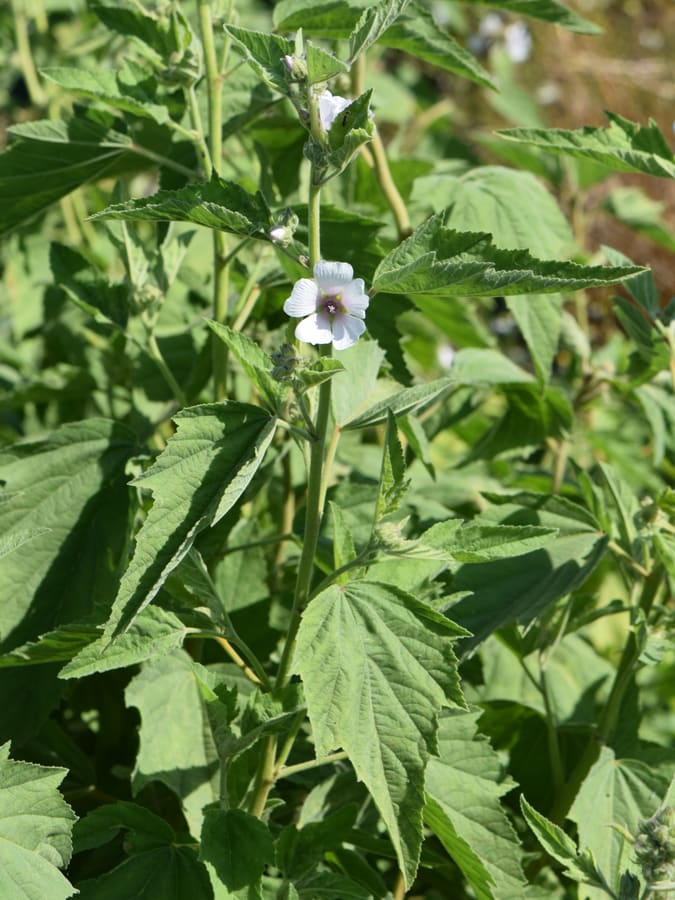 Marshmallow (Althaea officinalis)
Marshmallow (Althaea officinalis) is a downy perennial up to about 7 ft (2.2 m), with thick white roots, heart-shaped leaves, and pink flowers. Known for its high mucilage content, marshmallow soothes inflamed mucous membranes, including those in the respiratory, urinary, and digestive systems.
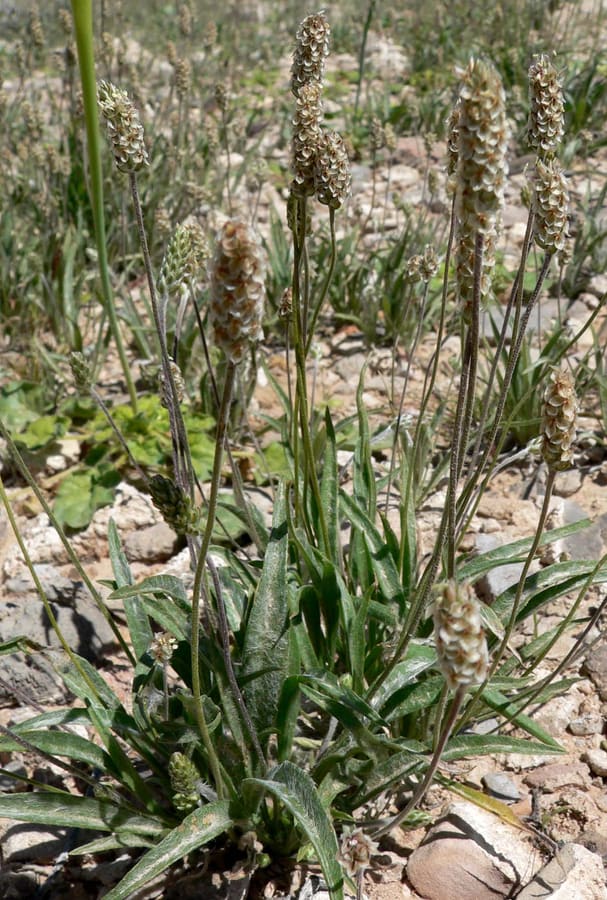 Psyllium (Plantago ovata)
Psyllium, also known as flea seed due to its small brown appearance, is produced by several Plantago species. It has been used as a safe and effective laxative for thousands of years across Europe, North Africa, and Asia. The seeds and husks have a bland taste and develop a jellylike consistency when moistened due to their high mucilage content. The plants are extensively cultivated, especially in India, and propagated from seed in spring. Seeds are harvested when ripe in late summer and early autumn.
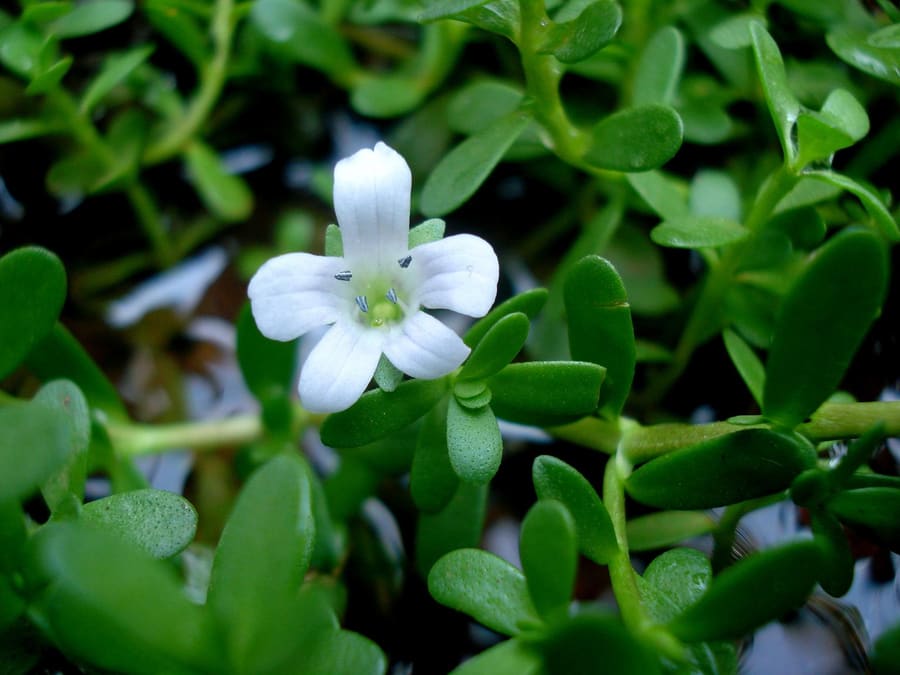 Bacopa (Bacopa monnieri)
Bacopa, also known as Water Hyssop or Brahmi, is a creeping succulent perennial that can grow to about 20 inches. It features spatula-shaped fleshy leaves and pale blue or white flowers on slender stalks. Thriving in marshlands and along the edges of mangrove swamps in warmer temperate and tropical climates - especially southern Asia - it develops into dense mats on mudflats. This herb has been a cornerstone of Ayurvedic medicine for supporting cognitive function and treating various nervous system disorders, and it is increasingly recognized in Western herbalism for its brain-enhancing properties.
 Bitter Melon (Momordica charantia)
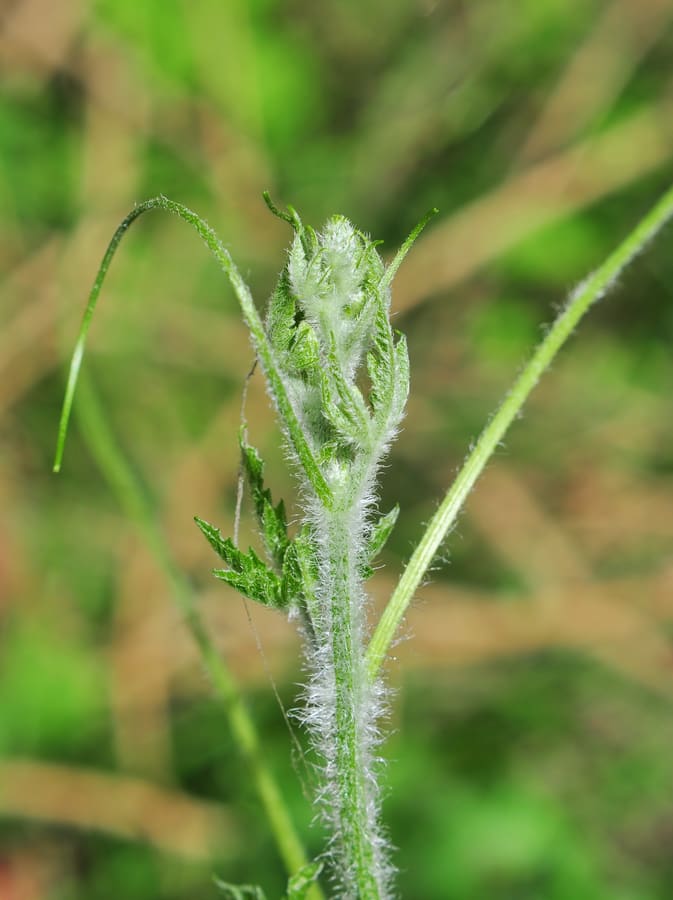
Bitter melon is an annual climbing vine reaching about 6.5 feet, characterized by deeply lobed leaves, yellow flowers, and distinctive orange-yellow fruit. Native to southern Asia and now common throughout tropical regions worldwide, it is harvested year-round. The plant's unripe fruit, ripe fruit, leaves, seeds, and seed oil all have medicinal applications, and it has been a traditional remedy for diabetes symptoms in Asia, Africa, and the Caribbean for centuries.
 Black Pepper (Piper nigrum)
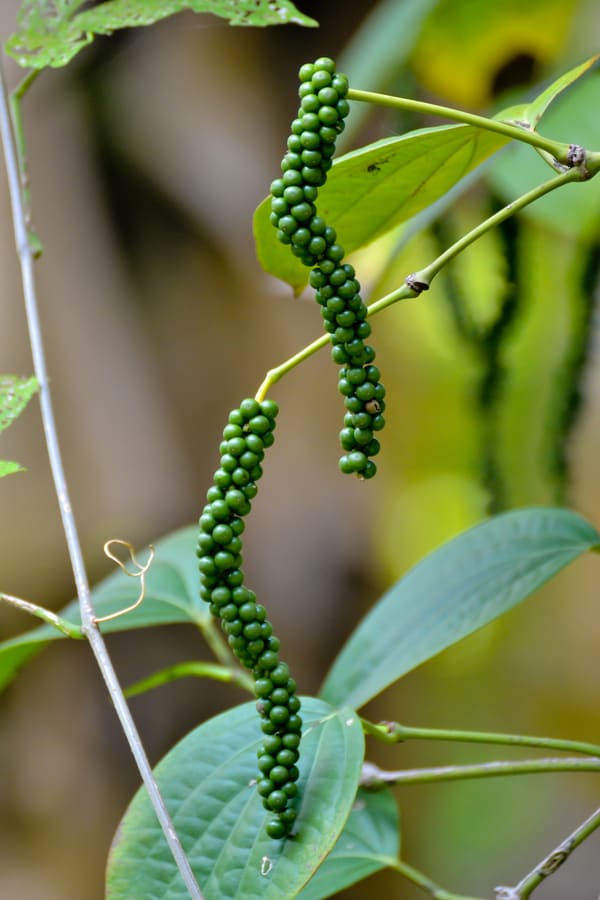
Black pepper is a perennial woody climbing vine growing to about 16 feet, with large oval leaves, spikes of small white flowers, and clusters of small round fruits that ripen from green to red. Native to southwestern India and now cultivated in tropical areas worldwide, the fruit is harvested from plants that are at least three years old. Different processing methods yield green, black, red, and white peppercorns, each with distinct flavors and uses. Cultivated as both a spice and medicine since ancient times, pepper was such a prized commodity in world trade that Attila the Hun reportedly demanded 3,000 pounds of it as ransom during his siege of Rome in 408 CE.
 Boswellia (Boswellia serrata)
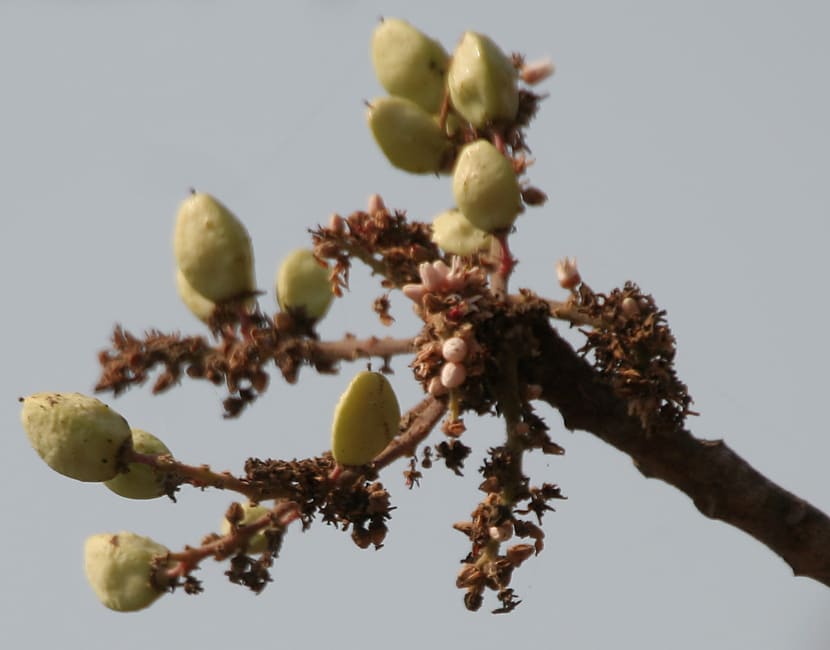
Boswellia is a deciduous tree growing to about 49 ft (15 m), characterized by its pale, papery bark, compound leaves, and small clusters of white flowers. The resin, which exudes from the bark and dries to a transparent gold color, has been used for thousands of years in traditional Ayurvedic medicine for arthritis, pulmonary diseases, ringworm, and diarrhea. The key active components are boswellic acids, noted for their marked anti-inflammatory and pain-relieving properties. Modern research suggests boswellia can be helpful in osteoarthritis, rheumatoid arthritis, bursitis, tendonitis, Crohn’s disease, and ulcerative colitis.
 Calendula (Calendula officinalis)
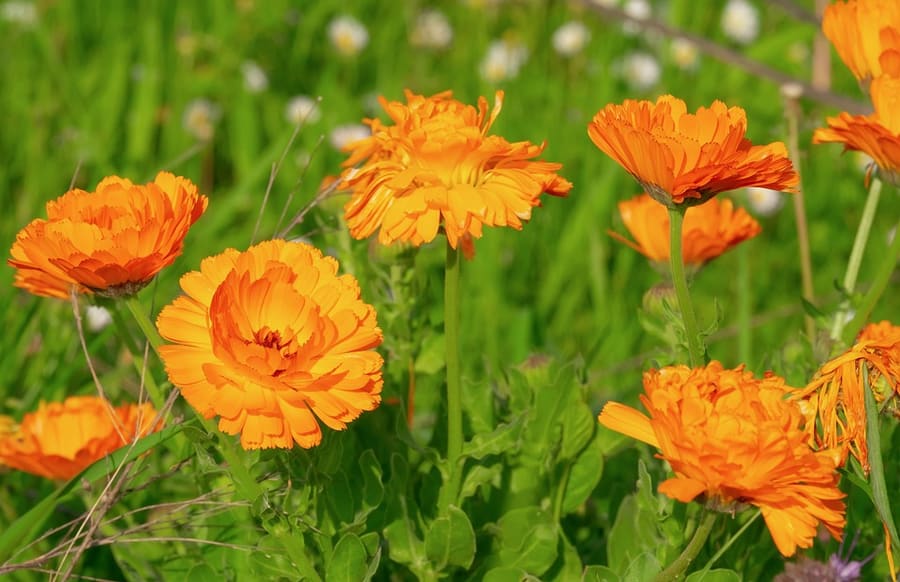
Calendula (Calendula officinalis), with its bright orange daisy-like flowers, is among the most versatile herbs in Western herbal medicine. Its petals contain antiseptic, anti-inflammatory, and vulnerary properties, making it excellent for speeding tissue repair in wounds, burns, bruises, and various skin irritations. Calendula is also used internally for gastrointestinal inflammation (e.g., Crohn’s disease, colitis, gastritis).
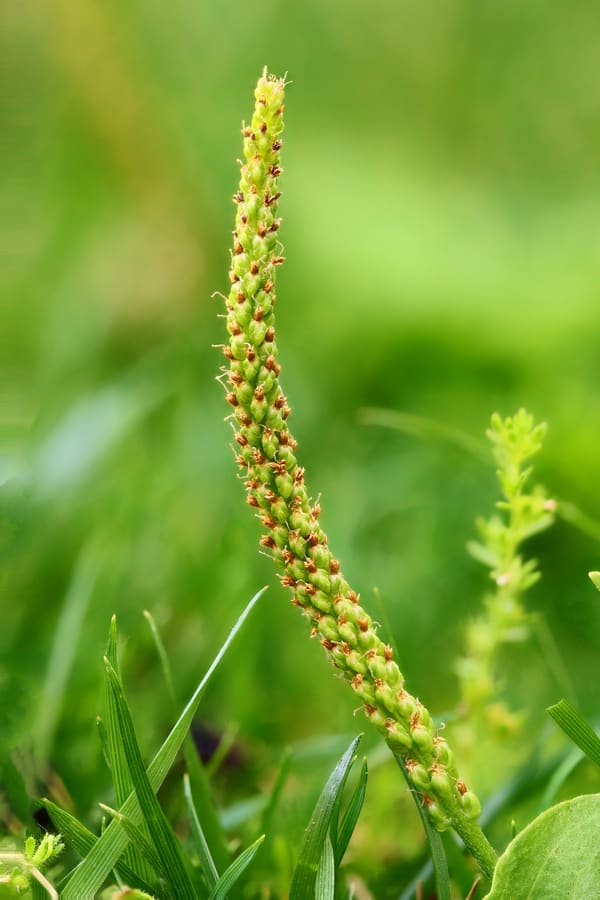 Plantain (Plantago major)
Common plantain (Plantago major) is a low-growing perennial reaching up to about 10 in (25 cm), forming a rosette of broad, ribbed leaves and spikes of tiny green flowers. Often regarded as a garden weed, plantain’s leaves are rich in iridoids, flavonoids, mucilage, and tannins, making them potent for wound care and internal soothing of mucous membranes.