
Herbs for Jaundice
3 herbs traditionally used for this condition.
- Milk Thistle (Silybum marianum)
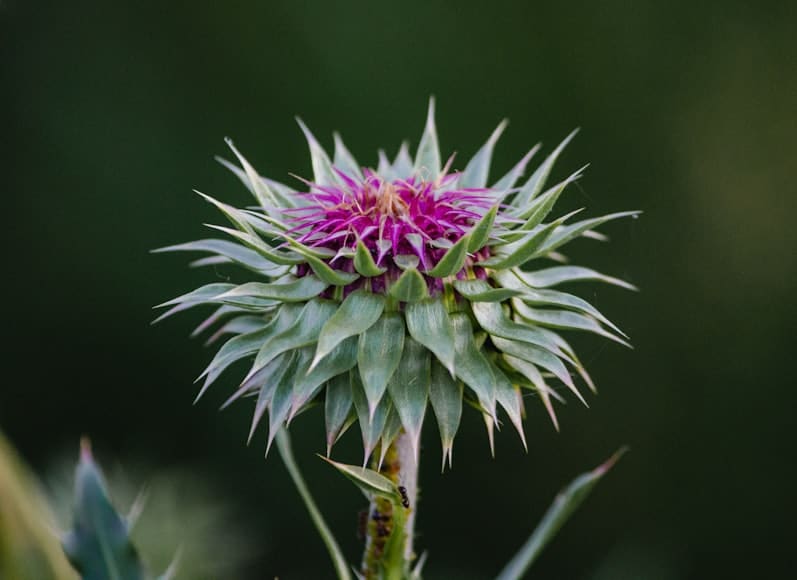
Milk thistle (Silybum marianum, sometimes Carduus marianus) is a tall biennial with spiny, white-veined leaves and purple, thistle-like flower heads. The seeds contain silymarin, a complex known for its potent hepatoprotective (liver-protecting) properties, making milk thistle one of the foremost Western liver remedies.
- Boldo (Peumus boldus)
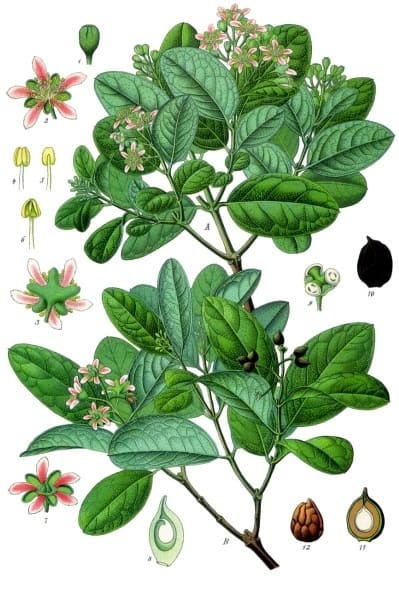
Boldo is a strongly aromatic multi-branched evergreen shrub or tree growing to 20 feet. It has egg-shaped leathery leaves with a lemony scent, clusters of white or yellow bell-shaped flowers, and small yellow berries. Native to Chile and Peru, it has become naturalized in the Mediterranean region and the West Coast of North America, where it grows on dry sunny slopes and in mountain pastures in the Andes. It is widely cultivated, and its leaves are gathered throughout the year. Boldo is a valued remedy in Latin American herbal medicine and is used by the Araucanian people in Chile as a tonic.
- Fringe Tree (Chionanthus virginicus)
Fringe tree is a deciduous shrub or tree growing to 33 feet with elliptical dark green leaves, long flowering stems bearing spikes of white flowers, and dark blue oval fruits. Native to the United States and now also found in eastern Asia, it grows from Pennsylvania south to Florida and Texas and thrives on riverbanks and in damp shrubby areas. The root is unearthed in spring or autumn, mostly in Virginia and North Carolina. Native Americans and European settlers commonly used fringe tree to treat inflammations of the eye, canker sores, and spongy gums. The Choctaw of Louisiana applied the mashed bark to cuts and bruises, and Native Americans in Alabama used the bark for toothache. In the 19th-century Anglo-American Physiomedicalist tradition, it was valued as a bitter tonic and was often used to aid recovery from long-term illness.