
Herbs for Constipation
13 herbs traditionally used for this condition.
- Slippery Elm (Ulmus rubra)
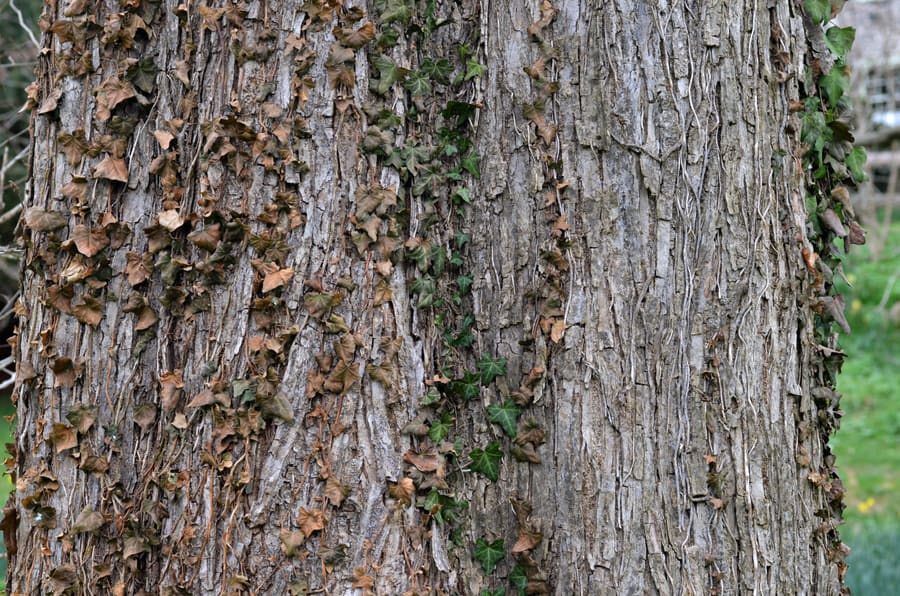
Slippery elm (Ulmus rubra) is a large tree native to the eastern U.S. and Canada. The medicinal part is the inner bark, prized for its high mucilage content. When soaked in water, it turns “slippery,” coating and soothing inflamed tissues in the mouth, throat, stomach, and intestines.
- Chinese Rhubarb (Rheum palmatum)
Chinese rhubarb (Rheum palmatum) is a thick-rhizomed perennial, growing up to 10 ft (3 m) tall, with large, palmate leaves and small flowers. Known in Chinese medicine for over 2,000 years, it has a paradoxical effect on the bowels: stimulating in large doses, yet gently astringent and constipating in small doses. The rhizome also aids digestion, helps counter inflammation, and has anti-ulcer and antibacterial actions.
- Calendula (Calendula officinalis)
Calendula (Calendula officinalis), with its bright orange daisy-like flowers, is among the most versatile herbs in Western herbal medicine. Its petals contain antiseptic, anti-inflammatory, and vulnerary properties, making it excellent for speeding tissue repair in wounds, burns, bruises, and various skin irritations. Calendula is also used internally for gastrointestinal inflammation (e.g., Crohn’s disease, colitis, gastritis).
- Aloe (Aloe vera)
Aloe vera (syn. A. barbadensis) is a succulent commonly grown as a potted plant, notable for its thick, fleshy leaves that contain two distinct medicinal components. The inner clear gel is renowned for its soothing and wound-healing properties, while the bitter yellow sap from the leaf base (often called “bitter aloes”) has a strong laxative effect. Historically, aloe vera has been prized for treating skin irritations, burns, and ulcers. It can also be taken internally (as juice) to support digestion and immune function. Whole leaf aloe juice has been used to help fight arthritis, AIDS, cancer, and other chronic conditions, though the outer leaf portion containing anthraquinones is typically filtered out to avoid harsh laxative effects.
- Senna (Cassia senna)
Senna (Senna alexandrina, syn. Cassia senna) is a small shrub about 3 ft (1 m) tall, with yellow, pea-like flowers and pods containing seeds. One of the most renowned herbal laxatives, senna’s anthraquinone glycosides (sennosides) cause strong bowel stimulation.
- Flaxseed (Linum usitatissimum)
Flaxseed (Linum usitatissimum), also called linseed, is a slender annual plant growing up to about 3 ft (1 m). It produces narrow leaves, delicate blue flowers, and spherical seed capsules containing shiny, flat seeds. Long cultivated in the Middle East and beyond, flaxseeds are rich in beneficial fatty acids (particularly alpha-linolenic acid), protein, fiber, mucilage, and lignans (phytoestrogens). These constituents make flaxseed valuable for heart health, inflammatory conditions, and supporting estrogen balance.
- Bacopa (Bacopa monnieri)
Bacopa, also known as Water Hyssop or Brahmi, is a creeping succulent perennial that can grow to about 20 inches. It features spatula-shaped fleshy leaves and pale blue or white flowers on slender stalks. Thriving in marshlands and along the edges of mangrove swamps in warmer temperate and tropical climates—especially southern Asia—it develops into dense mats on mudflats. This herb has been a cornerstone of Ayurvedic medicine for supporting cognitive function and treating various nervous system disorders, and it is increasingly recognized in Western herbalism for its brain-enhancing properties.
- Black Pepper (Piper nigrum)
Black pepper is a perennial woody climbing vine growing to about 16 feet, with large oval leaves, spikes of small white flowers, and clusters of small round fruits that ripen from green to red. Native to southwestern India and now cultivated in tropical areas worldwide, the fruit is harvested from plants that are at least three years old. Different processing methods yield green, black, red, and white peppercorns, each with distinct flavors and uses. Cultivated as both a spice and medicine since ancient times, pepper was such a prized commodity in world trade that Attila the Hun reportedly demanded 3,000 pounds of it as ransom during his siege of Rome in 408 CE.
- Boldo (Peumus boldus)
Boldo is a strongly aromatic multi-branched evergreen shrub or tree growing to 20 feet. It has egg-shaped leathery leaves with a lemony scent, clusters of white or yellow bell-shaped flowers, and small yellow berries. Native to Chile and Peru, it has become naturalized in the Mediterranean region and the West Coast of North America, where it grows on dry sunny slopes and in mountain pastures in the Andes. It is widely cultivated, and its leaves are gathered throughout the year. Boldo is a valued remedy in Latin American herbal medicine and is used by the Araucanian people in Chile as a tonic.
- Fringe Tree (Chionanthus virginicus)
Fringe tree is a deciduous shrub or tree growing to 33 feet with elliptical dark green leaves, long flowering stems bearing spikes of white flowers, and dark blue oval fruits. Native to the United States and now also found in eastern Asia, it grows from Pennsylvania south to Florida and Texas and thrives on riverbanks and in damp shrubby areas. The root is unearthed in spring or autumn, mostly in Virginia and North Carolina. Native Americans and European settlers commonly used fringe tree to treat inflammations of the eye, canker sores, and spongy gums. The Choctaw of Louisiana applied the mashed bark to cuts and bruises, and Native Americans in Alabama used the bark for toothache. In the 19th-century Anglo-American Physiomedicalist tradition, it was valued as a bitter tonic and was often used to aid recovery from long-term illness.
- Irish Moss (Chondrus crispus)
Irish moss is a reddish-brown seaweed growing to 10 inches, with a flat, forked plant body and fan-shaped outline. Found on the Atlantic coasts of Europe and North America, it grows just below the waterline, attached to rocks and stones. In summer in North America and in autumn in Ireland, it is pulled up by hand or with a rake at low tide and dried in the sun. This seaweed is used extensively in the food and pharmaceutical industries as an emulsifying and binding agent, appearing in products such as toothpastes. Its polysaccharides become jelly-like and demulcent when immersed in water, making it valuable both as a food ingredient and medicinal herb.
- Psyllium (Plantago ovata)
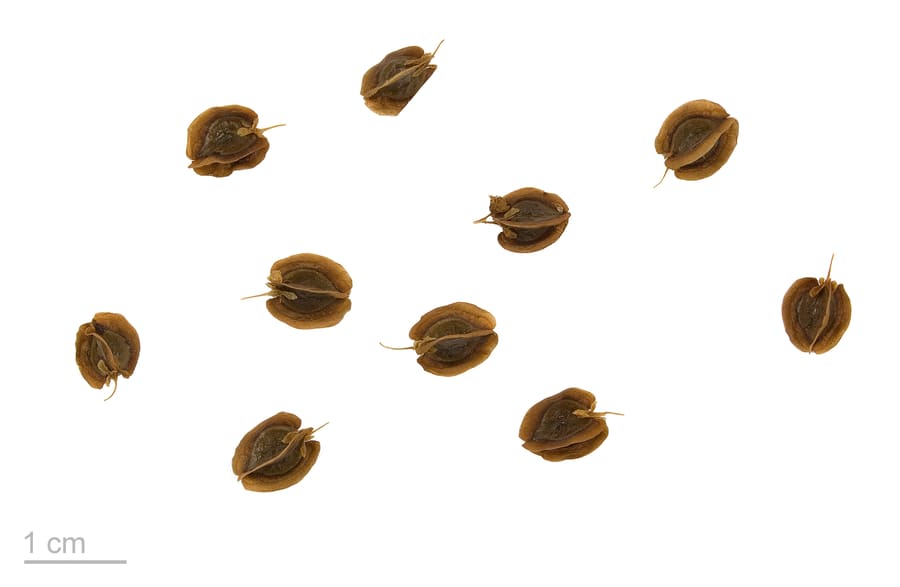
Psyllium, also known as flea seed due to its small brown appearance, is produced by several Plantago species. It has been used as a safe and effective laxative for thousands of years across Europe, North Africa, and Asia. The seeds and husks have a bland taste and develop a jellylike consistency when moistened due to their high mucilage content. The plants are extensively cultivated, especially in India, and propagated from seed in spring. Seeds are harvested when ripe in late summer and early autumn.
- Triphala (Terminalia chebula blend)
Triphala is not a single herb but a traditional Ayurvedic blend of three fruits: haritaki (Terminalia chebula), bibhitaki (Terminalia bellirica), and amalaki or Indian gooseberry (Emblica officinalis). Haritaki has balanced energy with five flavors (bitter, sour, astringent, salty, and sweet), acting as a mild laxative that tones intestinal membranes, lubricates tissues, and relaxes muscle spasms. Bibhitaki is pungent, warming, antispasmodic, and serves as an expectorant and decongestant for respiratory conditions. Amalaki also has balanced energy with five flavors (sour, astringent, sweet, pungent, and bitter), containing small amounts of anthraquinones while being astringent, thus both laxative and bowel-toning, correcting both constipation and diarrhea.