
Herbs for Ulcers
12 herbs traditionally used for this condition.
- Slippery Elm (Ulmus rubra)
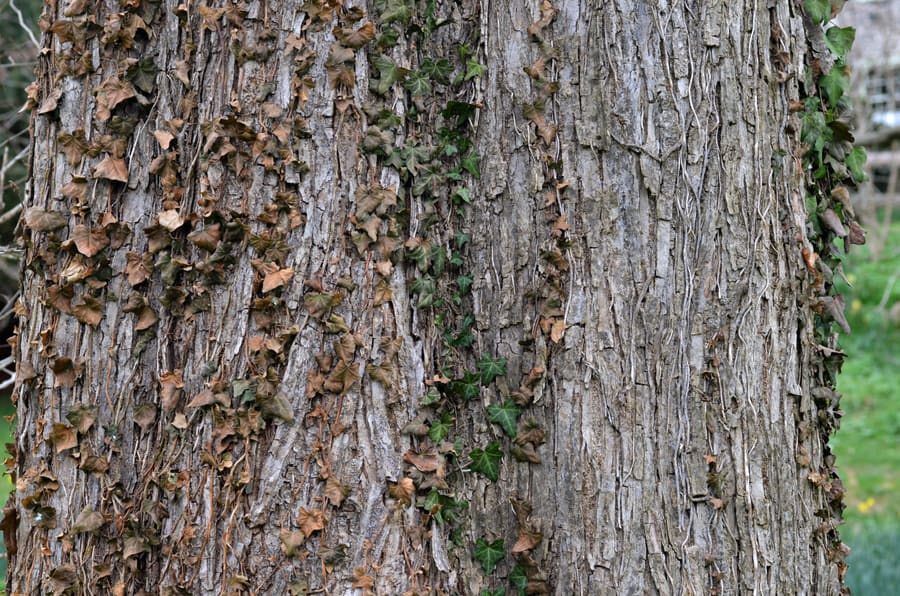
Slippery elm (Ulmus rubra) is a large tree native to the eastern U.S. and Canada. The medicinal part is the inner bark, prized for its high mucilage content. When soaked in water, it turns “slippery,” coating and soothing inflamed tissues in the mouth, throat, stomach, and intestines.
- Chinese Rhubarb (Rheum palmatum)
Chinese rhubarb (Rheum palmatum) is a thick-rhizomed perennial, growing up to 10 ft (3 m) tall, with large, palmate leaves and small flowers. Known in Chinese medicine for over 2,000 years, it has a paradoxical effect on the bowels: stimulating in large doses, yet gently astringent and constipating in small doses. The rhizome also aids digestion, helps counter inflammation, and has anti-ulcer and antibacterial actions.
- Calendula (Calendula officinalis)
Calendula (Calendula officinalis), with its bright orange daisy-like flowers, is among the most versatile herbs in Western herbal medicine. Its petals contain antiseptic, anti-inflammatory, and vulnerary properties, making it excellent for speeding tissue repair in wounds, burns, bruises, and various skin irritations. Calendula is also used internally for gastrointestinal inflammation (e.g., Crohn’s disease, colitis, gastritis).
- Deadly Nightshade (Atropa belladonna)
Deadly nightshade (Atropa belladonna), also known as belladonna, is a perennial plant reaching about 5 ft (1.5 m), characterized by large leaves and black, berry-like fruits. Renowned for its toxic nature, deadly nightshade contains tropane alkaloids such as atropine and hyoscyamine, which powerfully inhibit the parasympathetic nervous system—reducing secretions, relaxing smooth muscle, and increasing heart rate. When used precisely (usually in conventional medicine), components of deadly nightshade help dilate pupils, reduce involuntary muscle spasms, and serve as anesthetics.
- Angelica (angelica archangelica)
Angelica (Angelica archangelica) is a large, aromatic biennial herb growing up to about 6½ ft (2 m), with ridged hollow stems, bright green divided leaves, and greenish-white flowers arranged in umbrella-like clusters (umbels). It has a warm, tonic character and is often compared to dong quai (Chinese angelica) for its usefulness in supporting women’s health and circulation. Traditional sources note its warming action on the stomach, spleen, and intestines.
- Bacopa (Bacopa monnieri)
Bacopa, also known as Water Hyssop or Brahmi, is a creeping succulent perennial that can grow to about 20 inches. It features spatula-shaped fleshy leaves and pale blue or white flowers on slender stalks. Thriving in marshlands and along the edges of mangrove swamps in warmer temperate and tropical climates—especially southern Asia—it develops into dense mats on mudflats. This herb has been a cornerstone of Ayurvedic medicine for supporting cognitive function and treating various nervous system disorders, and it is increasingly recognized in Western herbalism for its brain-enhancing properties.
- Bitter Melon (Momordica charantia)
Bitter melon is an annual climbing vine reaching about 6.5 feet, characterized by deeply lobed leaves, yellow flowers, and distinctive orange-yellow fruit. Native to southern Asia and now common throughout tropical regions worldwide, it is harvested year-round. The plant's unripe fruit, ripe fruit, leaves, seeds, and seed oil all have medicinal applications, and it has been a traditional remedy for diabetes symptoms in Asia, Africa, and the Caribbean for centuries.
- Cat's Claw (Uncaria tomentosa)
Cat's claw is a climbing vine that can grow to 100 feet or more, with stems up to 8 inches in diameter, large glossy leaves, and sharp hooks resembling a cat's claws. Native to tropical rainforests in the central and eastern Andes—especially Peru, Ecuador, and Colombia—it has also been found in Guatemala, Costa Rica, and Panama. Known by the Ashaninka and other indigenous peoples of central Peru for its power in regulating illness, it has been used since ancient times to treat serious conditions ranging from asthma and diabetes to arthritis and cancer. By the early 1990s, over-collection from the wild threatened the species' survival; only sustainably sourced stem bark should be used, rather than root bark.
- Corydalis (Corydalis yanhusuo)
Corydalis is a small herbaceous perennial growing to 8 inches with narrow leaves and pink flowers. Native to Siberia, northern China, and Japan, it is commonly cultivated in eastern and northeastern parts of China. Propagated from seed in early spring or autumn, the rhizome is harvested in late spring and early summer when the aerial parts have withered. This important Chinese remedy has been used at least since the 8th century to help 'invigorate the blood' and relieve almost any painful condition, particularly menstrual cramps and chest and abdominal pain.
- Couch Grass (Elymus repens)
Couch grass is a vigorous perennial growing to 32 inches with a long, creeping rhizome, slender leaves, and erect spikes bearing green flowers aligned in two rows. Found in Europe, the Americas, northern Asia, and Australia, it is an invasive weed harvested throughout the year. In classical times, both Dioscorides (40–90 CE) and Pliny (23–79 CE) recommended couch grass root for poor urine flow and kidney stones. The herbalist John Gerard wrote in 1597 that 'Couch-grasse be an unwelcome guest to fields and gardens, yet his physicke virtues do recompense those hurts; for it openeth the stoppings of the liver and reins [ureters] without heat.' In times of famine, the root was roasted and ground as a substitute for coffee and flour.
- Pau d'Arco (Tabebuia impetiginosa)
Pau d'arco is an evergreen tree that can reach 100 feet in height, producing pink flowers. The bark of this South American tree has been treasured for centuries in traditional medicine for its extensive health benefits. Indigenous peoples including the Incas and the Callawaya valued it as a cure-all. The tree grows in both mountainous terrains high in the Andes and in low-lying areas of Paraguay and Brazil. The prized inner bark is collected from wild-growing trees throughout the year.
- Psyllium (Plantago ovata)
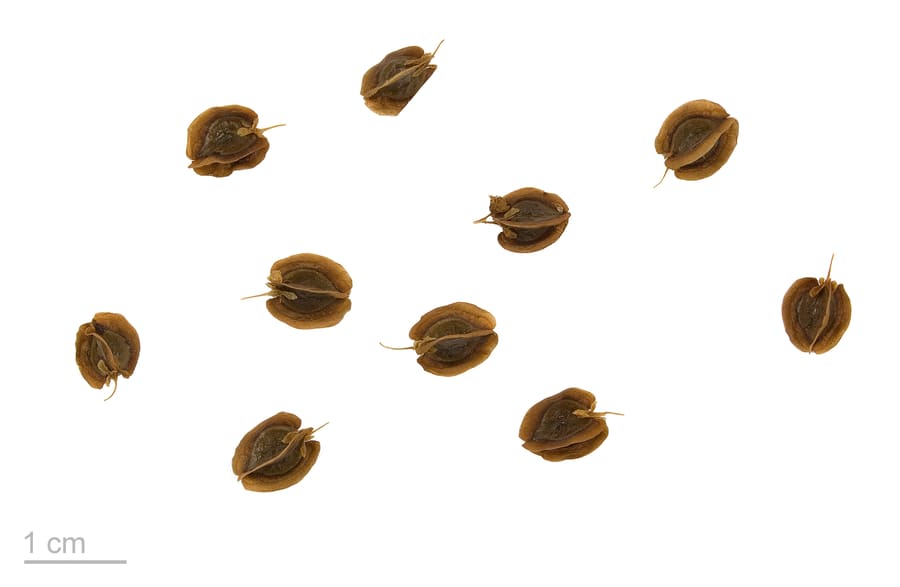
Psyllium, also known as flea seed due to its small brown appearance, is produced by several Plantago species. It has been used as a safe and effective laxative for thousands of years across Europe, North Africa, and Asia. The seeds and husks have a bland taste and develop a jellylike consistency when moistened due to their high mucilage content. The plants are extensively cultivated, especially in India, and propagated from seed in spring. Seeds are harvested when ripe in late summer and early autumn.