
Herbs for Irritable Bowel Syndrome
9 herbs traditionally used for this condition.
- Chinese Rhubarb (Rheum palmatum)
Chinese rhubarb (Rheum palmatum) is a thick-rhizomed perennial, growing up to 10 ft (3 m) tall, with large, palmate leaves and small flowers. Known in Chinese medicine for over 2,000 years, it has a paradoxical effect on the bowels: stimulating in large doses, yet gently astringent and constipating in small doses. The rhizome also aids digestion, helps counter inflammation, and has anti-ulcer and antibacterial actions.
- Slippery Elm (Ulmus rubra)
Slippery elm (Ulmus rubra) is a large tree native to the eastern U.S. and Canada. The medicinal part is the inner bark, prized for its high mucilage content. When soaked in water, it turns “slippery,” coating and soothing inflamed tissues in the mouth, throat, stomach, and intestines.
- German Chamomile (Chamomilla recutita)
German chamomile (Matricaria recutita) is a sweetly aromatic annual, growing to about 2 ft (60 cm), featuring finely cut leaves and small, daisy-like flower heads with white petals and a yellow center. It has a slightly bitter, apple-like taste. Revered for its calming and anti-inflammatory properties, German chamomile is especially helpful for digestive complaints, nervous tension, and skin irritations.
- Peppermint (Mentha x piperita)
Peppermint (Mentha × piperita) is a fast-growing, square-stemmed herb (commonly about 32 in / 80 cm tall), with lanceolate, serrated leaves and purplish flowers. A natural hybrid of watermint and spearmint, peppermint is renowned for its cooling, aromatic flavor and its therapeutic benefits in alleviating digestive and respiratory complaints.
- Caraway (Carum carvi)
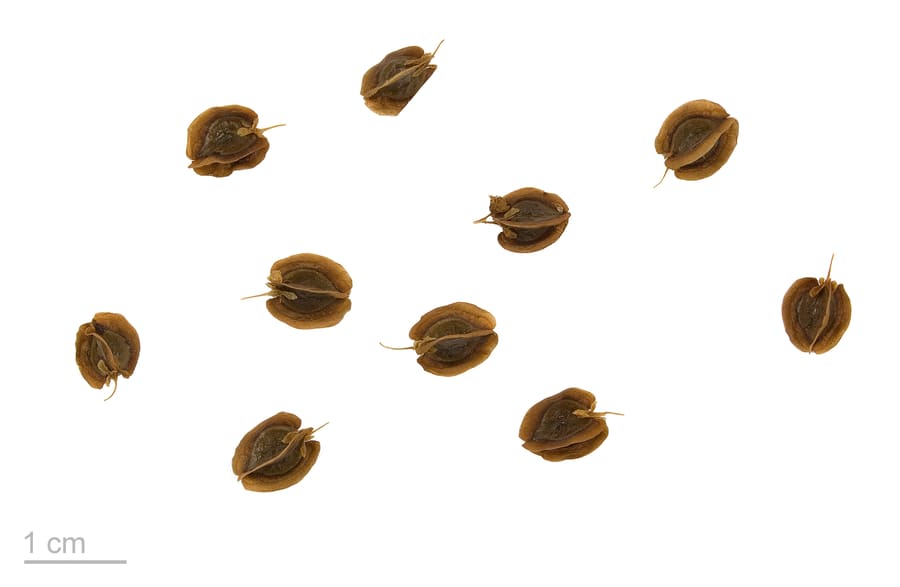
Caraway is an aromatic annual herb growing to 2 feet with a ridged stem, feathery leaves, and umbels of white flowers in midsummer. Exploding capsules release two small narrow seeds. It grows wild in Europe, North Africa, and Asia, preferring sunny sites up to 6,600 feet above sea level. Cultivated in Europe, Russia, North Africa, and the United States, the seeds are harvested ripe in late summer. Caraway has been valued since ancient times for its digestive and respiratory benefits, and the seeds are commonly used in cooking.
- Cat's Claw (Uncaria tomentosa)
Cat's claw is a climbing vine that can grow to 100 feet or more, with stems up to 8 inches in diameter, large glossy leaves, and sharp hooks resembling a cat's claws. Native to tropical rainforests in the central and eastern Andes—especially Peru, Ecuador, and Colombia—it has also been found in Guatemala, Costa Rica, and Panama. Known by the Ashaninka and other indigenous peoples of central Peru for its power in regulating illness, it has been used since ancient times to treat serious conditions ranging from asthma and diabetes to arthritis and cancer. By the early 1990s, over-collection from the wild threatened the species' survival; only sustainably sourced stem bark should be used, rather than root bark.
- Catnip (Nepeta cataria)
Catnip is a downy, aromatic perennial growing to 3 feet with heart-shaped, gray-green leaves and whorls of white flowers marked with purple spots. Native to Europe and naturalized in North America, it grows in dry wayside places and mountainous regions up to altitudes of 5,000 feet. The plant is gathered when in flower during summer and autumn. Its name comes from the Norse word 'dylla,' meaning 'to soothe,' reflecting its calming properties. Catnip has an excitatory effect on cats but a sedative effect on humans.
- Psyllium (Plantago ovata)
Psyllium, also known as flea seed due to its small brown appearance, is produced by several Plantago species. It has been used as a safe and effective laxative for thousands of years across Europe, North Africa, and Asia. The seeds and husks have a bland taste and develop a jellylike consistency when moistened due to their high mucilage content. The plants are extensively cultivated, especially in India, and propagated from seed in spring. Seeds are harvested when ripe in late summer and early autumn.
- Stone Root (Collinsonia canadensis)
Stone root is a perennial herb growing to 3 feet tall, characterized by a square stem, oval leaves, and clusters of greenish-yellow flowers. Native to moist woodlands of eastern North America, the root is harvested in autumn. The plant contains volatile oil, tannins, and saponins.