
Herbs for Muscle Strain
6 herbs traditionally used for this condition.
- Arnica (Arnica montana)
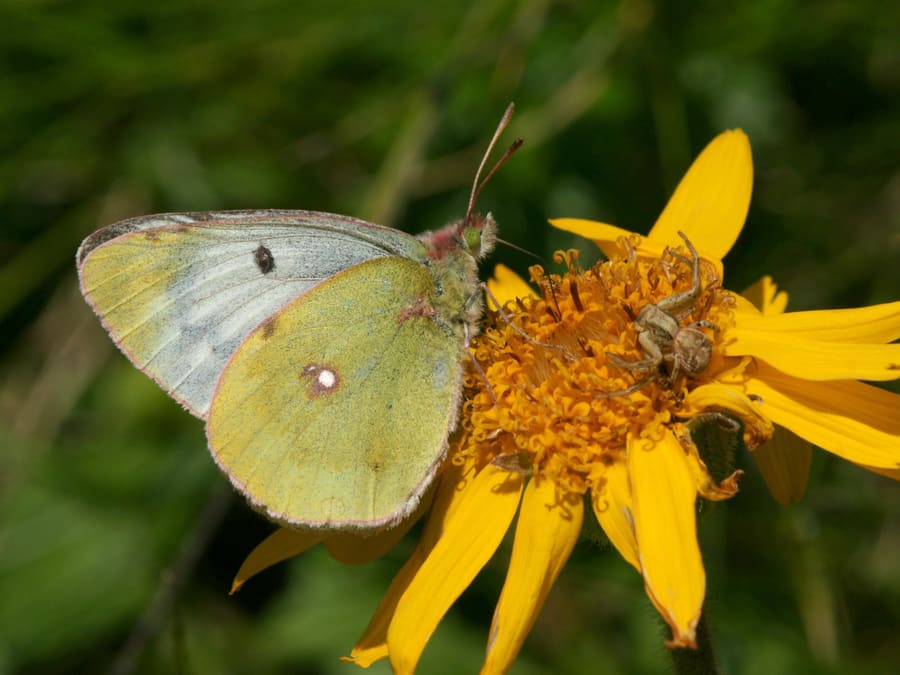
Arnica is an aromatic perennial, usually about 1 ft (30 cm) high, with downy, oval-shaped leaves and bright yellow daisy-like flowers. Well-known for reducing swelling, bruising, and pain from injuries, it is frequently used as a homeopathic remedy (both internally and topically) for bruises, sprains, and sore muscles. Higher-dose tinctures have a stronger anti-inflammatory action and may serve as a cardiac tonic by improving blood flow to the coronary vessels, but such usage must be closely supervised.
- Turmeric (Curcuma longa)
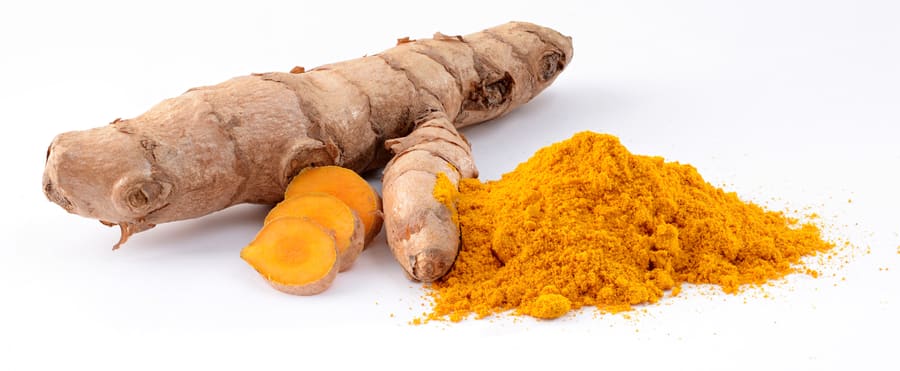
Turmeric (Curcuma longa) is a perennial with a thick rhizome, growing to about 3 ft (90 cm), featuring lance-shaped leaves and pale yellow flowers. Renowned for its bright yellow-orange color, turmeric is a potent anti-inflammatory, antioxidant, and liver-supportive herb commonly employed in Indian cooking and Ayurveda.
- Myrrh (Commiphora molmol)
Myrrh is a resin obtained from several Commiphora species, notably C. myrrha, recognized by its thick, yellowish-red gum resin. Bitter in taste and aromatic, myrrh is both antiseptic and disinfectant, useful for healing wounds and controlling various infections. It is traditionally taken as a mouth rinse or gargle for oral or throat concerns.
- Siberian Ginseng (Eleutherococcus senticosus)
Siberian ginseng (Eleutherococcus senticosus), also called Eleuthero, is a deciduous, hardy shrub reaching up to about 10 ft (3 m). It features 3–7 toothed leaflets per stem and spiny branches. An “adaptogen,” Siberian ginseng improves the body’s resilience to physical and mental stress. Research shows it boosts stamina, relieves fatigue, and supports general well-being.
- Corydalis (Corydalis yanhusuo)
Corydalis is a small herbaceous perennial growing to 8 inches with narrow leaves and pink flowers. Native to Siberia, northern China, and Japan, it is commonly cultivated in eastern and northeastern parts of China. Propagated from seed in early spring or autumn, the rhizome is harvested in late spring and early summer when the aerial parts have withered. This important Chinese remedy has been used at least since the 8th century to help 'invigorate the blood' and relieve almost any painful condition, particularly menstrual cramps and chest and abdominal pain.
- Lobelia (Lobelia inflata)
Lobelia is an annual herb growing to 20 inches with lance-shaped leaves and pale blue, pink-tinged flowers. A powerful antispasmodic used for respiratory and muscle disorders, it was a traditional Native American remedy for many conditions. It was used as a 'puke weed' to induce vomiting, as a remedy for worms and venereal disease, and as an expectorant. Lobelia was also smoked as a substitute for tobacco and was reputed to share some of its magical qualities. Indigenous to North America, especially eastern parts of the United States, it grows by roadsides and in neglected areas, preferring acid soil. The aerial parts are harvested in early autumn when the seed capsules are most numerous and are carefully dried. Its use was later championed by the American herbalist Samuel Thomson (1769–1843), who made the herb the mainstay of his therapeutic system, mainly using it to induce vomiting.