
Siberian Ginseng (Eleutherococcus senticosus)
Photo: Krzysztof Ziarnek, Kenraiz · CC BY-SA 4.0
- Mental
- 2 conditions
- Licensed photo
Overview
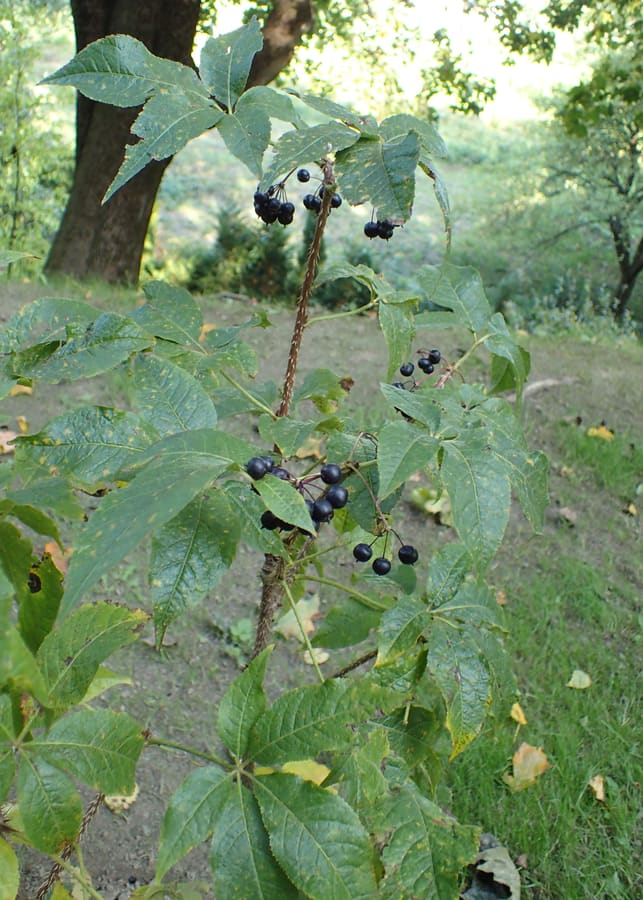
Siberian ginseng (Eleutherococcus senticosus), also called Eleuthero, is a deciduous, hardy shrub reaching up to about 10 ft (3 m). It features 3-7 toothed leaflets per stem and spiny branches. An “adaptogen,” Siberian ginseng improves the body’s resilience to physical and mental stress. Research shows it boosts stamina, relieves fatigue, and supports general well-being.
Traditional uses & properties
Adaptogen & Tonic: Helps the body handle stress, exhaustion, and extreme conditions (cold, heat). Performance Booster: May improve physical endurance, cognitive function under pressure, and mental clarity. Exhaustion & Chronic Fatigue: A tonic for those suffering from depleted energy levels due to overwork or long-term stress, but can be too stimulating for some. Support during Chemo: Helps maintain vitality and reduce side effects of radiation or chemotherapy.
Safety & precautions
Young, Healthy Adults: Do not take for longer than 6 weeks without professional advice. Caffeine: Avoid combining with caffeinated products, as overstimulation may occur. Possible Side Effects: Rare, but exceed recommended dose can lead to irritability or insomnia.
Drug & food interactions
Interaction data is not available for this herb - talk to a pharmacist before combining it with any medication. A blank entry here means we have not documented interactions, not that none exist.
Habitat
Native to eastern Russia, China, Korea, and Japan, Siberian ginseng can be grown from seed - though germination is difficult. The root is harvested in autumn and then dried. Historically used in Russia for workers, athletes, and even astronauts to cope with stress.
Traditionally used for
Each condition shows its first 2 remedies free. Premium opens the full remedy list for every condition - or come back for the free Condition of the Day.
Frequently asked questions
What is Siberian Ginseng (Eleutherococcus senticosus) traditionally used for?
Traditional sources describe Siberian Ginseng (Eleutherococcus senticosus) as follows: Adaptogen & Tonic: Helps the body handle stress, exhaustion, and extreme conditions (cold, heat). Performance Booster: May improve physical endurance, cognitive function under pressure, and mental clarity. Exhaustion & Chronic Fatigue: A tonic for those suffering from depleted energy levels due to overwork or long-term stress, but can be too stimulating for some. Support during Chemo: Helps maintain vitality and reduce side effects of radiation or chemotherapy.
What safety cautions apply to Siberian Ginseng (Eleutherococcus senticosus)?
Young, Healthy Adults: Do not take for longer than 6 weeks without professional advice. Caffeine: Avoid combining with caffeinated products, as overstimulation may occur. Possible Side Effects: Rare, but exceed recommended dose can lead to irritability or insomnia.
Related herbs
 Arnica (Arnica montana)Not for self-dosing
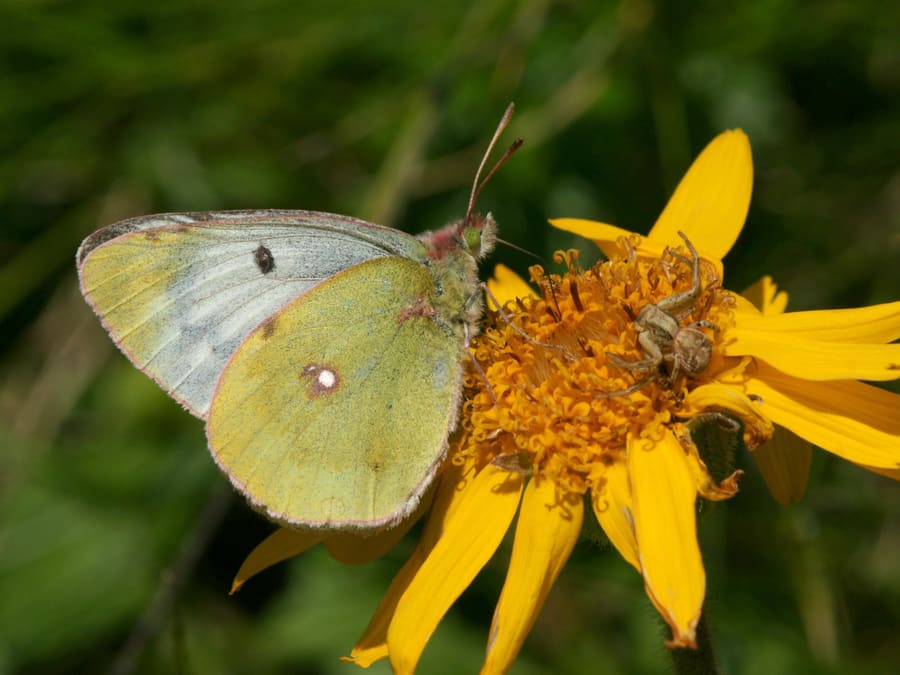
Arnica is an aromatic perennial, usually about 1 ft (30 cm) high, with downy, oval-shaped leaves and bright yellow daisy-like flowers. Well-known for reducing swelling, bruising, and pain from injuries, it is frequently used as a homeopathic remedy (both internally and topically) for bruises, sprains, and sore muscles. Higher-dose tinctures have a stronger anti-inflammatory action and may serve as a cardiac tonic by improving blood flow to the coronary vessels, but such usage must be closely supervised.
 Ashwagandha (Withania somnifera)
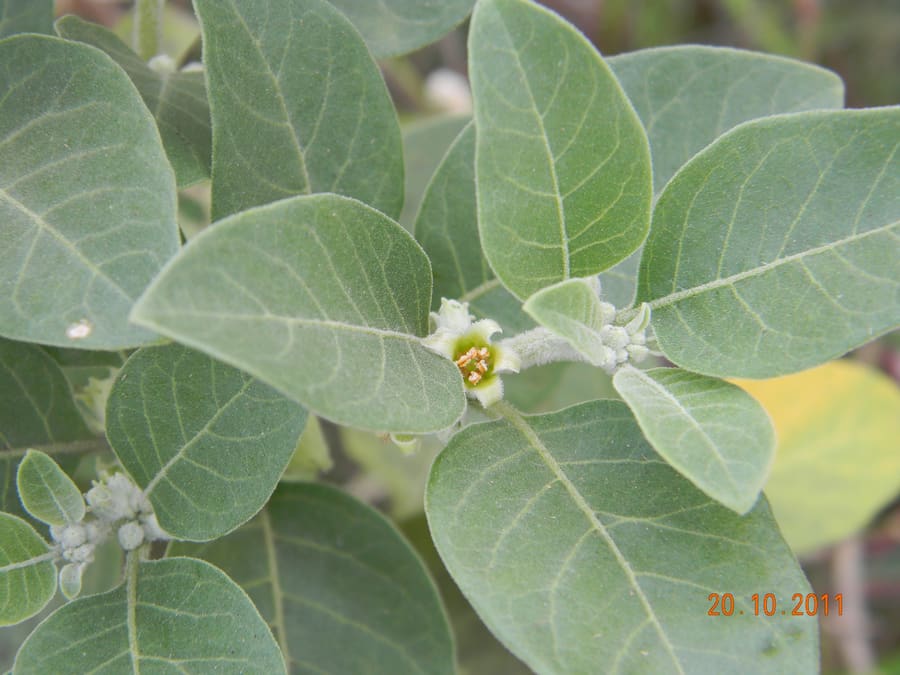
Ashwagandha (Withania somnifera), sometimes called “Indian ginseng,” is a sturdy shrub growing to about 5 ft (1.5 m) with oval leaves, greenish or yellow flowers, and small, round fruits. A key herb in Ayurvedic medicine, it is valued for boosting vitality and aiding convalescence from chronic illnesses. It promotes relaxation, increases energy and muscle tone, and can support healthy thyroid hormone conversion from T4 to T3. Traditionally, ashwagandha is considered a “Rasáyana” (rejuvenator), used long-term to rebuild and regenerate body and mind.
 Bacopa (Bacopa monnieri)
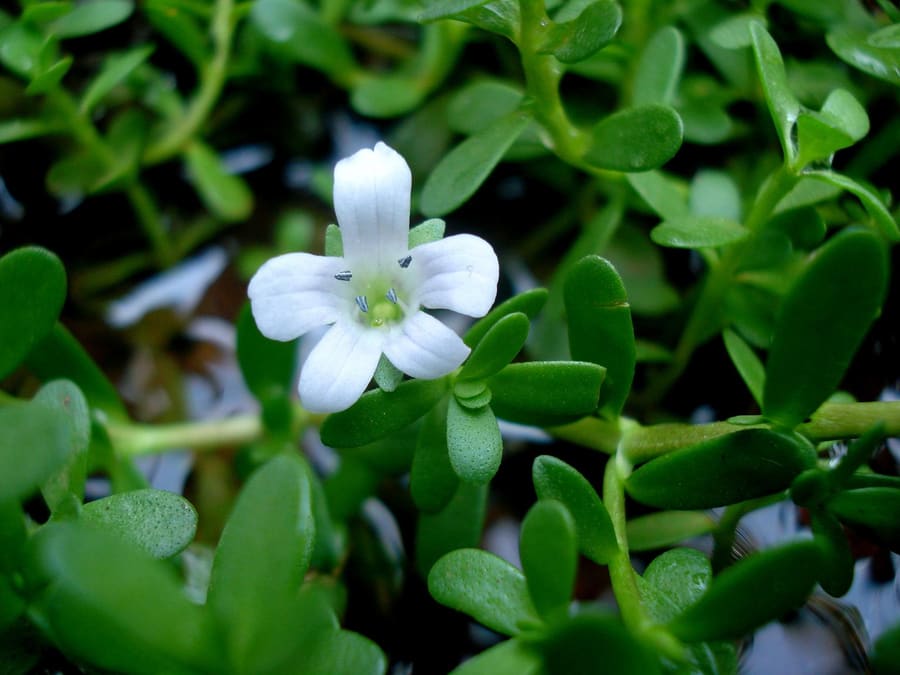
Bacopa, also known as Water Hyssop or Brahmi, is a creeping succulent perennial that can grow to about 20 inches. It features spatula-shaped fleshy leaves and pale blue or white flowers on slender stalks. Thriving in marshlands and along the edges of mangrove swamps in warmer temperate and tropical climates - especially southern Asia - it develops into dense mats on mudflats. This herb has been a cornerstone of Ayurvedic medicine for supporting cognitive function and treating various nervous system disorders, and it is increasingly recognized in Western herbalism for its brain-enhancing properties.
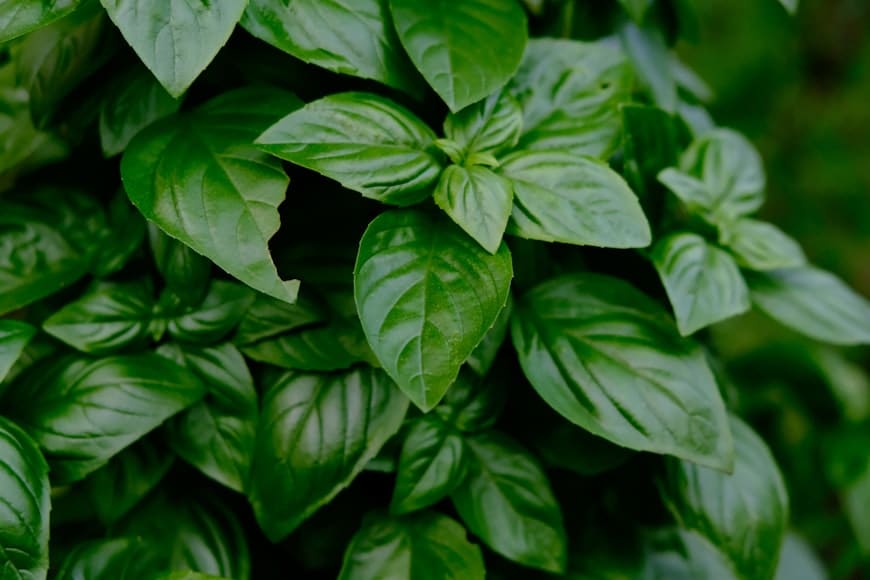 Basil
BasilBasil (Ocimum basilicum) is a bushy annual herb growing up to about 20 in (50 cm), with shiny oval leaves arranged on a square stem and small white flowers in whorls. Known for its strong, sweet aroma, basil is cultivated worldwide in numerous varieties. Traditional sources regard basil as both a culinary and medicinal herb, used to address digestive discomfort and various nervous system issues.
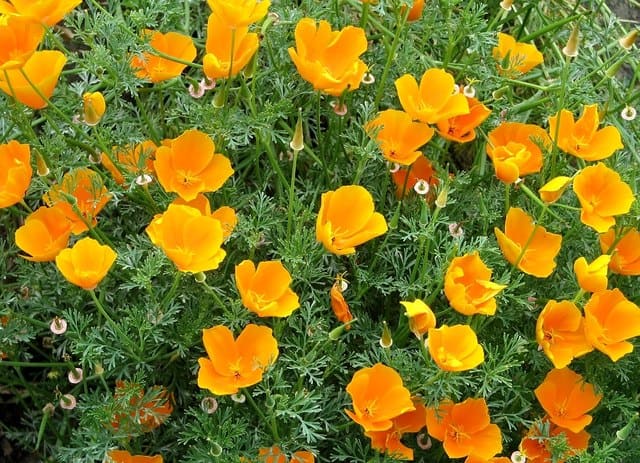 California Poppy (Eschscholzia californica)
California poppy (Eschscholzia californica) is an annual or short-lived perennial with finely divided leaves and vibrant orange, yellow, pink, or red blossoms. A mild sedative and analgesic, it is related to the opium poppy but lacks narcotic effects. Instead, California poppy gently calms the nervous system, helps with insomnia and tension, and soothes pain without depressing central nervous system function.
- Cardamom (Eletteria cardamomum)
Cardamom is an aromatic spice long prized for its fragrant, pungent taste. In Ayurvedic medicine, it has been used for digestive complaints - soothing indigestion, gas, and cramping - and is sometimes employed for respiratory conditions and kidney ailments. Cardamom has a centuries-old reputation as an aphrodisiac and is also believed to help relieve stress and depression when prepared in a mild infusion. Thanks to its agreeable flavor, cardamom is often added to herbal formulas to improve taste.
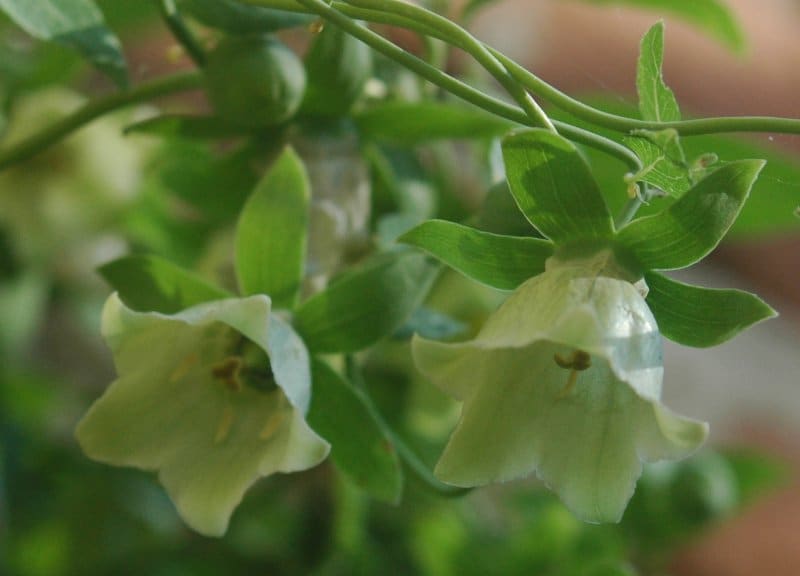 Codonopsis (Codonopsis pilosula)
Codonopsis is a small twining perennial growing to 5 feet with oval leaves and pendulous green and purple bell-shaped flowers marked with purple in summer. Native to northeastern China and growing throughout the region - especially in the Shanxi and Szechuan provinces - it is propagated from seed in spring or autumn, and the root is harvested in autumn once the aerial parts have died down. In Chinese herbal medicine, codonopsis holds a central place as a gentle tonic that increases energy levels, improves physical and mental well-being, and helps the body adapt to stress.
- Corydalis (Corydalis yanhusuo)
Corydalis is a small herbaceous perennial growing to 8 inches with narrow leaves and pink flowers. Native to Siberia, northern China, and Japan, it is commonly cultivated in eastern and northeastern parts of China. Propagated from seed in early spring or autumn, the rhizome is harvested in late spring and early summer when the aerial parts have withered. This important Chinese remedy has been used at least since the 8th century to help 'invigorate the blood' and relieve almost any painful condition, particularly menstrual cramps and chest and abdominal pain.