
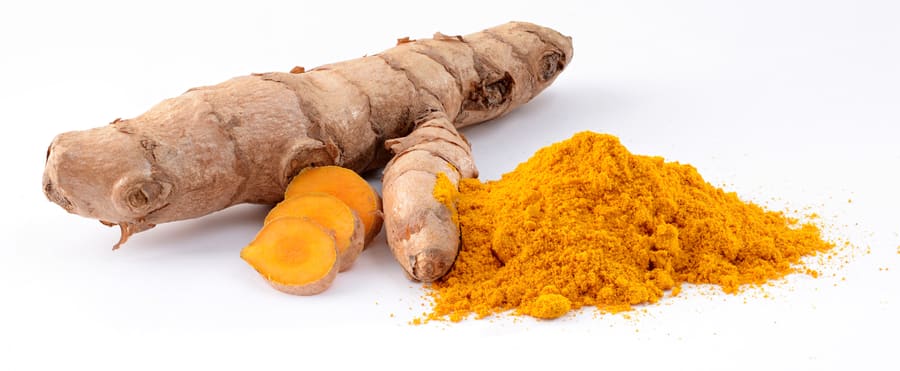
Turmeric (Curcuma longa)
Photo: Simon A. Eugster · CC BY-SA 3.0
- Digestive
- 7 conditions
- Licensed photo
Overview
Turmeric (Curcuma longa) is a perennial with a thick rhizome, growing to about 3 ft (90 cm), featuring lance-shaped leaves and pale yellow flowers. Renowned for its bright yellow-orange color, turmeric is a potent anti-inflammatory, antioxidant, and liver-supportive herb commonly employed in Indian cooking and Ayurveda.
Traditional uses & properties
Anti-Inflammatory & Antioxidant: Curcumin counters long-term inflammation in conditions like arthritis, asthma, and inflammatory bowel disease. Hepatoprotective & Cholagogue: Encourages bile flow, supporting liver function and digestion, as well as possibly lowering cholesterol. Blood-Brain Barrier: Known to cross into the brain, reducing inflammation-linked depression or cognitive decline. Gastric Soother: Supports healthy stomach lining, helps neutralize excess acidity, and aids in mild gastrointestinal complaints.
Traditional preparations
Traditional texts describe the preparations below, and where those texts give specific amounts, the amounts are quoted here as part of that record. This is a record of historical practice, not a dosage recommendation - the figures are what the sources say, not what HerbMate tells you to take. Amounts, potency, and safe use vary enormously by preparation, plant part, and person.
2-4 ounces 3 times daily (Water is acceptable, but a better menstruum for the decoction is coconut milk.)
Fresh root (juice, then decoct to 50% of its original volume and preserve with 25% alcohol); 1-5 ml (0.2-1 tsp.) 3 times daily
1,000-3,000 mg, 3 times daily
Safety & precautions
Blood Thinners & Gallstones: Seek medical advice if on anticoagulants or if gallstones are present. High Doses: Overuse can lead to digestive upset or overstimulation in those who are “hot/dry.” General: Typically safe in moderate amounts.
Drug & food interactions
Turmeric or its constituent curcumin affects the absorption of some beta blockers, increases the absorption of midazolam, but does not affect the absorption of iron. Piperine, from pepper, enhances the bioavailability of curcumin.
- Beta blockers
- In a clinical study, curcumin, a major constituent of turmeric, decreased the absorption of talinolol, a P-glycoprotein substrate. Curcumin increased the absorption of celiprolol, another P-glycoprotein substrate, in rats. In a randomised study, 12 healthy subjects were given a single 50-mg dose of talinolol after taking curcumin, a major constituent of turmeric, 300 mg daily for 6 days. Curcumin was found to reduce the AUC and maximum plasma level of talinolol by 33% and 28%, respectively, but no clinically significant changes in heart rate or blood pressure occurred.
- Midazolam
- The interaction between curcumin, a major constituent of turmeric, and midazolam is based on experimental evidence only.
- Herbal medicines; Pepper
- Piperine, a major constituent of pepper, increases the bioavailability of curcumin, a major constituent of turmeric. In a crossover study, 8 healthy subjects were given a single 2-g dose of curcumin, a major constituent of turmeric, powder alone, or with piperine, a major constituent of pepper, powder 20 mg. When curcumin was given alone, its serum levels were either very low or undetectable. The addition of piperine increased curcumin levels 30-fold over the first 45 minutes, and the relative bioavailability of curcumin was increased 20-fold. Concurrent use was well tolerated.
- Iron compounds
- Turmeric does not appear to affect the bioavailability of dietary levels of iron. In a randomised, crossover study, 30 healthy women were given a standard Thai meal (fortified with about 4 mg of isotopically labelled ferrous sulfate), with rice, to which 500 mg of ground turmeric had been added. Turmeric was found to have no effect on the absorption of iron.
These entries keep the wording of the reference they come from, and three phrases mean three different things. "No interactions found" means the source looked for reports of that pairing and found none. "No data found" means nothing has been published either way. "Based on experimental evidence only" means the effect has been seen in a laboratory or animal study but not in people - a reason for caution, not a report of harm.
Habitat
Native to southern Asia, especially India, turmeric thrives in warm, humid climates with well-drained soil. The rhizome is harvested in winter, boiled or steamed, then dried.
Traditionally used for
- Gallstones5 herbs · 2 free
- Arthritis11 herbs · 2 free
- Disk Degeneration3 herbs · 2 free
- Muscle Strain8 herbs · 2 free
- Osteoporosis2 herbs
- Stenosis3 herbs · 2 free
- Psoriasis5 herbs · 2 free
Each condition shows its first 2 remedies free. Premium opens the full remedy list for every condition - or come back for the free Condition of the Day.
Frequently asked questions
What is Turmeric (Curcuma longa) traditionally used for?
Traditional sources describe Turmeric (Curcuma longa) as follows: Anti-Inflammatory & Antioxidant: Curcumin counters long-term inflammation in conditions like arthritis, asthma, and inflammatory bowel disease. Hepatoprotective & Cholagogue: Encourages bile flow, supporting liver function and digestion, as well as possibly lowering cholesterol. Blood-Brain Barrier: Known to cross into the brain, reducing inflammation-linked depression or cognitive decline. Gastric Soother: Supports healthy stomach lining, helps neutralize excess acidity, and aids in mild gastrointestinal complaints.
How is Turmeric (Curcuma longa) prepared?
Traditional texts describe the preparations below, and where those texts give specific amounts, the amounts are quoted here as part of that record. This is a record of historical practice, not a dosage recommendation - the figures are what the sources say, not what HerbMate tells you to take. Amounts, potency, and safe use vary enormously by preparation, plant part, and person. STANDARD DECOCTION: 2-4 ounces 3 times daily (Water is acceptable, but a better menstruum for the decoction is coconut milk.) TINCTURE: Fresh root (juice, then decoct to 50% of its original volume and preserve with 25% alcohol); 1-5 ml (0.2-1 tsp.) 3 times daily POWDER OR CAPSULE: 1,000-3,000 mg, 3 times daily
What safety cautions apply to Turmeric (Curcuma longa)?
Blood Thinners & Gallstones: Seek medical advice if on anticoagulants or if gallstones are present. High Doses: Overuse can lead to digestive upset or overstimulation in those who are “hot/dry.” General: Typically safe in moderate amounts.
Related herbs
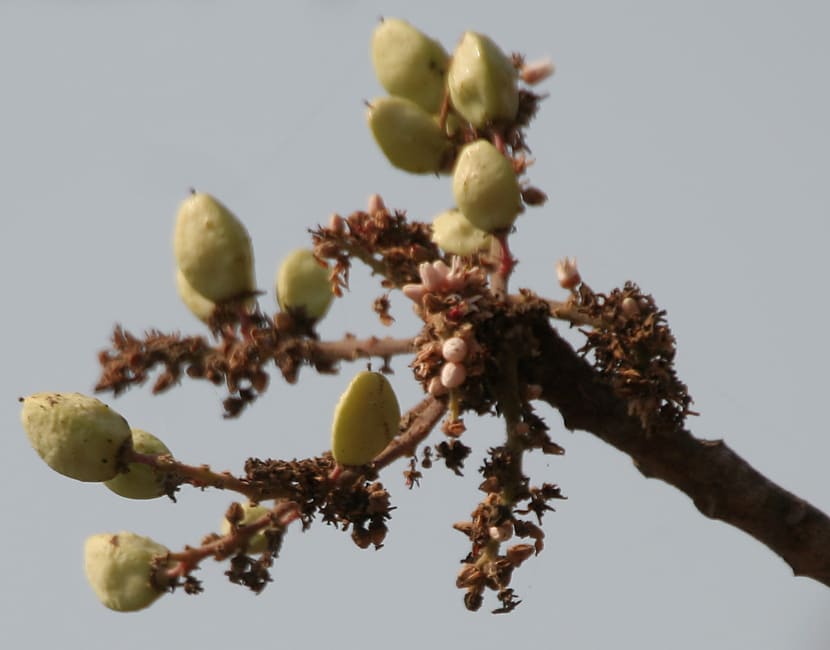 Boswellia (Boswellia serrata)
Boswellia is a deciduous tree growing to about 49 ft (15 m), characterized by its pale, papery bark, compound leaves, and small clusters of white flowers. The resin, which exudes from the bark and dries to a transparent gold color, has been used for thousands of years in traditional Ayurvedic medicine for arthritis, pulmonary diseases, ringworm, and diarrhea. The key active components are boswellic acids, noted for their marked anti-inflammatory and pain-relieving properties. Modern research suggests boswellia can be helpful in osteoarthritis, rheumatoid arthritis, bursitis, tendonitis, Crohn’s disease, and ulcerative colitis.
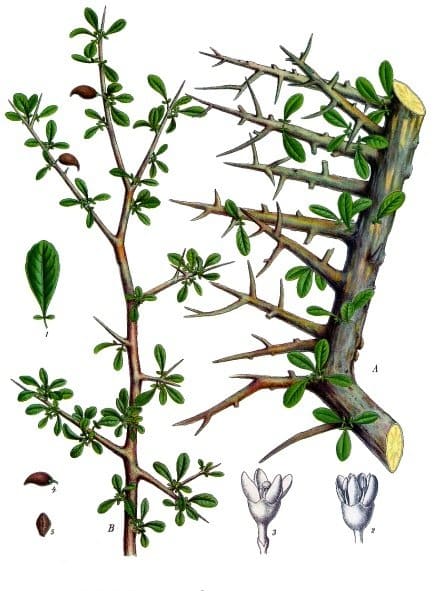 Myrrh (Commiphora molmol)
Myrrh is a resin obtained from several Commiphora species, notably C. myrrha, recognized by its thick, yellowish-red gum resin. Bitter in taste and aromatic, myrrh is both antiseptic and disinfectant, useful for healing wounds and controlling various infections. It is traditionally taken as a mouth rinse or gargle for oral or throat concerns.
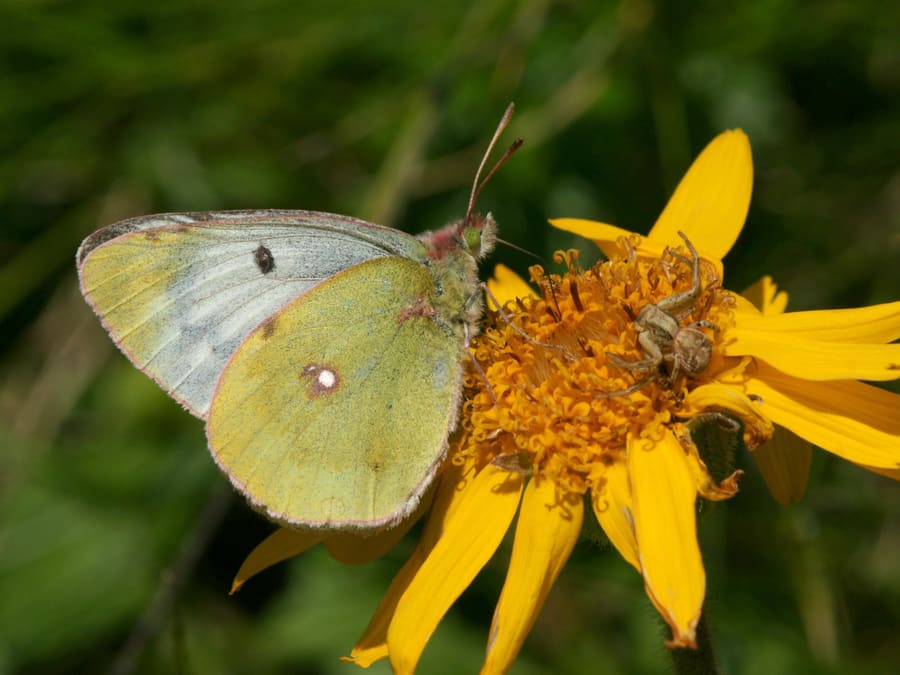 Arnica (Arnica montana)Not for self-dosing
Arnica is an aromatic perennial, usually about 1 ft (30 cm) high, with downy, oval-shaped leaves and bright yellow daisy-like flowers. Well-known for reducing swelling, bruising, and pain from injuries, it is frequently used as a homeopathic remedy (both internally and topically) for bruises, sprains, and sore muscles. Higher-dose tinctures have a stronger anti-inflammatory action and may serve as a cardiac tonic by improving blood flow to the coronary vessels, but such usage must be closely supervised.
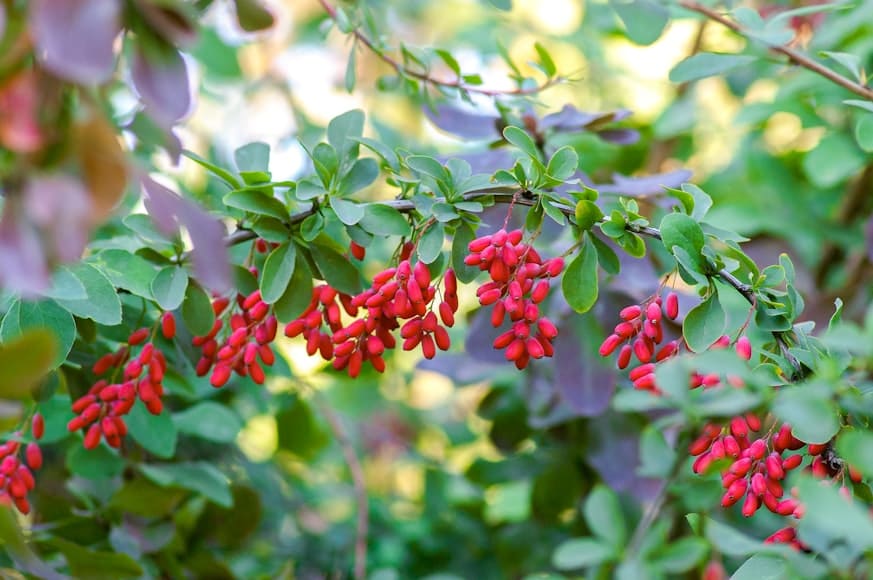 Barberry (Berberis vulgaris)
Barberry is considered one of the best bitter liver tonics due to its high content of berberine - an antimicrobial and antifungal alkaloid. It is a thorny, deciduous shrub reaching about 10 ft (3 m) in height, with tough, leathery leaves, small yellow flowers, and bright red berries in autumn. The bark (both stem and root) is the most commonly used medicinal part, though the berries are also employed in traditional remedies.
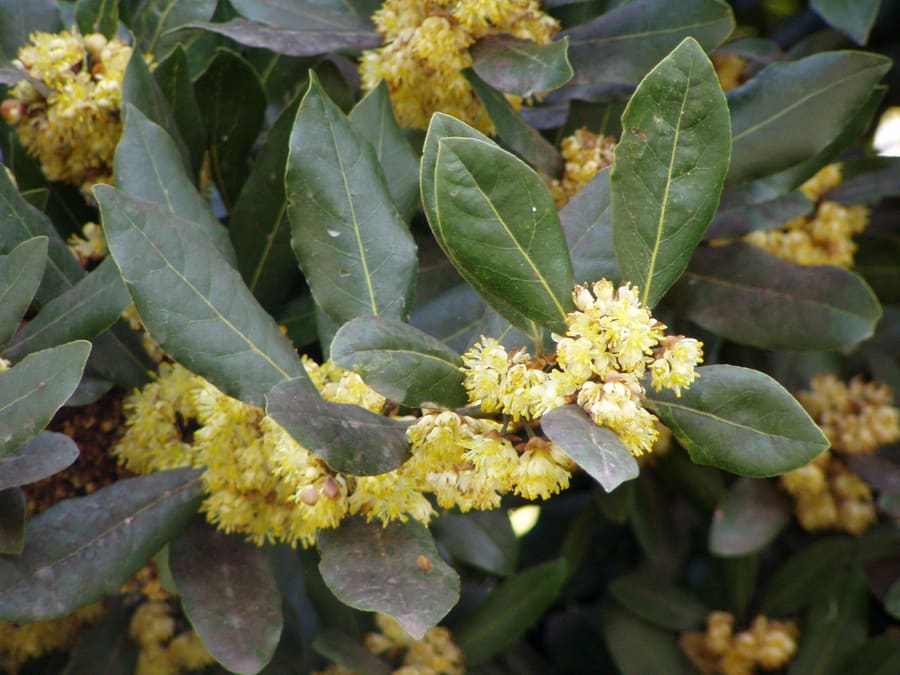 Bay laurel (Laurus nobilis)
Bay laurel (Laurus nobilis) is an aromatic evergreen shrub or small tree that can grow up to about 65 ft (20 m). It features leathery, dark green, lance-shaped leaves, small yellow flowers, and shiny black berries. The plant is well known for its culinary use (“bay leaves”) as well as its medicinal history in ancient Greece and Rome.
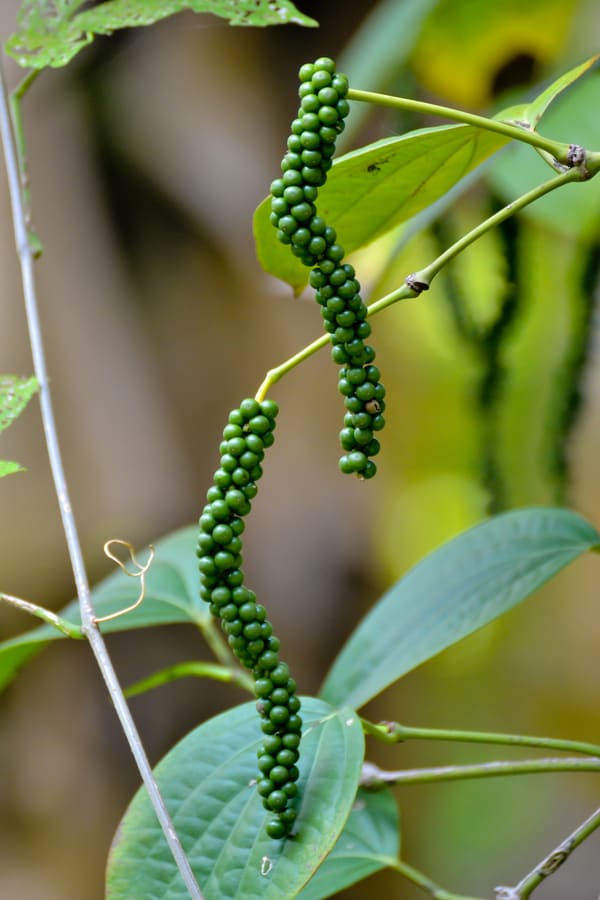 Black Pepper (Piper nigrum)
Black pepper is a perennial woody climbing vine growing to about 16 feet, with large oval leaves, spikes of small white flowers, and clusters of small round fruits that ripen from green to red. Native to southwestern India and now cultivated in tropical areas worldwide, the fruit is harvested from plants that are at least three years old. Different processing methods yield green, black, red, and white peppercorns, each with distinct flavors and uses. Cultivated as both a spice and medicine since ancient times, pepper was such a prized commodity in world trade that Attila the Hun reportedly demanded 3,000 pounds of it as ransom during his siege of Rome in 408 CE.
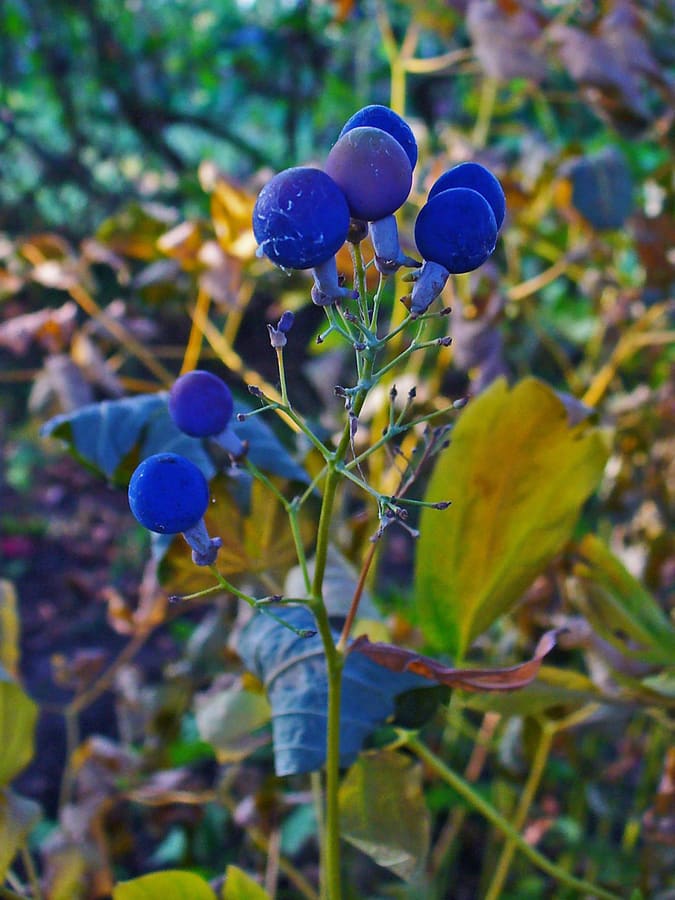 Blue Cohosh (Caulophyllum thalictroides)Not for self-dosing
Blue cohosh is an upright perennial herb reaching 3 feet in height, with large three-lobed leaves, yellow to purple flowers, and striking blue berries. It grows wild in much of eastern North America from Manitoba to Alabama, preferring woodland valleys and damp, north-facing slopes. The name 'cohosh' comes from the Algonquin language, and the plant was a popular remedy among many Native American tribes. Though taken by both sexes for genitourinary issues, it was primarily valued as a women's herb, and that tradition continues in modern herbal practice.
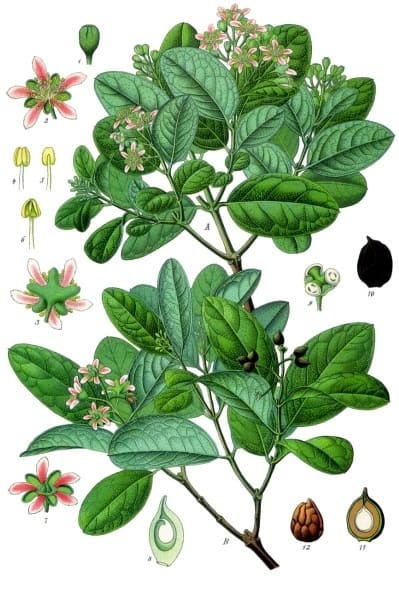 Boldo (Peumus boldus)Not for self-dosing
Boldo is a strongly aromatic multi-branched evergreen shrub or tree growing to 20 feet. It has egg-shaped leathery leaves with a lemony scent, clusters of white or yellow bell-shaped flowers, and small yellow berries. Native to Chile and Peru, it has become naturalized in the Mediterranean region and the West Coast of North America, where it grows on dry sunny slopes and in mountain pastures in the Andes. It is widely cultivated, and its leaves are gathered throughout the year. Boldo is a valued remedy in Latin American herbal medicine and is used by the Araucanian people in Chile as a tonic.