
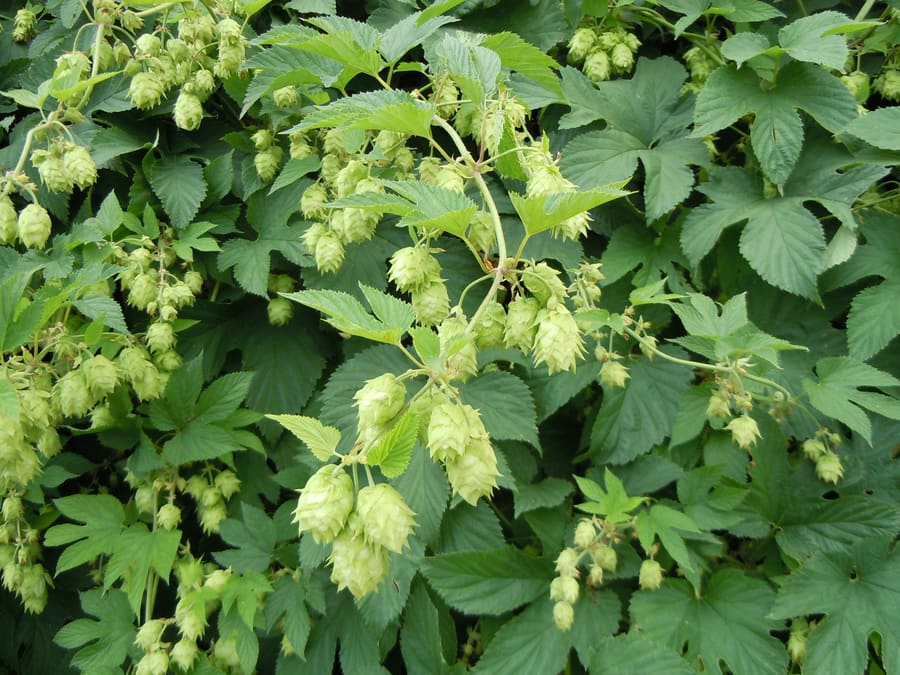
Hops (Humulus lupulus)
Photo: Matt Lavin from Bozeman, Montana, USA · CC BY-SA 2.0
- Mental
- 1 condition
- Licensed photo
Overview
Hops (Humulus lupulus) are the female flower clusters (“strobiles”) of a tall, climbing perennial vine that can reach up to about 23 ft (7 m). Known primarily for its bitter flavor in beer, hops also possess sedative, antispasmodic, and digestive-stimulating properties, making them valuable for tension, insomnia, and mild digestive woes.
Traditional uses & properties
Nervine & Sedative: Helps ease restlessness, irritability, tension, and sleep difficulties; a hop-filled pillow can encourage calm. Digestive Tonic & Aromatic Bitter: Stimulates gastric secretions, useful for sluggish digestion, cramps, and colic. Antispasmodic & Mild Analgesic: May reduce certain types of pain and muscle spasms. Phytoestrogenic: Can increase libido in women and diminish it in men (an anaphrodisiac effect).
Traditional preparations
Traditional texts describe the preparations below, and where those texts give specific amounts, the amounts are quoted here as part of that record. This is a record of historical practice, not a dosage recommendation - the figures are what the sources say, not what HerbMate tells you to take. Amounts, potency, and safe use vary enormously by preparation, plant part, and person.
Make an infusion and drink 3/4 cup (150 ml) at night.
Safety & precautions
Contraindicated in Depression: Hops can exacerbate depressive symptoms. Estrogenic Effects: Use caution if you have estrogen-dominant conditions or if pregnant. Allergies: Those allergic to hops should avoid. Children: Not ideal for young children as a single herb, though it can be part of a gentle formula.
Drug & food interactions
Animal studies suggest that hops extracts potentiate the analgesic effects of paracetamol, suppress the stimulant effects of cocaine, suppress the effects of diazepam and potentially alter the sedative effects of pentobarbital.
- Paracetamol (Acetaminophen)
- The interaction between hops and paracetamol is based on experimental evidence only.
- Diazepam
- The interaction between hops and diazepam is based on experimental evidence only.
- Herbal medicines
- No interactions found.
- Cocaine
- The interaction between hops and cocaine is based on experimental evidence only.
- Pentobarbital
- The interaction between hops and pentobarbital is based on experimental evidence only.
- Food
- No interactions found.
- Oestrogens or Oestrogen antagonists
- Hops contains oestrogenic compounds. This may result in additive effects with oestrogens or it may oppose the effects of oestrogens. Similarly, hops may have additive effects with oestrogen antagonists or oppose the effects of oestrogen antagonists (e.g. tamoxifen).
These entries keep the wording of the reference they come from, and three phrases mean three different things. "No interactions found" means the source looked for reports of that pairing and found none. "No data found" means nothing has been published either way. "Based on experimental evidence only" means the effect has been seen in a laboratory or animal study but not in people - a reason for caution, not a report of harm.
Habitat
Indigenous to Europe and Asia, hops flourish along roadsides or in open fields and are grown commercially in northern Europe and parts of the U.S. The female flowers are gathered in early autumn and dried at low temperatures.
Traditionally used for
Each condition shows its first 2 remedies free. Premium opens the full remedy list for every condition - or come back for the free Condition of the Day.
Frequently asked questions
What is Hops (Humulus lupulus) traditionally used for?
Traditional sources describe Hops (Humulus lupulus) as follows: Nervine & Sedative: Helps ease restlessness, irritability, tension, and sleep difficulties; a hop-filled pillow can encourage calm. Digestive Tonic & Aromatic Bitter: Stimulates gastric secretions, useful for sluggish digestion, cramps, and colic. Antispasmodic & Mild Analgesic: May reduce certain types of pain and muscle spasms. Phytoestrogenic: Can increase libido in women and diminish it in men (an anaphrodisiac effect).
How is Hops (Humulus lupulus) prepared?
Traditional texts describe the preparations below, and where those texts give specific amounts, the amounts are quoted here as part of that record. This is a record of historical practice, not a dosage recommendation - the figures are what the sources say, not what HerbMate tells you to take. Amounts, potency, and safe use vary enormously by preparation, plant part, and person. Insomnia: Make an infusion and drink 3/4 cup (150 ml) at night.
What safety cautions apply to Hops (Humulus lupulus)?
Contraindicated in Depression: Hops can exacerbate depressive symptoms. Estrogenic Effects: Use caution if you have estrogen-dominant conditions or if pregnant. Allergies: Those allergic to hops should avoid. Children: Not ideal for young children as a single herb, though it can be part of a gentle formula.
Related herbs
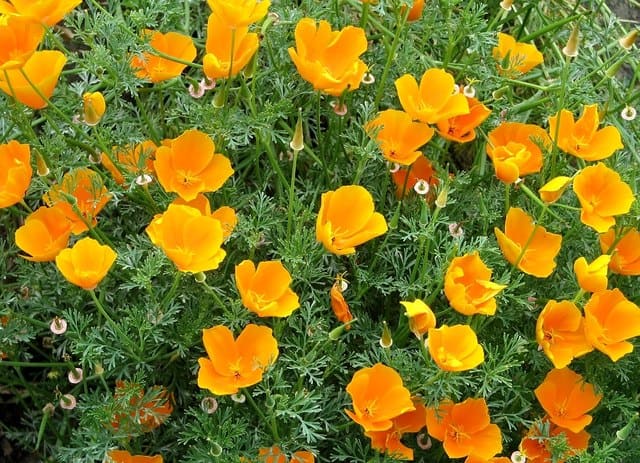 California Poppy (Eschscholzia californica)
California poppy (Eschscholzia californica) is an annual or short-lived perennial with finely divided leaves and vibrant orange, yellow, pink, or red blossoms. A mild sedative and analgesic, it is related to the opium poppy but lacks narcotic effects. Instead, California poppy gently calms the nervous system, helps with insomnia and tension, and soothes pain without depressing central nervous system function.
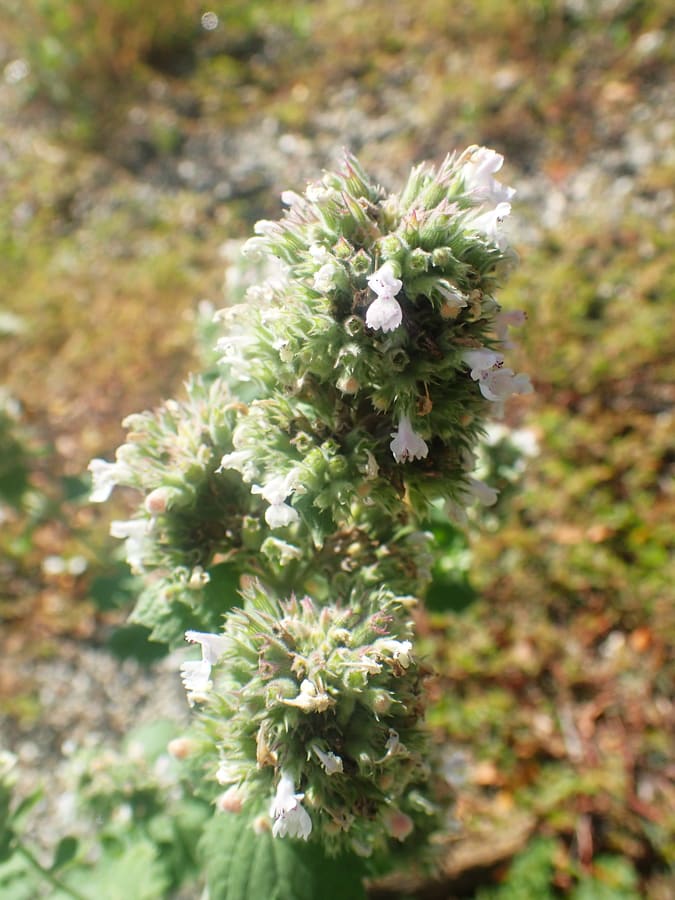 Catnip (Nepeta cataria)
Catnip is a downy, aromatic perennial growing to 3 feet with heart-shaped, gray-green leaves and whorls of white flowers marked with purple spots. Native to Europe and naturalized in North America, it grows in dry wayside places and mountainous regions up to altitudes of 5,000 feet. The plant is gathered when in flower during summer and autumn. Its name comes from the Norse word 'dylla,' meaning 'to soothe,' reflecting its calming properties. Catnip has an excitatory effect on cats but a sedative effect on humans.
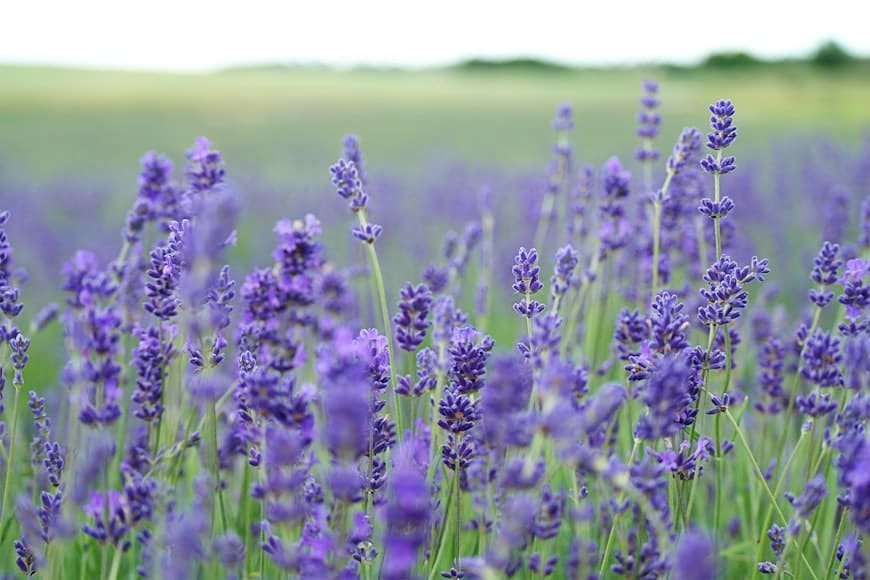 Lavender (Lavandula angustifolia)
Lavender (Lavandula officinalis, also known as L. angustifolia) is a small, perennial shrub that can grow about 3 ft (1 m) high, characterized by its narrow, silver-green leaves and spiked violet-blue flowers. Renowned for its sweet, calming aroma, lavender is a mildly warming, relaxing nervine, helpful in alleviating stress, tension, depression, and headaches. Its essential oil has antifungal properties and is commonly used for burns and other skin inflammations.
 Linden (Tilia europaea)
Linden comprises deciduous trees growing to a height of 100 feet with smooth gray bark, heart-shaped leaves, and clusters of pale yellow flowers with winglike bracts. Native to Europe, it is found in the wild but is also much planted in gardens and along roads. The flowers are collected in summer. Greek myth recounts how the nymph Philyra, devastated after being raped by the god Cronus in the guise of a horse and giving birth to the centaur Chiron, begged the gods not to leave her amongst mortals. The gods granted her wish by transforming her into a linden tree, forever linking this graceful species with transformation and divine mercy.
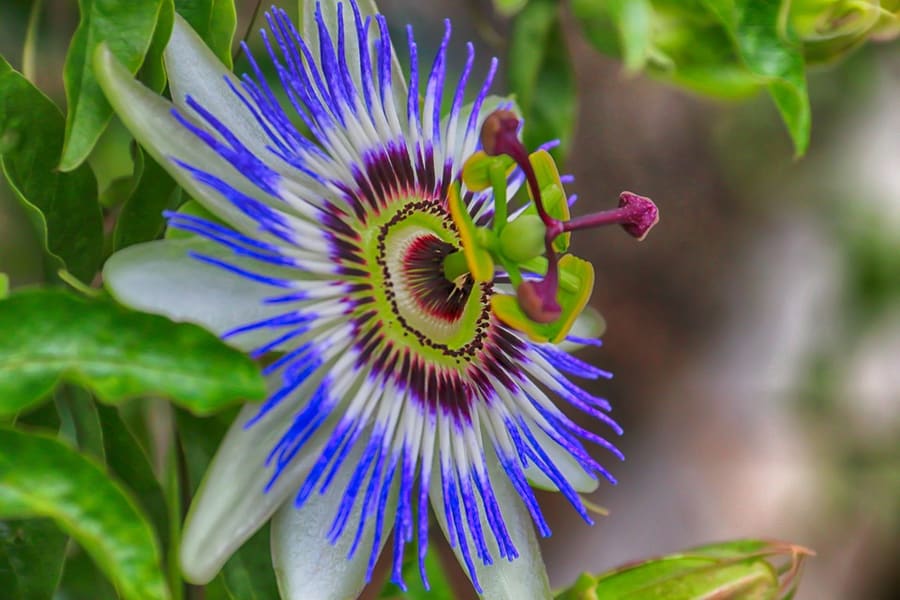 Passionflower (Passiflora incarnata)
Passionflower (Passiflora incarnata and related species) is a climbing vine that can grow up to about 30 ft (9 m). It features ornate, complex flowers - often white, purple, or blue - and lobed leaves. Traditionally recognized for its mild sedative and tranquilizing effects, passionflower helps ease anxiety, restlessness, and insomnia. Some species (e.g., P. quadrangularis) contain serotonin-like compounds, which may contribute to the herb’s calming properties.
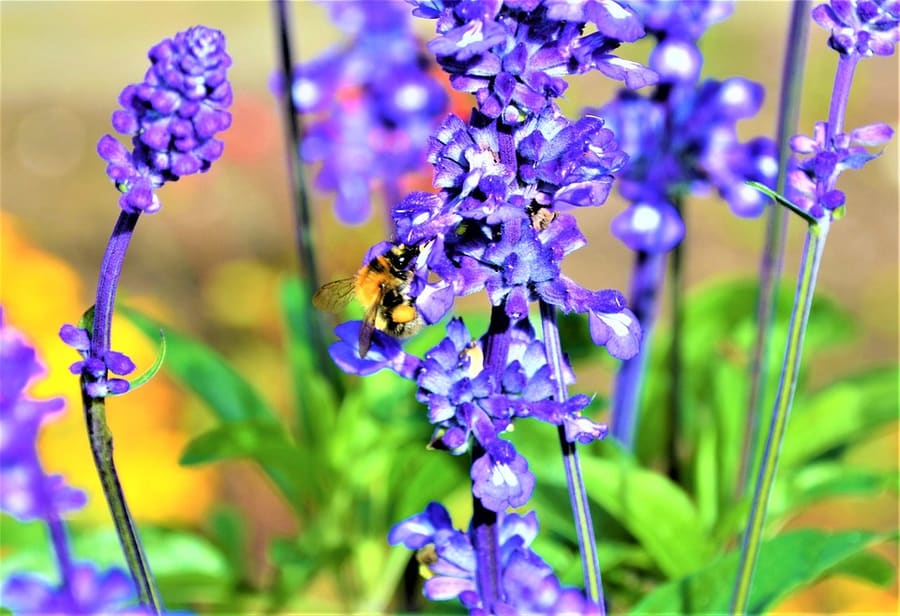 Skullcap (Scutellaria lateriflora)
Skullcap (Scutellaria lateriflora) is a perennial, up to about 2 ft (60 cm), with branching stems, lanceolate leaves, and small pink to blue flowers. As a relaxing nervine, skullcap soothes anxiety, stress, and insomnia. The fresh plant, tinctured, is thought to have a gentler tonic action; dried skullcap can be more sedative.
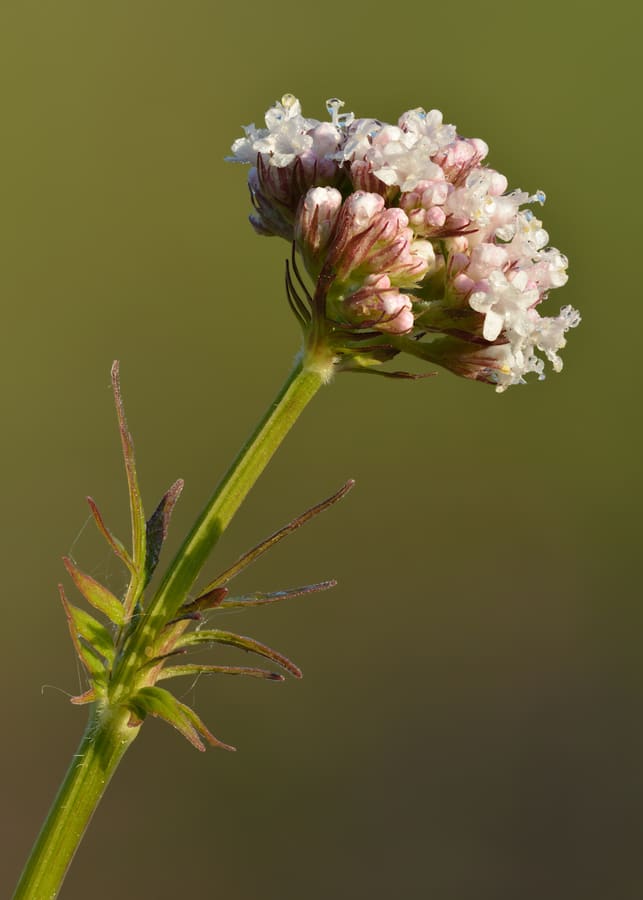 Valerian (Valeriana officinalis)
Valerian (Valeriana officinalis) is an upright, clump-forming perennial reaching about 4 ft (1.2 m), with divided, pinnate leaves and pinkish-white clusters of small flowers. Known for its pungent (often unpleasant) smell, valerian is one of the most popular sedative and relaxant herbs in Western herbal medicine, helping to calm sympathetic overactivity, ease anxiety, and aid restful sleep.
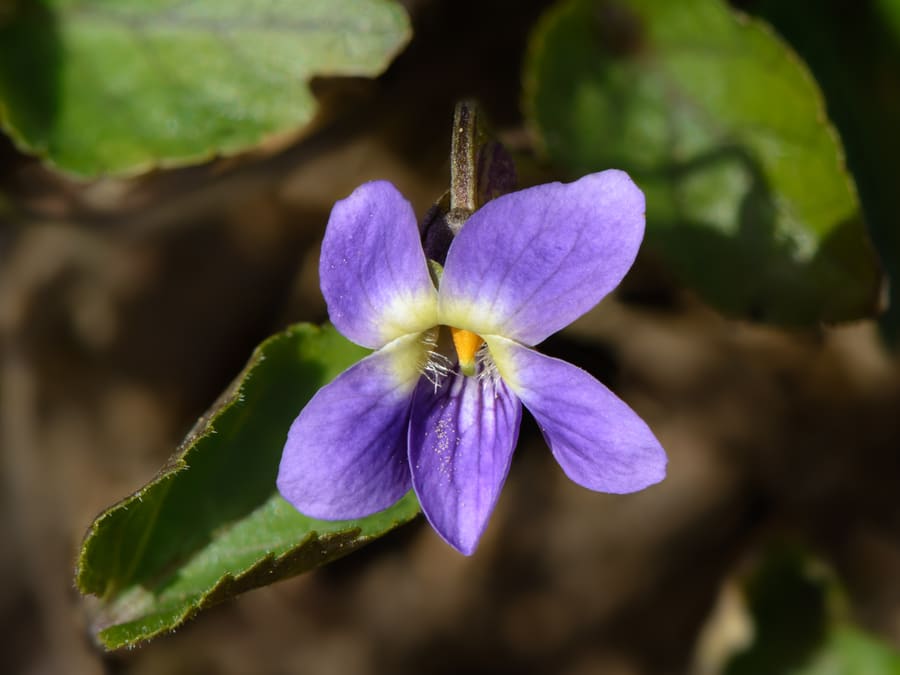 Violet (Viola odorata)
Sweet violet is a creeping perennial growing to 6 inches tall with toothed oval leaves and attractive violet-blue or white flowers with a five-petaled corolla. Native to much of Europe and Asia, it is a common wayside plant also found along roadsides and in woodlands. In classical mythology, sweet violet was associated with death, but classical physicians recognized it as an effective emetic and cough remedy. The 17th-century herbalist Nicholas Culpeper noted that violets are cooling and moistening when fresh and green.