
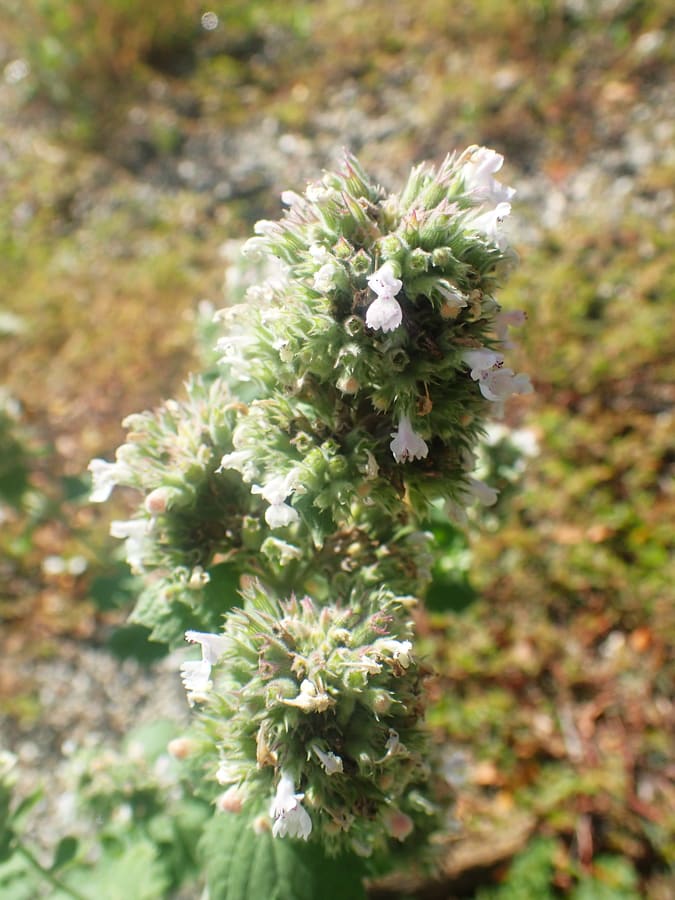
Catnip (Nepeta cataria)
Photo: Krzysztof Ziarnek, Kenraiz · CC BY-SA 4.0
- Digestive
- 6 conditions
- Licensed photo
Overview
Catnip is a downy, aromatic perennial growing to 3 feet with heart-shaped, gray-green leaves and whorls of white flowers marked with purple spots. Native to Europe and naturalized in North America, it grows in dry wayside places and mountainous regions up to altitudes of 5,000 feet. The plant is gathered when in flower during summer and autumn. Its name comes from the Norse word 'dylla,' meaning 'to soothe,' reflecting its calming properties. Catnip has an excitatory effect on cats but a sedative effect on humans.
Traditional uses & properties
Catnip is a mild aromatic herb that soothes and settles the stomach and nerves. It is excellent for colds, flu, and fever in children, especially when combined with elderflower and sweetened with honey. The herb strongly encourages sweating, which helps reduce fever. Catnip is markedly antiflatulent, helping to settle indigestion, colic, and digestive discomfort. It is one of the best remedies for stress-induced irritable bowel syndrome. The fresh leaf tincture is a potent gastrointestinal antispasmodic, though the dried leaf loses most of this property. Catnip can also be used for nervousness, stress, and at bedtime as a sleep aid. It helps produce perspiration without increasing body heat and is beneficial for headaches related to digestive problems. A tincture can serve as a friction rub for rheumatism and arthritis.
Traditional preparations
Traditional texts describe the preparations below, and where those texts give specific amounts, the amounts are quoted here as part of that record. This is a record of historical practice, not a dosage recommendation - the figures are what the sources say, not what HerbMate tells you to take. Amounts, potency, and safe use vary enormously by preparation, plant part, and person.
Standard infusion: 2-6 ounces up to 3 times daily. Tincture (fresh leaf 1:2, 95% alcohol; dried leaf 1:5, 50% alcohol): 1-5 ml (0.4-1 tsp.) up to 3 times daily. Glycerite (fresh leaf 1:5, 90% glycerin sealed simmer method - puree leaf and glycerin in blender before extracting; dried leaf 1:8): 1-2 tsp. up to 3 times daily.
Safety & precautions
Generally mild and extremely safe, making it excellent for children and babies. However, extremely large doses can cause vomiting. Avoid during pregnancy. No other significant warnings for normal use.
Drug & food interactions
Interaction data is not available for this herb - talk to a pharmacist before combining it with any medication. A blank entry here means we have not documented interactions, not that none exist.
Habitat
Native to Europe and naturalized in North America, catnip grows in dry wayside places and mountainous regions up to 5,000 feet. It is gathered when in flower in summer and autumn.
Traditionally used for
- Indigestion24 herbs · 2 free
- Irritable Bowel Syndrome11 herbs · 2 free
- Fever11 herbs · 2 free
- Anxiety11 herbs · 2 free
- Insomnia9 herbs · 2 free
- Cold and Flu16 herbs · 2 free
Each condition shows its first 2 remedies free. Premium opens the full remedy list for every condition - or come back for the free Condition of the Day.
Frequently asked questions
What is Catnip (Nepeta cataria) traditionally used for?
Traditional sources describe Catnip (Nepeta cataria) as follows: Catnip is a mild aromatic herb that soothes and settles the stomach and nerves. It is excellent for colds, flu, and fever in children, especially when combined with elderflower and sweetened with honey. The herb strongly encourages sweating, which helps reduce fever. Catnip is markedly antiflatulent, helping to settle indigestion, colic, and digestive discomfort. It is one of the best remedies for stress-induced irritable bowel syndrome. The fresh leaf tincture is a potent gastrointestinal antispasmodic, though the dried leaf loses most of this property. Catnip can also be used for nervousness, stress, and at bedtime as a sleep aid. It helps produce perspiration without increasing body heat and is beneficial for headaches related to digestive problems. A tincture can serve as a friction rub for rheumatism and arthritis.
How is Catnip (Nepeta cataria) prepared?
Traditional texts describe the preparations below, and where those texts give specific amounts, the amounts are quoted here as part of that record. This is a record of historical practice, not a dosage recommendation - the figures are what the sources say, not what HerbMate tells you to take. Amounts, potency, and safe use vary enormously by preparation, plant part, and person. Standard infusion: 2-6 ounces up to 3 times daily. Tincture (fresh leaf 1:2, 95% alcohol; dried leaf 1:5, 50% alcohol): 1-5 ml (0.4-1 tsp.) up to 3 times daily. Glycerite (fresh leaf 1:5, 90% glycerin sealed simmer method - puree leaf and glycerin in blender before extracting; dried leaf 1:8): 1-2 tsp. up to 3 times daily.
What safety cautions apply to Catnip (Nepeta cataria)?
Generally mild and extremely safe, making it excellent for children and babies. However, extremely large doses can cause vomiting. Avoid during pregnancy. No other significant warnings for normal use.
Related herbs
 Linden (Tilia europaea)
Linden comprises deciduous trees growing to a height of 100 feet with smooth gray bark, heart-shaped leaves, and clusters of pale yellow flowers with winglike bracts. Native to Europe, it is found in the wild but is also much planted in gardens and along roads. The flowers are collected in summer. Greek myth recounts how the nymph Philyra, devastated after being raped by the god Cronus in the guise of a horse and giving birth to the centaur Chiron, begged the gods not to leave her amongst mortals. The gods granted her wish by transforming her into a linden tree, forever linking this graceful species with transformation and divine mercy.
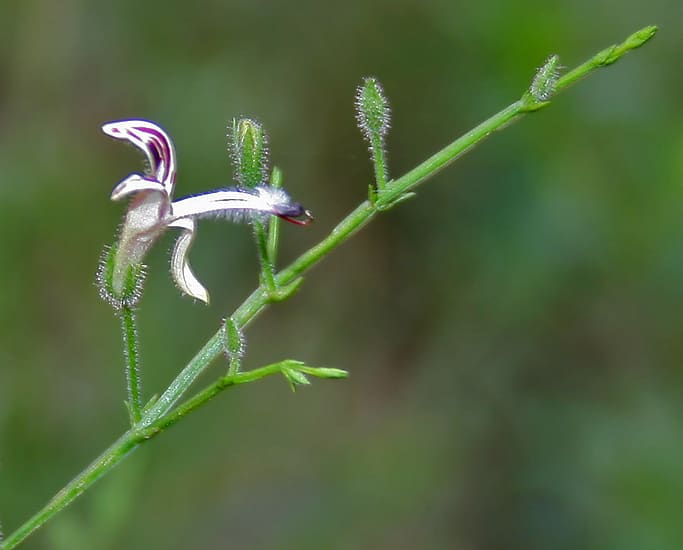 Andrographis (Andrographis paniculata)
Andrographis, commonly known as Green Chiretta or King of Bitters, is an upright annual herb reaching approximately 3 feet in height. Native to India and cultivated throughout northern regions of India and China, this bitter medicinal plant has been valued in Ayurvedic and traditional Chinese medicine for centuries. Historically used primarily for liver support and treating infections - especially malaria - it has earned recognition for its powerful immune-boosting and protective properties. The plant thrives on plains and in forest undergrowth, where its spotted pale brown or purple flowers and long seed capsules distinguish it from other medicinal herbs.
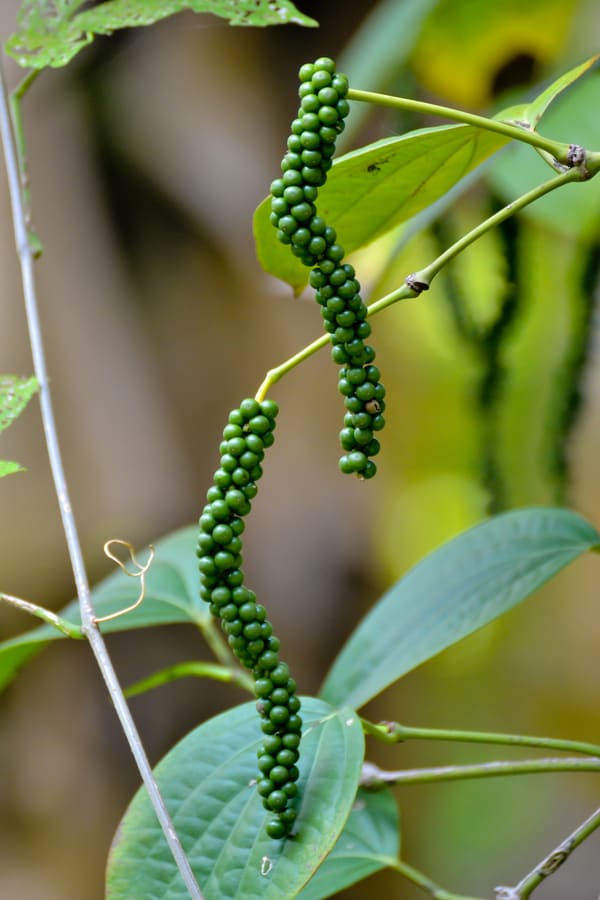 Black Pepper (Piper nigrum)
Black pepper is a perennial woody climbing vine growing to about 16 feet, with large oval leaves, spikes of small white flowers, and clusters of small round fruits that ripen from green to red. Native to southwestern India and now cultivated in tropical areas worldwide, the fruit is harvested from plants that are at least three years old. Different processing methods yield green, black, red, and white peppercorns, each with distinct flavors and uses. Cultivated as both a spice and medicine since ancient times, pepper was such a prized commodity in world trade that Attila the Hun reportedly demanded 3,000 pounds of it as ransom during his siege of Rome in 408 CE.
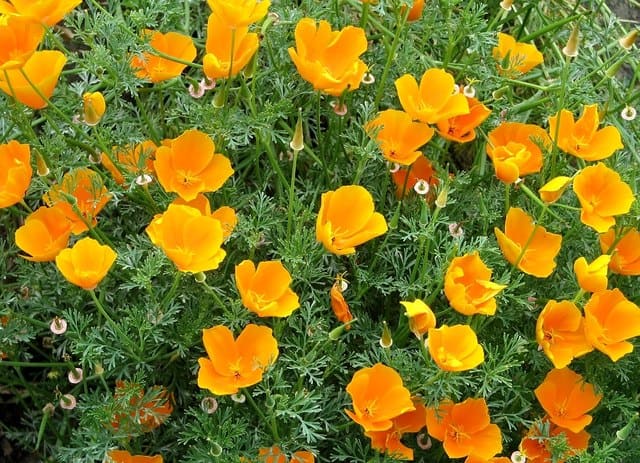 California Poppy (Eschscholzia californica)
California poppy (Eschscholzia californica) is an annual or short-lived perennial with finely divided leaves and vibrant orange, yellow, pink, or red blossoms. A mild sedative and analgesic, it is related to the opium poppy but lacks narcotic effects. Instead, California poppy gently calms the nervous system, helps with insomnia and tension, and soothes pain without depressing central nervous system function.
 Caraway (Carum carvi)
Caraway is an aromatic annual herb growing to 2 feet with a ridged stem, feathery leaves, and umbels of white flowers in midsummer. Exploding capsules release two small narrow seeds. It grows wild in Europe, North Africa, and Asia, preferring sunny sites up to 6,600 feet above sea level. Cultivated in Europe, Russia, North Africa, and the United States, the seeds are harvested ripe in late summer. Caraway has been valued since ancient times for its digestive and respiratory benefits, and the seeds are commonly used in cooking.
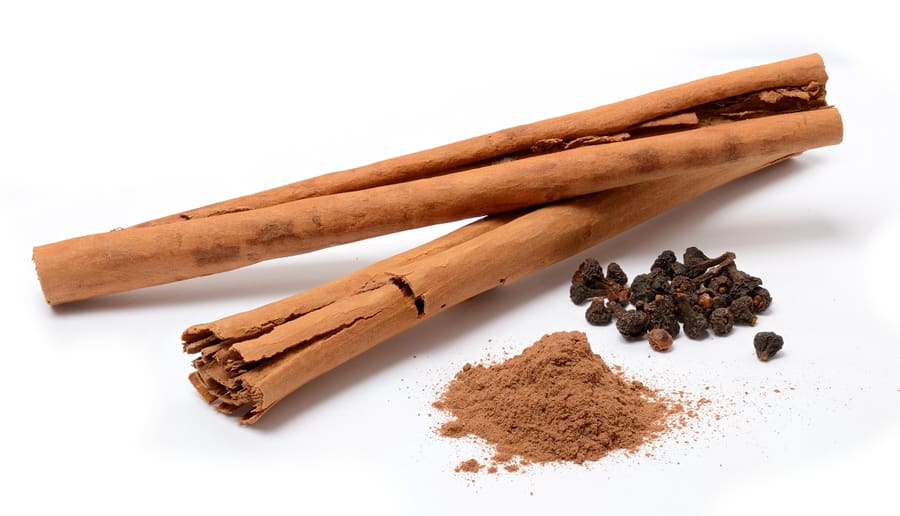 Cinnamon (Cinnamomum verum)
Cinnamon (Cinnamomum verum or C. zeylanicum) is a small evergreen tree, prized for its fragrant, sweet-spicy bark. Used for centuries as a warming stimulant in Ayurveda and traditional Chinese medicine, cinnamon supports digestion, circulation, and blood-sugar balance. Modern research confirms its ability to boost insulin sensitivity and possibly reduce high blood glucose in type 2 diabetes.
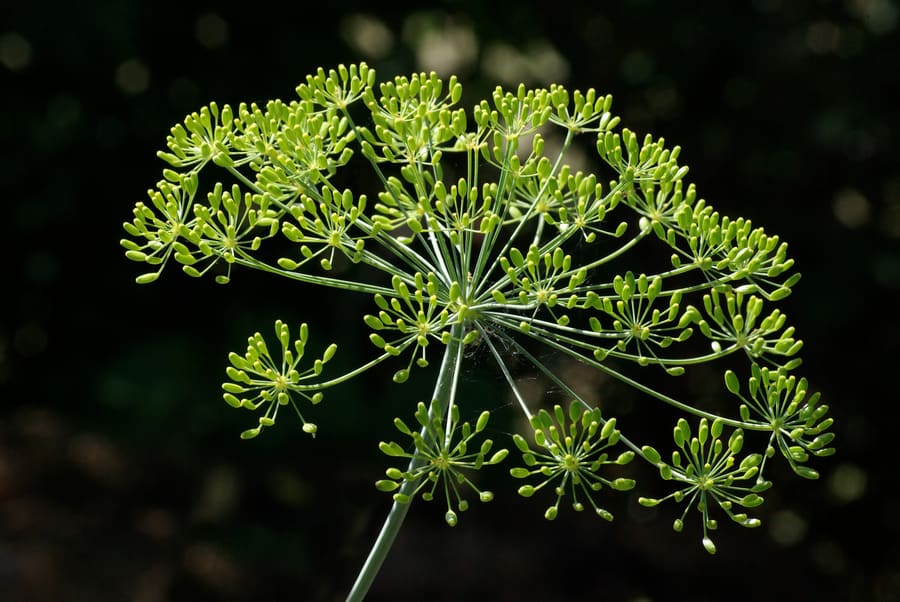 Dill (Anethum graveolens)
Dill is an aromatic annual growing to 30 inches with an erect hollow stem, feathery leaves, and numerous yellow flowers in umbels. Its very lightweight, pungent fruit (seeds) are harvested in late summer. Native to southern Europe and central and southern Asia, dill grows wild in open areas and is widely cultivated - notably in England, Germany, and North America. The leaves are picked as a culinary herb. An ancient Egyptian remedy in the Ebers papyrus (c. 1500 BCE) recommends dill as one of the ingredients in a pain-killing mixture. The ancient Greeks are believed to have covered their eyes with fronds of the herb to induce sleep. Dill was commonly used as a charm against witchcraft in the Middle Ages, when it was burned to clear thunderclouds. Its name comes from the Norse 'dylla,' meaning 'to soothe.'
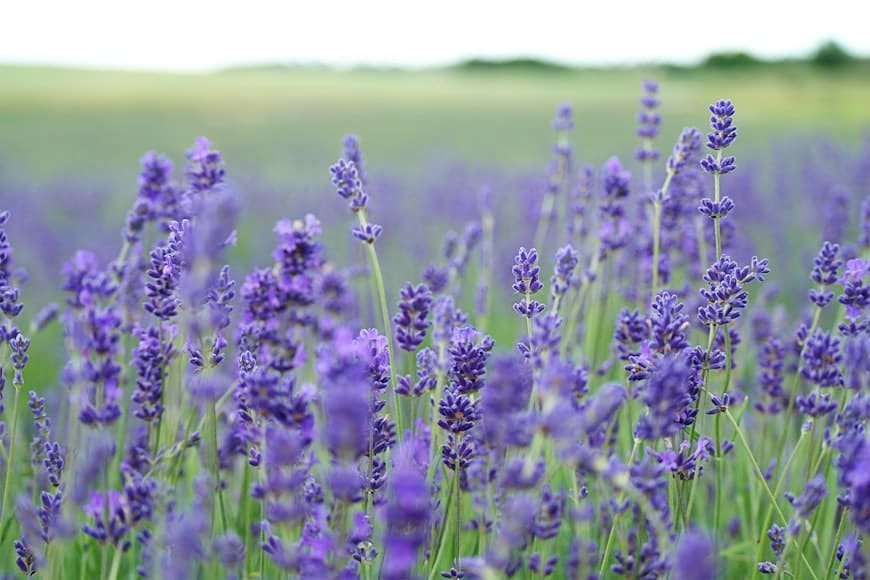 Lavender (Lavandula angustifolia)
Lavender (Lavandula officinalis, also known as L. angustifolia) is a small, perennial shrub that can grow about 3 ft (1 m) high, characterized by its narrow, silver-green leaves and spiked violet-blue flowers. Renowned for its sweet, calming aroma, lavender is a mildly warming, relaxing nervine, helpful in alleviating stress, tension, depression, and headaches. Its essential oil has antifungal properties and is commonly used for burns and other skin inflammations.