Horse Chestnut (Aesculus hippocastanum)
Photo: Dominicus Johannes Bergsma · CC BY-SA 4.0
- Circulatory
- 2 conditions
- Licensed photo
Overview
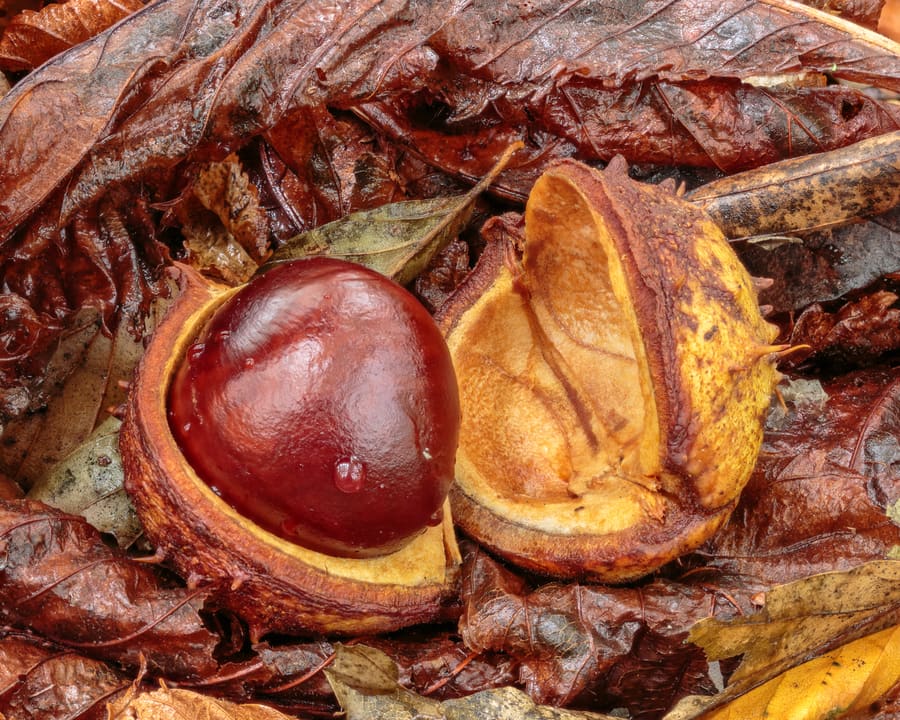
Horse chestnut (Aesculus hippocastanum) is a large, stately deciduous tree growing up to about 80 ft (25 m), known for its palmate leaves and prickly green seed pods that contain shiny brown seeds (“conkers”). The seeds, bark, and leaves contain compounds that strengthen veins and reduce fluid retention, making horse chestnut a leading remedy for varicose veins and poor venous circulation.
Traditional uses & properties
Vascular Tonic & Astringent: Improves vein elasticity, helping address varicose veins, hemorrhoids, and chronic venous insufficiency. Anti-Inflammatory & Diuretic: Reduces edema (fluid retention) and inflammation, encouraging better blood flow. Antioxidant & Circulatory Support: Helps strengthen capillaries, preventing leakage that contributes to swelling.
Traditional preparations
Traditional texts describe the preparations below, and where those texts give specific amounts, the amounts are quoted here as part of that record. This is a record of historical practice, not a dosage recommendation - the figures are what the sources say, not what HerbMate tells you to take. Amounts, potency, and safe use vary enormously by preparation, plant part, and person.
Make a lotion and apply twice per day to varicose veins.
Safety & precautions
Children, Pregnancy, & Nursing: Best avoided. Blood-Thinning Medications: Use caution and consult a practitioner. Internally: Standardized extracts are considered safe when properly used. Excess dosage can cause gastrointestinal upset or toxic effects. Broken Skin: Do not apply topically to ulcerated or broken areas.
Drug & food interactions
One in vitro study suggests that horse chestnut may affect P-glycoprotein, and could therefore affect the pharmacokinetics of drugs such as digoxin, although the clinical significance of this is unknown. Some have suggested that horse chestnut may interact with anticoagulants, presumably based on its natural coumarin content, but the coumarins present are not known to possess the structural requirements necessary for anticoagulant activity.
- Herbal medicines
- No interactions found.
- Digoxin
- The interaction between horse chestnut and digoxin is based on experimental evidence only.
- Food
- No relevant interactions found.
These entries keep the wording of the reference they come from, and three phrases mean three different things. "No interactions found" means the source looked for reports of that pairing and found none. "No data found" means nothing has been published either way. "Based on experimental evidence only" means the effect has been seen in a laboratory or animal study but not in people - a reason for caution, not a report of harm.
Habitat
Originally from mountainous forests in the Balkans and western Asia, horse chestnut is now a common ornamental tree worldwide, especially in northern/western Europe. Leaves, bark, and seeds are harvested mainly in autumn; leaves can also be picked in summer.
Traditionally used for
Each condition shows its first 2 remedies free. Premium opens the full remedy list for every condition - or come back for the free Condition of the Day.
Frequently asked questions
What is Horse Chestnut (Aesculus hippocastanum) traditionally used for?
Traditional sources describe Horse Chestnut (Aesculus hippocastanum) as follows: Vascular Tonic & Astringent: Improves vein elasticity, helping address varicose veins, hemorrhoids, and chronic venous insufficiency. Anti-Inflammatory & Diuretic: Reduces edema (fluid retention) and inflammation, encouraging better blood flow. Antioxidant & Circulatory Support: Helps strengthen capillaries, preventing leakage that contributes to swelling.
How is Horse Chestnut (Aesculus hippocastanum) prepared?
Traditional texts describe the preparations below, and where those texts give specific amounts, the amounts are quoted here as part of that record. This is a record of historical practice, not a dosage recommendation - the figures are what the sources say, not what HerbMate tells you to take. Amounts, potency, and safe use vary enormously by preparation, plant part, and person. Varicose Veins: Make a lotion and apply twice per day to varicose veins.
What safety cautions apply to Horse Chestnut (Aesculus hippocastanum)?
Children, Pregnancy, & Nursing: Best avoided. Blood-Thinning Medications: Use caution and consult a practitioner. Internally: Standardized extracts are considered safe when properly used. Excess dosage can cause gastrointestinal upset or toxic effects. Broken Skin: Do not apply topically to ulcerated or broken areas.
Related herbs
 Stone Root (Collinsonia canadensis)
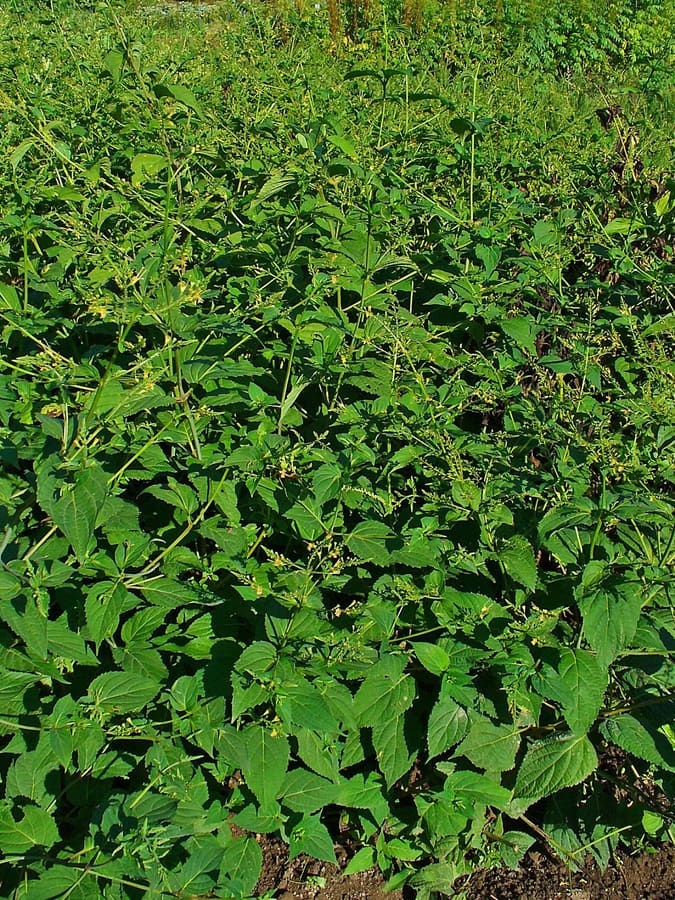
Stone root is a perennial herb growing to 3 feet tall, characterized by a square stem, oval leaves, and clusters of greenish-yellow flowers. Native to moist woodlands of eastern North America, the root is harvested in autumn. The plant contains volatile oil, tannins, and saponins.
 Butcher's Broom (ruscus aculeatus)
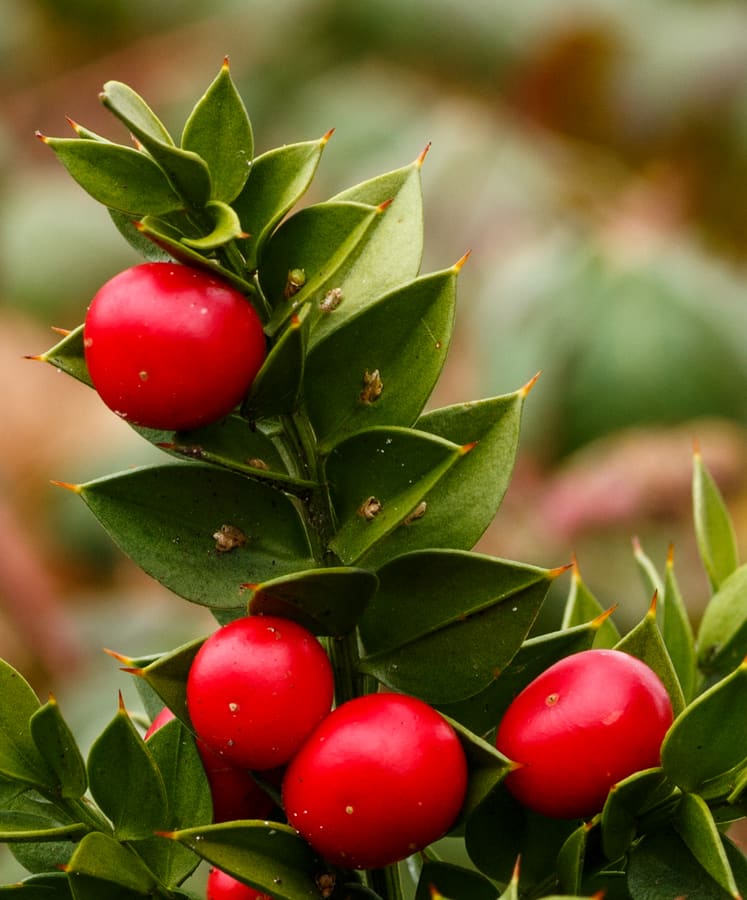
Butcher’s broom is a bushy, evergreen perennial that can reach about 3 ft (1 m) in height. It has stiff, leaf-like branches ending in a sharp spine, with small greenish-white flowers and shiny red berries in autumn. Traditionally noted for its tonic effect on the vascular system, butcher’s broom helps prevent blood clots and supports the tone of arteries and veins. It is often recommended for varicose veins, hemorrhoids, phlebitis, and bruises.
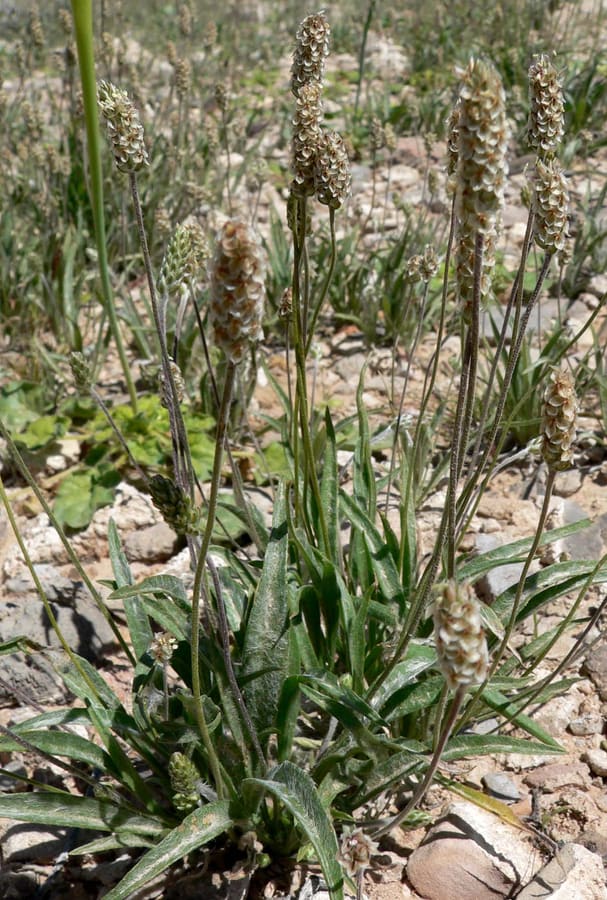 Psyllium (Plantago ovata)
Psyllium, also known as flea seed due to its small brown appearance, is produced by several Plantago species. It has been used as a safe and effective laxative for thousands of years across Europe, North Africa, and Asia. The seeds and husks have a bland taste and develop a jellylike consistency when moistened due to their high mucilage content. The plants are extensively cultivated, especially in India, and propagated from seed in spring. Seeds are harvested when ripe in late summer and early autumn.
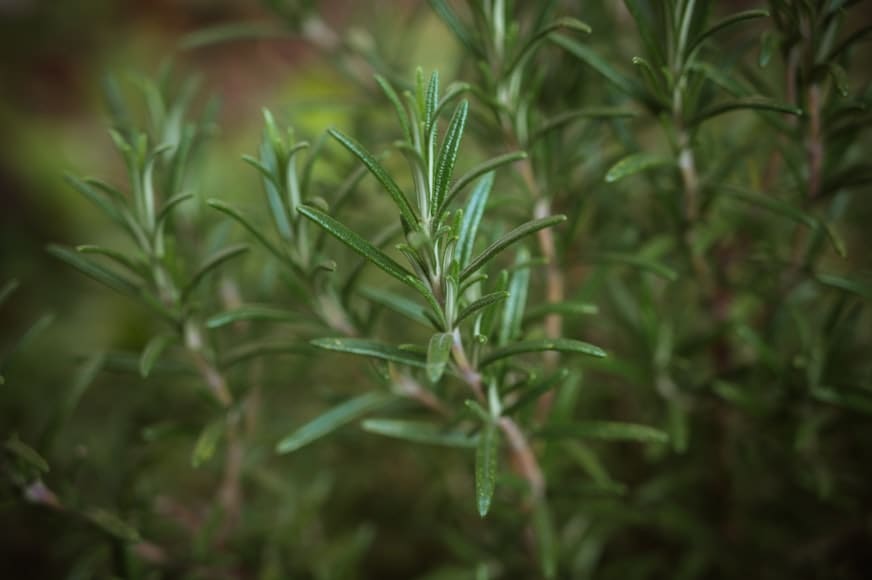 Rosemary (Rosmarinus officinalis)
Rosemary (Rosmarinus officinalis) is an aromatic evergreen shrub, commonly growing to about 6½ ft (2 m), with narrow, pinelike leaves and small, pale blue flowers. Known for its distinctive flavor in Mediterranean cuisine, rosemary is also a prized medicinal herb that supports memory, circulation, and digestion. Its mildly bitter, warming quality has a long history of invigorating and uplifting properties.
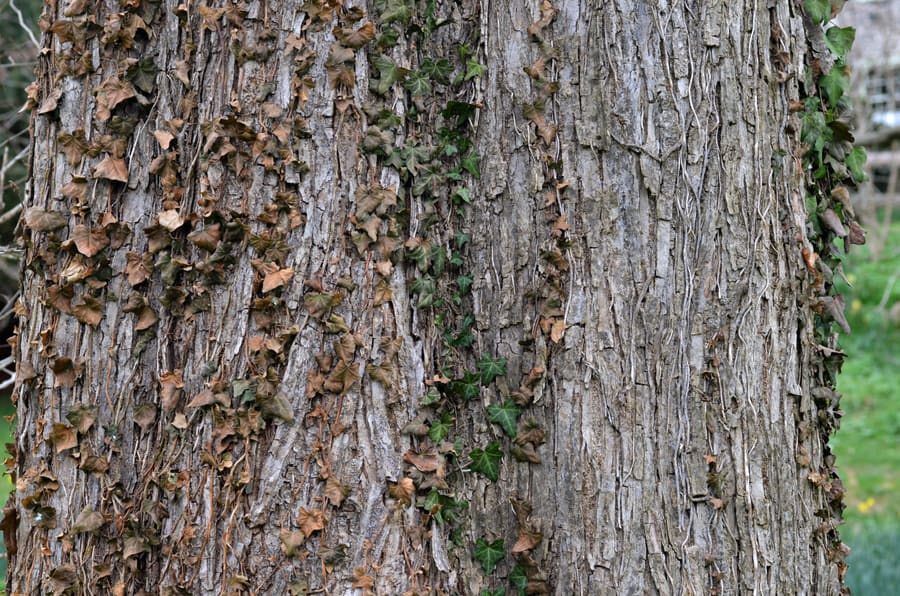 Slippery Elm (Ulmus rubra)
Slippery elm (Ulmus rubra) is a large tree native to the eastern U.S. and Canada. The medicinal part is the inner bark, prized for its high mucilage content. When soaked in water, it turns “slippery,” coating and soothing inflamed tissues in the mouth, throat, stomach, and intestines.
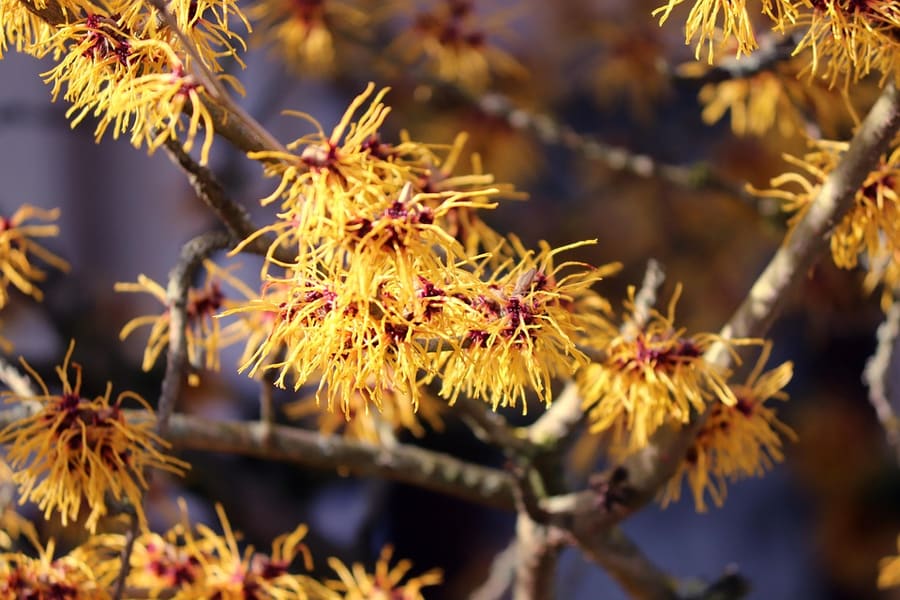 Witch Hazel (Hamamelis virginiana)
Witch hazel (Hamamelis virginiana) is a small deciduous tree or shrub, often up to 16 ft (5 m), producing coarsely toothed leaves and distinct, ribbonlike yellow flowers in autumn or winter. Its bark and leaves are highly astringent, making witch hazel widely used for skin, varicose veins, and hemorrhoids.