
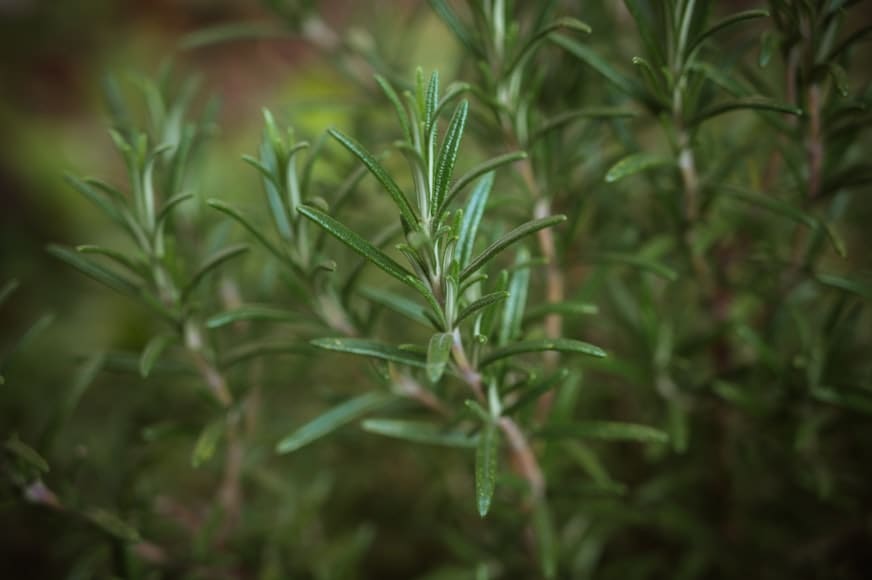
Rosemary (Rosmarinus officinalis)
Photo: Unsplash
- Circulatory
- 4 conditions
- Licensed photo
Overview
Rosemary (Rosmarinus officinalis) is an aromatic evergreen shrub, commonly growing to about 6½ ft (2 m), with narrow, pinelike leaves and small, pale blue flowers. Known for its distinctive flavor in Mediterranean cuisine, rosemary is also a prized medicinal herb that supports memory, circulation, and digestion. Its mildly bitter, warming quality has a long history of invigorating and uplifting properties.
Traditional uses & properties
Cardiovascular Tonic & Circulatory Stimulant: Encourages healthy blood flow, and may help raise low blood pressure. Cerebral Tonic & Antidepressant: Supports memory, mental clarity, and mild mood elevation; historically linked to better recall. Antioxidant & Anti-Inflammatory: Diterpenes help protect cells and reduce inflammation. Digestive Aid & Carminative: Eases mild stomach upset, gas, bloating, and reduces sluggish digestion.
Traditional preparations
Traditional texts describe the preparations below, and where those texts give specific amounts, the amounts are quoted here as part of that record. This is a record of historical practice, not a dosage recommendation - the figures are what the sources say, not what HerbMate tells you to take. Amounts, potency, and safe use vary enormously by preparation, plant part, and person.
500-1,500 mg up to 3 times daily
Fresh leaves (1:6, 80% glycerin sealed simmer method); dried leaves (1:6); 1-5 ml (0.2-1 tsp.) 1-3 times daily
Prepare a salve from oil (1:4) and apply as needed. The essential oil can be applied neat, or added to salves, oils, and ointments.
Dried leaves (1:5, 65% alcohol, 10% glycerin); 10 drops to 3 ml (0.6 tsp.) up to 3 times daily
1 cup up to 3 times daily
Safety & precautions
Essential Oil (Internal Use): Avoid ingestion unless supervised by a qualified practitioner. General Safety: Generally safe as a culinary herb, but high doses (e.g., concentrated extracts) may raise blood pressure and irritate sensitive systems.
Drug & food interactions
Interaction data is not available for this herb - talk to a pharmacist before combining it with any medication. A blank entry here means we have not documented interactions, not that none exist.
Habitat
Native to the Mediterranean, rosemary is cultivated in sunny, moderately dry climates worldwide. Propagation is by seed or cuttings in spring. The leafy branches are harvested in summer, after flowering, then dried or distilled for essential oil.
Traditionally used for
- Low Blood Pressure4 herbs · 2 free
- Varicose Veins4 herbs · 2 free
- Memory Support6 herbs · 2 free
- Stenosis3 herbs · 2 free
Each condition shows its first 2 remedies free. Premium opens the full remedy list for every condition - or come back for the free Condition of the Day.
Frequently asked questions
What is Rosemary (Rosmarinus officinalis) traditionally used for?
Traditional sources describe Rosemary (Rosmarinus officinalis) as follows: Cardiovascular Tonic & Circulatory Stimulant: Encourages healthy blood flow, and may help raise low blood pressure. Cerebral Tonic & Antidepressant: Supports memory, mental clarity, and mild mood elevation; historically linked to better recall. Antioxidant & Anti-Inflammatory: Diterpenes help protect cells and reduce inflammation. Digestive Aid & Carminative: Eases mild stomach upset, gas, bloating, and reduces sluggish digestion.
How is Rosemary (Rosmarinus officinalis) prepared?
Traditional texts describe the preparations below, and where those texts give specific amounts, the amounts are quoted here as part of that record. This is a record of historical practice, not a dosage recommendation - the figures are what the sources say, not what HerbMate tells you to take. Amounts, potency, and safe use vary enormously by preparation, plant part, and person. CAPSULE: 500-1,500 mg up to 3 times daily GLYCERITE: Fresh leaves (1:6, 80% glycerin sealed simmer method); dried leaves (1:6); 1-5 ml (0.2-1 tsp.) 1-3 times daily TOPICAL USE: Prepare a salve from oil (1:4) and apply as needed. The essential oil can be applied neat, or added to salves, oils, and ointments. TINCTURE: Dried leaves (1:5, 65% alcohol, 10% glycerin); 10 drops to 3 ml (0.6 tsp.) up to 3 times daily WEAK INFUSION: 1 cup up to 3 times daily
What safety cautions apply to Rosemary (Rosmarinus officinalis)?
Essential Oil (Internal Use): Avoid ingestion unless supervised by a qualified practitioner. General Safety: Generally safe as a culinary herb, but high doses (e.g., concentrated extracts) may raise blood pressure and irritate sensitive systems.
Related herbs
 Ginkgo (Ginkgo biloba)
Ginkgo (Ginkgo biloba) is a distinctive, long-lived deciduous tree that can grow up to about 100 ft (30 m). It has fan-shaped leaves with radiating veins, often turning bright yellow in autumn. Ginkgo is widely revered for its benefits to circulation, especially in the brain, where it can help improve memory, concentration, and support cognitive function.
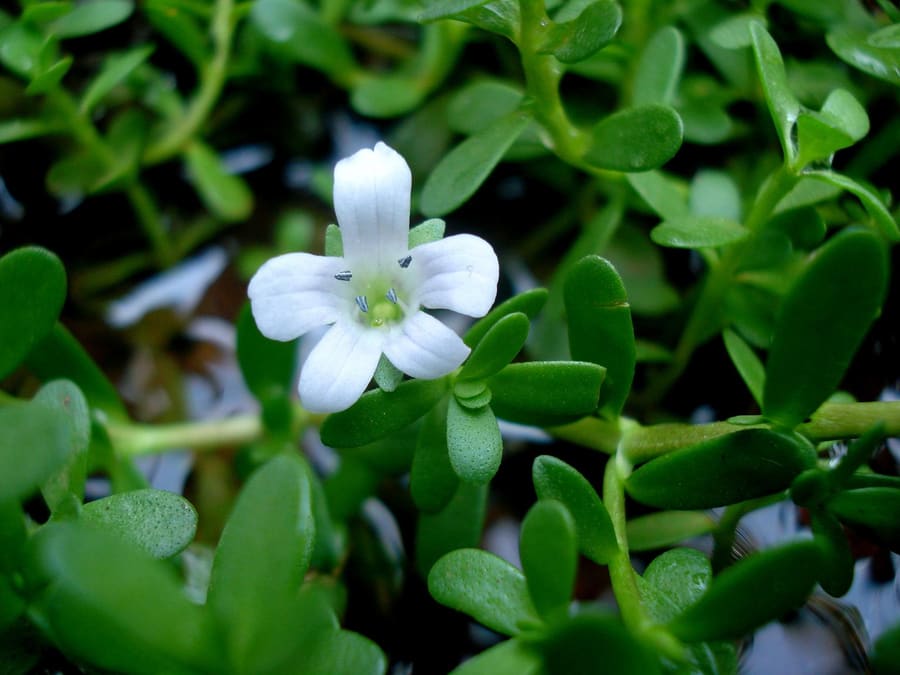 Bacopa (Bacopa monnieri)
Bacopa, also known as Water Hyssop or Brahmi, is a creeping succulent perennial that can grow to about 20 inches. It features spatula-shaped fleshy leaves and pale blue or white flowers on slender stalks. Thriving in marshlands and along the edges of mangrove swamps in warmer temperate and tropical climates - especially southern Asia - it develops into dense mats on mudflats. This herb has been a cornerstone of Ayurvedic medicine for supporting cognitive function and treating various nervous system disorders, and it is increasingly recognized in Western herbalism for its brain-enhancing properties.
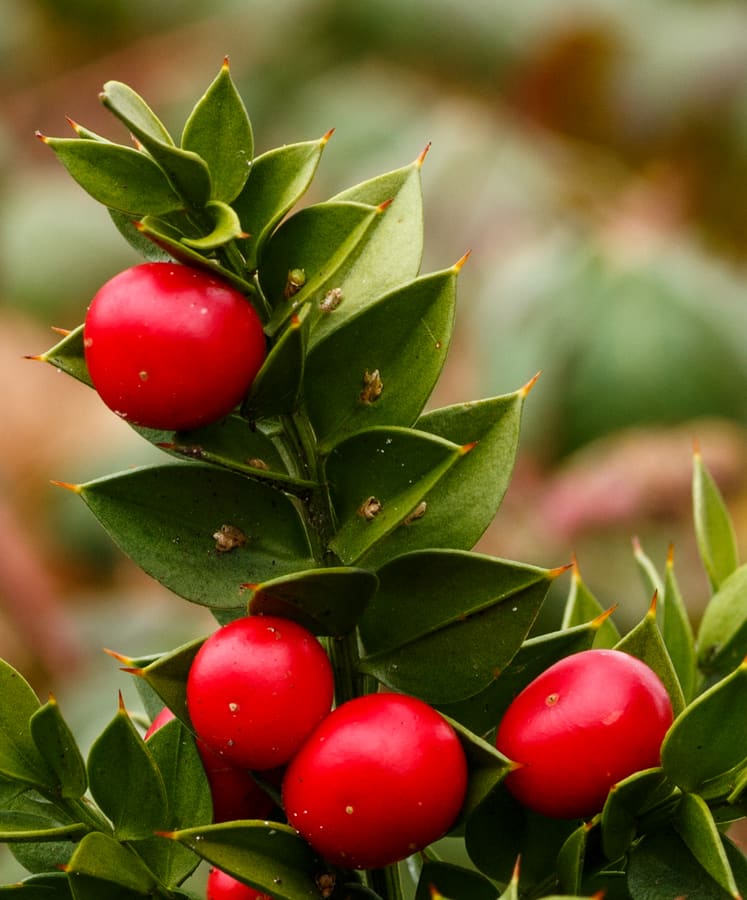 Butcher's Broom (ruscus aculeatus)
Butcher’s broom is a bushy, evergreen perennial that can reach about 3 ft (1 m) in height. It has stiff, leaf-like branches ending in a sharp spine, with small greenish-white flowers and shiny red berries in autumn. Traditionally noted for its tonic effect on the vascular system, butcher’s broom helps prevent blood clots and supports the tone of arteries and veins. It is often recommended for varicose veins, hemorrhoids, phlebitis, and bruises.
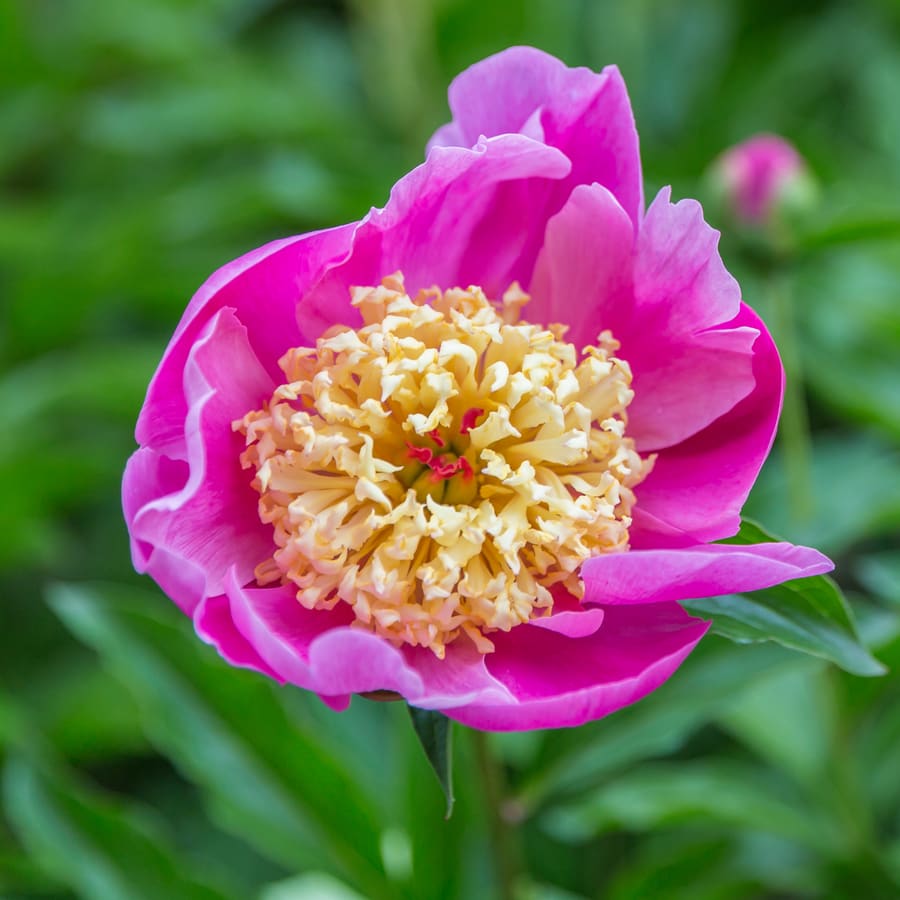 Chinese Peony / White Peony (Paeonia lactiflora)
White peony is an upright perennial growing to 6.5 feet with large white flowers and divided, dark green leaves. Its history of medicinal use in China stretches back at least 1,500 years, most notably as one of the herbs in 'Four Things Soup,' a renowned female tonic. Traditionally, it is believed that women who take the herb regularly become as radiant as the flower itself. The plant is cultivated throughout northeastern China and Inner Mongolia, propagated from seed in spring or from root cuttings in winter. The root of 4- or 5-year-old plants is harvested in spring or autumn and valued as a hormonal tonic.
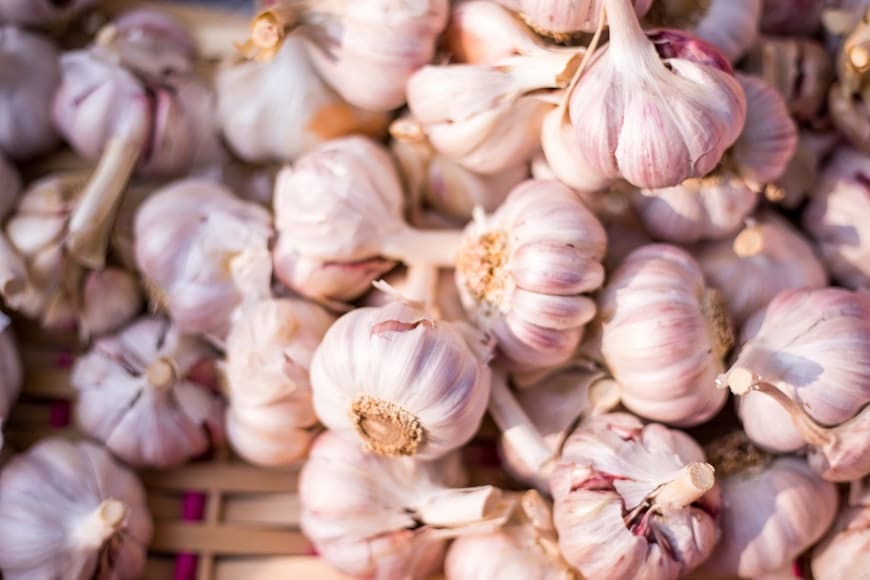 Garlic (Allium sativum)
Garlic (Allium sativum) is a bulbous perennial in the onion family, recognized for its sharp flavor and characteristic odor. Highly valued for both culinary and medicinal purposes, crushed fresh garlic contains allicin, which has potent antibiotic, antifungal, and antiviral properties. Regular garlic intake supports immunity, respiratory health, and circulatory function.
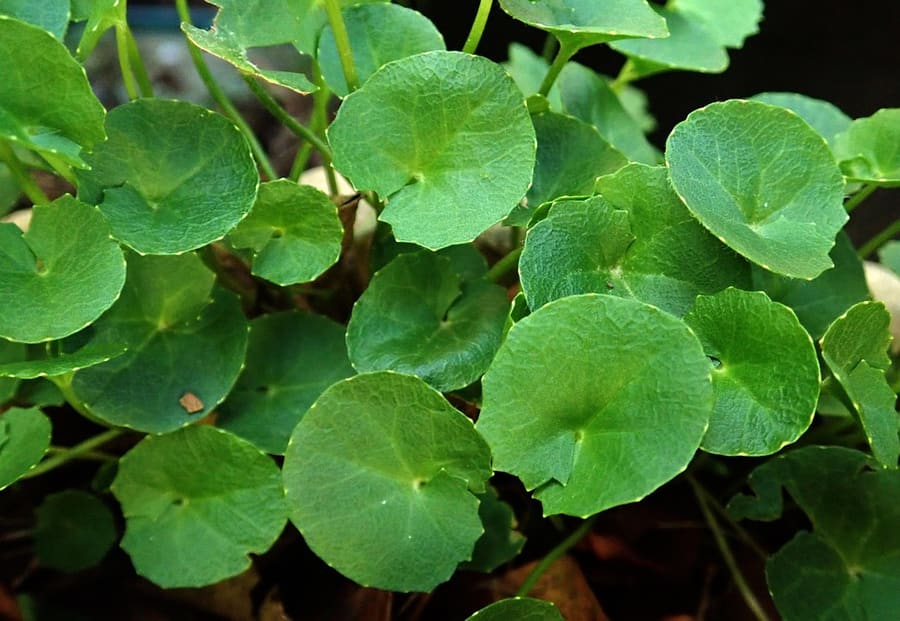 Gotu Kola (Centella asiatica)
Gotu kola (Centella asiatica), also known as Hydrocotyle asiatica, is a creeping perennial reaching up to about 20 in (50 cm). It sports fan-shaped leaves, often used in salads across parts of India. Traditionally prized for promoting wound healing and improving nervous system function, it is considered both a cleansing herb for the skin and a reviving tonic for cognitive and nervous issues.
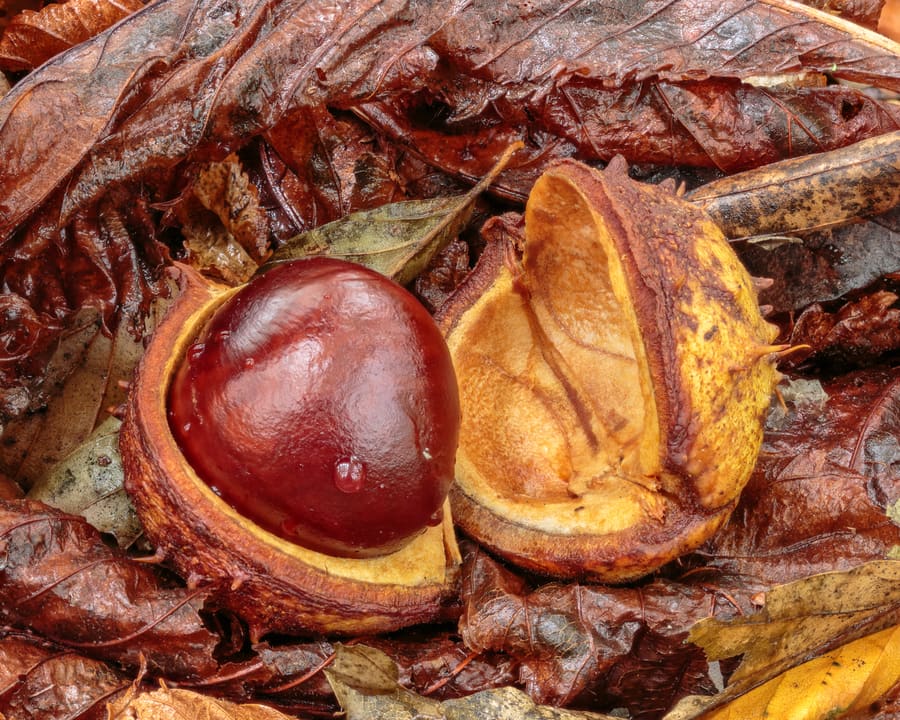 Horse Chestnut (Aesculus hippocastanum)
Horse chestnut (Aesculus hippocastanum) is a large, stately deciduous tree growing up to about 80 ft (25 m), known for its palmate leaves and prickly green seed pods that contain shiny brown seeds (“conkers”). The seeds, bark, and leaves contain compounds that strengthen veins and reduce fluid retention, making horse chestnut a leading remedy for varicose veins and poor venous circulation.
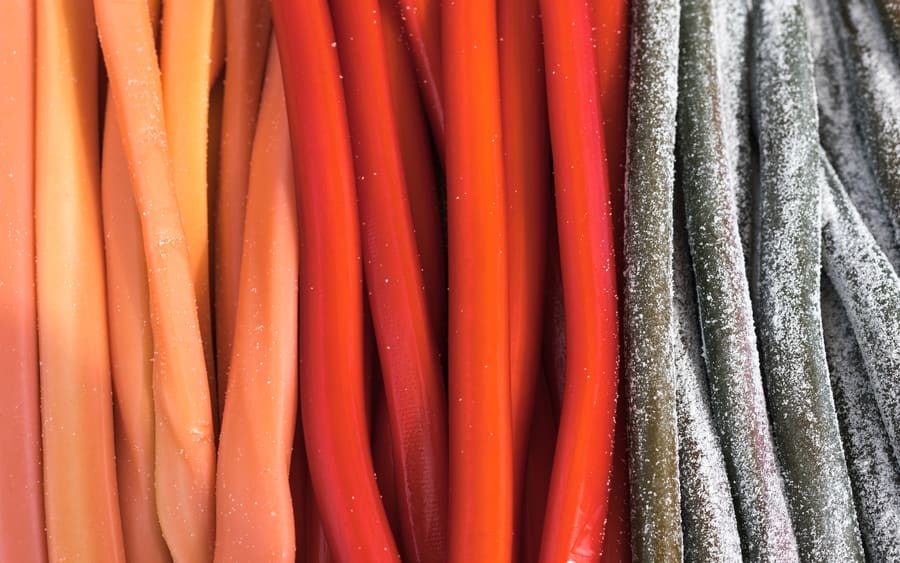 Licorice
Licorice (Glycyrrhiza glabra) is a tall, woody-stemmed perennial reaching about 6½ ft (2 m), with dark green leaves and cream-to-mauve pea-like flowers. Its root, sweetened by glycyrrhizic acid (up to 50 times sweeter than sugar), has a powerful anti-inflammatory action, offering relief in respiratory, digestive, and even arthritic conditions. Licorice is widely used in Chinese, European, and Western herbal medicine.