
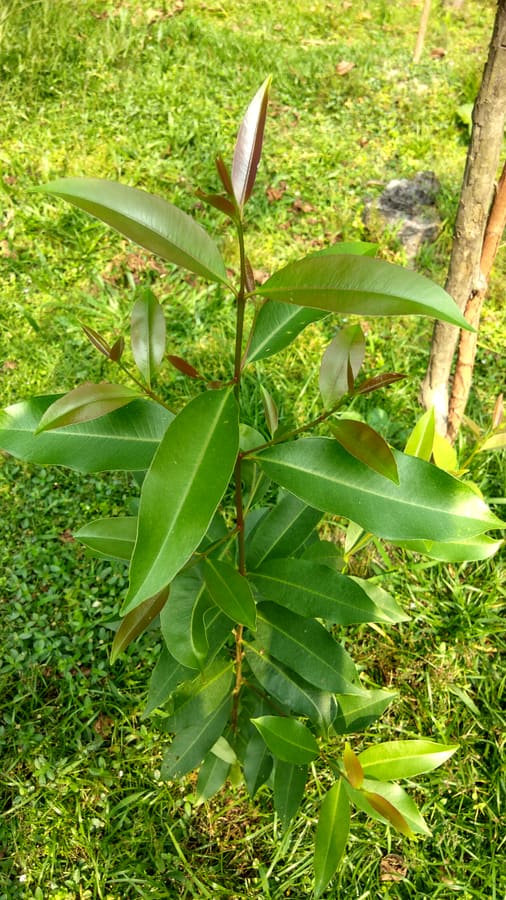
Jambul (Syzygium cumini)
Photo: কামরুল ইসলাম শাহীন · CC BY-SA 4.0
- General
- 1 condition
- Licensed photo
Overview
Jambul (Syzygium cumini) is an evergreen tree reaching about 33 ft (10 m), with lance-shaped leaves, greenish-yellow flowers, and edible, dark-colored fruit. In India’s Ayurvedic tradition, the seeds are lauded for their antidiabetic action, while the fruit supports digestion and kidney health.
Traditional uses & properties
Antidiabetic & Astringent: Powdered seeds help manage type 2 diabetes by slowing glucose production and possibly lowering blood sugar levels up to 30%. Digestive & Antidiarrheal: Both fruit and seed support healthy digestion, addressing diarrhea, dysentery, and mouth ulcers. Cooling & Bile Support: May aid gallbladder function, help with bile insufficiency, and reduce thirst in diabetic conditions.
Traditional preparations
Traditional texts describe the preparations below, and where those texts give specific amounts, the amounts are quoted here as part of that record. This is a record of historical practice, not a dosage recommendation - the figures are what the sources say, not what HerbMate tells you to take. Amounts, potency, and safe use vary enormously by preparation, plant part, and person.
3,000-10,000 mg (3-10 grams) daily
Dried leaf (1:5, 60% alcohol); 1-4 ml (0.2-0.8 tsp.) 3 times daily
Safety & precautions
None Known: Generally regarded as safe in normal doses. General: As with any herb, discontinue if adverse reactions occur.
Drug & food interactions
Interaction data is not available for this herb - talk to a pharmacist before combining it with any medication. A blank entry here means we have not documented interactions, not that none exist.
Habitat
Native to southern Asia and Australia, jambul also appears in parts of tropical Africa. The tree needs well-drained soil and abundant sunlight. It is cultivated commercially for its fruit, propagated from seed or semiripe cuttings. The fruits are collected when ripe, and seeds are saved for medicinal use.
Traditionally used for
Each condition shows its first 2 remedies free. Premium opens the full remedy list for every condition - or come back for the free Condition of the Day.
Frequently asked questions
What is Jambul (Syzygium cumini) traditionally used for?
Traditional sources describe Jambul (Syzygium cumini) as follows: Antidiabetic & Astringent: Powdered seeds help manage type 2 diabetes by slowing glucose production and possibly lowering blood sugar levels up to 30%. Digestive & Antidiarrheal: Both fruit and seed support healthy digestion, addressing diarrhea, dysentery, and mouth ulcers. Cooling & Bile Support: May aid gallbladder function, help with bile insufficiency, and reduce thirst in diabetic conditions.
How is Jambul (Syzygium cumini) prepared?
Traditional texts describe the preparations below, and where those texts give specific amounts, the amounts are quoted here as part of that record. This is a record of historical practice, not a dosage recommendation - the figures are what the sources say, not what HerbMate tells you to take. Amounts, potency, and safe use vary enormously by preparation, plant part, and person. CAPSULE OR POWDER: 3,000-10,000 mg (3-10 grams) daily TINCTURE: Dried leaf (1:5, 60% alcohol); 1-4 ml (0.2-0.8 tsp.) 3 times daily
What safety cautions apply to Jambul (Syzygium cumini)?
None Known: Generally regarded as safe in normal doses. General: As with any herb, discontinue if adverse reactions occur.
Related herbs
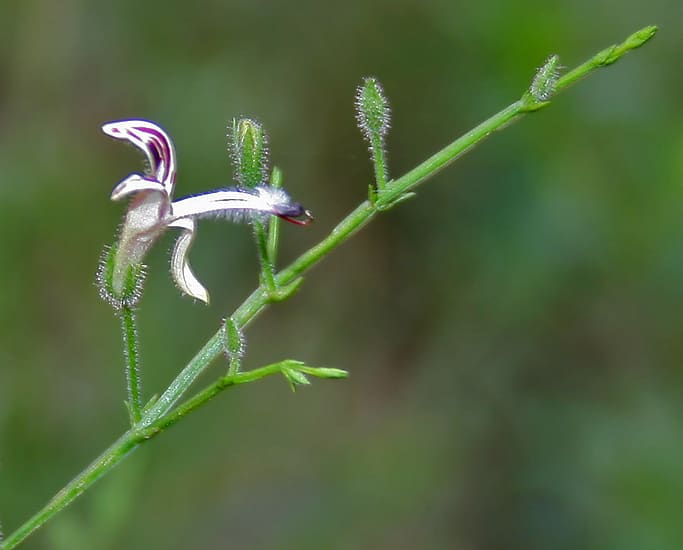 Andrographis (Andrographis paniculata)
Andrographis, commonly known as Green Chiretta or King of Bitters, is an upright annual herb reaching approximately 3 feet in height. Native to India and cultivated throughout northern regions of India and China, this bitter medicinal plant has been valued in Ayurvedic and traditional Chinese medicine for centuries. Historically used primarily for liver support and treating infections - especially malaria - it has earned recognition for its powerful immune-boosting and protective properties. The plant thrives on plains and in forest undergrowth, where its spotted pale brown or purple flowers and long seed capsules distinguish it from other medicinal herbs.
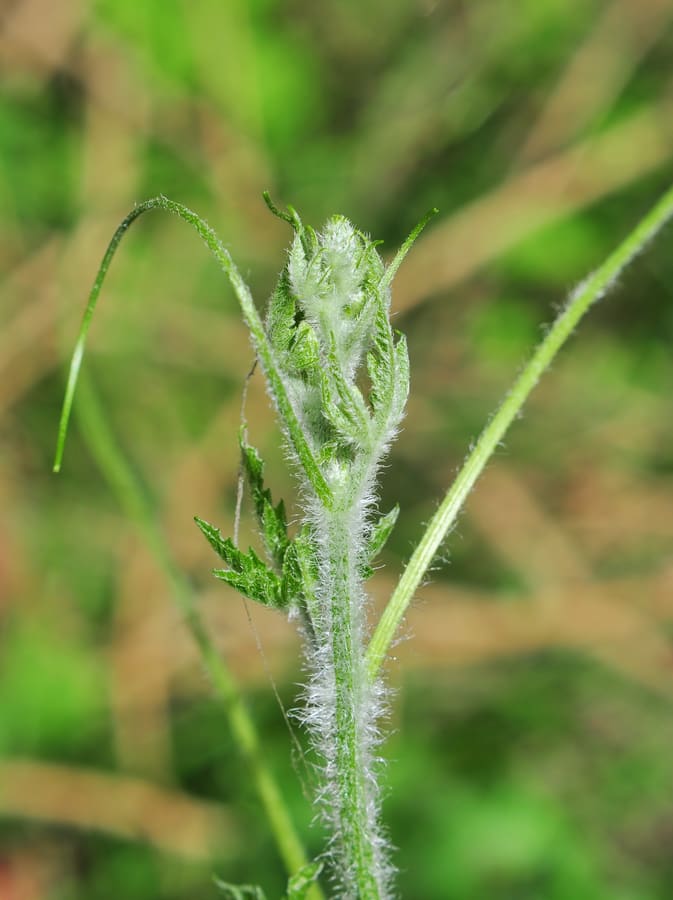 Bitter Melon (Momordica charantia)
Bitter melon is an annual climbing vine reaching about 6.5 feet, characterized by deeply lobed leaves, yellow flowers, and distinctive orange-yellow fruit. Native to southern Asia and now common throughout tropical regions worldwide, it is harvested year-round. The plant's unripe fruit, ripe fruit, leaves, seeds, and seed oil all have medicinal applications, and it has been a traditional remedy for diabetes symptoms in Asia, Africa, and the Caribbean for centuries.
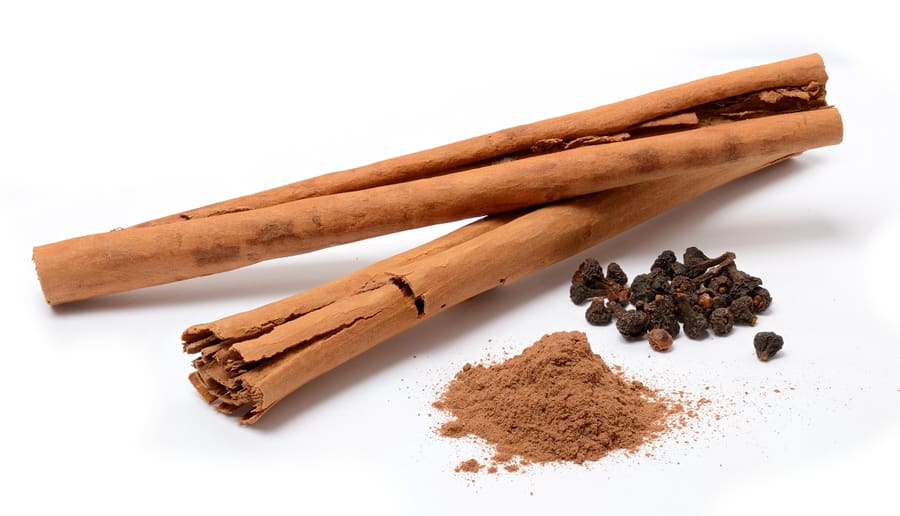 Cinnamon (Cinnamomum verum)
Cinnamon (Cinnamomum verum or C. zeylanicum) is a small evergreen tree, prized for its fragrant, sweet-spicy bark. Used for centuries as a warming stimulant in Ayurveda and traditional Chinese medicine, cinnamon supports digestion, circulation, and blood-sugar balance. Modern research confirms its ability to boost insulin sensitivity and possibly reduce high blood glucose in type 2 diabetes.
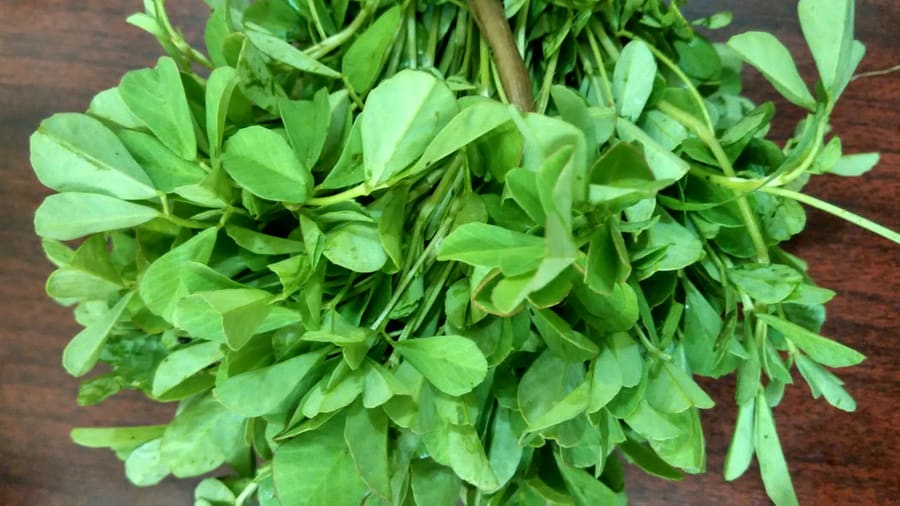 Fenugreek (Trigonella foenum-graecum)
Fenugreek is much used in herbal medicine in North Africa, the Middle East, and India, being esteemed as a remedy for a wide variety of conditions. The nourishing seeds are given during convalescence and to encourage weight gain, especially in anorexia. They are also helpful in lowering fever, with some authorities comparing their ability to that of quinine. The seeds’ soothing effect makes them of value in treating gastritis and gastric ulcers. They are used to induce childbirth and to increase breast-milk production. Fenugreek is also thought to be antidiabetic and to lower blood cholesterol levels. Externally, the seeds may be applied as a paste to treat abscesses, boils, ulcers, and burns, or used as a douche for excessive vaginal discharge.
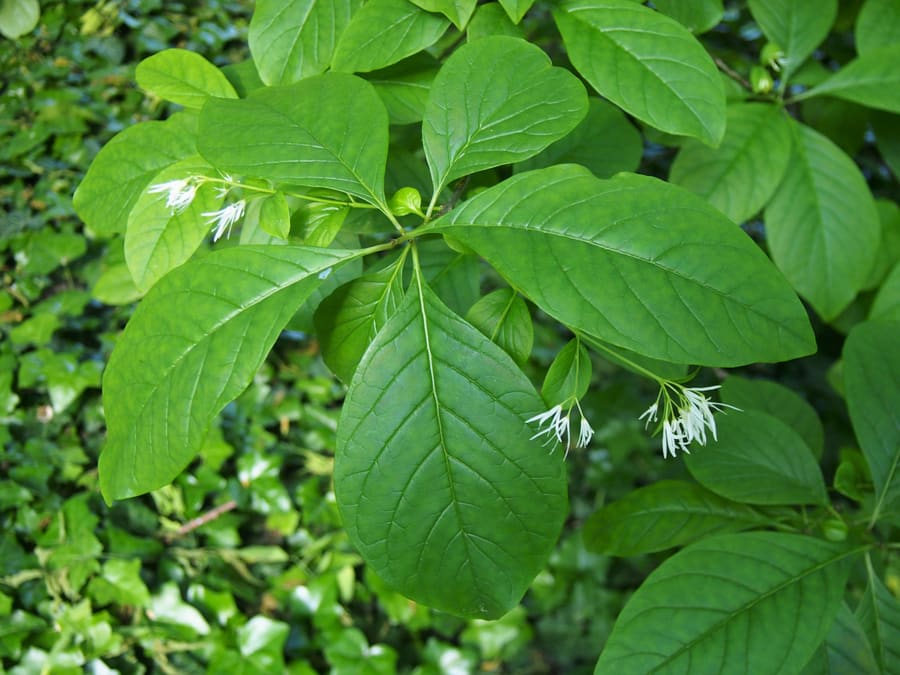 Fringe Tree (Chionanthus virginicus)
Fringe tree is a deciduous shrub or tree growing to 33 feet with elliptical dark green leaves, long flowering stems bearing spikes of white flowers, and dark blue oval fruits. Native to the United States and now also found in eastern Asia, it grows from Pennsylvania south to Florida and Texas and thrives on riverbanks and in damp shrubby areas. The root is unearthed in spring or autumn, mostly in Virginia and North Carolina. Native Americans and European settlers commonly used fringe tree to treat inflammations of the eye, canker sores, and spongy gums. The Choctaw of Louisiana applied the mashed bark to cuts and bruises, and Native Americans in Alabama used the bark for toothache. In the 19th-century Anglo-American Physiomedicalist tradition, it was valued as a bitter tonic and was often used to aid recovery from long-term illness.
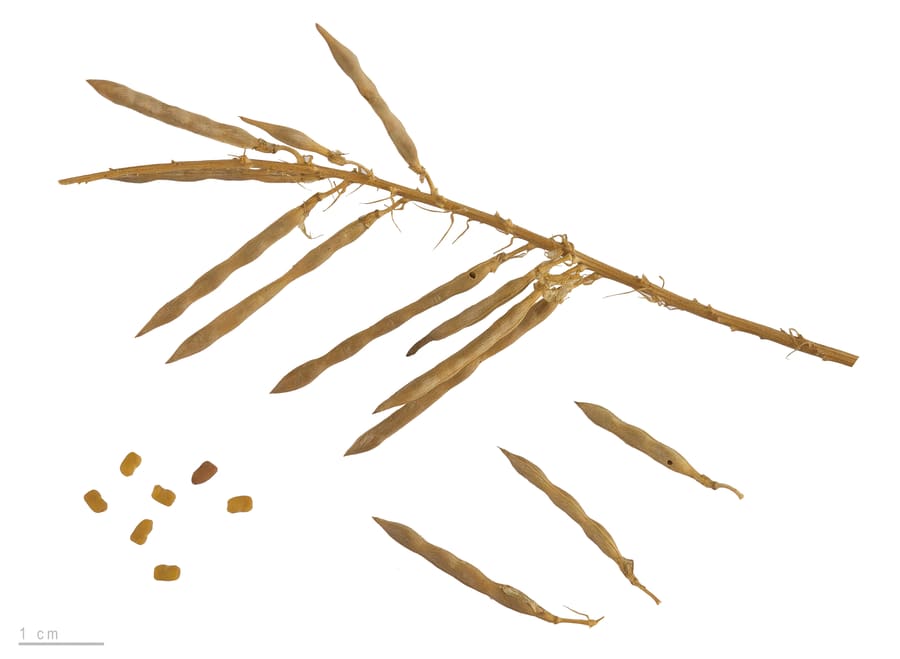 Goat's Rue (Galega officinalis)
Goat's rue is a bushy perennial herb growing to approximately 3 feet in height, with compound leaves bearing lance-shaped leaflets, delicate pink pea-type flowers arranged on terminal spikes, and red-brown seed pods that form in autumn. Native to Asia and continental Europe and naturalized in Britain, it grows in damp and low-lying areas and is harvested in summer. Formerly used as a treatment for the plague, goat's rue has been widely cultivated as cattle feed. Its common name hints at its long association with livestock, while its medicinal use dates back centuries.
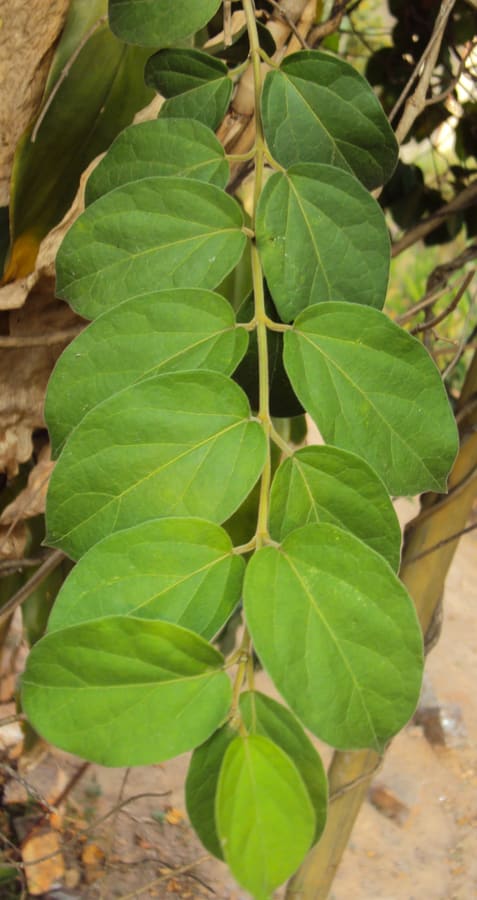 Gymnema (Gymnema sylvestre)
Gymnema (Gymnema sylvestre) is a large evergreen climber with small yellow flowers, native to the forests of southern and central India, extending into Southeast Asia and northern Australia. Historically used for managing type 2 diabetes, it is noted for its ability to blunt the tongue’s sweet receptors.
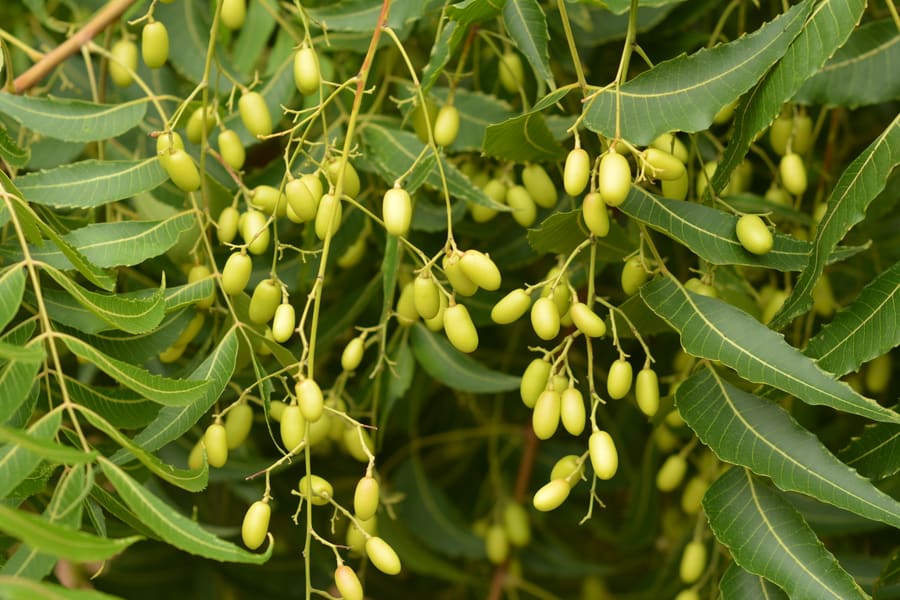 Neem (Azadirachta indica)
Neem (Azadirachta indica) is a large evergreen tree with compound leaves and white flowers, considered in India as a “village pharmacy” for its broad-spectrum antimicrobial, antifungal, and anti-inflammatory effects. Both leaves and seeds are used to treat infections, skin conditions, and other ailments.