
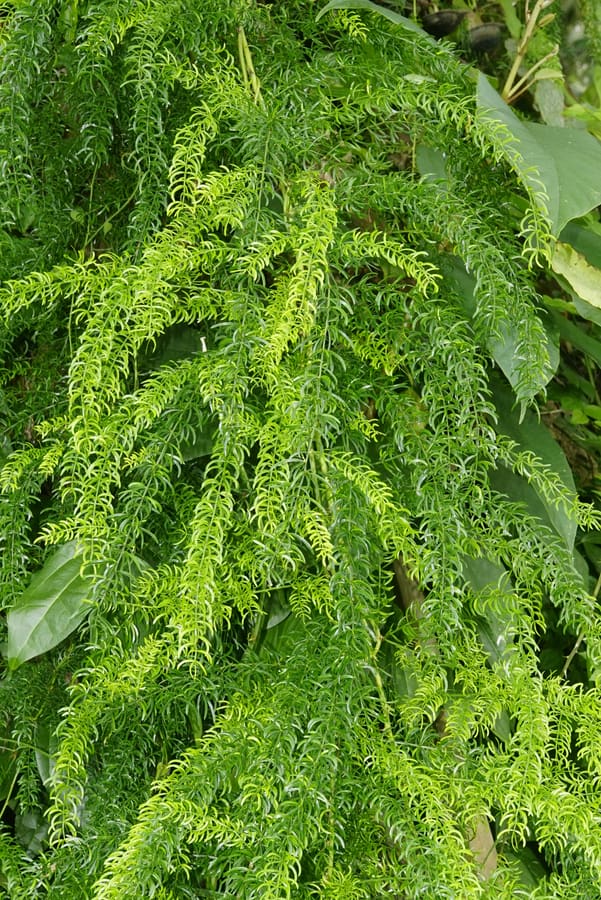
Shatavari (Asparagus racemosus)
Photo: Vengolis · CC BY-SA 4.0
- Female Reproductive
- 6 conditions
- Licensed photo
Overview
Shatavari is a slender perennial fern that can grow up to 23 feet in height, featuring fronds of needle-like leaves, tiny white flowers, and purple-black berries. Known as the 'Queen of herbs' in Ayurvedic medicine, its name literally means '100 spouses,' reflecting its reputation as a sexual tonic and fertility promoter. The root is the medicinal part used. Native to the Himalayas and Indian subcontinent, it grows wild in gravelly soils up to 3,900 feet above sea level and is also found in western China.
Traditional uses & properties
Shatavari is primarily a women's reproductive tonic that aids fertility, promotes conception, and supports general reproductive and sexual health. It helps ease menopausal symptoms including hot flashes and poor stamina. The herb appears to improve fertility in both men and women and may be used to treat impotence. As a strengthening adaptogenic herb, it supports immune function and has applications in immunosuppressed conditions. It acts as a restorative for those suffering from nervous exhaustion and demonstrates diuretic properties. The root contains steroidal saponins, alkaloids, and mucilage. Some research suggests it may have antidiabetic effects by lowering blood glucose and stimulating insulin secretion. It may also affect gastric emptying rate, potentially altering the absorption of concurrently taken drugs.
Traditional preparations
Traditional texts describe the preparations below, and where those texts give specific amounts, the amounts are quoted here as part of that record. This is a record of historical practice, not a dosage recommendation - the figures are what the sources say, not what HerbMate tells you to take. Amounts, potency, and safe use vary enormously by preparation, plant part, and person.
Standard decoction: 2-4 ounces 3 times daily. Capsules: 1,000-2,000 mg, 3 times daily.
Safety & precautions
Should be avoided by pregnant women. May have additive effects with conventional antidiabetic drugs, so monitor blood sugar if taking diabetes medications. May alter drug absorption by affecting gastric emptying. Contains phytoestrogens, so use caution when combining with conventional estrogenic drugs or estrogen antagonists like tamoxifen, as effects may be antagonistic or synergistic. Consult healthcare provider before combining with medications.
Drug & food interactions
Interaction data is not available for this herb - talk to a pharmacist before combining it with any medication. A blank entry here means we have not documented interactions, not that none exist.
Habitat
Native to the Himalayas and Indian subcontinent, growing wild in gravelly soils up to 3,900 feet above sea level. Also found in western China.
Traditionally used for
- Low Sex Drive4 herbs · 2 free
- Menopause5 herbs · 2 free
- Diabetes11 herbs · 2 free
- Erectile Disfunction6 herbs · 2 free
- Stress13 herbs · 2 free
- Asthma14 herbs · 2 free
Each condition shows its first 2 remedies free. Premium opens the full remedy list for every condition - or come back for the free Condition of the Day.
Frequently asked questions
What is Shatavari (Asparagus racemosus) traditionally used for?
Traditional sources describe Shatavari (Asparagus racemosus) as follows: Shatavari is primarily a women's reproductive tonic that aids fertility, promotes conception, and supports general reproductive and sexual health. It helps ease menopausal symptoms including hot flashes and poor stamina. The herb appears to improve fertility in both men and women and may be used to treat impotence. As a strengthening adaptogenic herb, it supports immune function and has applications in immunosuppressed conditions. It acts as a restorative for those suffering from nervous exhaustion and demonstrates diuretic properties. The root contains steroidal saponins, alkaloids, and mucilage. Some research suggests it may have antidiabetic effects by lowering blood glucose and stimulating insulin secretion. It may also affect gastric emptying rate, potentially altering the absorption of concurrently taken drugs.
How is Shatavari (Asparagus racemosus) prepared?
Traditional texts describe the preparations below, and where those texts give specific amounts, the amounts are quoted here as part of that record. This is a record of historical practice, not a dosage recommendation - the figures are what the sources say, not what HerbMate tells you to take. Amounts, potency, and safe use vary enormously by preparation, plant part, and person. Standard decoction: 2-4 ounces 3 times daily. Capsules: 1,000-2,000 mg, 3 times daily.
What safety cautions apply to Shatavari (Asparagus racemosus)?
Should be avoided by pregnant women. May have additive effects with conventional antidiabetic drugs, so monitor blood sugar if taking diabetes medications. May alter drug absorption by affecting gastric emptying. Contains phytoestrogens, so use caution when combining with conventional estrogenic drugs or estrogen antagonists like tamoxifen, as effects may be antagonistic or synergistic. Consult healthcare provider before combining with medications.
Related herbs
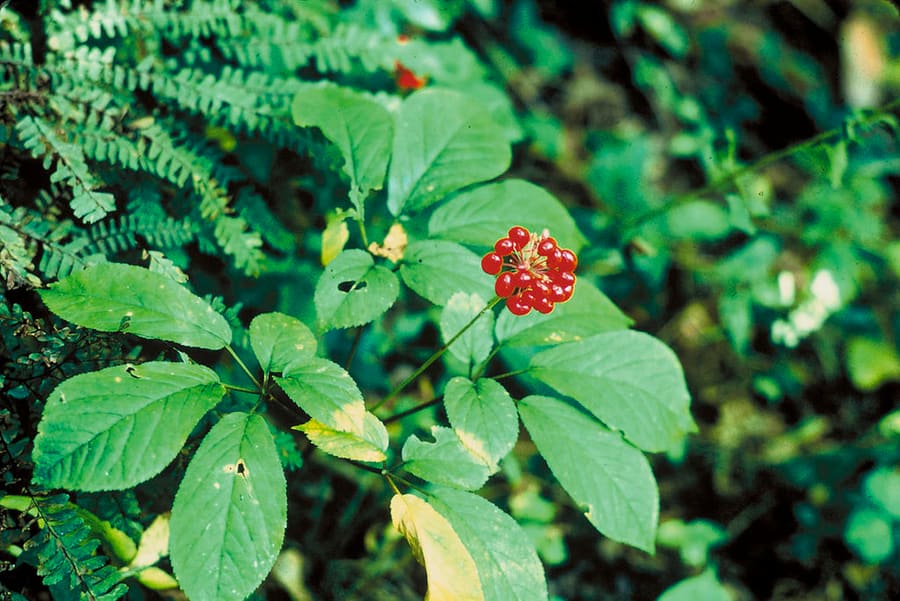 Ginseng (Panax ginseng)
Asian or Korean ginseng (Panax ginseng) is a perennial reaching about 3 ft (1 m) in height, with toothed oval leaves and a cluster of small green-yellow flowers. Its root is legendary for its adaptogenic qualities, boosting energy and physical stamina, slowing aspects of aging, and fortifying the body against stress. Ginseng is considered more warming (especially red ginseng, which is steamed before drying) and thus suited for older, easily fatigued individuals who feel cold.
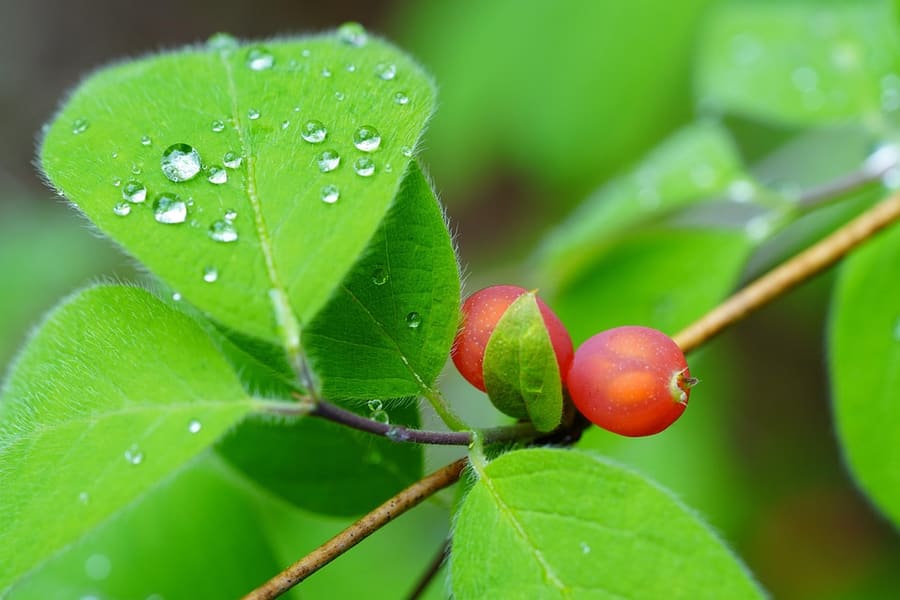 Schisandra (Schisandra chinensis)
Schisandra (Schisandra chinensis), also known as wu wei zi (“5-flavored herb”), is a woody vine that can grow up to 26 ft (8 m). It has pink blossoms and clusters of bright red berries containing powerful adaptogenic, antioxidant, and liver-protective constituents.
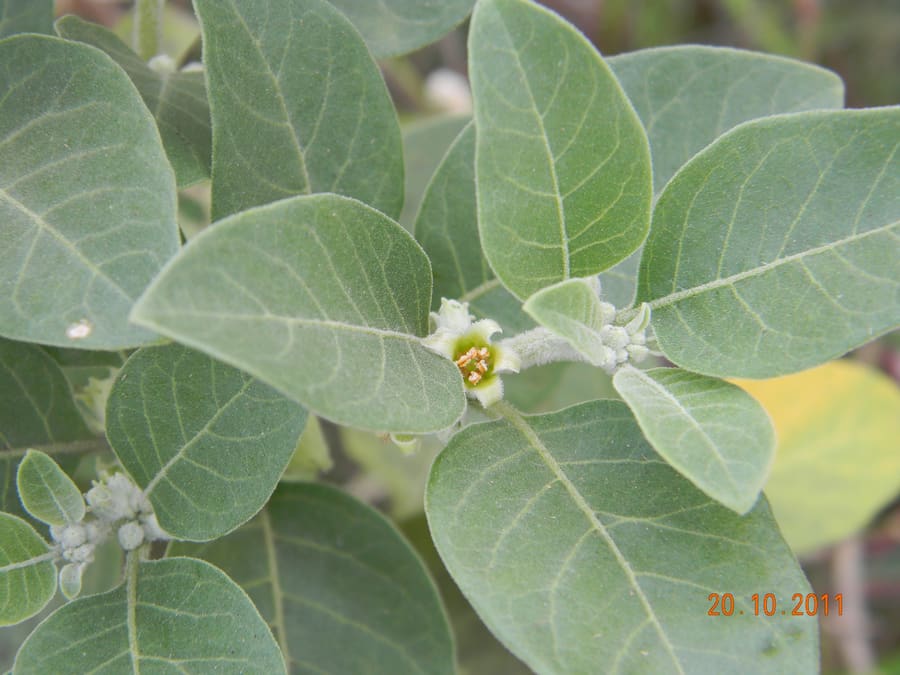 Ashwagandha (Withania somnifera)
Ashwagandha (Withania somnifera), sometimes called “Indian ginseng,” is a sturdy shrub growing to about 5 ft (1.5 m) with oval leaves, greenish or yellow flowers, and small, round fruits. A key herb in Ayurvedic medicine, it is valued for boosting vitality and aiding convalescence from chronic illnesses. It promotes relaxation, increases energy and muscle tone, and can support healthy thyroid hormone conversion from T4 to T3. Traditionally, ashwagandha is considered a “Rasáyana” (rejuvenator), used long-term to rebuild and regenerate body and mind.
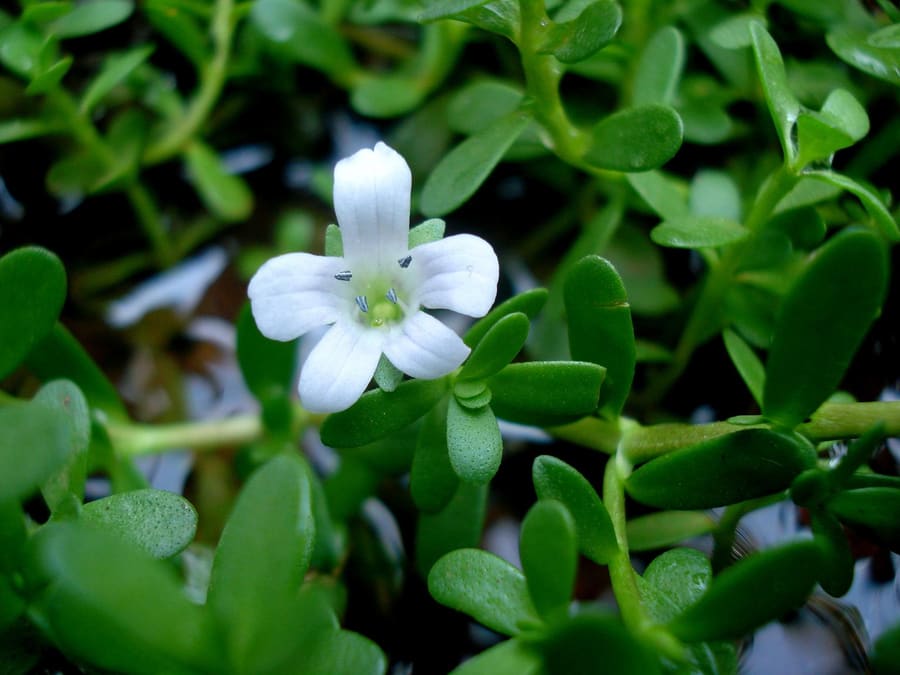 Bacopa (Bacopa monnieri)
Bacopa, also known as Water Hyssop or Brahmi, is a creeping succulent perennial that can grow to about 20 inches. It features spatula-shaped fleshy leaves and pale blue or white flowers on slender stalks. Thriving in marshlands and along the edges of mangrove swamps in warmer temperate and tropical climates - especially southern Asia - it develops into dense mats on mudflats. This herb has been a cornerstone of Ayurvedic medicine for supporting cognitive function and treating various nervous system disorders, and it is increasingly recognized in Western herbalism for its brain-enhancing properties.
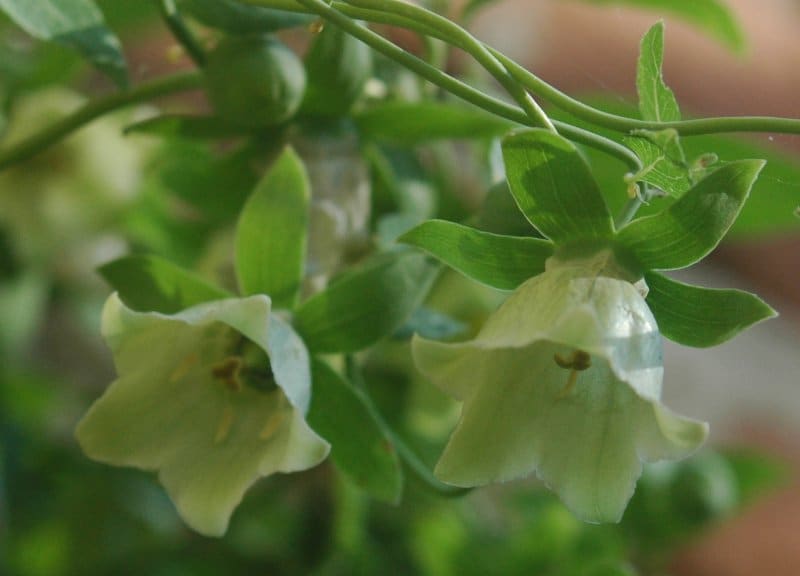 Codonopsis (Codonopsis pilosula)
Codonopsis is a small twining perennial growing to 5 feet with oval leaves and pendulous green and purple bell-shaped flowers marked with purple in summer. Native to northeastern China and growing throughout the region - especially in the Shanxi and Szechuan provinces - it is propagated from seed in spring or autumn, and the root is harvested in autumn once the aerial parts have died down. In Chinese herbal medicine, codonopsis holds a central place as a gentle tonic that increases energy levels, improves physical and mental well-being, and helps the body adapt to stress.
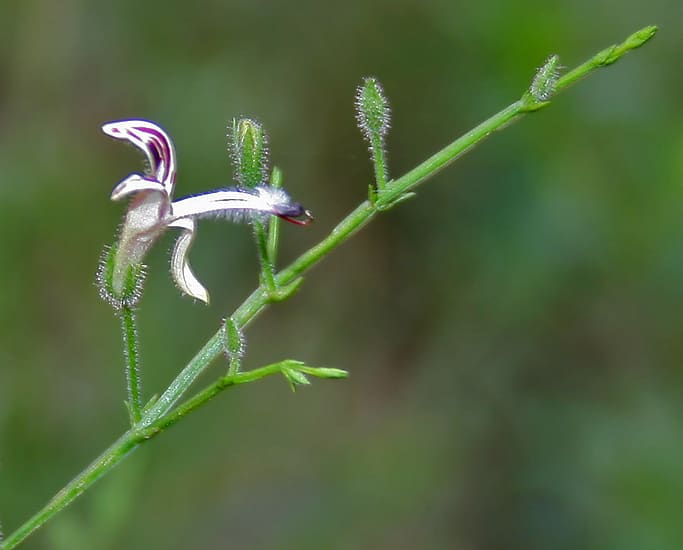 Andrographis (Andrographis paniculata)
Andrographis, commonly known as Green Chiretta or King of Bitters, is an upright annual herb reaching approximately 3 feet in height. Native to India and cultivated throughout northern regions of India and China, this bitter medicinal plant has been valued in Ayurvedic and traditional Chinese medicine for centuries. Historically used primarily for liver support and treating infections - especially malaria - it has earned recognition for its powerful immune-boosting and protective properties. The plant thrives on plains and in forest undergrowth, where its spotted pale brown or purple flowers and long seed capsules distinguish it from other medicinal herbs.
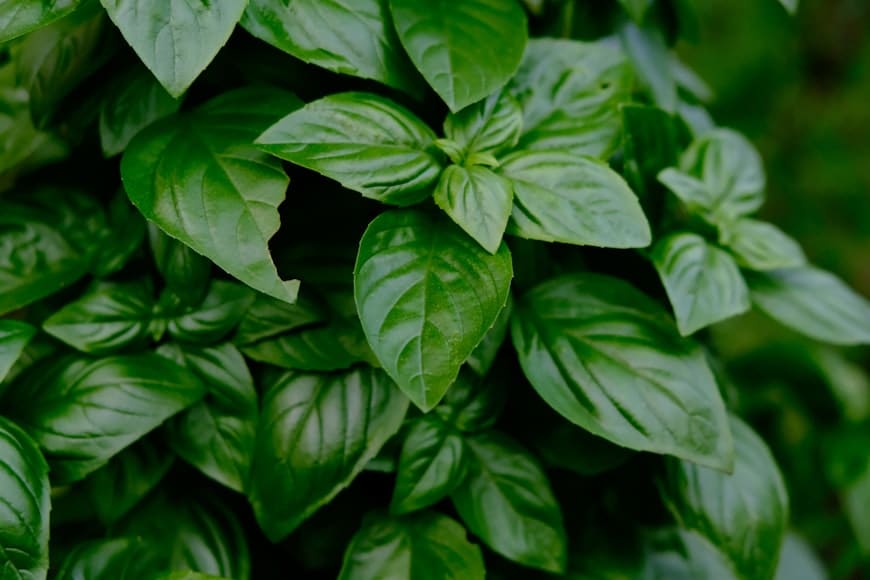 Basil
BasilBasil (Ocimum basilicum) is a bushy annual herb growing up to about 20 in (50 cm), with shiny oval leaves arranged on a square stem and small white flowers in whorls. Known for its strong, sweet aroma, basil is cultivated worldwide in numerous varieties. Traditional sources regard basil as both a culinary and medicinal herb, used to address digestive discomfort and various nervous system issues.
 Bitter Melon (Momordica charantia)
Bitter melon is an annual climbing vine reaching about 6.5 feet, characterized by deeply lobed leaves, yellow flowers, and distinctive orange-yellow fruit. Native to southern Asia and now common throughout tropical regions worldwide, it is harvested year-round. The plant's unripe fruit, ripe fruit, leaves, seeds, and seed oil all have medicinal applications, and it has been a traditional remedy for diabetes symptoms in Asia, Africa, and the Caribbean for centuries.