
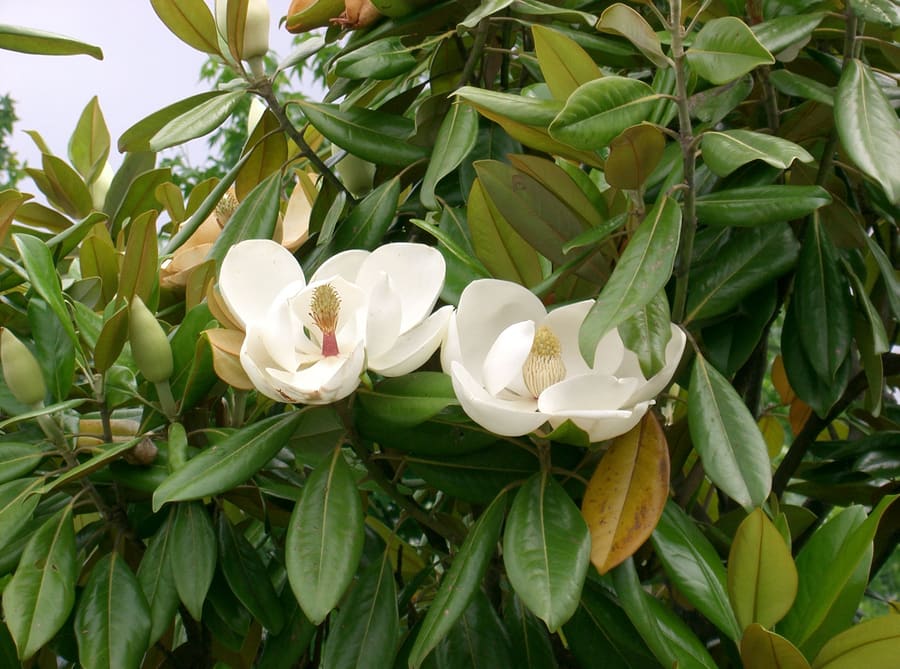
Magnolia (Magnolia officinalis)
Photo: KENPEI · CC BY-SA 3.0
- Mental
- 2 conditions
- Licensed photo
Overview
Magnolia (Magnolia officinalis) is a deciduous tree that can reach about 80 ft (25 m) in height, featuring large, aromatic bark, substantial green leaves, and fragrant creamy-white flowers. The dried bark - rich in lignans such as honokiol and magnolol - has shown anti-anxiety, anti-inflammatory, and antimicrobial properties, making it helpful for digestion, stress, and mental function.
Traditional uses & properties
Aromatic & Digestive Aid: Relieves cramping, indigestion, and flatulence. Antianxiety & Neuroprotective: Supports recovery from chronic stress, low mood, and may aid memory and cognitive function. Antimicrobial & Oral Health: Exhibits antibacterial properties; some research shows effectiveness against mouth bacteria responsible for bad breath. Warming & Pungent: Encourages circulation to the digestive tract, easing nausea and diarrhea.
Safety & precautions
Pregnancy: Not recommended, as magnolia bark can stimulate uterine activity. General Use: Although considered fairly safe, always ensure a reputable source and follow suggested dosages.
Drug & food interactions
Interaction data is not available for this herb - talk to a pharmacist before combining it with any medication. A blank entry here means we have not documented interactions, not that none exist.
Habitat
Native to mountainous regions of China, magnolia is now grown as an ornamental in many parts of the world. The bark is typically harvested in spring by stripping it from the tree.
Traditionally used for
Each condition shows its first 2 remedies free. Premium opens the full remedy list for every condition - or come back for the free Condition of the Day.
Frequently asked questions
What is Magnolia (Magnolia officinalis) traditionally used for?
Traditional sources describe Magnolia (Magnolia officinalis) as follows: Aromatic & Digestive Aid: Relieves cramping, indigestion, and flatulence. Antianxiety & Neuroprotective: Supports recovery from chronic stress, low mood, and may aid memory and cognitive function. Antimicrobial & Oral Health: Exhibits antibacterial properties; some research shows effectiveness against mouth bacteria responsible for bad breath. Warming & Pungent: Encourages circulation to the digestive tract, easing nausea and diarrhea.
What safety cautions apply to Magnolia (Magnolia officinalis)?
Pregnancy: Not recommended, as magnolia bark can stimulate uterine activity. General Use: Although considered fairly safe, always ensure a reputable source and follow suggested dosages.
Related herbs
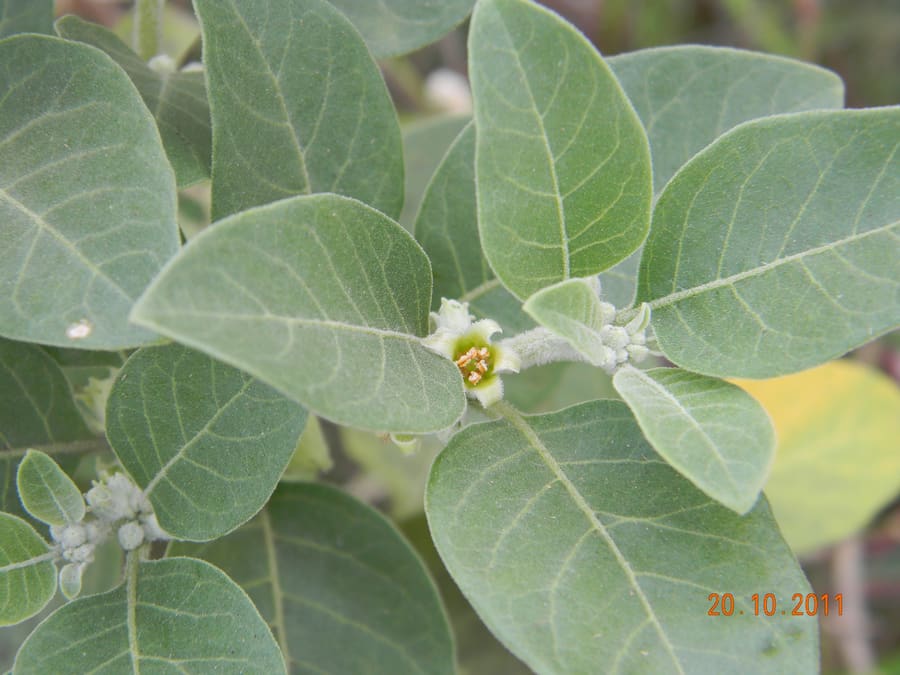 Ashwagandha (Withania somnifera)
Ashwagandha (Withania somnifera), sometimes called “Indian ginseng,” is a sturdy shrub growing to about 5 ft (1.5 m) with oval leaves, greenish or yellow flowers, and small, round fruits. A key herb in Ayurvedic medicine, it is valued for boosting vitality and aiding convalescence from chronic illnesses. It promotes relaxation, increases energy and muscle tone, and can support healthy thyroid hormone conversion from T4 to T3. Traditionally, ashwagandha is considered a “Rasáyana” (rejuvenator), used long-term to rebuild and regenerate body and mind.
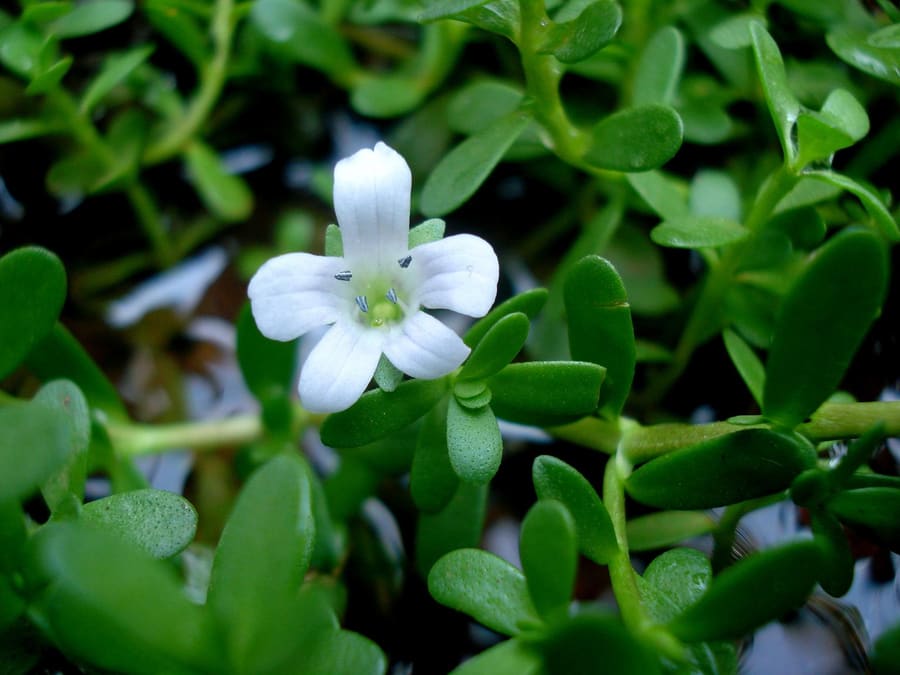 Bacopa (Bacopa monnieri)
Bacopa, also known as Water Hyssop or Brahmi, is a creeping succulent perennial that can grow to about 20 inches. It features spatula-shaped fleshy leaves and pale blue or white flowers on slender stalks. Thriving in marshlands and along the edges of mangrove swamps in warmer temperate and tropical climates - especially southern Asia - it develops into dense mats on mudflats. This herb has been a cornerstone of Ayurvedic medicine for supporting cognitive function and treating various nervous system disorders, and it is increasingly recognized in Western herbalism for its brain-enhancing properties.
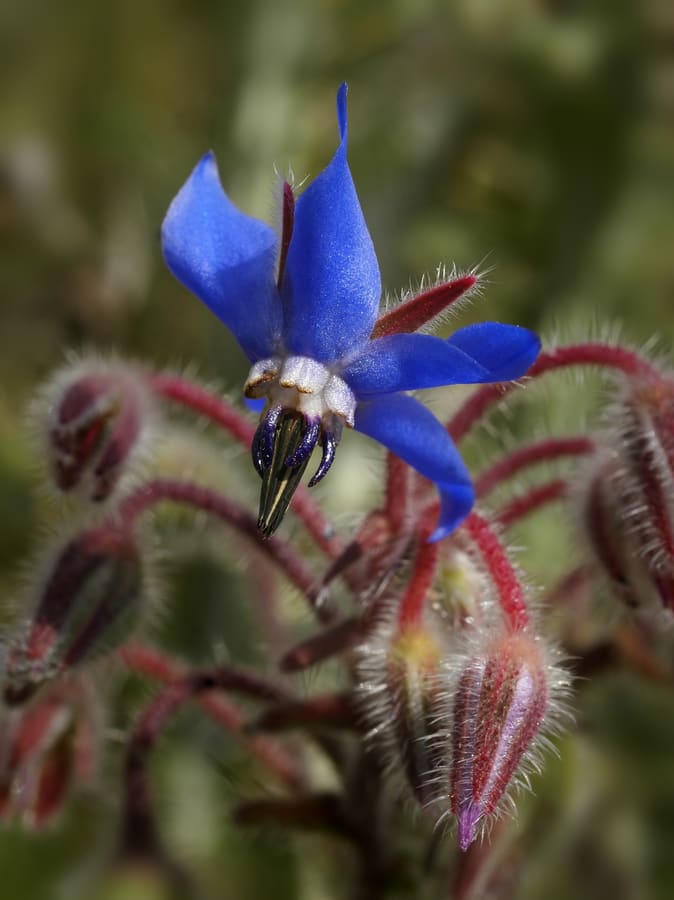 Borage (Borago officinalis)Not for self-dosing
Borage (Borago officinalis) is a coarse, hairy annual that grows to about 2 ft (60 cm), featuring a succulent stem, large basal leaves, and distinctively bright blue star-shaped flowers. The seeds yield an oil exceptionally rich in gamma-linolenic acid (GLA) - a form of polyunsaturated fatty acid beneficial for inflammatory and skin conditions. Traditionally, borage leaves and flowers are associated with uplifting mood and supporting adrenal function.
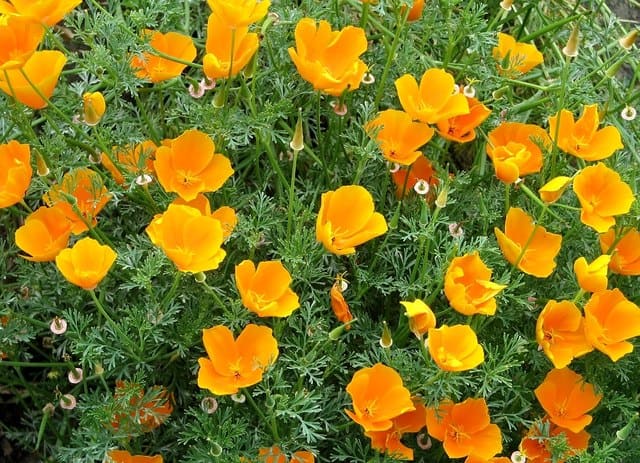 California Poppy (Eschscholzia californica)
California poppy (Eschscholzia californica) is an annual or short-lived perennial with finely divided leaves and vibrant orange, yellow, pink, or red blossoms. A mild sedative and analgesic, it is related to the opium poppy but lacks narcotic effects. Instead, California poppy gently calms the nervous system, helps with insomnia and tension, and soothes pain without depressing central nervous system function.
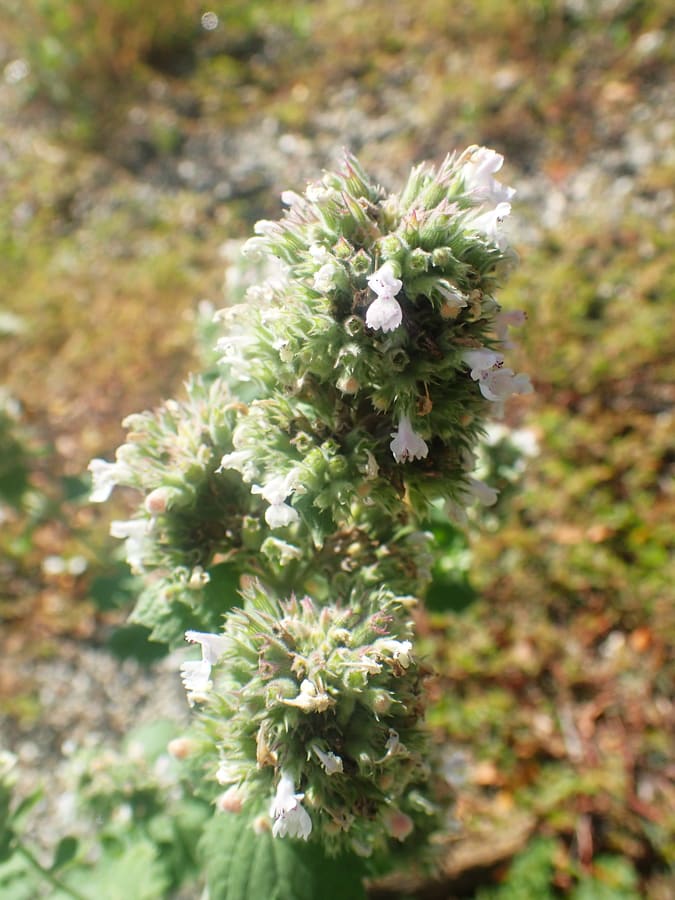 Catnip (Nepeta cataria)
Catnip is a downy, aromatic perennial growing to 3 feet with heart-shaped, gray-green leaves and whorls of white flowers marked with purple spots. Native to Europe and naturalized in North America, it grows in dry wayside places and mountainous regions up to altitudes of 5,000 feet. The plant is gathered when in flower during summer and autumn. Its name comes from the Norse word 'dylla,' meaning 'to soothe,' reflecting its calming properties. Catnip has an excitatory effect on cats but a sedative effect on humans.
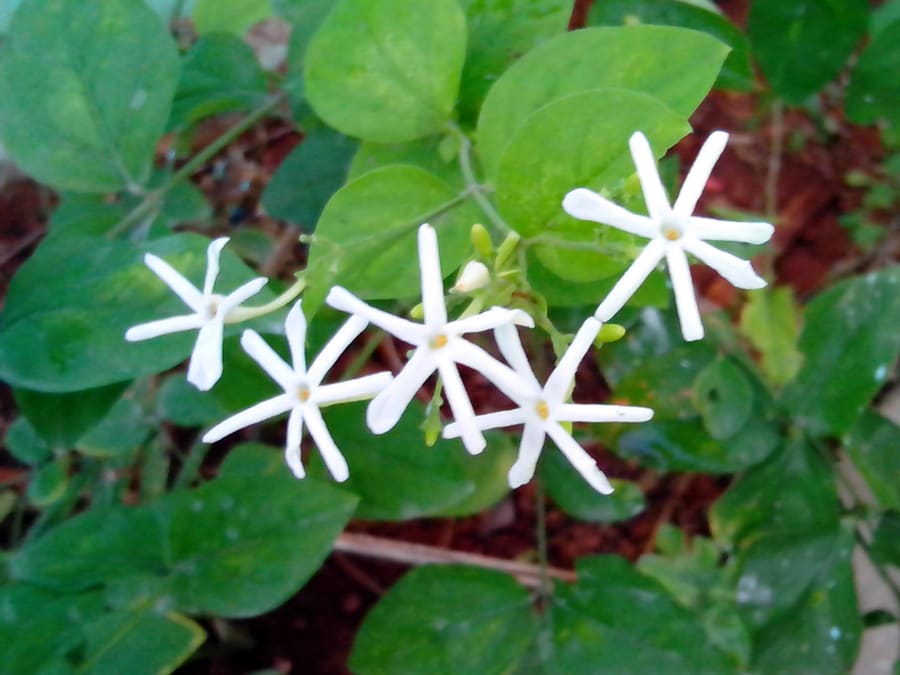 Jasmine (Jasminum grandiflorum)
Jasmine (Jasminum officinale) is a slender evergreen climber, growing up to around 20 ft (6 m), noted for its dark green compound leaves and sweetly scented, tubular white flowers. The blossoms yield a prized essential oil used to lift mood, soothe stress, and care for skin.
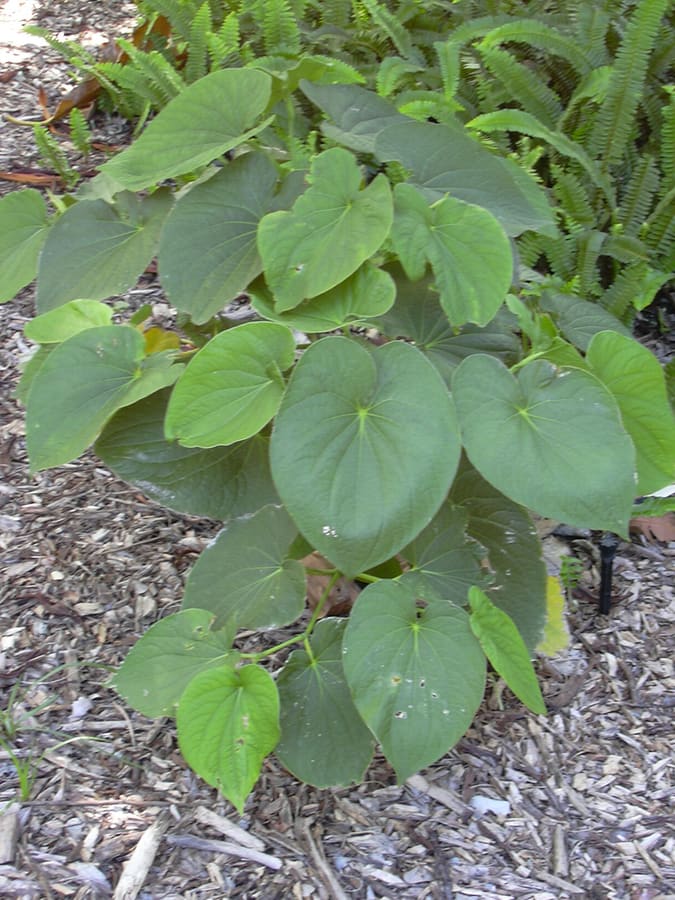 Kava (Piper methysticum)Not for self-dosing
Kava (Piper methysticum) is a tropical shrub or evergreen vine, traditionally revered across the Pacific Islands for its calming, muscle-relaxing, and mildly euphoric effects. Its thick, knotty rootstock is used ceremonially and medicinally to ease anxiety, insomnia, and pain while preserving mental clarity.
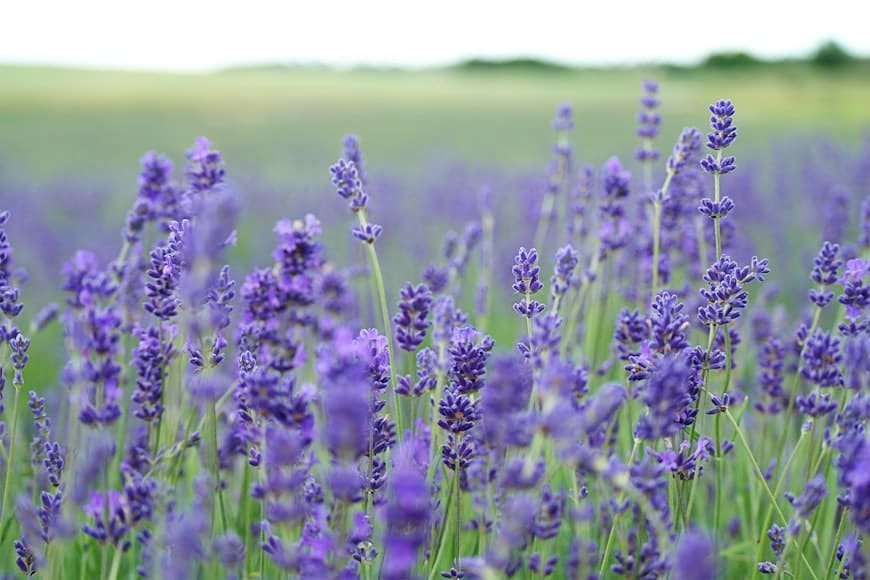 Lavender (Lavandula angustifolia)
Lavender (Lavandula officinalis, also known as L. angustifolia) is a small, perennial shrub that can grow about 3 ft (1 m) high, characterized by its narrow, silver-green leaves and spiked violet-blue flowers. Renowned for its sweet, calming aroma, lavender is a mildly warming, relaxing nervine, helpful in alleviating stress, tension, depression, and headaches. Its essential oil has antifungal properties and is commonly used for burns and other skin inflammations.