
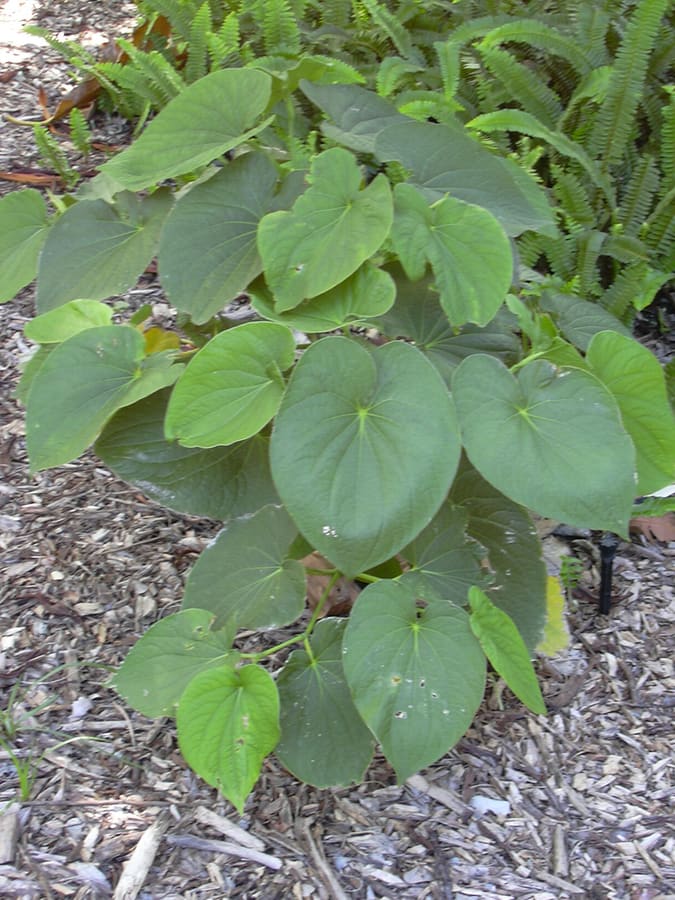
Kava (Piper methysticum)
Photo: Forest & Kim Starr · CC BY 3.0
- Mental
- 2 conditions
- Licensed photo
Overview
Kava (Piper methysticum) is a tropical shrub or evergreen vine, traditionally revered across the Pacific Islands for its calming, muscle-relaxing, and mildly euphoric effects. Its thick, knotty rootstock is used ceremonially and medicinally to ease anxiety, insomnia, and pain while preserving mental clarity.
Traditional uses & properties
Anxiolytic & Sedative: Reduces anxiety without causing drowsy “hangovers”; beneficial for muscle tension and emotional stress. Analgesic & Diuretic: Offers mild pain relief, helps arthritic or rheumatic conditions by alleviating tension and promoting waste excretion. Urinary Antiseptic: Useful for painful, irritating urinary conditions such as cystitis and urethritis. Traditional Ritual Herb: Large doses produce euphoria and mild intoxication; commonly used in Polynesian social and religious contexts.
Traditional preparations
Preparation amounts are not shown for this herb. It is toxic, restricted, or otherwise unsafe to self-dose - the margin between a traditional dose and a harmful one is too small to publish as reference material. If you are considering it, that conversation belongs with a doctor or a qualified practitioner, not a website.
Safety & precautions
Liver Health: Excessive or prolonged use may harm the liver; avoid if you regularly drink alcohol or have hepatic issues. Dosage & Duration: Large doses can impair motor function; short-term use of water-based extracts is generally safer. Pregnancy & Nursing: Not recommended. Legality: Subject to restrictions in many countries.
Drug & food interactions
Interaction data is not available for this herb - talk to a pharmacist before combining it with any medication. A blank entry here means we have not documented interactions, not that none exist.
Habitat
Native to Polynesia and regions of Oceania, kava is also grown in parts of the U.S. (Hawaii) and Australia. It requires fertile, well-drained, stony soil in shade. Propagation is typically from runners in late winter or spring, with roots harvested year-round.
Traditionally used for
Each condition shows its first 2 remedies free. Premium opens the full remedy list for every condition - or come back for the free Condition of the Day.
Frequently asked questions
What is Kava (Piper methysticum) traditionally used for?
Traditional sources describe Kava (Piper methysticum) as follows: Anxiolytic & Sedative: Reduces anxiety without causing drowsy “hangovers”; beneficial for muscle tension and emotional stress. Analgesic & Diuretic: Offers mild pain relief, helps arthritic or rheumatic conditions by alleviating tension and promoting waste excretion. Urinary Antiseptic: Useful for painful, irritating urinary conditions such as cystitis and urethritis. Traditional Ritual Herb: Large doses produce euphoria and mild intoxication; commonly used in Polynesian social and religious contexts.
How is Kava (Piper methysticum) prepared?
Preparation amounts are not shown for this herb. It is toxic, restricted, or otherwise unsafe to self-dose - the margin between a traditional dose and a harmful one is too small to publish as reference material. If you are considering it, that conversation belongs with a doctor or a qualified practitioner, not a website.
What safety cautions apply to Kava (Piper methysticum)?
Liver Health: Excessive or prolonged use may harm the liver; avoid if you regularly drink alcohol or have hepatic issues. Dosage & Duration: Large doses can impair motor function; short-term use of water-based extracts is generally safer. Pregnancy & Nursing: Not recommended. Legality: Subject to restrictions in many countries.
Related herbs
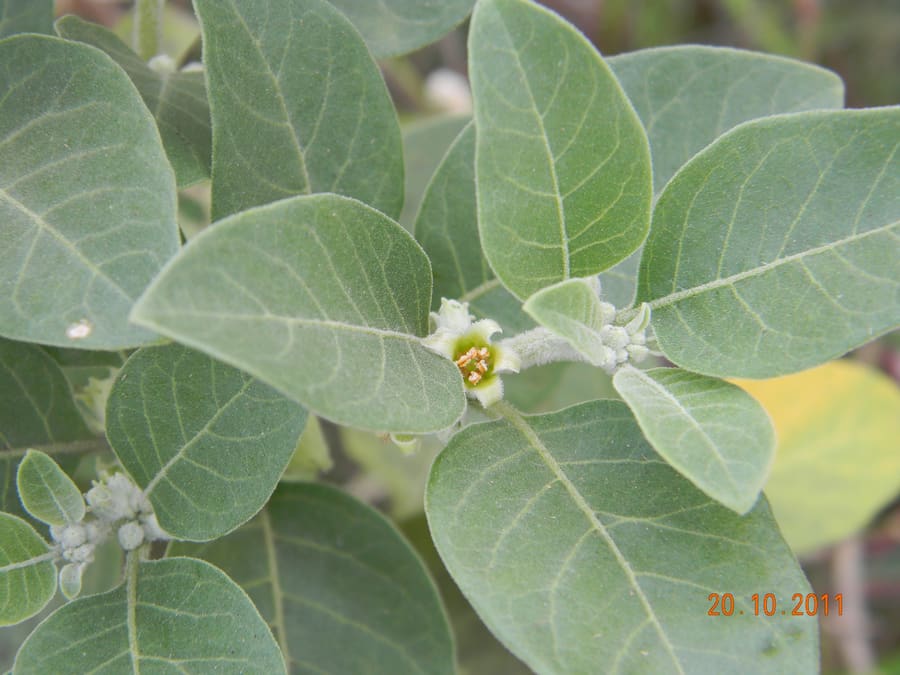 Ashwagandha (Withania somnifera)
Ashwagandha (Withania somnifera), sometimes called “Indian ginseng,” is a sturdy shrub growing to about 5 ft (1.5 m) with oval leaves, greenish or yellow flowers, and small, round fruits. A key herb in Ayurvedic medicine, it is valued for boosting vitality and aiding convalescence from chronic illnesses. It promotes relaxation, increases energy and muscle tone, and can support healthy thyroid hormone conversion from T4 to T3. Traditionally, ashwagandha is considered a “Rasáyana” (rejuvenator), used long-term to rebuild and regenerate body and mind.
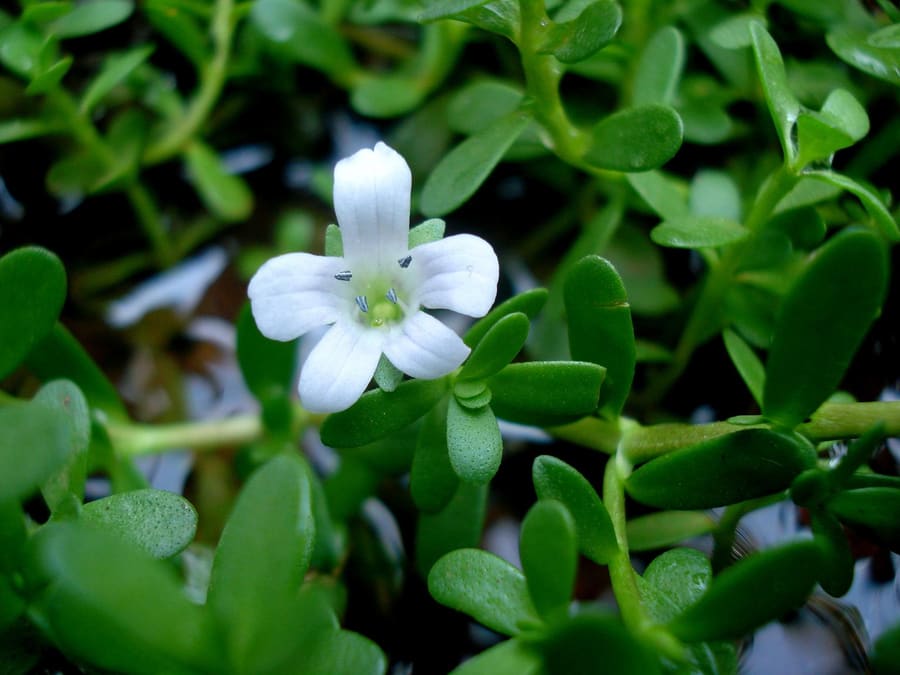 Bacopa (Bacopa monnieri)
Bacopa, also known as Water Hyssop or Brahmi, is a creeping succulent perennial that can grow to about 20 inches. It features spatula-shaped fleshy leaves and pale blue or white flowers on slender stalks. Thriving in marshlands and along the edges of mangrove swamps in warmer temperate and tropical climates - especially southern Asia - it develops into dense mats on mudflats. This herb has been a cornerstone of Ayurvedic medicine for supporting cognitive function and treating various nervous system disorders, and it is increasingly recognized in Western herbalism for its brain-enhancing properties.
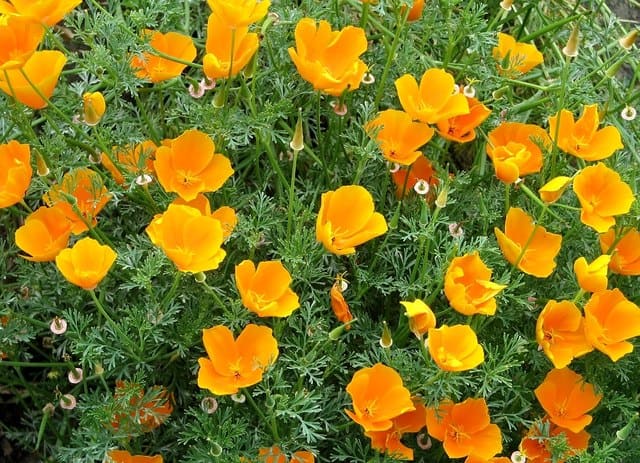 California Poppy (Eschscholzia californica)
California poppy (Eschscholzia californica) is an annual or short-lived perennial with finely divided leaves and vibrant orange, yellow, pink, or red blossoms. A mild sedative and analgesic, it is related to the opium poppy but lacks narcotic effects. Instead, California poppy gently calms the nervous system, helps with insomnia and tension, and soothes pain without depressing central nervous system function.
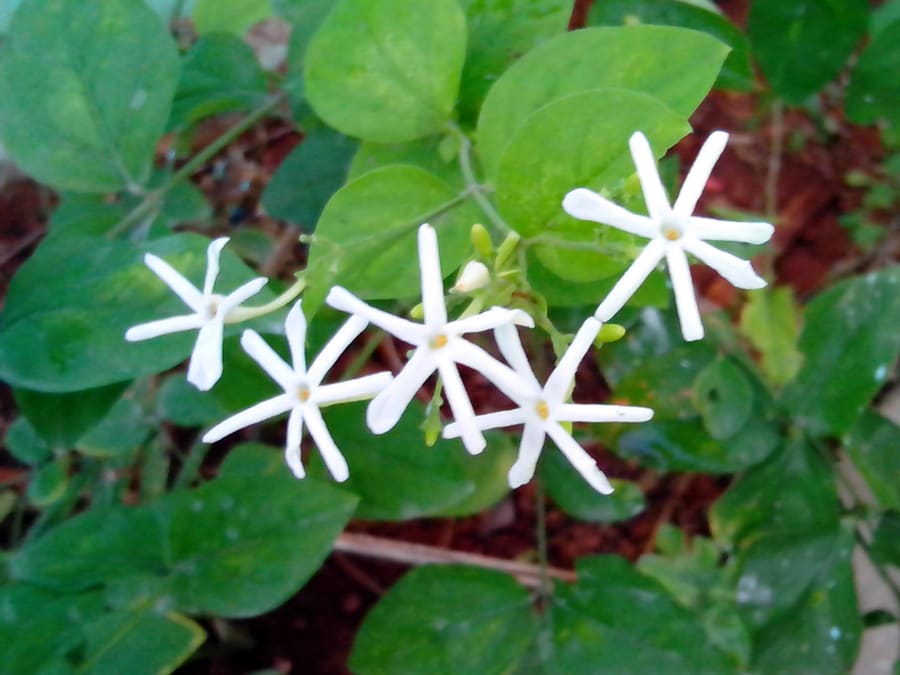 Jasmine (Jasminum grandiflorum)
Jasmine (Jasminum officinale) is a slender evergreen climber, growing up to around 20 ft (6 m), noted for its dark green compound leaves and sweetly scented, tubular white flowers. The blossoms yield a prized essential oil used to lift mood, soothe stress, and care for skin.
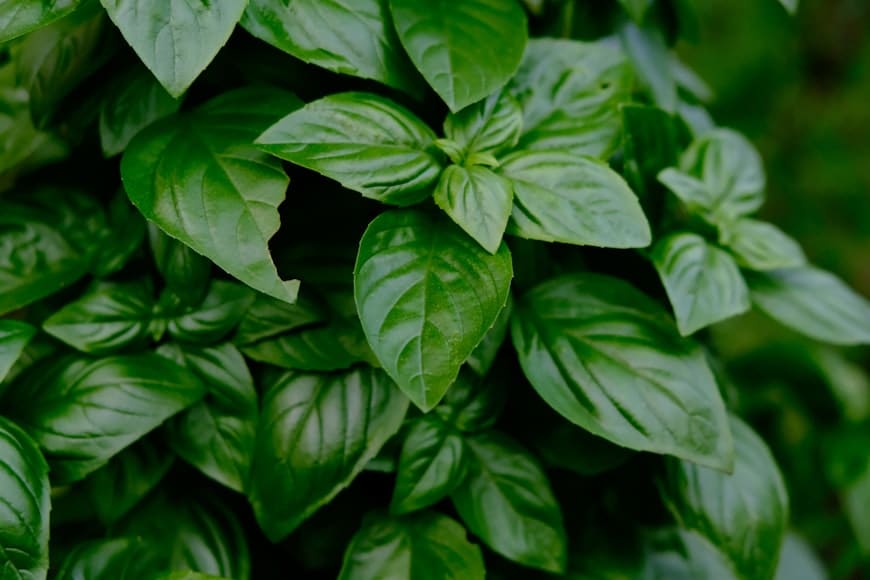 Basil
BasilBasil (Ocimum basilicum) is a bushy annual herb growing up to about 20 in (50 cm), with shiny oval leaves arranged on a square stem and small white flowers in whorls. Known for its strong, sweet aroma, basil is cultivated worldwide in numerous varieties. Traditional sources regard basil as both a culinary and medicinal herb, used to address digestive discomfort and various nervous system issues.
- Cardamom (Eletteria cardamomum)
Cardamom is an aromatic spice long prized for its fragrant, pungent taste. In Ayurvedic medicine, it has been used for digestive complaints - soothing indigestion, gas, and cramping - and is sometimes employed for respiratory conditions and kidney ailments. Cardamom has a centuries-old reputation as an aphrodisiac and is also believed to help relieve stress and depression when prepared in a mild infusion. Thanks to its agreeable flavor, cardamom is often added to herbal formulas to improve taste.
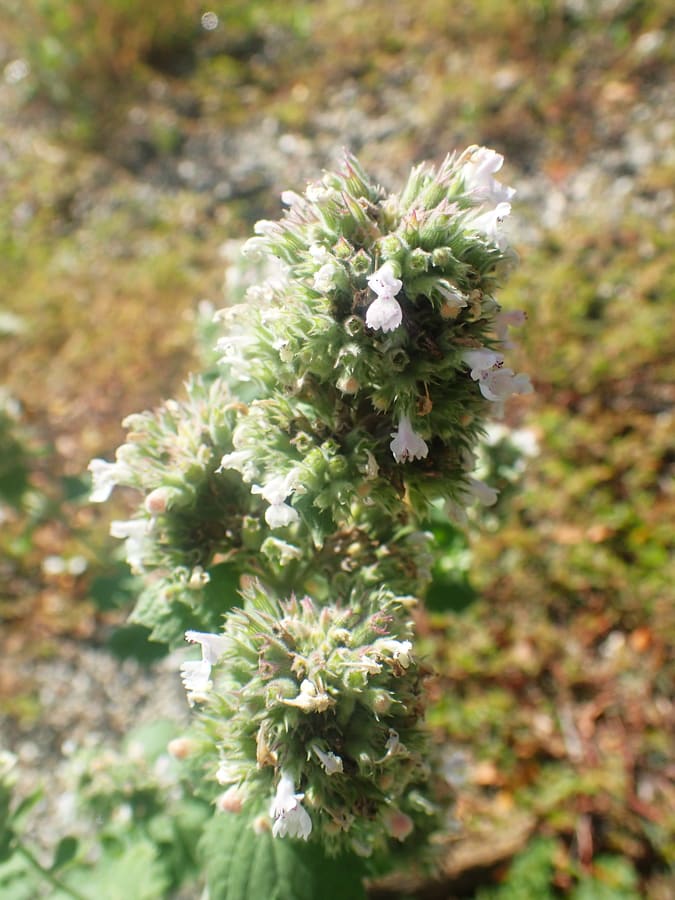 Catnip (Nepeta cataria)
Catnip is a downy, aromatic perennial growing to 3 feet with heart-shaped, gray-green leaves and whorls of white flowers marked with purple spots. Native to Europe and naturalized in North America, it grows in dry wayside places and mountainous regions up to altitudes of 5,000 feet. The plant is gathered when in flower during summer and autumn. Its name comes from the Norse word 'dylla,' meaning 'to soothe,' reflecting its calming properties. Catnip has an excitatory effect on cats but a sedative effect on humans.
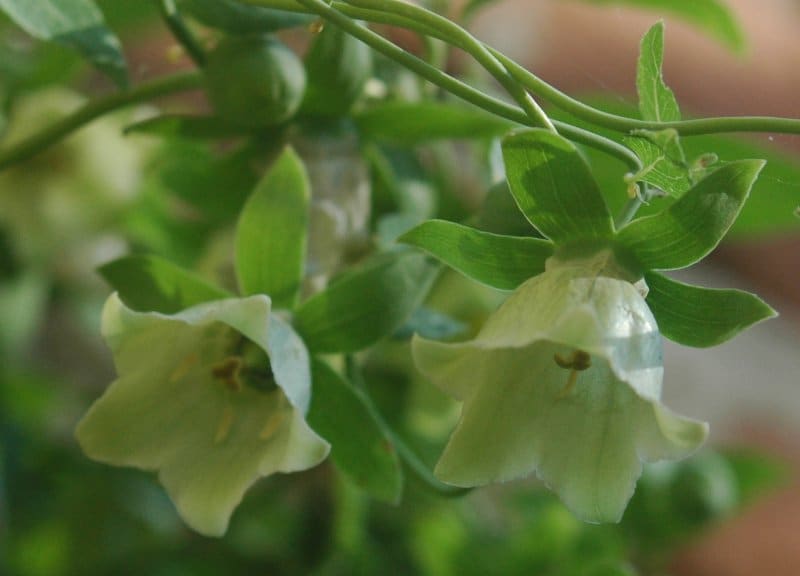 Codonopsis (Codonopsis pilosula)
Codonopsis is a small twining perennial growing to 5 feet with oval leaves and pendulous green and purple bell-shaped flowers marked with purple in summer. Native to northeastern China and growing throughout the region - especially in the Shanxi and Szechuan provinces - it is propagated from seed in spring or autumn, and the root is harvested in autumn once the aerial parts have died down. In Chinese herbal medicine, codonopsis holds a central place as a gentle tonic that increases energy levels, improves physical and mental well-being, and helps the body adapt to stress.