
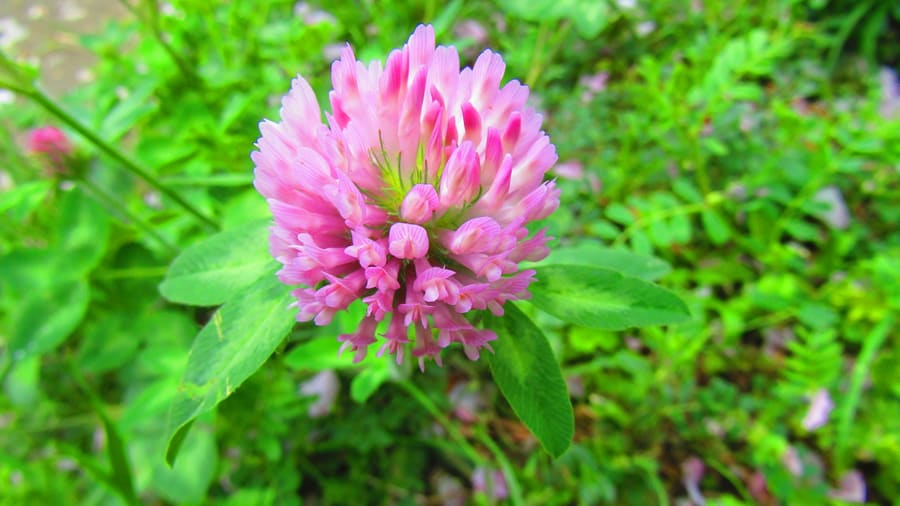
Red Clover (Trifolium pratense)
Photo: Dandy1022 · CC BY-SA 4.0
- Female Reproductive
- 1 condition
- Licensed photo
Overview
Red clover (Trifolium pratense) is a perennial legume about 16 in (40 cm) tall, with trifoliate leaves bearing a white crescent and pink-purple egg-shaped flowerheads. Used as a traditional “blood purifier,” it’s rich in isoflavones (phytoestrogens) and helpful for menopausal symptoms, certain skin conditions, and respiratory issues.
Traditional uses & properties
Alterative & Lymphatic: Commonly taken for skin problems (eczema, psoriasis), cleansing the blood, and swollen lymph glands. Phytoestrogenic: Helps block estrogen receptor sites, potentially supporting menopause and inhibiting estrogen-dependent tumors. Expectorant & Mild Antispasmodic: Traditionally used to ease coughs, spasmodic breathing conditions, and whooping cough in children. Nutritive Tonic: Contains vitamins, minerals, and protective flavonoids.
Traditional preparations
Traditional texts describe the preparations below, and where those texts give specific amounts, the amounts are quoted here as part of that record. This is a record of historical practice, not a dosage recommendation - the figures are what the sources say, not what HerbMate tells you to take. Amounts, potency, and safe use vary enormously by preparation, plant part, and person.
Create an infusion with flower heads.
Safety & precautions
Pregnancy: Some recommend avoiding during pregnancy due to phytoestrogens. Blood-Thinning: Has mild blood-thinning properties; consult a healthcare provider if on anticoagulants.
Drug & food interactions
It has been suggested that red clover may interact with anticoagulants, but evidence for this is largely lacking.
- Tamoxifen
- No data for red clover found.
- Antibacterials
- No data for red clover found.
- Herbal medicines
- No interactions found.
- Fexofenadine
- No data for red clover found.
- Paclitaxel
- No data for red clover found.
- Anticoagulants
- The interaction between red clover and anticoagulants is based on a prediction only.
- Digoxin
- No data for red clover found.
- Food
- No interactions found.
These entries keep the wording of the reference they come from, and three phrases mean three different things. "No interactions found" means the source looked for reports of that pairing and found none. "No data found" means nothing has been published either way. "Based on experimental evidence only" means the effect has been seen in a laboratory or animal study but not in people - a reason for caution, not a report of harm.
Habitat
Originally from Europe and Asia, red clover is cultivated globally as fodder and a nitrogen-fixing crop. The flowerheads are gathered in summer once they fully open.
Traditionally used for
Each condition shows its first 2 remedies free. Premium opens the full remedy list for every condition - or come back for the free Condition of the Day.
Frequently asked questions
What is Red Clover (Trifolium pratense) traditionally used for?
Traditional sources describe Red Clover (Trifolium pratense) as follows: Alterative & Lymphatic: Commonly taken for skin problems (eczema, psoriasis), cleansing the blood, and swollen lymph glands. Phytoestrogenic: Helps block estrogen receptor sites, potentially supporting menopause and inhibiting estrogen-dependent tumors. Expectorant & Mild Antispasmodic: Traditionally used to ease coughs, spasmodic breathing conditions, and whooping cough in children. Nutritive Tonic: Contains vitamins, minerals, and protective flavonoids.
How is Red Clover (Trifolium pratense) prepared?
Traditional texts describe the preparations below, and where those texts give specific amounts, the amounts are quoted here as part of that record. This is a record of historical practice, not a dosage recommendation - the figures are what the sources say, not what HerbMate tells you to take. Amounts, potency, and safe use vary enormously by preparation, plant part, and person. Osteoporosis: Create an infusion with flower heads.
What safety cautions apply to Red Clover (Trifolium pratense)?
Pregnancy: Some recommend avoiding during pregnancy due to phytoestrogens. Blood-Thinning: Has mild blood-thinning properties; consult a healthcare provider if on anticoagulants.
Related herbs
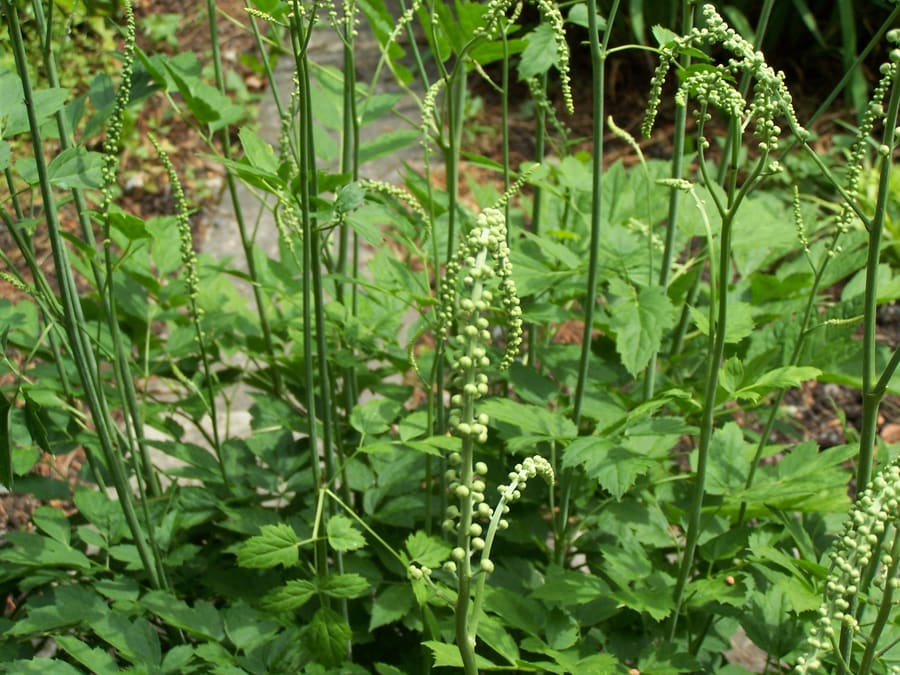 Black Cohosh (Cimicifuga racemosa)
Black cohosh (Cimicifuga racemosa) is a tall herbaceous perennial, growing up to about 8 ft (2.5 m) with creamy-white flower spikes. Its thick, knobby root has a bitter, acrid taste and a distinctive odor. Traditionally, the root has been valued as a Native American remedy for women’s health issues, especially painful periods, menopausal problems (such as hot flashes), and uterine discomfort. It also has a history of use for rheumatic complaints, including rheumatoid arthritis, nerve conditions like tinnitus, and even venomous bites or stings. Modern research suggests black cohosh can help alleviate menopausal symptoms and may influence estrogenic activity within the body, although it does not contain estrogen itself.
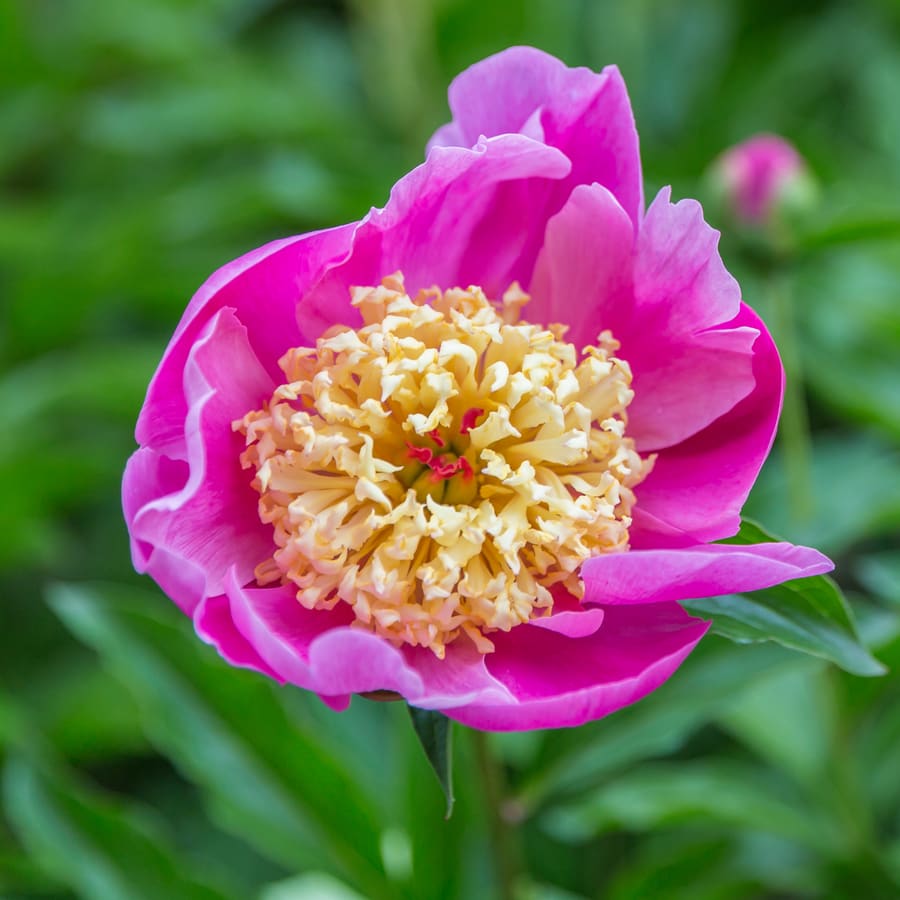 Chinese Peony / White Peony (Paeonia lactiflora)
White peony is an upright perennial growing to 6.5 feet with large white flowers and divided, dark green leaves. Its history of medicinal use in China stretches back at least 1,500 years, most notably as one of the herbs in 'Four Things Soup,' a renowned female tonic. Traditionally, it is believed that women who take the herb regularly become as radiant as the flower itself. The plant is cultivated throughout northeastern China and Inner Mongolia, propagated from seed in spring or from root cuttings in winter. The root of 4- or 5-year-old plants is harvested in spring or autumn and valued as a hormonal tonic.
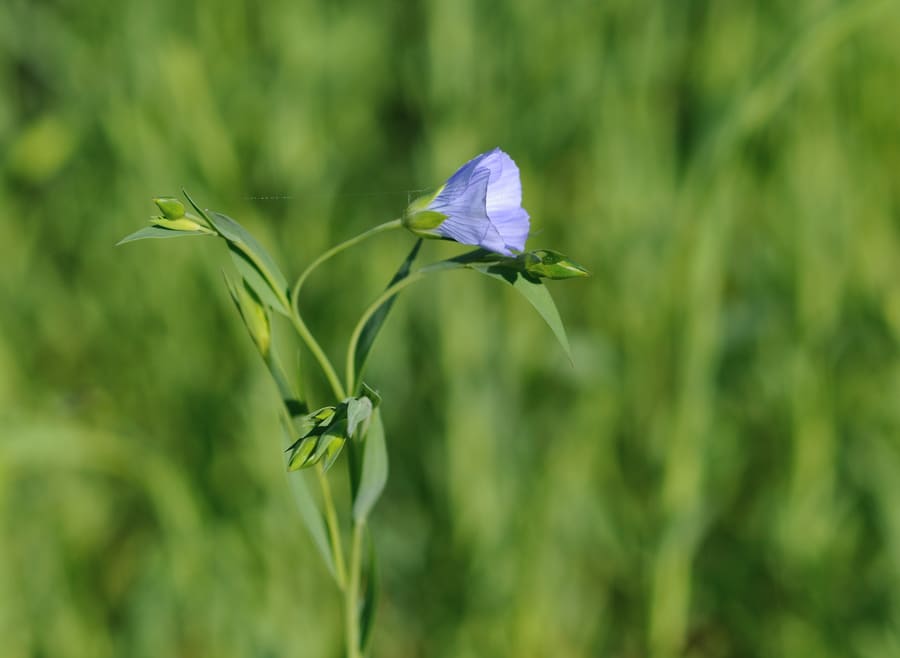 Flaxseed (Linum usitatissimum)
Flaxseed (Linum usitatissimum), also called linseed, is a slender annual plant growing up to about 3 ft (1 m). It produces narrow leaves, delicate blue flowers, and spherical seed capsules containing shiny, flat seeds. Long cultivated in the Middle East and beyond, flaxseeds are rich in beneficial fatty acids (particularly alpha-linolenic acid), protein, fiber, mucilage, and lignans (phytoestrogens). These constituents make flaxseed valuable for heart health, inflammatory conditions, and supporting estrogen balance.
 Shatavari (Asparagus racemosus)
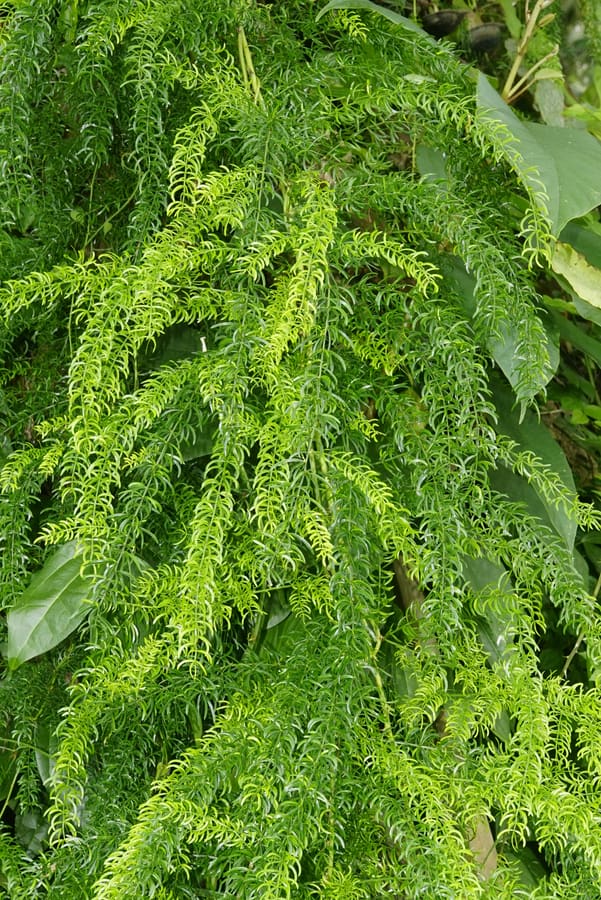
Shatavari is a slender perennial fern that can grow up to 23 feet in height, featuring fronds of needle-like leaves, tiny white flowers, and purple-black berries. Known as the 'Queen of herbs' in Ayurvedic medicine, its name literally means '100 spouses,' reflecting its reputation as a sexual tonic and fertility promoter. The root is the medicinal part used. Native to the Himalayas and Indian subcontinent, it grows wild in gravelly soils up to 3,900 feet above sea level and is also found in western China.