
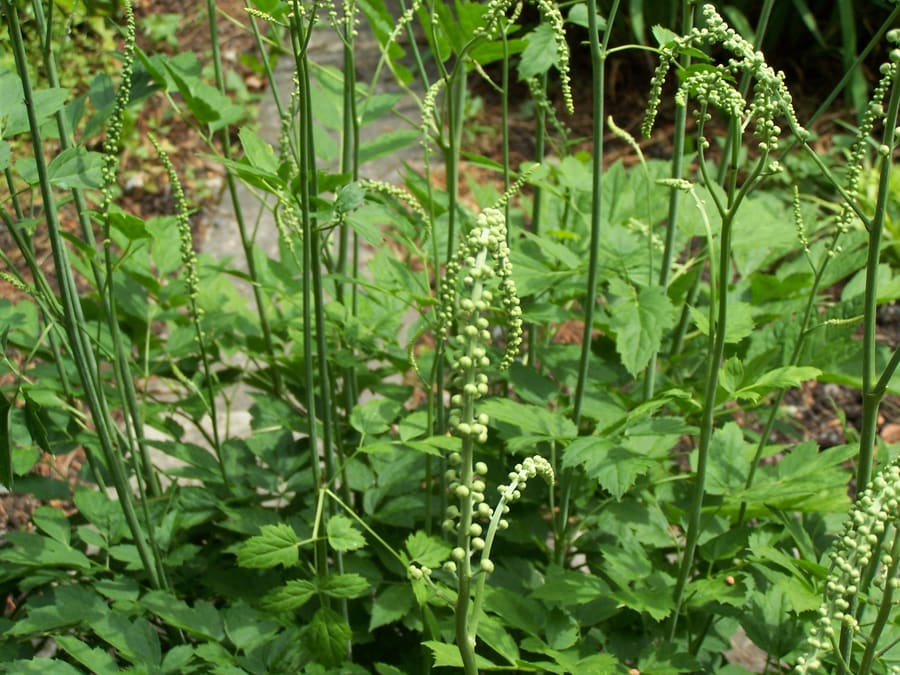
Black Cohosh (Cimicifuga racemosa)
Photo: No machine-readable author provided. Valérie75 assumed (based on copyright claims). · CC BY-SA 3.0
- Female Reproductive
- 3 conditions
- Licensed photo
Overview
Black cohosh (Cimicifuga racemosa) is a tall herbaceous perennial, growing up to about 8 ft (2.5 m) with creamy-white flower spikes. Its thick, knobby root has a bitter, acrid taste and a distinctive odor. Traditionally, the root has been valued as a Native American remedy for women’s health issues, especially painful periods, menopausal problems (such as hot flashes), and uterine discomfort. It also has a history of use for rheumatic complaints, including rheumatoid arthritis, nerve conditions like tinnitus, and even venomous bites or stings. Modern research suggests black cohosh can help alleviate menopausal symptoms and may influence estrogenic activity within the body, although it does not contain estrogen itself.
Traditional uses & properties
Analgesic & Antispasmodic: Relieves pain and calms spasms, helpful for menstrual cramps and muscular aches. Antirheumatic & Anti-inflammatory: Beneficial for arthritis and inflammatory conditions, including rheumatic pain. Sedative & Hypotensive: Offers a mild sedative effect that may help reduce high blood pressure and improve dark, low-spirited moods. Possible Estrogenic Action: Appears to mimic or influence estrogen-related processes, potentially helping with symptoms of low estrogen, menopause, and certain menstrual imbalances.
Traditional preparations
Traditional texts describe the preparations below, and where those texts give specific amounts, the amounts are quoted here as part of that record. This is a record of historical practice, not a dosage recommendation - the figures are what the sources say, not what HerbMate tells you to take. Amounts, potency, and safe use vary enormously by preparation, plant part, and person.
Make a decoction and take 1/3 cup (75 ml) twice a day to help relieve symptoms of tinnitus.
Safety & precautions
Pregnancy & Uterine Contractions: Black cohosh can stimulate uterine contractions, making it contraindicated in early pregnancy. It is sometimes used in late pregnancy or labor under professional supervision. Side Effects in Large Doses: May cause headaches, dizziness, central nervous system irritation, nausea, and vomiting. Reducing or discontinuing use typically resolves these effects. Hormone-Sensitive Conditions: Not recommended for breastfeeding, existing hormone-sensitive conditions, or if you have a history of breast cancer without professional guidance. Duration of Use: Some sources recommend taking breaks after extended use (e.g., one year) to avoid unwanted effects.
Drug & food interactions
Black cohosh does not appear to interact with caffeine, chlorzoxazone, digoxin or midazolam. Limited data suggest that black cohosh may antagonise the activity of cisplatin.
- Food
- No interactions found.
- Midazolam
- Black cohosh does not affect the pharmacokinetics of midazolam. In a study in 19 healthy subjects given black cohosh extract (standardised to triterpene glycosides 2.5%) 40 mg twice daily for 28 days with a single 8-mg oral dose of midazolam on day 28, there was no change in the pharmacokinetics of midazolam. In addition, black cohosh had no effect on the duration of midazolam-induced sleep. Similarly, in another study in 12 non-smoking healthy subjects given black cohosh root extract (standardised to triterpene glycosides 0.2%) 1090 mg twice daily for 28 days, there was no significant change in the pharmacokinetics of a single 8-mg oral dose of midazolam.
- Chlorzoxazone
- Black cohosh does not significantly affect the pharmacokinetics of chlorzoxazone. In a study in 12 healthy subjects, black cohosh root extract 1.09 g twice daily (standardised to 0.2% triterpene glycosides) for 28 days, did not significantly affect the pharmacokinetics of chlorzoxazone 250 mg.
- Oestrogens or oestrogen antagonists
- Black cohosh contains oestrogenic compounds. This may result in additive effects with oestrogens or it may oppose the effects of oestrogens. Similarly, black cohosh may have additive effects with oestrogen antagonists or oppose the effects of oestrogen antagonists (e.g. tamoxifen).
- Medicine
- No interactions found.
- Antineoplastics
- The interaction between black cohosh and antineoplastics is based on experimental evidence only.
- Digoxin
- A standardised black cohosh extract did not alter the pharmacokinetics of digoxin in one study. cohosh extract 20 mg twice daily (standardised to 2.5% triterpene glycosides) for 14 days with a single 400-microgram oral dose of digoxin on day 14. There were no significant changes in the pharmacokinetics of digoxin, and no serious adverse effects were reported.
These entries keep the wording of the reference they come from, and three phrases mean three different things. "No interactions found" means the source looked for reports of that pairing and found none. "No data found" means nothing has been published either way. "Based on experimental evidence only" means the effect has been seen in a laboratory or animal study but not in people - a reason for caution, not a report of harm.
Habitat
Black cohosh is native to Canada and the eastern U.S. (as far south as Florida), favoring shady woodland areas and hedgerows. It also grows in parts of Europe, often self-seeding from cultivated plants. Typically, it is grown from seed and harvested in the autumn when the root is at its most potent.
Traditionally used for
Each condition shows its first 2 remedies free. Premium opens the full remedy list for every condition - or come back for the free Condition of the Day.
Frequently asked questions
What is Black Cohosh (Cimicifuga racemosa) traditionally used for?
Traditional sources describe Black Cohosh (Cimicifuga racemosa) as follows: Analgesic & Antispasmodic: Relieves pain and calms spasms, helpful for menstrual cramps and muscular aches. Antirheumatic & Anti-inflammatory: Beneficial for arthritis and inflammatory conditions, including rheumatic pain. Sedative & Hypotensive: Offers a mild sedative effect that may help reduce high blood pressure and improve dark, low-spirited moods. Possible Estrogenic Action: Appears to mimic or influence estrogen-related processes, potentially helping with symptoms of low estrogen, menopause, and certain menstrual imbalances.
How is Black Cohosh (Cimicifuga racemosa) prepared?
Traditional texts describe the preparations below, and where those texts give specific amounts, the amounts are quoted here as part of that record. This is a record of historical practice, not a dosage recommendation - the figures are what the sources say, not what HerbMate tells you to take. Amounts, potency, and safe use vary enormously by preparation, plant part, and person. Tinnitus: Make a decoction and take 1/3 cup (75 ml) twice a day to help relieve symptoms of tinnitus.
What safety cautions apply to Black Cohosh (Cimicifuga racemosa)?
Pregnancy & Uterine Contractions: Black cohosh can stimulate uterine contractions, making it contraindicated in early pregnancy. It is sometimes used in late pregnancy or labor under professional supervision. Side Effects in Large Doses: May cause headaches, dizziness, central nervous system irritation, nausea, and vomiting. Reducing or discontinuing use typically resolves these effects. Hormone-Sensitive Conditions: Not recommended for breastfeeding, existing hormone-sensitive conditions, or if you have a history of breast cancer without professional guidance. Duration of Use: Some sources recommend taking breaks after extended use (e.g., one year) to avoid unwanted effects.
Related herbs
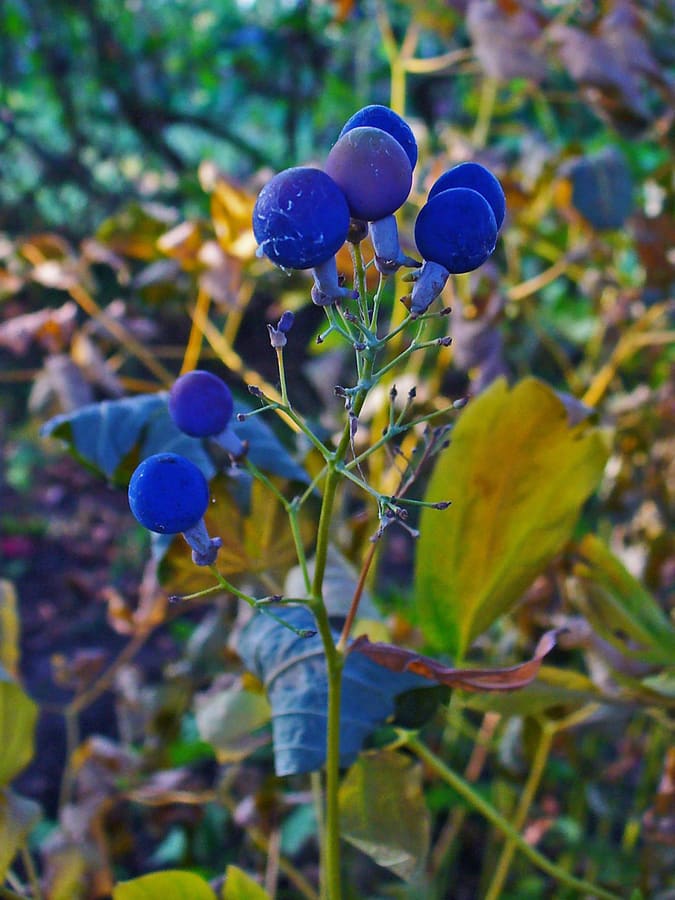 Blue Cohosh (Caulophyllum thalictroides)Not for self-dosing
Blue cohosh is an upright perennial herb reaching 3 feet in height, with large three-lobed leaves, yellow to purple flowers, and striking blue berries. It grows wild in much of eastern North America from Manitoba to Alabama, preferring woodland valleys and damp, north-facing slopes. The name 'cohosh' comes from the Algonquin language, and the plant was a popular remedy among many Native American tribes. Though taken by both sexes for genitourinary issues, it was primarily valued as a women's herb, and that tradition continues in modern herbal practice.
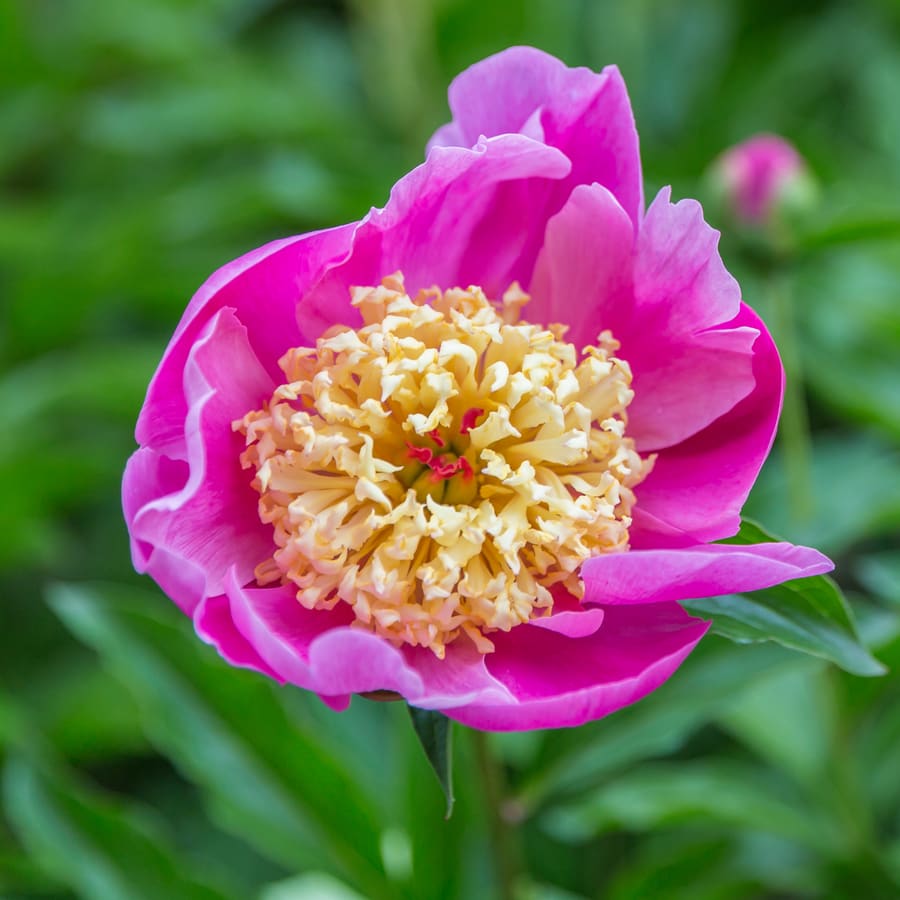 Chinese Peony / White Peony (Paeonia lactiflora)
White peony is an upright perennial growing to 6.5 feet with large white flowers and divided, dark green leaves. Its history of medicinal use in China stretches back at least 1,500 years, most notably as one of the herbs in 'Four Things Soup,' a renowned female tonic. Traditionally, it is believed that women who take the herb regularly become as radiant as the flower itself. The plant is cultivated throughout northeastern China and Inner Mongolia, propagated from seed in spring or from root cuttings in winter. The root of 4- or 5-year-old plants is harvested in spring or autumn and valued as a hormonal tonic.
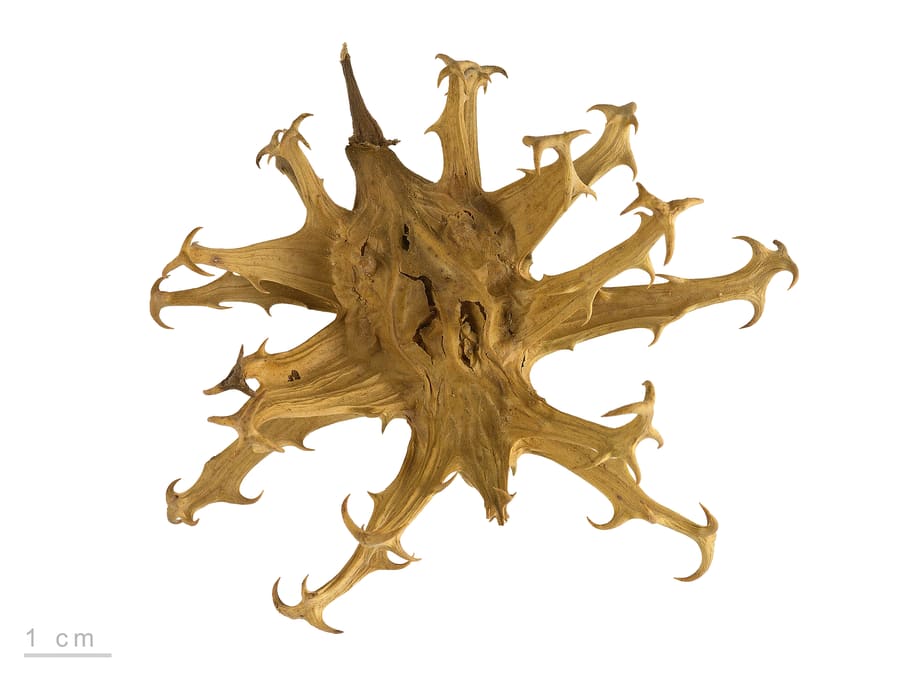 Devil's Claw (Harpagophytum procumbens)
Devil’s claw (Harpagophytum procumbens) is a trailing perennial native to southern Africa, named for its hooked, woody fruits. For millennia, indigenous peoples have relied on its tuber to treat pain, fever, and digestive ailments. In modern herbalism, devil’s claw is best known for its anti-inflammatory and analgesic properties, frequently employed to support joint health and reduce arthritic or lower back pain. It also acts as a bitter tonic to stimulate digestion.
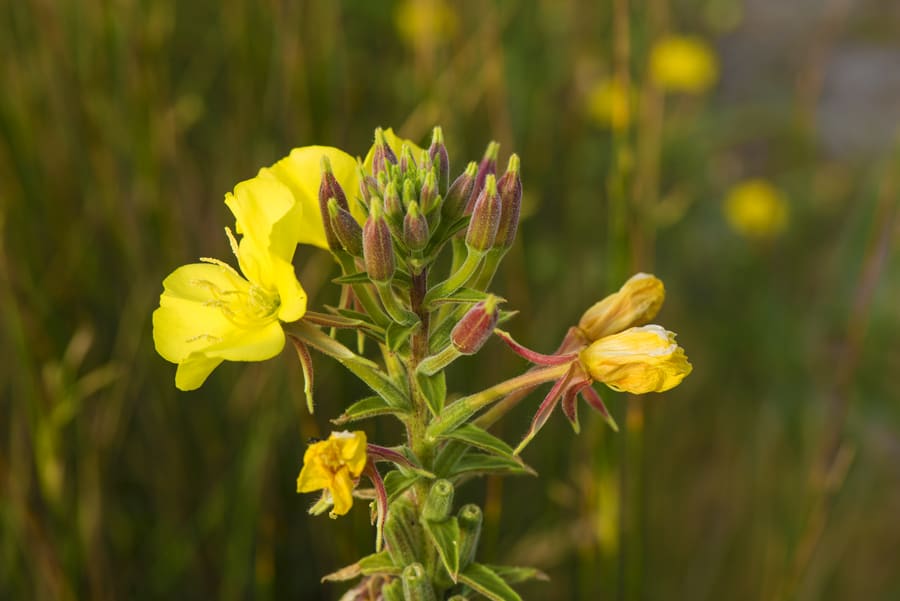 Evening Primrose (Oenothera biennis)
Biennial herb growing to 8 in (20 cm). Has red blotches on stem, crinkled lance-shaped leaves, 4-petaled yellow flowers, and elongated seed capsules. The flowers, leaves, and stem bark of evening primrose have astringent and sedative properties. All three parts have been employed in the treatment of whooping cough. Evening primrose has also been taken for digestive problems and asthma, and used as a poultice to ease the discomfort of rheumatic disorders.
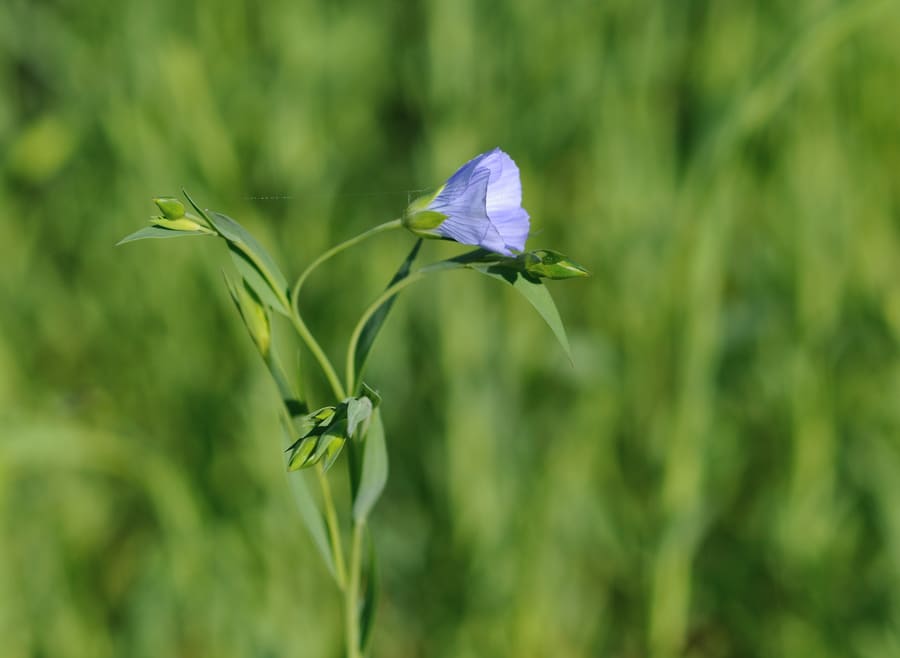 Flaxseed (Linum usitatissimum)
Flaxseed (Linum usitatissimum), also called linseed, is a slender annual plant growing up to about 3 ft (1 m). It produces narrow leaves, delicate blue flowers, and spherical seed capsules containing shiny, flat seeds. Long cultivated in the Middle East and beyond, flaxseeds are rich in beneficial fatty acids (particularly alpha-linolenic acid), protein, fiber, mucilage, and lignans (phytoestrogens). These constituents make flaxseed valuable for heart health, inflammatory conditions, and supporting estrogen balance.
 Ginkgo (Ginkgo biloba)
Ginkgo (Ginkgo biloba) is a distinctive, long-lived deciduous tree that can grow up to about 100 ft (30 m). It has fan-shaped leaves with radiating veins, often turning bright yellow in autumn. Ginkgo is widely revered for its benefits to circulation, especially in the brain, where it can help improve memory, concentration, and support cognitive function.
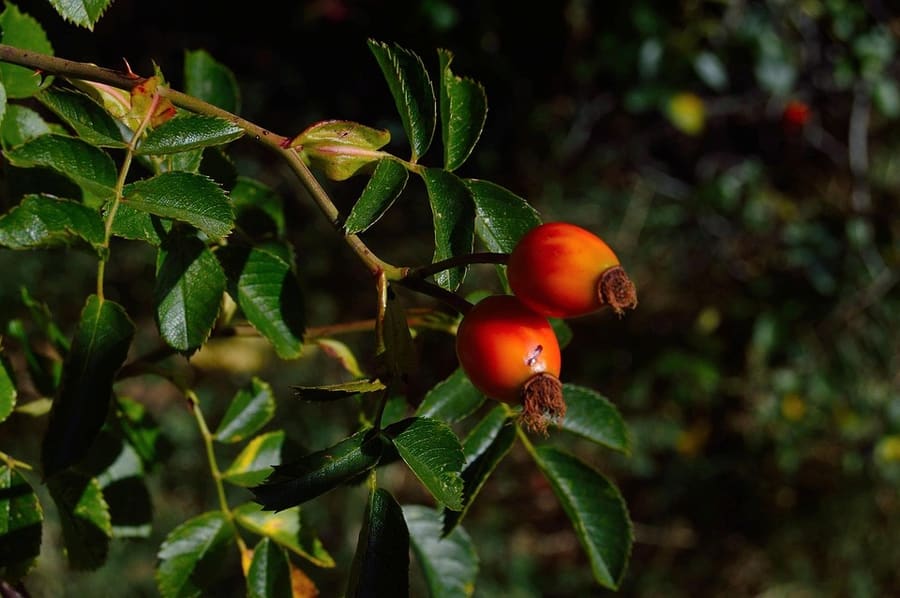 Goji Berry (Lycium chinense)
Goji berry (Lycium barbarum) is a deciduous shrub that can grow up to about 13 ft (4 m), bearing bright green leaves and vivid scarlet berries. A key tonic in Traditional Chinese Medicine, goji berries are believed to support longevity, with references stretching back to the 1st century ce. Both the berries (rich in vitamins, polysaccharides, and carotenoids) and the root have diverse medicinal applications.
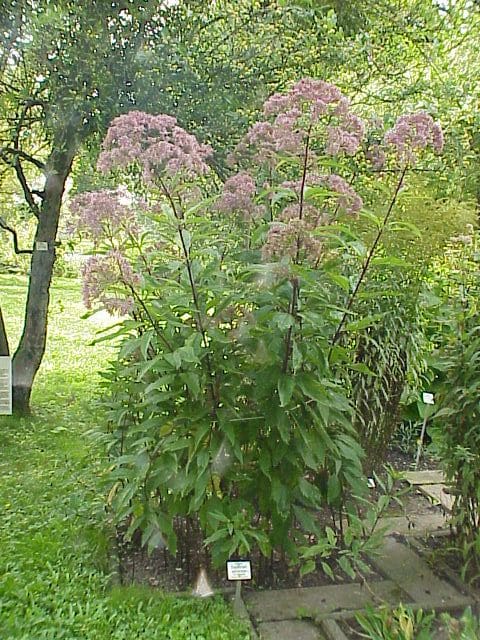 Gravel Root (Eupatorium purpureum)
Gravel root is an erect perennial growing to 5 feet with whorls of pointed oblong leaves and clusters of purple-pink florets. Native to eastern North America, the root is unearthed in autumn. The plant's alternative name, Joe Pye weed, honors the Native American said to have used it to cure New Englanders of typhus. Native Americans valued the herb as a diuretic and remedy for genitourinary conditions, and the root was listed in the Pharmacopoeia of the United States from 1820 to 1842, attesting to its recognized medicinal importance.