Flaxseed (Linum usitatissimum)
Photo: Quartl · CC BY-SA 3.0
- Digestive
- 2 conditions
- Licensed photo
Overview
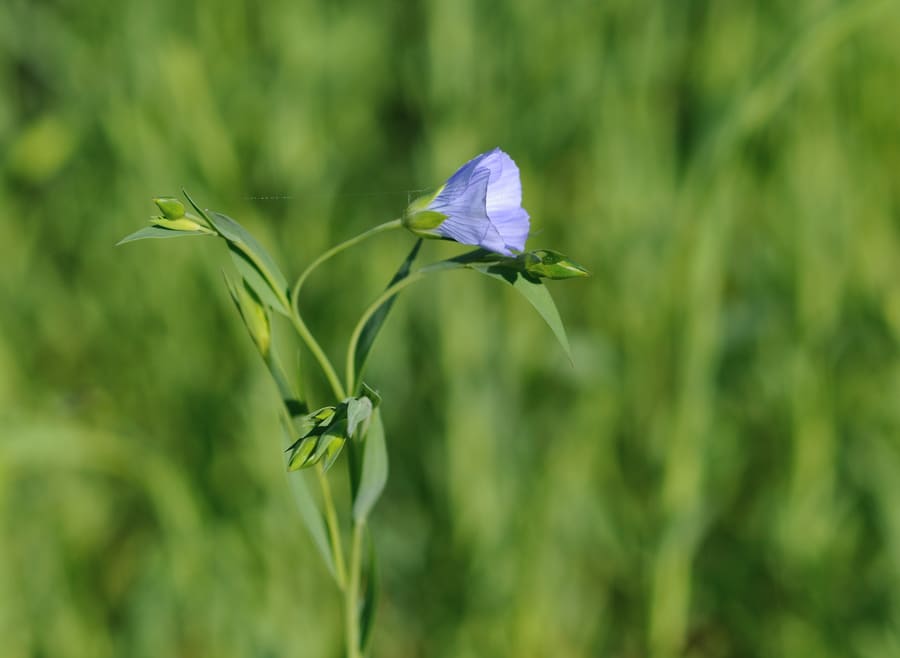
Flaxseed (Linum usitatissimum), also called linseed, is a slender annual plant growing up to about 3 ft (1 m). It produces narrow leaves, delicate blue flowers, and spherical seed capsules containing shiny, flat seeds. Long cultivated in the Middle East and beyond, flaxseeds are rich in beneficial fatty acids (particularly alpha-linolenic acid), protein, fiber, mucilage, and lignans (phytoestrogens). These constituents make flaxseed valuable for heart health, inflammatory conditions, and supporting estrogen balance.
Traditional uses & properties
Bulk Laxative & Gut Healer: The seeds’ mucilage content softens stools and reduces gut inflammation in conditions such as IBS or colitis. Phytoestrogenic: Lignans may help prevent estrogen-dependent cancers and can ease menopausal symptoms. Omega-3-Rich: High in alpha-linolenic acid, which supports cardiovascular health, helps lower LDL cholesterol, and reduces inflammation. External Applications: Crushed seed poultices soothe boils, carbuncles, and other skin irritations.
Traditional preparations
Traditional texts describe the preparations below, and where those texts give specific amounts, the amounts are quoted here as part of that record. This is a record of historical practice, not a dosage recommendation - the figures are what the sources say, not what HerbMate tells you to take. Amounts, potency, and safe use vary enormously by preparation, plant part, and person.
Take 1-2 tsp of the seeds with a large glass of water each day or soak them in cold water overnight before taking.
Safety & precautions
Oxidation: Ground flaxseeds spoil quickly due to oxidation. Grinding fresh seeds as needed is best. Immature Seeds: Avoid consuming unripe seeds - they may be toxic. Storage: Ground or cracked seeds should be kept in an airtight container in the fridge.
Drug & food interactions
Flaxseed lignan supplementation appears to have no significant effect on blood-glucose levels in type 2 diabetic patients also taking oral antidiabetic drugs (not named). Limited evidence suggests that flaxseed oil may increase bleeding times and therefore some caution might therefore be appropriate with aspirin and anticoagulants.
- Herbal medicines
- No interactions found.
- Anticoagulant or Antiplatelet drugs
- Limited evidence suggests that flaxseed oil may have some antiplatelet effects, which could be additive with those of conventional antiplatelet drugs, and increase the risk of bleeding with anticoagulants. nosebleeds) in patients taking aspirin and flaxseed oil, one of whom was taking low-dose aspirin. Some studies have investigated the effect of flaxseed oil alone on bleeding time, and one, in 10 healthy subjects, found that a flaxseed oil rich diet (20.5 g daily of α-linolenic acid) for 56 days had no significant effect on bleeding times, prothrombin times or partial prothrombin times. However, another study in 11 patients with rheumatoid arthritis reported that flaxseed oil 30 g daily for 3 months (9.6 g daily of α-linolenic acid) increased the bleeding time by about one minute when compared with baseline, although this result was not statistically significant.
- Antidiabetics
- Flaxseed lignan supplementation appears to have no significant effect on blood-glucose levels in type 2 diabetic patients also taking oral antidiabetic drugs. In a randomised, crossover study in 68 patients with type 2 diabetes and mild hypercholesterolaemia, taking a supplement containing a total of 360mg of flaxseed lignan daily for 12 weeks had no significant effect on blood-lipid profile, insulin resistance, fasting glucose and insulin concentrations. A minor reduction of glycosylated haemoglobin (HbA1c) of about 0.1% occurred, although the clinical significance of this reduction is likely to be minimal. In this particular study, patients continued to take their usual medication, which included oral antidiabetics and lipid-lowering medications, none of which was specifically named in the study. Patients were excluded from the study if they were using insulin. Similarly, in another study, flaxseed oil (60 mg/kg α-linolenic acid daily) had no significant effect on blood-glucose control in type 2 diabetics. Patients taking insulin were also excluded from this study; however, information on other concurrent medication was not reported. In another study in 25 menopausal women with hypercholesterolaemia, there was a slight 5.3% reduction in blood-glucose levels (0.1 mmol/L) with crushed flaxseed, and this was less than that seen with conventional HRT, which is not considered to have blood-glucose-lowering effects.
- Food
- No interactions found.
These entries keep the wording of the reference they come from, and three phrases mean three different things. "No interactions found" means the source looked for reports of that pairing and found none. "No data found" means nothing has been published either way. "Based on experimental evidence only" means the effect has been seen in a laboratory or animal study but not in people - a reason for caution, not a report of harm.
Habitat
Originally from temperate regions in Europe and Asia, flax is now widely cultivated globally, including in Canada, the U.S., Argentina, and northern Europe. Sown in spring, it is harvested in late summer or early fall once seeds have ripened.
Traditionally used for
Each condition shows its first 2 remedies free. Premium opens the full remedy list for every condition - or come back for the free Condition of the Day.
Frequently asked questions
What is Flaxseed (Linum usitatissimum) traditionally used for?
Traditional sources describe Flaxseed (Linum usitatissimum) as follows: Bulk Laxative & Gut Healer: The seeds’ mucilage content softens stools and reduces gut inflammation in conditions such as IBS or colitis. Phytoestrogenic: Lignans may help prevent estrogen-dependent cancers and can ease menopausal symptoms. Omega-3-Rich: High in alpha-linolenic acid, which supports cardiovascular health, helps lower LDL cholesterol, and reduces inflammation. External Applications: Crushed seed poultices soothe boils, carbuncles, and other skin irritations.
How is Flaxseed (Linum usitatissimum) prepared?
Traditional texts describe the preparations below, and where those texts give specific amounts, the amounts are quoted here as part of that record. This is a record of historical practice, not a dosage recommendation - the figures are what the sources say, not what HerbMate tells you to take. Amounts, potency, and safe use vary enormously by preparation, plant part, and person. Constipation: Take 1-2 tsp of the seeds with a large glass of water each day or soak them in cold water overnight before taking.
What safety cautions apply to Flaxseed (Linum usitatissimum)?
Oxidation: Ground flaxseeds spoil quickly due to oxidation. Grinding fresh seeds as needed is best. Immature Seeds: Avoid consuming unripe seeds - they may be toxic. Storage: Ground or cracked seeds should be kept in an airtight container in the fridge.
Related herbs
 Aloe (Aloe vera)
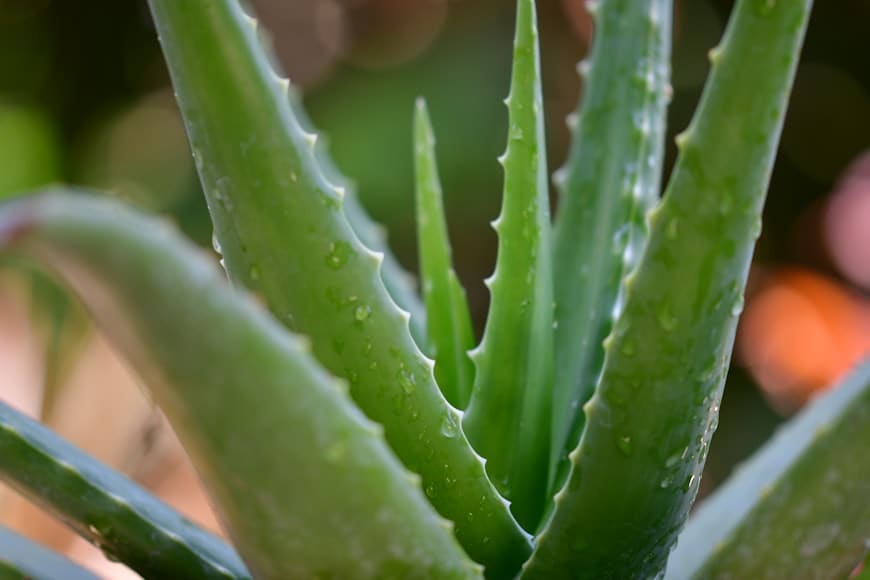
Aloe vera (syn. A. barbadensis) is a succulent commonly grown as a potted plant, notable for its thick, fleshy leaves that contain two distinct medicinal components. The inner clear gel is renowned for its soothing and wound-healing properties, while the bitter yellow sap from the leaf base (often called “bitter aloes”) has a strong laxative effect. Historically, aloe vera has been prized for treating skin irritations, burns, and ulcers. It can also be taken internally (as juice) to support digestion and immune function. Whole leaf aloe juice has been used to help fight arthritis, AIDS, cancer, and other chronic conditions, though the outer leaf portion containing anthraquinones is typically filtered out to avoid harsh laxative effects.
 Bacopa (Bacopa monnieri)
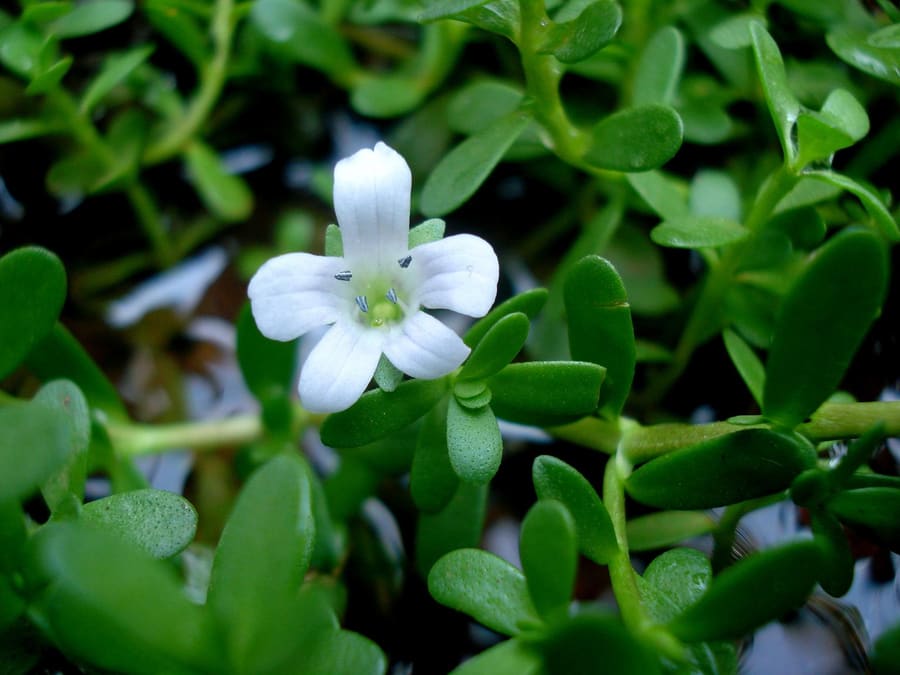
Bacopa, also known as Water Hyssop or Brahmi, is a creeping succulent perennial that can grow to about 20 inches. It features spatula-shaped fleshy leaves and pale blue or white flowers on slender stalks. Thriving in marshlands and along the edges of mangrove swamps in warmer temperate and tropical climates - especially southern Asia - it develops into dense mats on mudflats. This herb has been a cornerstone of Ayurvedic medicine for supporting cognitive function and treating various nervous system disorders, and it is increasingly recognized in Western herbalism for its brain-enhancing properties.
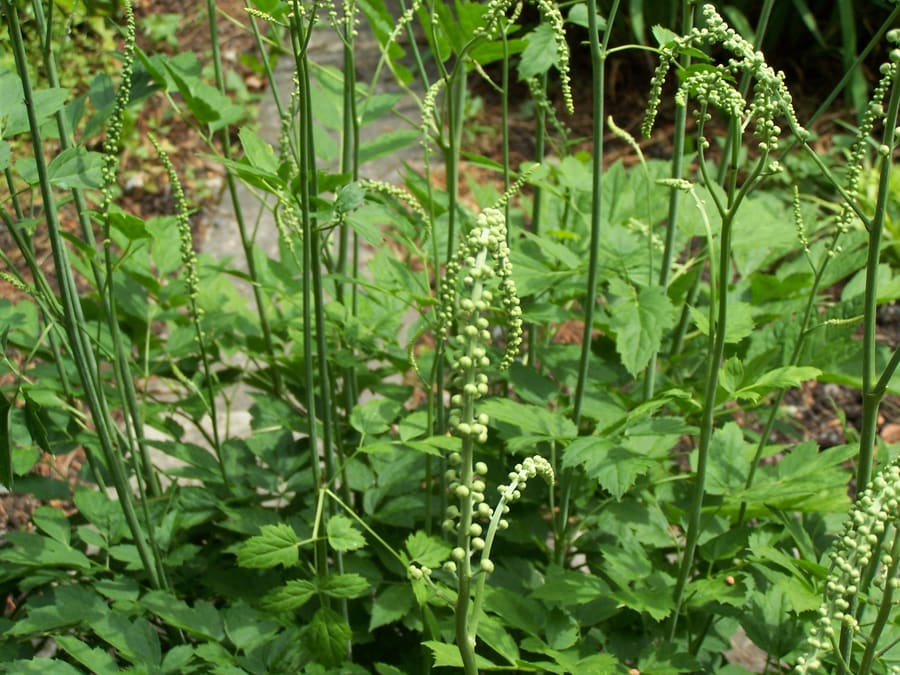 Black Cohosh (Cimicifuga racemosa)
Black cohosh (Cimicifuga racemosa) is a tall herbaceous perennial, growing up to about 8 ft (2.5 m) with creamy-white flower spikes. Its thick, knobby root has a bitter, acrid taste and a distinctive odor. Traditionally, the root has been valued as a Native American remedy for women’s health issues, especially painful periods, menopausal problems (such as hot flashes), and uterine discomfort. It also has a history of use for rheumatic complaints, including rheumatoid arthritis, nerve conditions like tinnitus, and even venomous bites or stings. Modern research suggests black cohosh can help alleviate menopausal symptoms and may influence estrogenic activity within the body, although it does not contain estrogen itself.
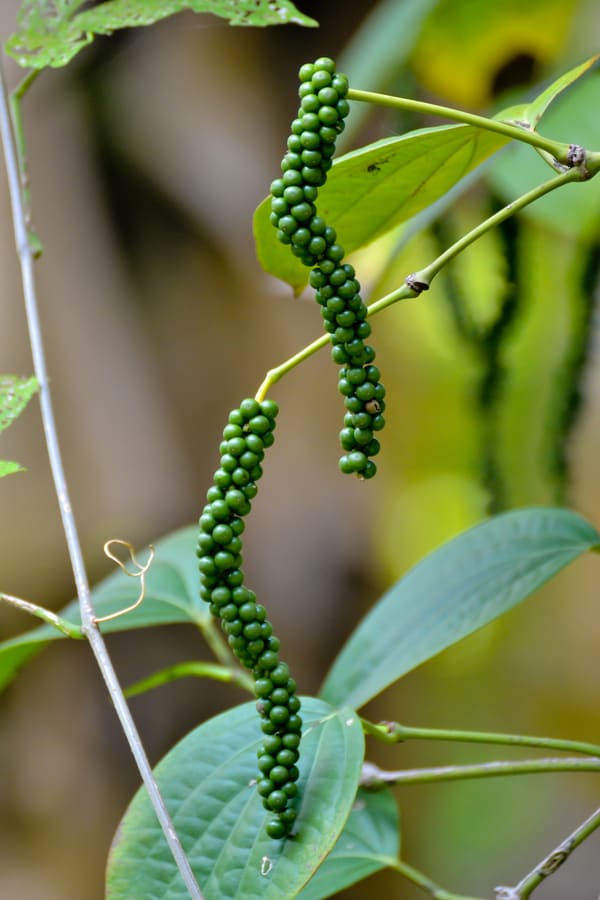 Black Pepper (Piper nigrum)
Black pepper is a perennial woody climbing vine growing to about 16 feet, with large oval leaves, spikes of small white flowers, and clusters of small round fruits that ripen from green to red. Native to southwestern India and now cultivated in tropical areas worldwide, the fruit is harvested from plants that are at least three years old. Different processing methods yield green, black, red, and white peppercorns, each with distinct flavors and uses. Cultivated as both a spice and medicine since ancient times, pepper was such a prized commodity in world trade that Attila the Hun reportedly demanded 3,000 pounds of it as ransom during his siege of Rome in 408 CE.
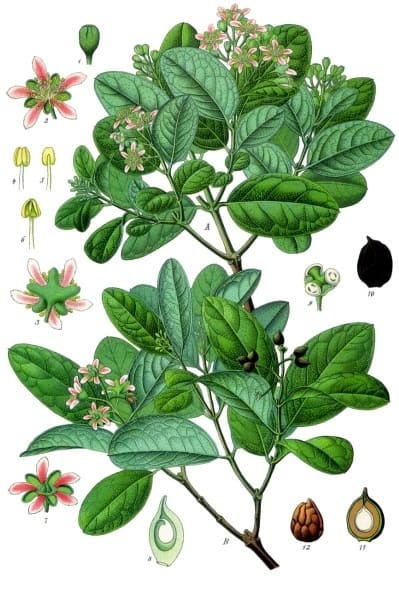 Boldo (Peumus boldus)Not for self-dosing
Boldo is a strongly aromatic multi-branched evergreen shrub or tree growing to 20 feet. It has egg-shaped leathery leaves with a lemony scent, clusters of white or yellow bell-shaped flowers, and small yellow berries. Native to Chile and Peru, it has become naturalized in the Mediterranean region and the West Coast of North America, where it grows on dry sunny slopes and in mountain pastures in the Andes. It is widely cultivated, and its leaves are gathered throughout the year. Boldo is a valued remedy in Latin American herbal medicine and is used by the Araucanian people in Chile as a tonic.
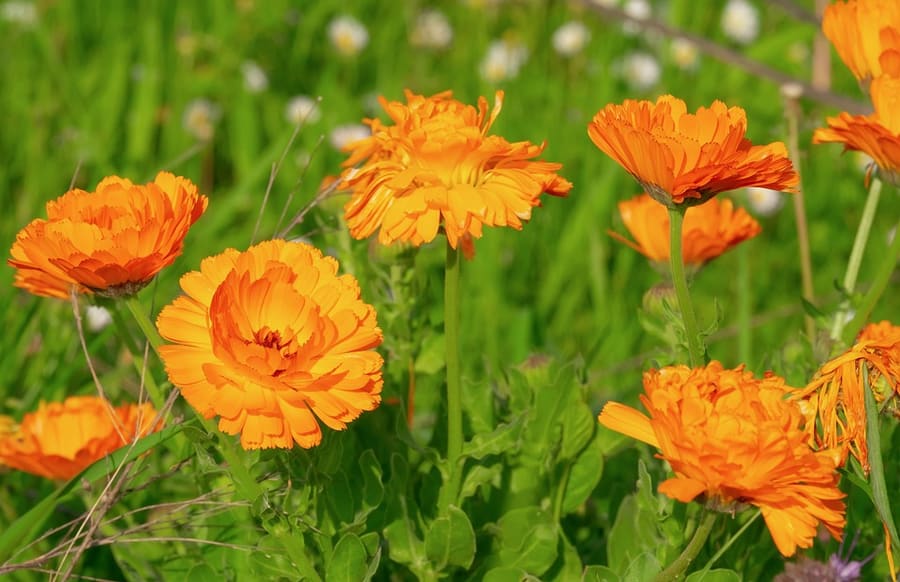 Calendula (Calendula officinalis)
Calendula (Calendula officinalis), with its bright orange daisy-like flowers, is among the most versatile herbs in Western herbal medicine. Its petals contain antiseptic, anti-inflammatory, and vulnerary properties, making it excellent for speeding tissue repair in wounds, burns, bruises, and various skin irritations. Calendula is also used internally for gastrointestinal inflammation (e.g., Crohn’s disease, colitis, gastritis).
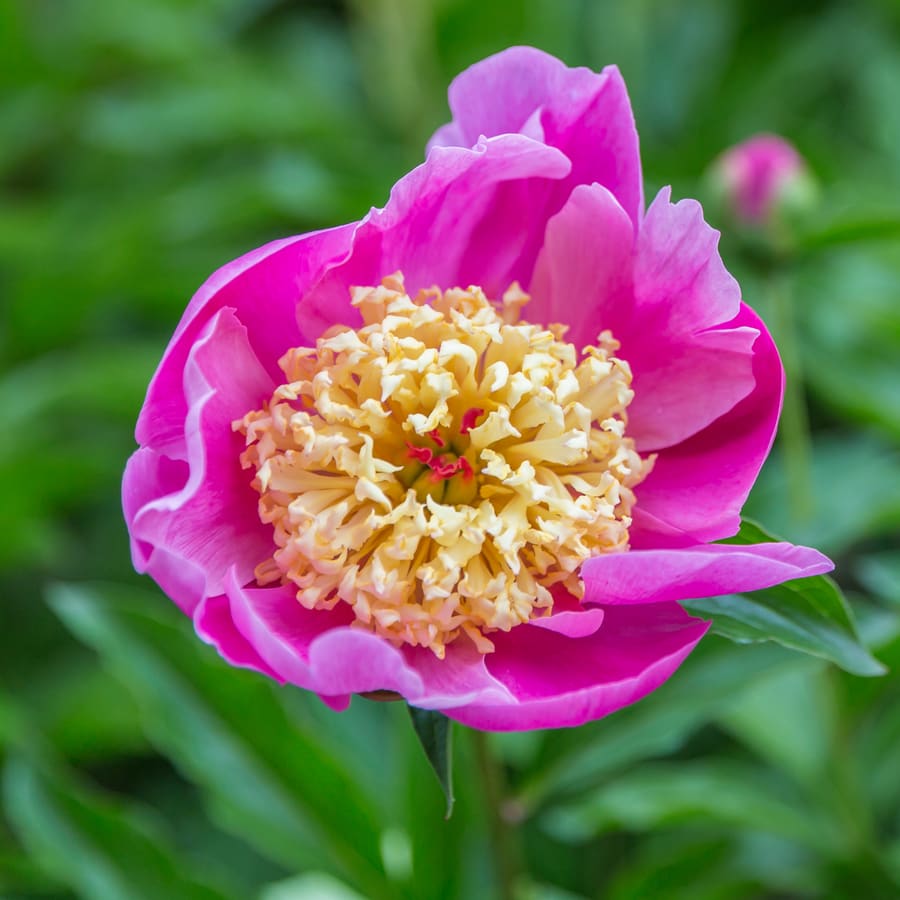 Chinese Peony / White Peony (Paeonia lactiflora)
White peony is an upright perennial growing to 6.5 feet with large white flowers and divided, dark green leaves. Its history of medicinal use in China stretches back at least 1,500 years, most notably as one of the herbs in 'Four Things Soup,' a renowned female tonic. Traditionally, it is believed that women who take the herb regularly become as radiant as the flower itself. The plant is cultivated throughout northeastern China and Inner Mongolia, propagated from seed in spring or from root cuttings in winter. The root of 4- or 5-year-old plants is harvested in spring or autumn and valued as a hormonal tonic.
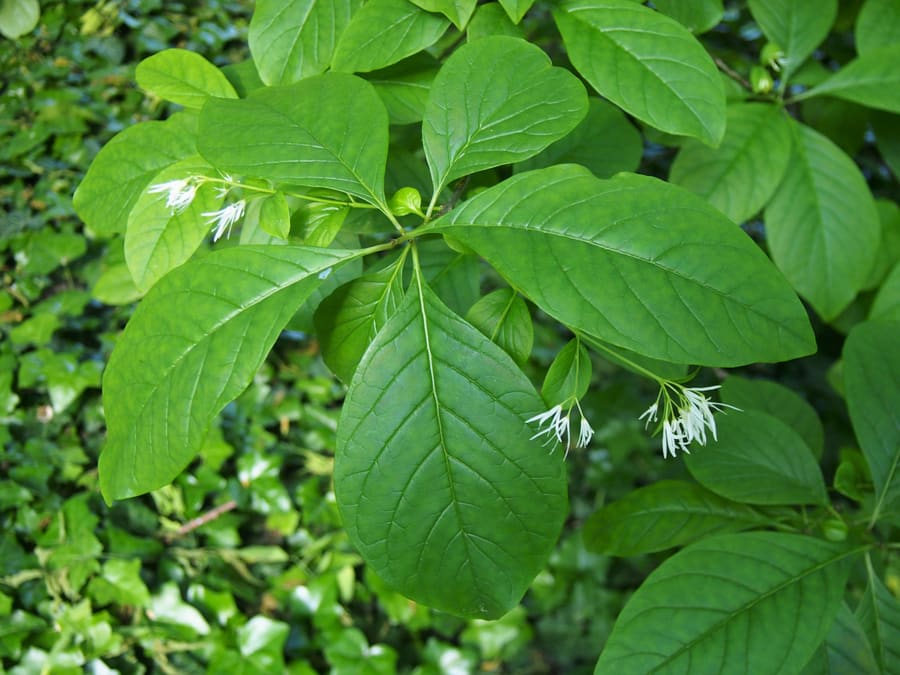 Fringe Tree (Chionanthus virginicus)
Fringe tree is a deciduous shrub or tree growing to 33 feet with elliptical dark green leaves, long flowering stems bearing spikes of white flowers, and dark blue oval fruits. Native to the United States and now also found in eastern Asia, it grows from Pennsylvania south to Florida and Texas and thrives on riverbanks and in damp shrubby areas. The root is unearthed in spring or autumn, mostly in Virginia and North Carolina. Native Americans and European settlers commonly used fringe tree to treat inflammations of the eye, canker sores, and spongy gums. The Choctaw of Louisiana applied the mashed bark to cuts and bruises, and Native Americans in Alabama used the bark for toothache. In the 19th-century Anglo-American Physiomedicalist tradition, it was valued as a bitter tonic and was often used to aid recovery from long-term illness.