
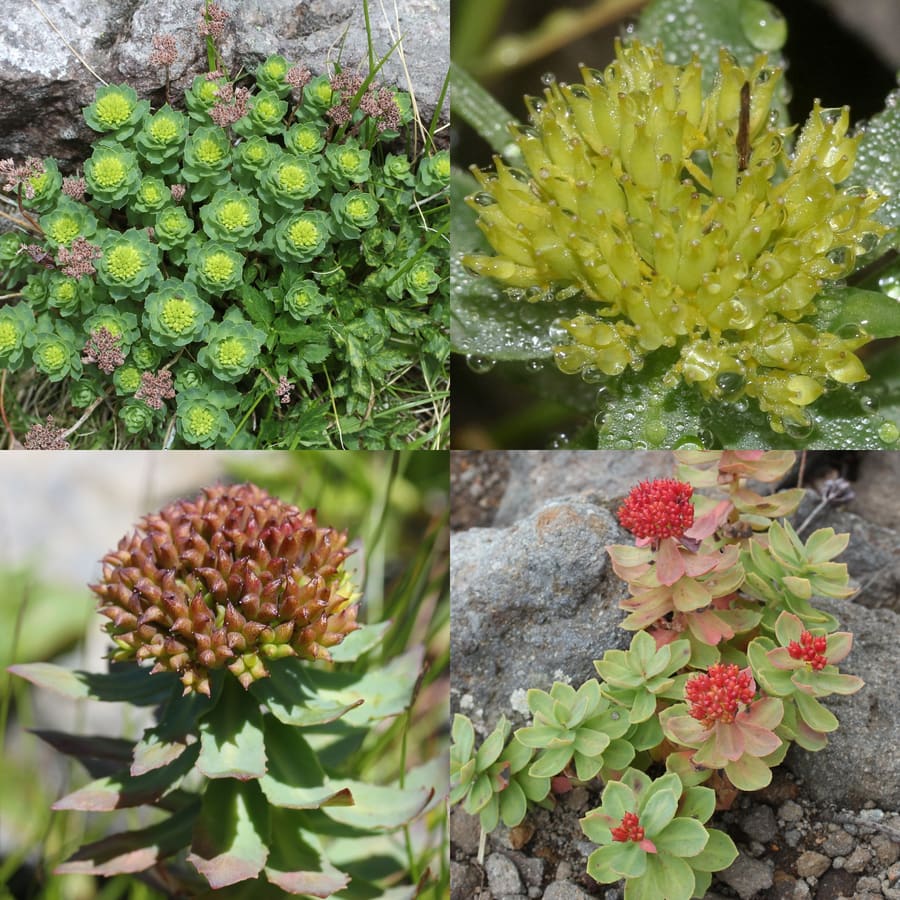
Rhodiola (Rhodiola rosea)
Photo: Alpsdake · CC BY-SA 4.0
- Mental
- 1 condition
- Licensed photo
Overview
Rhodiola (Rhodiola rosea) is a fleshy perennial (up to about 16 in / 40 cm tall) thriving in mountainous and Arctic regions. Its rose-scented roots contain adaptogenic compounds that help the body cope with various stressors, enhance mental clarity, and reduce fatigue, mild depression, and nervous exhaustion.
Traditional uses & properties
Adaptogen & Antidepressant: Improves resilience to physical/mental stress, can lift mild to moderate depressive symptoms. Brain Tonic: Research supports better focus, memory, and concentration under stressful conditions; non-addictive. Anti-Inflammatory: May reduce swelling, oxidative stress, and help with endurance or post-exercise recovery. Immunomodulatory: Claimed to enhance overall vitality and immune defense.
Traditional preparations
Traditional texts describe the preparations below, and where those texts give specific amounts, the amounts are quoted here as part of that record. This is a record of historical practice, not a dosage recommendation - the figures are what the sources say, not what HerbMate tells you to take. Amounts, potency, and safe use vary enormously by preparation, plant part, and person.
Take ½ tsp (2.5 ml) of tincture 2-3 times a day or as recommended by supplier.
Safety & precautions
Irritability & Sleep Disturbance: May occur if taken in large amounts or late in the day. Manic/Bipolar Disorders: Not advisable. General Safety: Usually well tolerated, but monitor for overstimulation.
Drug & food interactions
Rhodiola does not appear to affect the pharmacokinetics of theophylline or warfarin. The concurrent use of pepper may diminish the antidepressant effects of rhodiola.
- Food
- No interactions found.
- Warfarin
- The interaction between rhodiola and warfarin is based on experimental evidence only.
- Theophylline
- The interaction between rhodiola and theophylline is based on experimental evidence only.
- Herbal medicines; Pepper
- The interaction between rhodiola and warfarin is based on experimental evidence only.
These entries keep the wording of the reference they come from, and three phrases mean three different things. "No interactions found" means the source looked for reports of that pairing and found none. "No data found" means nothing has been published either way. "Based on experimental evidence only" means the effect has been seen in a laboratory or animal study but not in people - a reason for caution, not a report of harm.
Habitat
Indigenous to cold, high-altitude areas of the northern hemisphere (Scandinavia, Russia, Canada, etc.), rhodiola is mostly wild-collected, though it’s now cultivated in parts of Canada, Norway, and Finland.
Traditionally used for
Each condition shows its first 2 remedies free. Premium opens the full remedy list for every condition - or come back for the free Condition of the Day.
Frequently asked questions
What is Rhodiola (Rhodiola rosea) traditionally used for?
Traditional sources describe Rhodiola (Rhodiola rosea) as follows: Adaptogen & Antidepressant: Improves resilience to physical/mental stress, can lift mild to moderate depressive symptoms. Brain Tonic: Research supports better focus, memory, and concentration under stressful conditions; non-addictive. Anti-Inflammatory: May reduce swelling, oxidative stress, and help with endurance or post-exercise recovery. Immunomodulatory: Claimed to enhance overall vitality and immune defense.
How is Rhodiola (Rhodiola rosea) prepared?
Traditional texts describe the preparations below, and where those texts give specific amounts, the amounts are quoted here as part of that record. This is a record of historical practice, not a dosage recommendation - the figures are what the sources say, not what HerbMate tells you to take. Amounts, potency, and safe use vary enormously by preparation, plant part, and person. Memory Support: Take ½ tsp (2.5 ml) of tincture 2-3 times a day or as recommended by supplier.
What safety cautions apply to Rhodiola (Rhodiola rosea)?
Irritability & Sleep Disturbance: May occur if taken in large amounts or late in the day. Manic/Bipolar Disorders: Not advisable. General Safety: Usually well tolerated, but monitor for overstimulation.
Related herbs
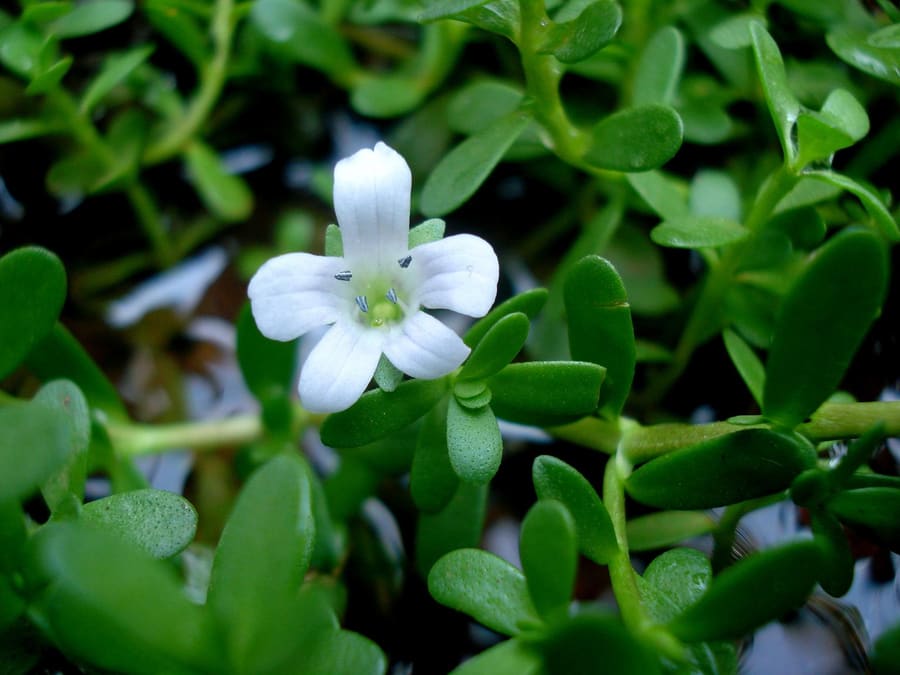 Bacopa (Bacopa monnieri)
Bacopa, also known as Water Hyssop or Brahmi, is a creeping succulent perennial that can grow to about 20 inches. It features spatula-shaped fleshy leaves and pale blue or white flowers on slender stalks. Thriving in marshlands and along the edges of mangrove swamps in warmer temperate and tropical climates - especially southern Asia - it develops into dense mats on mudflats. This herb has been a cornerstone of Ayurvedic medicine for supporting cognitive function and treating various nervous system disorders, and it is increasingly recognized in Western herbalism for its brain-enhancing properties.
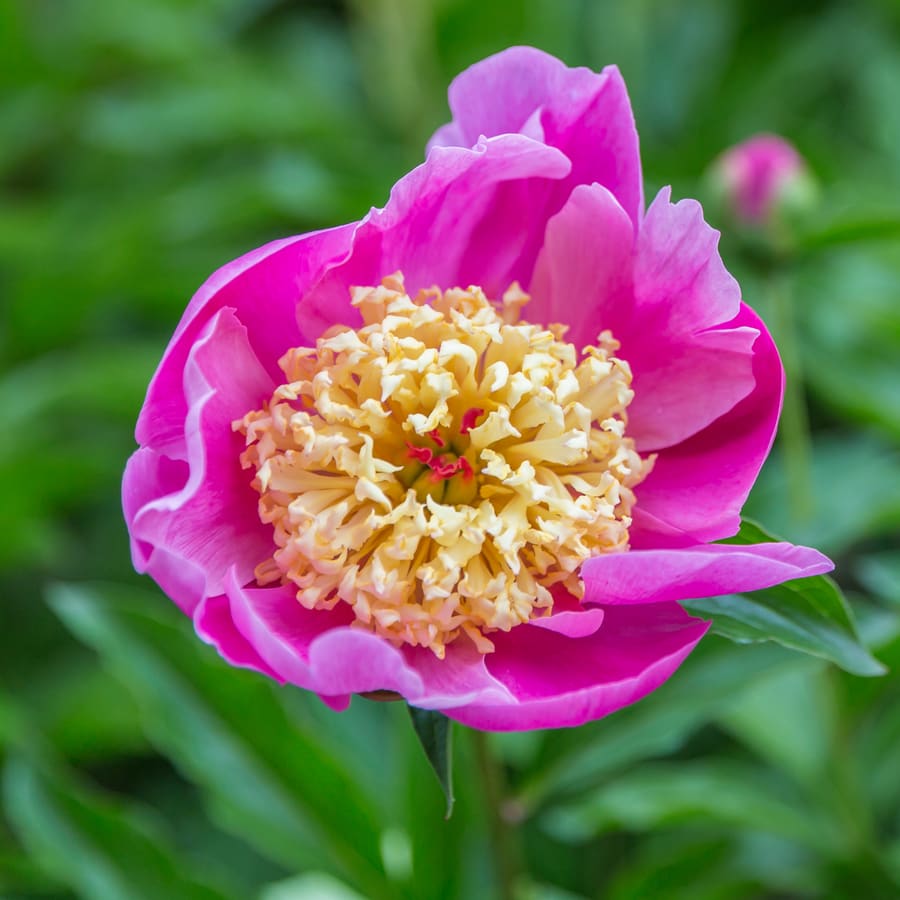 Chinese Peony / White Peony (Paeonia lactiflora)
White peony is an upright perennial growing to 6.5 feet with large white flowers and divided, dark green leaves. Its history of medicinal use in China stretches back at least 1,500 years, most notably as one of the herbs in 'Four Things Soup,' a renowned female tonic. Traditionally, it is believed that women who take the herb regularly become as radiant as the flower itself. The plant is cultivated throughout northeastern China and Inner Mongolia, propagated from seed in spring or from root cuttings in winter. The root of 4- or 5-year-old plants is harvested in spring or autumn and valued as a hormonal tonic.
 Ginkgo (Ginkgo biloba)
Ginkgo (Ginkgo biloba) is a distinctive, long-lived deciduous tree that can grow up to about 100 ft (30 m). It has fan-shaped leaves with radiating veins, often turning bright yellow in autumn. Ginkgo is widely revered for its benefits to circulation, especially in the brain, where it can help improve memory, concentration, and support cognitive function.
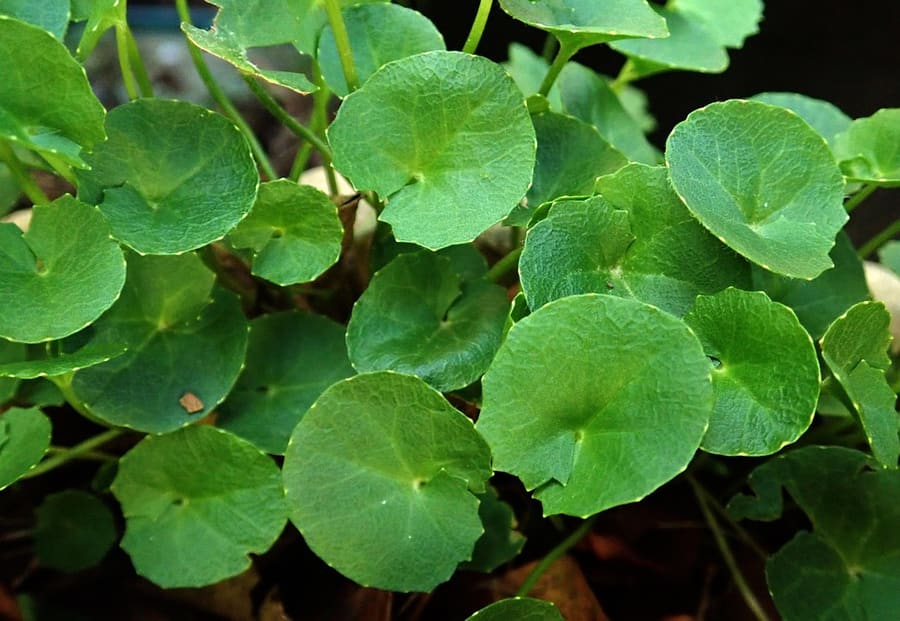 Gotu Kola (Centella asiatica)
Gotu kola (Centella asiatica), also known as Hydrocotyle asiatica, is a creeping perennial reaching up to about 20 in (50 cm). It sports fan-shaped leaves, often used in salads across parts of India. Traditionally prized for promoting wound healing and improving nervous system function, it is considered both a cleansing herb for the skin and a reviving tonic for cognitive and nervous issues.
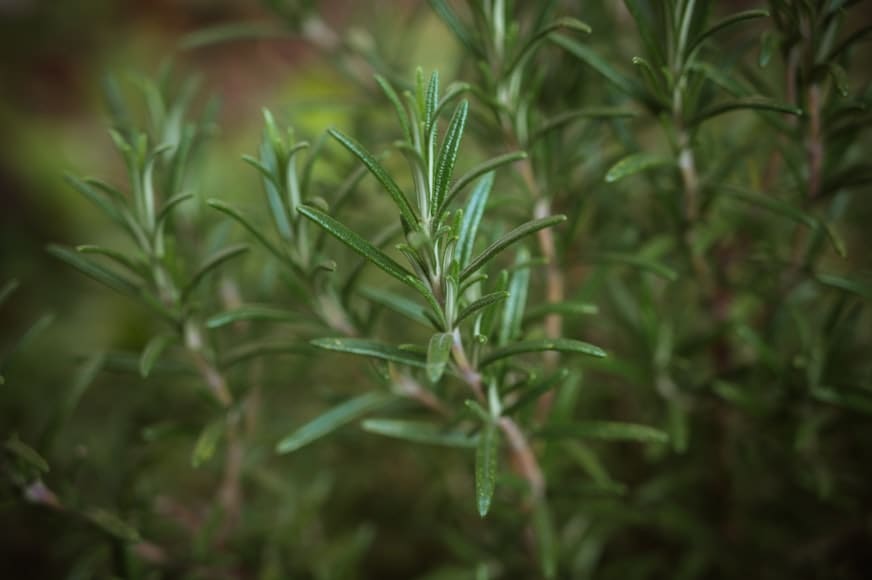 Rosemary (Rosmarinus officinalis)
Rosemary (Rosmarinus officinalis) is an aromatic evergreen shrub, commonly growing to about 6½ ft (2 m), with narrow, pinelike leaves and small, pale blue flowers. Known for its distinctive flavor in Mediterranean cuisine, rosemary is also a prized medicinal herb that supports memory, circulation, and digestion. Its mildly bitter, warming quality has a long history of invigorating and uplifting properties.