
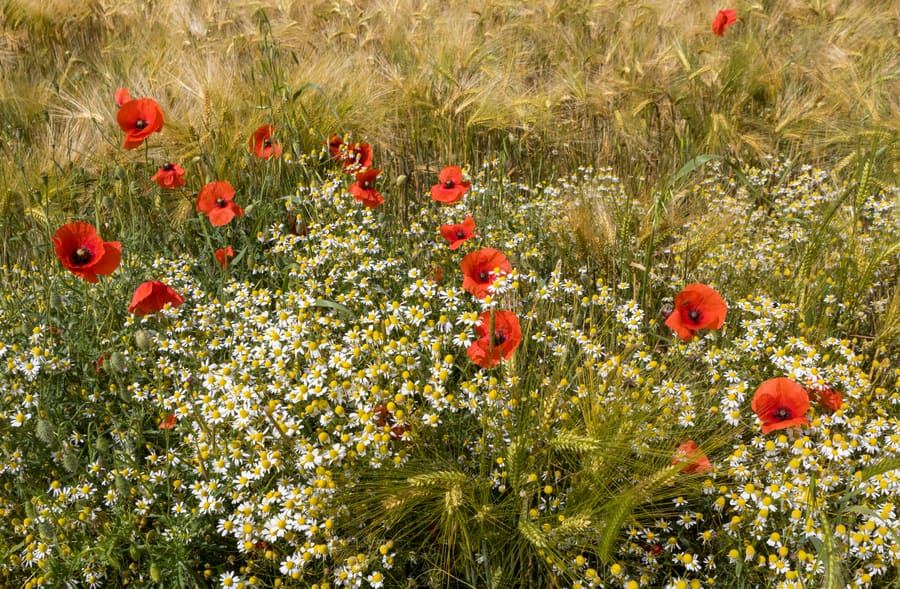
German Chamomile (Chamomilla recutita)
Photo: JackyM59 · CC BY-SA 4.0
- Digestive
- 1 condition
- Licensed photo
Overview
German chamomile (Matricaria recutita) is a sweetly aromatic annual, growing to about 2 ft (60 cm), featuring finely cut leaves and small, daisy-like flower heads with white petals and a yellow center. It has a slightly bitter, apple-like taste. Revered for its calming and anti-inflammatory properties, German chamomile is especially helpful for digestive complaints, nervous tension, and skin irritations.
Traditional uses & properties
Anti-Inflammatory & Antiallergenic: Chamomile reduces inflammation both internally (e.g., gastritis, colitis) and externally (e.g., sore nipples, eczema). Antispasmodic & Relaxant: Eases indigestion, acidity, colic, and menstrual cramps; helps relieve muscle tension and irritability. Carminative & Digestive Tonic: Useful for gas, bloating, ulcers, and irritable bowel syndrome; safe for children’s colic, teething, and fevers. Nervine: Calms nervous irritability, helps promote restful sleep, especially in children. Cooling & Relaxing: Relieves mild fevers in children when combined with other herbs like elderflower, peppermint, and yarrow.
Traditional preparations
Traditional texts describe the preparations below, and where those texts give specific amounts, the amounts are quoted here as part of that record. This is a record of historical practice, not a dosage recommendation - the figures are what the sources say, not what HerbMate tells you to take. Amounts, potency, and safe use vary enormously by preparation, plant part, and person.
Make a tincture and take 1 tsp diluted with 1/2 cup (100ml) of water 3 times per day.
Safety & precautions
Allergies: Some individuals may experience allergic reactions (e.g., dermatitis) more often than with many other herbs. Essential Oil: Avoid internal use unless professionally supervised; do not use topically during pregnancy. Blood-Thinning Medications: Seek professional guidance if also taking anticoagulants.
Drug & food interactions
An isolated case of bleeding in a patient taking warfarin and using chamomile products has been reported. No other relevant drug interactions have been found for German chamomile.
- Food
- No interactions found.
- Warfarin
- A single case report describes a woman stabilised on warfarin who developed a marked increase in her INR with bleeding complications 5 days after she started using two chamomile products. A 70-year-old woman stabilised on warfarin with an INR of 3.6 started drinking 4 to 5 cups of chamomile tea (an infusion of Matricaria chamomilla) daily for chest congestion, and using a chamomile-based skin lotion 4 to 5 times daily for foot oedema. About 5 days later she developed ecchymoses and was found to have an INR of 7.9, a retroperitoneal haematoma and other internal haemorrhages.
- Iron compounds
- Chamomile tea (an infusion of Matricaria chamomilla) does not appear to affect iron absorption.
- Herbal medicines
- No interactions found.
These entries keep the wording of the reference they come from, and three phrases mean three different things. "No interactions found" means the source looked for reports of that pairing and found none. "No data found" means nothing has been published either way. "Based on experimental evidence only" means the effect has been seen in a laboratory or animal study but not in people - a reason for caution, not a report of harm.
Habitat
Found throughout much of Europe and other temperate areas, German chamomile seeds are sown in spring or autumn. The flower heads, which contain the highest concentration of active constituents, are harvested in summer at full bloom.
Traditionally used for
Each condition shows its first 2 remedies free. Premium opens the full remedy list for every condition - or come back for the free Condition of the Day.
Frequently asked questions
What is German Chamomile (Chamomilla recutita) traditionally used for?
Traditional sources describe German Chamomile (Chamomilla recutita) as follows: Anti-Inflammatory & Antiallergenic: Chamomile reduces inflammation both internally (e.g., gastritis, colitis) and externally (e.g., sore nipples, eczema). Antispasmodic & Relaxant: Eases indigestion, acidity, colic, and menstrual cramps; helps relieve muscle tension and irritability. Carminative & Digestive Tonic: Useful for gas, bloating, ulcers, and irritable bowel syndrome; safe for children’s colic, teething, and fevers. Nervine: Calms nervous irritability, helps promote restful sleep, especially in children. Cooling & Relaxing: Relieves mild fevers in children when combined with other herbs like elderflower, peppermint, and yarrow.
How is German Chamomile (Chamomilla recutita) prepared?
Traditional texts describe the preparations below, and where those texts give specific amounts, the amounts are quoted here as part of that record. This is a record of historical practice, not a dosage recommendation - the figures are what the sources say, not what HerbMate tells you to take. Amounts, potency, and safe use vary enormously by preparation, plant part, and person. Irritable Bowel Syndrome: Make a tincture and take 1 tsp diluted with 1/2 cup (100ml) of water 3 times per day.
What safety cautions apply to German Chamomile (Chamomilla recutita)?
Allergies: Some individuals may experience allergic reactions (e.g., dermatitis) more often than with many other herbs. Essential Oil: Avoid internal use unless professionally supervised; do not use topically during pregnancy. Blood-Thinning Medications: Seek professional guidance if also taking anticoagulants.
Related herbs
 Caraway (Carum carvi)
Caraway is an aromatic annual herb growing to 2 feet with a ridged stem, feathery leaves, and umbels of white flowers in midsummer. Exploding capsules release two small narrow seeds. It grows wild in Europe, North Africa, and Asia, preferring sunny sites up to 6,600 feet above sea level. Cultivated in Europe, Russia, North Africa, and the United States, the seeds are harvested ripe in late summer. Caraway has been valued since ancient times for its digestive and respiratory benefits, and the seeds are commonly used in cooking.
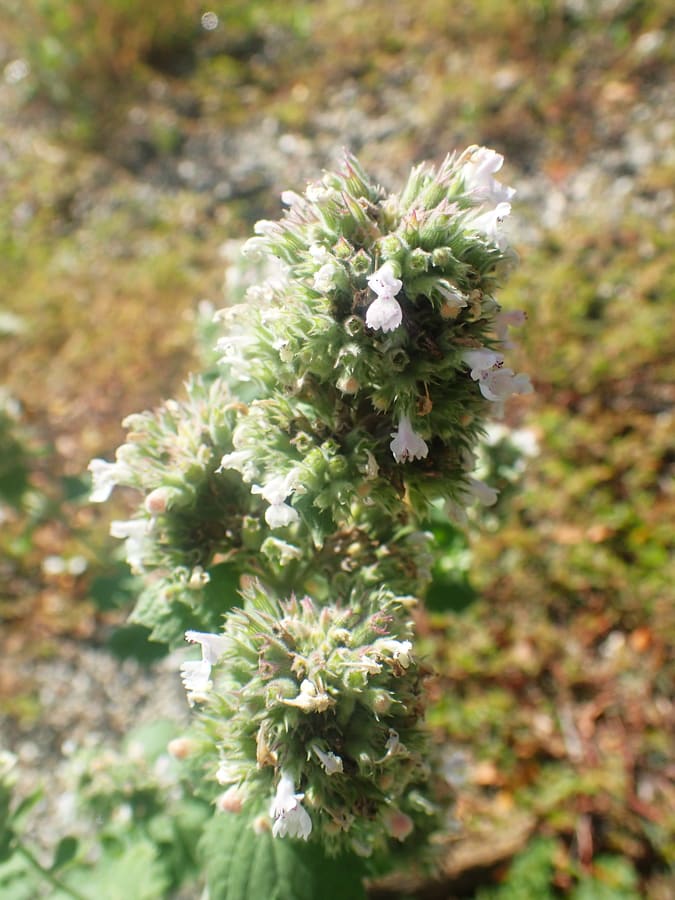 Catnip (Nepeta cataria)
Catnip is a downy, aromatic perennial growing to 3 feet with heart-shaped, gray-green leaves and whorls of white flowers marked with purple spots. Native to Europe and naturalized in North America, it grows in dry wayside places and mountainous regions up to altitudes of 5,000 feet. The plant is gathered when in flower during summer and autumn. Its name comes from the Norse word 'dylla,' meaning 'to soothe,' reflecting its calming properties. Catnip has an excitatory effect on cats but a sedative effect on humans.
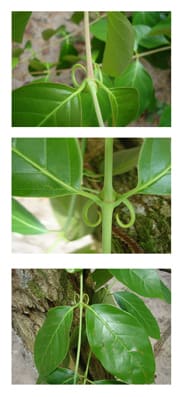 Cat's Claw (Uncaria tomentosa)
Cat's claw is a climbing vine that can grow to 100 feet or more, with stems up to 8 inches in diameter, large glossy leaves, and sharp hooks resembling a cat's claws. Native to tropical rainforests in the central and eastern Andes - especially Peru, Ecuador, and Colombia - it has also been found in Guatemala, Costa Rica, and Panama. Known by the Ashaninka and other indigenous peoples of central Peru for its power in regulating illness, it has been used since ancient times to treat serious conditions ranging from asthma and diabetes to arthritis and cancer. By the early 1990s, over-collection from the wild threatened the species' survival; only sustainably sourced stem bark should be used, rather than root bark.
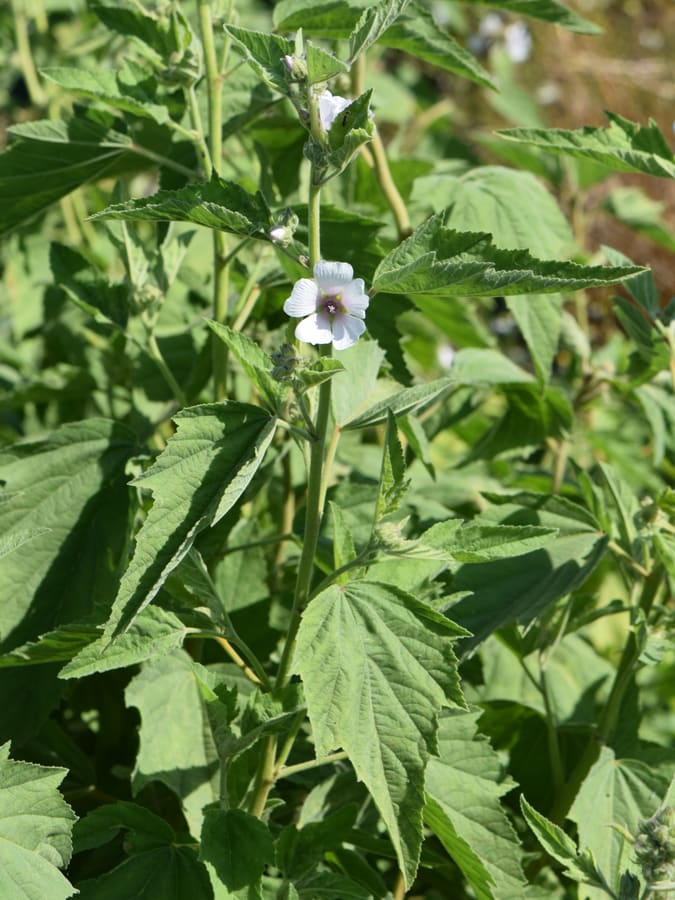 Marshmallow (Althaea officinalis)
Marshmallow (Althaea officinalis) is a downy perennial up to about 7 ft (2.2 m), with thick white roots, heart-shaped leaves, and pink flowers. Known for its high mucilage content, marshmallow soothes inflamed mucous membranes, including those in the respiratory, urinary, and digestive systems.
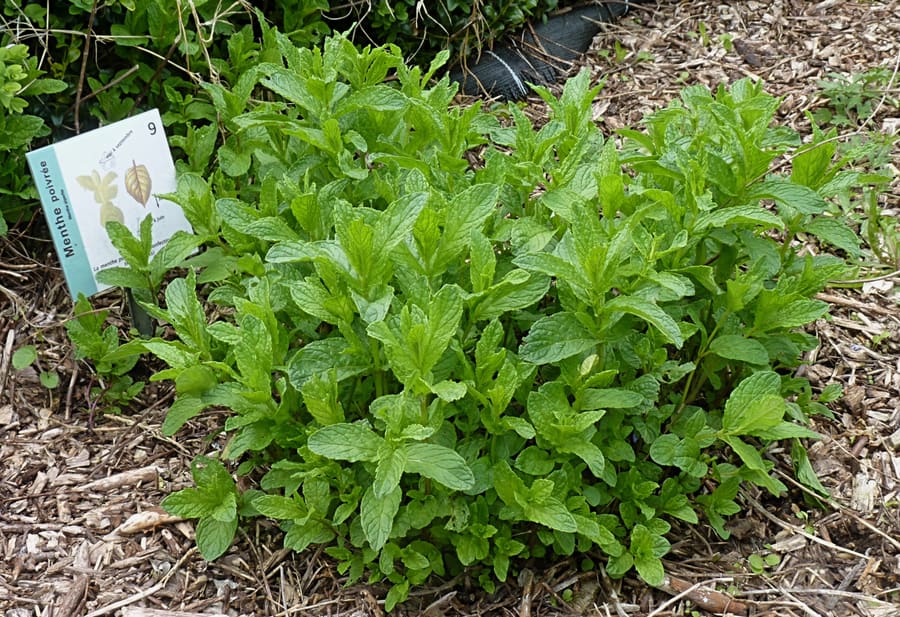 Peppermint (Mentha x piperita)
Peppermint (Mentha × piperita) is a fast-growing, square-stemmed herb (commonly about 32 in / 80 cm tall), with lanceolate, serrated leaves and purplish flowers. A natural hybrid of watermint and spearmint, peppermint is renowned for its cooling, aromatic flavor and its therapeutic benefits in alleviating digestive and respiratory complaints.
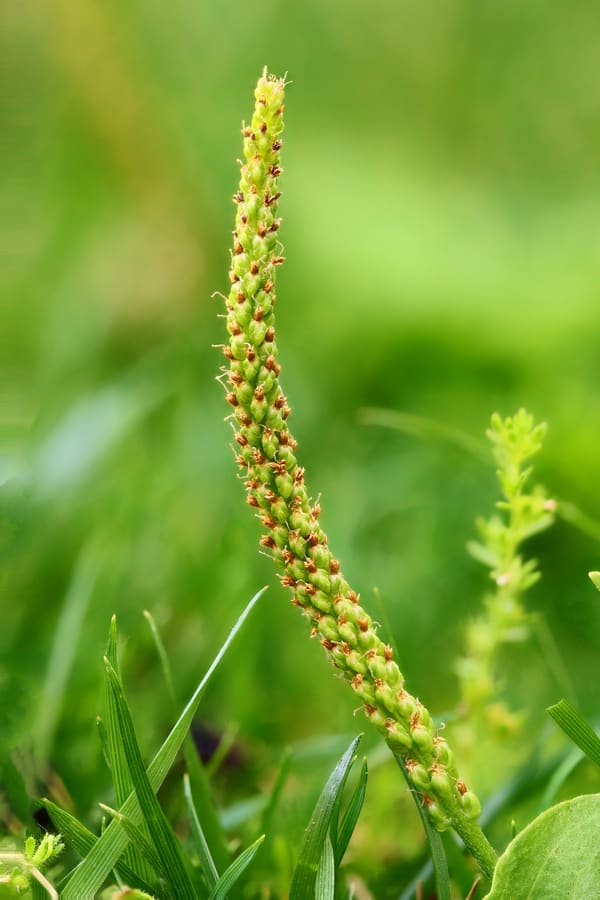 Plantain (Plantago major)
Common plantain (Plantago major) is a low-growing perennial reaching up to about 10 in (25 cm), forming a rosette of broad, ribbed leaves and spikes of tiny green flowers. Often regarded as a garden weed, plantain’s leaves are rich in iridoids, flavonoids, mucilage, and tannins, making them potent for wound care and internal soothing of mucous membranes.
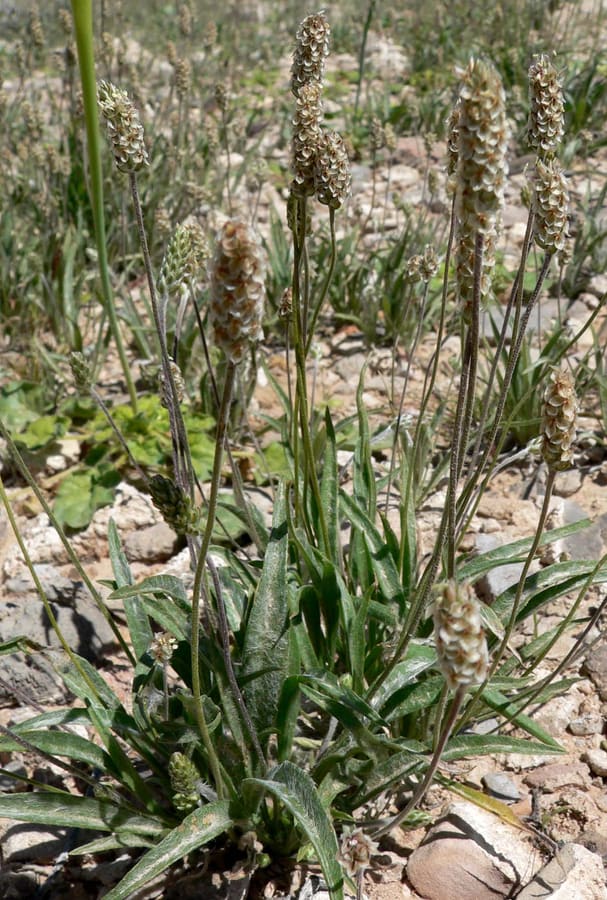 Psyllium (Plantago ovata)
Psyllium, also known as flea seed due to its small brown appearance, is produced by several Plantago species. It has been used as a safe and effective laxative for thousands of years across Europe, North Africa, and Asia. The seeds and husks have a bland taste and develop a jellylike consistency when moistened due to their high mucilage content. The plants are extensively cultivated, especially in India, and propagated from seed in spring. Seeds are harvested when ripe in late summer and early autumn.
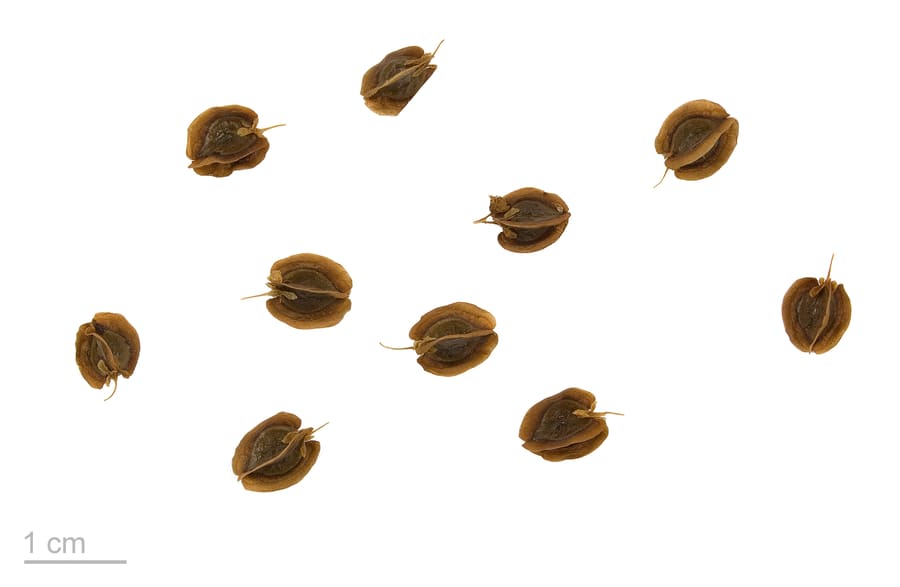 Chinese Rhubarb (Rheum palmatum)
Chinese rhubarb (Rheum palmatum) is a thick-rhizomed perennial, growing up to 10 ft (3 m) tall, with large, palmate leaves and small flowers. Known in Chinese medicine for over 2,000 years, it has a paradoxical effect on the bowels: stimulating in large doses, yet gently astringent and constipating in small doses. The rhizome also aids digestion, helps counter inflammation, and has anti-ulcer and antibacterial actions.