
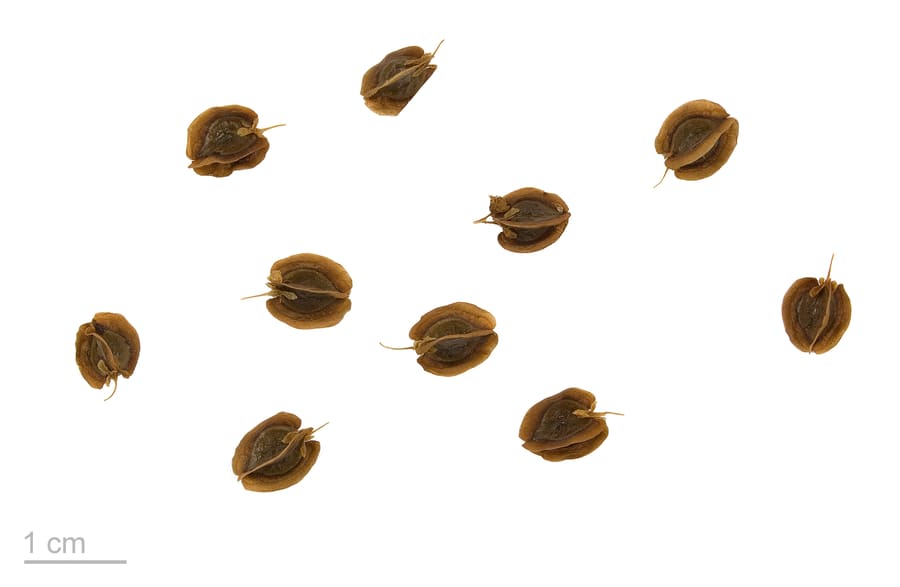
Chinese Rhubarb (Rheum palmatum)
Photo: Roger Culos · CC BY-SA 3.0
- Digestive
- 5 conditions
- Licensed photo
Overview
Chinese rhubarb (Rheum palmatum) is a thick-rhizomed perennial, growing up to 10 ft (3 m) tall, with large, palmate leaves and small flowers. Known in Chinese medicine for over 2,000 years, it has a paradoxical effect on the bowels: stimulating in large doses, yet gently astringent and constipating in small doses. The rhizome also aids digestion, helps counter inflammation, and has anti-ulcer and antibacterial actions.
Traditional uses & properties
Laxative & Bitter Tonic: Large doses remedy constipation; small doses ease diarrhea and inflammatory GI conditions. Anti-Inflammatory & Astringent: Beneficial for stomach ulcers, mouth ulcers, and external application on boils or burns. Anthraquinones & Tannins: Provide an irritant/purgative effect while also exerting an astringent action, illustrating complex synergy. Protective: Some studies suggest anticancer potential and broad antibiotic properties, including activity against Helicobacter pylori.
Safety & precautions
Pregnancy & Nursing: Avoid due to its stimulant and potential toxic effects in large doses. Children: Not suitable; can be harsh on digestion. Kidney Stones & Gout: High oxalic acid content can aggravate these conditions.
Drug & food interactions
Interaction data is not available for this herb - talk to a pharmacist before combining it with any medication. A blank entry here means we have not documented interactions, not that none exist.
Habitat
Native to China and Tibet, the plant is cultivated and found in the wild. Seeds are sown in spring, rhizomes are harvested in autumn after 6-10 years of growth once leaves yellow.
Traditionally used for
- Constipation13 herbs · 2 free
- Indigestion24 herbs · 2 free
- Irritable Bowel Syndrome11 herbs · 2 free
- Ulcers15 herbs · 2 free
- Psoriasis5 herbs · 2 free
Each condition shows its first 2 remedies free. Premium opens the full remedy list for every condition - or come back for the free Condition of the Day.
Frequently asked questions
What is Chinese Rhubarb (Rheum palmatum) traditionally used for?
Traditional sources describe Chinese Rhubarb (Rheum palmatum) as follows: Laxative & Bitter Tonic: Large doses remedy constipation; small doses ease diarrhea and inflammatory GI conditions. Anti-Inflammatory & Astringent: Beneficial for stomach ulcers, mouth ulcers, and external application on boils or burns. Anthraquinones & Tannins: Provide an irritant/purgative effect while also exerting an astringent action, illustrating complex synergy. Protective: Some studies suggest anticancer potential and broad antibiotic properties, including activity against Helicobacter pylori.
What safety cautions apply to Chinese Rhubarb (Rheum palmatum)?
Pregnancy & Nursing: Avoid due to its stimulant and potential toxic effects in large doses. Children: Not suitable; can be harsh on digestion. Kidney Stones & Gout: High oxalic acid content can aggravate these conditions.
Related herbs
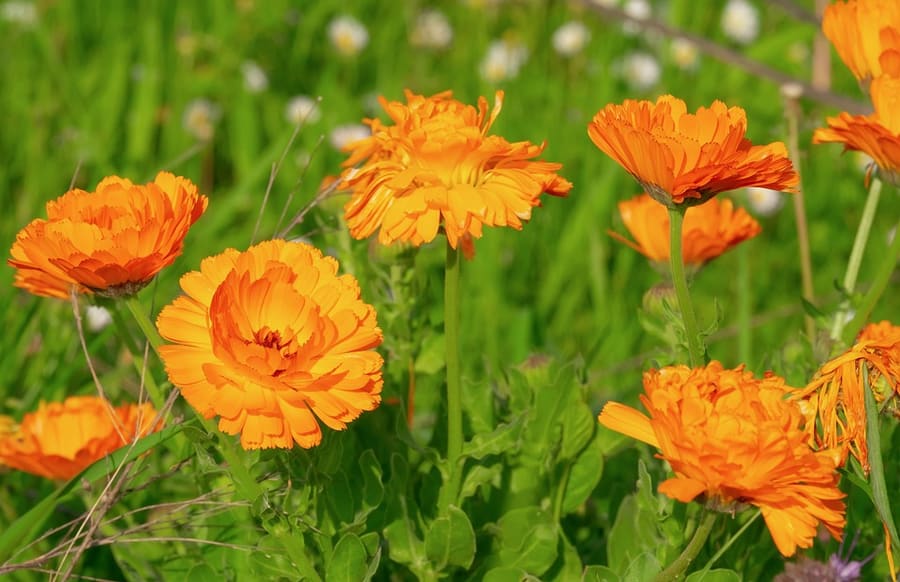 Calendula (Calendula officinalis)
Calendula (Calendula officinalis), with its bright orange daisy-like flowers, is among the most versatile herbs in Western herbal medicine. Its petals contain antiseptic, anti-inflammatory, and vulnerary properties, making it excellent for speeding tissue repair in wounds, burns, bruises, and various skin irritations. Calendula is also used internally for gastrointestinal inflammation (e.g., Crohn’s disease, colitis, gastritis).
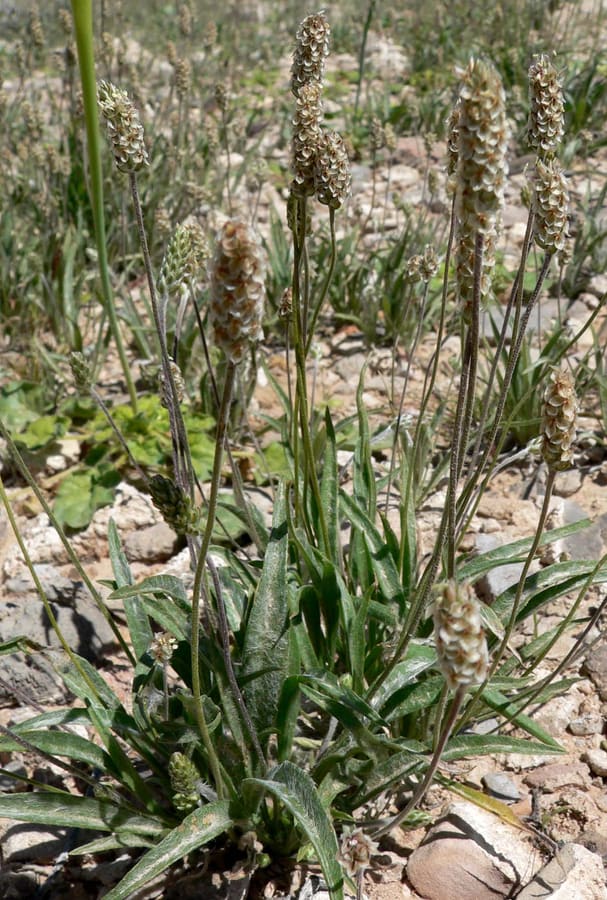 Psyllium (Plantago ovata)
Psyllium, also known as flea seed due to its small brown appearance, is produced by several Plantago species. It has been used as a safe and effective laxative for thousands of years across Europe, North Africa, and Asia. The seeds and husks have a bland taste and develop a jellylike consistency when moistened due to their high mucilage content. The plants are extensively cultivated, especially in India, and propagated from seed in spring. Seeds are harvested when ripe in late summer and early autumn.
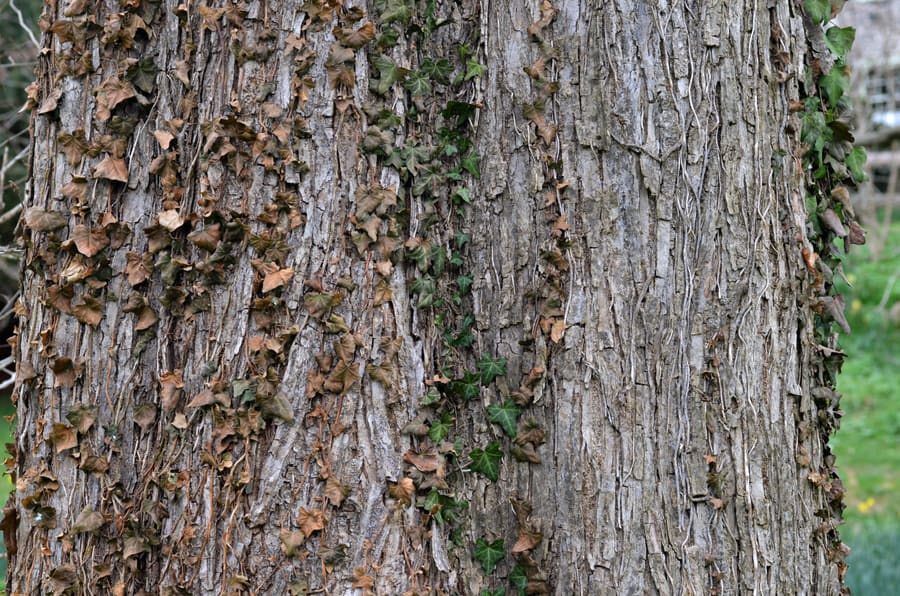 Slippery Elm (Ulmus rubra)
Slippery elm (Ulmus rubra) is a large tree native to the eastern U.S. and Canada. The medicinal part is the inner bark, prized for its high mucilage content. When soaked in water, it turns “slippery,” coating and soothing inflamed tissues in the mouth, throat, stomach, and intestines.
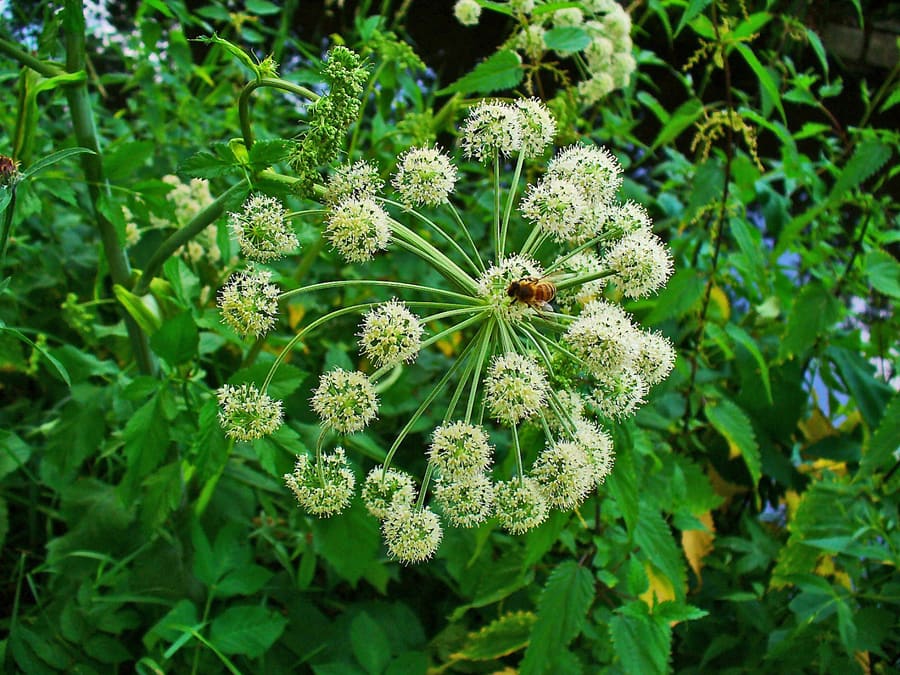 Angelica (angelica archangelica)
Angelica (Angelica archangelica) is a large, aromatic biennial herb growing up to about 6½ ft (2 m), with ridged hollow stems, bright green divided leaves, and greenish-white flowers arranged in umbrella-like clusters (umbels). It has a warm, tonic character and is often compared to dong quai (Chinese angelica) for its usefulness in supporting women’s health and circulation. Traditional sources note its warming action on the stomach, spleen, and intestines.
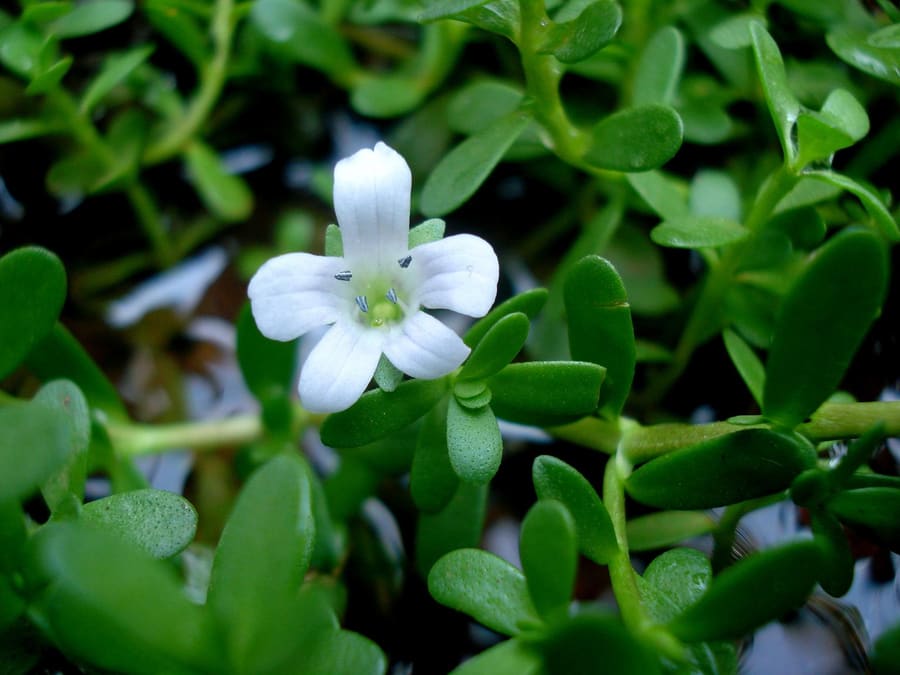 Bacopa (Bacopa monnieri)
Bacopa, also known as Water Hyssop or Brahmi, is a creeping succulent perennial that can grow to about 20 inches. It features spatula-shaped fleshy leaves and pale blue or white flowers on slender stalks. Thriving in marshlands and along the edges of mangrove swamps in warmer temperate and tropical climates - especially southern Asia - it develops into dense mats on mudflats. This herb has been a cornerstone of Ayurvedic medicine for supporting cognitive function and treating various nervous system disorders, and it is increasingly recognized in Western herbalism for its brain-enhancing properties.
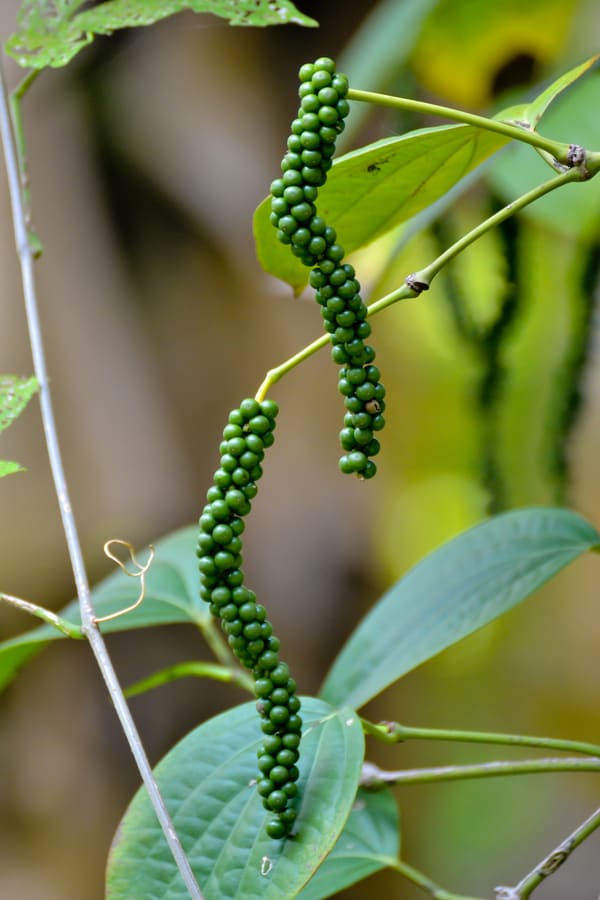 Black Pepper (Piper nigrum)
Black pepper is a perennial woody climbing vine growing to about 16 feet, with large oval leaves, spikes of small white flowers, and clusters of small round fruits that ripen from green to red. Native to southwestern India and now cultivated in tropical areas worldwide, the fruit is harvested from plants that are at least three years old. Different processing methods yield green, black, red, and white peppercorns, each with distinct flavors and uses. Cultivated as both a spice and medicine since ancient times, pepper was such a prized commodity in world trade that Attila the Hun reportedly demanded 3,000 pounds of it as ransom during his siege of Rome in 408 CE.
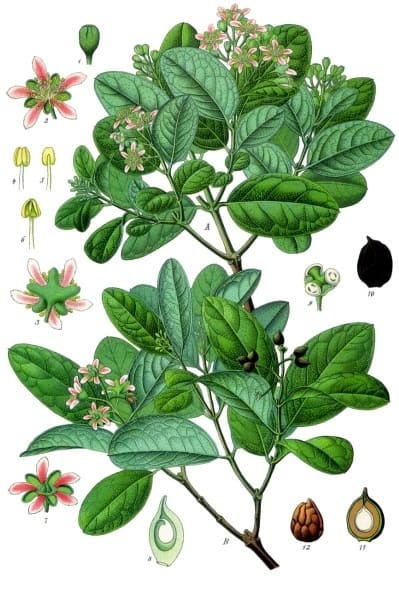 Boldo (Peumus boldus)Not for self-dosing
Boldo is a strongly aromatic multi-branched evergreen shrub or tree growing to 20 feet. It has egg-shaped leathery leaves with a lemony scent, clusters of white or yellow bell-shaped flowers, and small yellow berries. Native to Chile and Peru, it has become naturalized in the Mediterranean region and the West Coast of North America, where it grows on dry sunny slopes and in mountain pastures in the Andes. It is widely cultivated, and its leaves are gathered throughout the year. Boldo is a valued remedy in Latin American herbal medicine and is used by the Araucanian people in Chile as a tonic.
 Caraway (Carum carvi)
Caraway is an aromatic annual herb growing to 2 feet with a ridged stem, feathery leaves, and umbels of white flowers in midsummer. Exploding capsules release two small narrow seeds. It grows wild in Europe, North Africa, and Asia, preferring sunny sites up to 6,600 feet above sea level. Cultivated in Europe, Russia, North Africa, and the United States, the seeds are harvested ripe in late summer. Caraway has been valued since ancient times for its digestive and respiratory benefits, and the seeds are commonly used in cooking.