
Herbs for Erectile Disfunction
6 herbs traditionally used for this condition.
- Saw Palmetto (Serenoa repens)
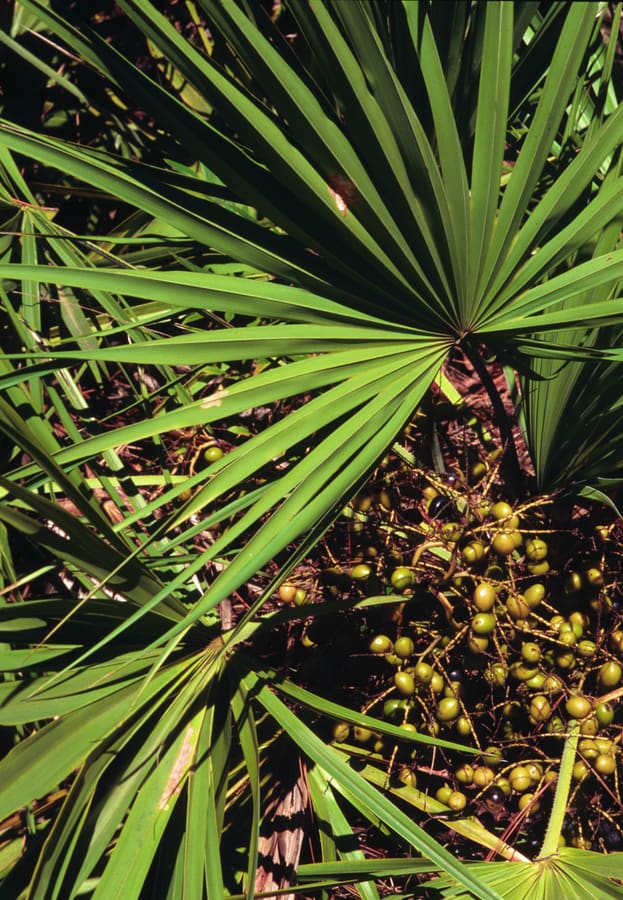
Saw palmetto (Serenoa repens), also known as Sabal serrulata, is a small, slow-growing palm (to about 20 ft / 6 m) bearing fan-like fronds and white flowers that develop into dark purple to black berries. Historically used by Native Americans as a tonic, saw palmetto has become renowned for supporting prostate health and urinary function.
- Ginseng (Panax ginseng)
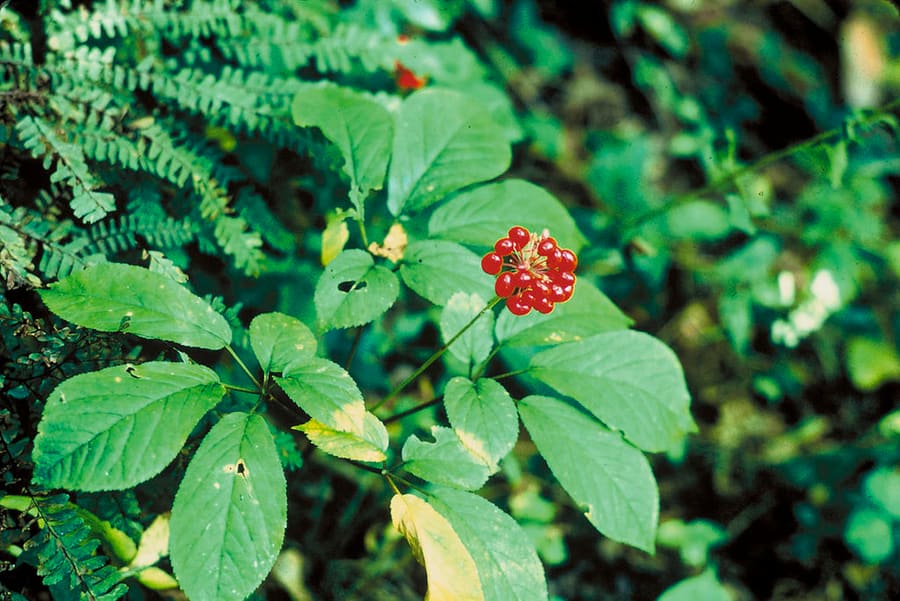
Asian or Korean ginseng (Panax ginseng) is a perennial reaching about 3 ft (1 m) in height, with toothed oval leaves and a cluster of small green-yellow flowers. Its root is legendary for its adaptogenic qualities, boosting energy and physical stamina, slowing aspects of aging, and fortifying the body against stress. Ginseng is considered more warming (especially red ginseng, which is steamed before drying) and thus suited for older, easily fatigued individuals who feel cold.
- Schisandra (Schisandra chinensis)
Schisandra (Schisandra chinensis), also known as wu wei zi (“5-flavored herb”), is a woody vine that can grow up to 26 ft (8 m). It has pink blossoms and clusters of bright red berries containing powerful adaptogenic, antioxidant, and liver-protective constituents.
- Ashwagandha (Withania somnifera)
Ashwagandha (Withania somnifera), sometimes called “Indian ginseng,” is a sturdy shrub growing to about 5 ft (1.5 m) with oval leaves, greenish or yellow flowers, and small, round fruits. A key herb in Ayurvedic medicine, it is valued for boosting vitality and aiding convalescence from chronic illnesses. It promotes relaxation, increases energy and muscle tone, and can support healthy thyroid hormone conversion from T4 to T3. Traditionally, ashwagandha is considered a “Rasáyana” (rejuvenator), used long-term to rebuild and regenerate body and mind.
- Shatavari (Asparagus racemosus)
Shatavari is a slender perennial fern that can grow up to 23 feet in height, featuring fronds of needle-like leaves, tiny white flowers, and purple-black berries. Known as the 'Queen of herbs' in Ayurvedic medicine, its name literally means '100 spouses,' reflecting its reputation as a sexual tonic and fertility promoter. The root is the medicinal part used. Native to the Himalayas and Indian subcontinent, it grows wild in gravelly soils up to 3,900 feet above sea level and is also found in western China.
- Tribulus (Tribulus terrestris)
Tribulus has a long history of use as a sexual tonic and vitality-restoring remedy. Modern herbalists employ tribulus as a restorative tonic to support the male reproductive system and enhance overall health and stamina. The fruit of the plant is the primary medicinal part used.