
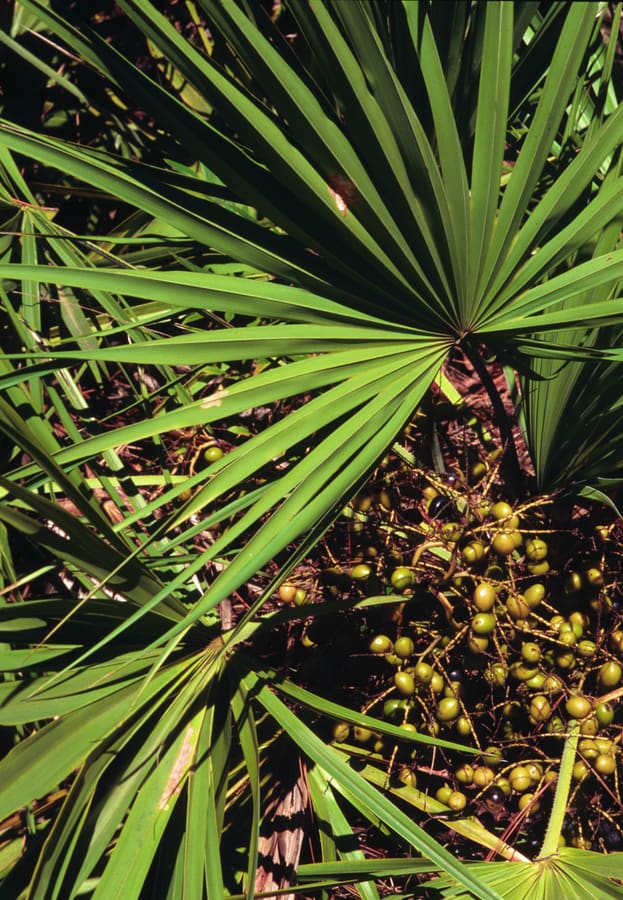
Saw Palmetto (Serenoa repens)
Photo: Ted Bodner, Southern Weed Science Society, United States · CC BY 3.0 us
- Male Reproductive
- 2 conditions
- Licensed photo
Overview
Saw palmetto (Serenoa repens), also known as Sabal serrulata, is a small, slow-growing palm (to about 20 ft / 6 m) bearing fan-like fronds and white flowers that develop into dark purple to black berries. Historically used by Native Americans as a tonic, saw palmetto has become renowned for supporting prostate health and urinary function.
Traditional uses & properties
Prostate Tonic: The berries help reduce symptoms of benign prostatic hyperplasia (BPH) by supporting urinary flow and reducing gland inflammation. Mild Diuretic & Anti-Inflammatory: Aids urine flow, alleviates pelvic congestion, and can help with mild fluid retention. Digestive Tonic: At low doses, occasionally used for appetite stimulation and mild digestive support. Anabolic Agent: Promotes tissue building and weight gain, especially beneficial in convalescence.
Traditional preparations
Traditional texts describe the preparations below, and where those texts give specific amounts, the amounts are quoted here as part of that record. This is a record of historical practice, not a dosage recommendation - the figures are what the sources say, not what HerbMate tells you to take. Amounts, potency, and safe use vary enormously by preparation, plant part, and person.
1 teaspoon in 8 ounces, decoct for 15 minutes, steep for 30 minutes; 2-3 cups daily
Dried berries (1:8); 0.1-10 ml (0.5-2 tsp.) 2-4 times daily
Dried berries (1:5, 50% alcohol); 2-5 ml (0.4-1 tsp.) 3 times daily
1,000-2,000 mg, 3 times daily; standardized extracts (85% - 95% fatty acids and sterols); 1-2 times daily for a total dose of 320 mg
Safety & precautions
Pregnancy, Nursing, Hormone-Sensitive Cancers: Avoid due to hormonal effects. Medication Interactions: Consult a health provider if using other drugs for hormonal balance, bleeding disorders, or blood pressure issues.
Drug & food interactions
- Caffeine
- In a randomised study, 12 healthy subjects were given saw palmetto 160 mg twice daily for 28 days, with a single 100-mg dose of caffeine at the end of treatment with saw palmetto. The pharmacokinetics of caffeine were unchanged by saw palmetto.
- Chlorzoxazone
- Saw palmetto does not appear to affect the pharmacokinetics of chlorzoxazone. In a study in 12 healthy subjects the metabolism of a single 250-mg dose of chlorzoxazone was not affected by saw palmetto 160 mg twice daily for 28 days
- Dextromethorphan
- Saw palmetto does not appear to affect the metabolism of dextromethorphan. In a study in 12 healthy subjects, saw palmetto 320mg daily for 16 days did not affect the metabolism of a single 30-mg dose of dextromethorphan given on day 14.
- Food
- No interactions found.
- Text
- There may be an increased response to anticoagulant treatment in patients who also take saw palmetto. Saw palmetto does not appear to have a clinically relevant effect on the majority of cytochrome P450 isoenzymes and no other interactions with saw palmetto have been found.
- Anticoagulants
- The INR of one patient taking warfarin modestly increased after he took Curbicin (saw palmetto, cucurbita and vitamin E). This product has also been associated with an increased INR in a patient not taking anticoagulants. Excessive bleeding during surgery has been reported in another patient who had been taking saw palmetto. A 61-year-old man taking warfarin and simvastatin, with a stable INR of around 2.4, had an increase in his INR to 3.4 within 6 days of starting to take 5 tablets of Curbicin daily.Within a week of stopping the Curbicin, his INR had fallen to its previous value. Another elderly man who was not taking any anticoagulants and was taking 3 tablets of Curbicin daily was found to have an INR of 2.1 (normal 0.9 to 1.2). His INR decreased (to between 1.3 and 1.4) when he was given vitamin K, but did not normalise until a week after the Curbicin was stopped. Curbicin is a herbal remedy used for micturition problems, and contains extracts from the fruit of saw palmetto and the seed of Cucurbita pepo. In addition, saw palmetto has been attributed to excessive bleeding in a 53-year-old man undergoing a surgical procedure to remove a brain tumour. An estimated 2 litres of blood were lost during surgery and bleeding time did not return to normal for 5 days. The patient denied taking NSAIDs pre-operatively but admitted to taking saw palmetto for benign prostate hypertrophy.
- Herbal medicines
- No interactions found.
- Benzodiazepines
- No pharmacokinetic interaction appears to occur between saw palmetto and alprazolam or midazolam. In a study in 12 healthy subjects, saw palmetto 320mg daily for 16 days did not affect the pharmacokinetics of a single 2-mg dose of alprazolam given on day 14. In another study in 12 healthy subjects saw palmetto 160mg twice daily for 28 days did not affect the metabolism of a single 8-mg dose of midazolam.
These entries keep the wording of the reference they come from, and three phrases mean three different things. "No interactions found" means the source looked for reports of that pairing and found none. "No data found" means nothing has been published either way. "Based on experimental evidence only" means the effect has been seen in a laboratory or animal study but not in people - a reason for caution, not a report of harm.
Habitat
Native to the southeastern U.S., typically along Atlantic and Gulf coastal plains, saw palmetto thrives in sandy, well-drained areas. The ripe berries are collected in autumn.
Traditionally used for
Each condition shows its first 2 remedies free. Premium opens the full remedy list for every condition - or come back for the free Condition of the Day.
Frequently asked questions
What is Saw Palmetto (Serenoa repens) traditionally used for?
Traditional sources describe Saw Palmetto (Serenoa repens) as follows: Prostate Tonic: The berries help reduce symptoms of benign prostatic hyperplasia (BPH) by supporting urinary flow and reducing gland inflammation. Mild Diuretic & Anti-Inflammatory: Aids urine flow, alleviates pelvic congestion, and can help with mild fluid retention. Digestive Tonic: At low doses, occasionally used for appetite stimulation and mild digestive support. Anabolic Agent: Promotes tissue building and weight gain, especially beneficial in convalescence.
How is Saw Palmetto (Serenoa repens) prepared?
Traditional texts describe the preparations below, and where those texts give specific amounts, the amounts are quoted here as part of that record. This is a record of historical practice, not a dosage recommendation - the figures are what the sources say, not what HerbMate tells you to take. Amounts, potency, and safe use vary enormously by preparation, plant part, and person. DECOCTION: 1 teaspoon in 8 ounces, decoct for 15 minutes, steep for 30 minutes; 2-3 cups daily GLYCERITE: Dried berries (1:8); 0.1-10 ml (0.5-2 tsp.) 2-4 times daily TINCTURE: Dried berries (1:5, 50% alcohol); 2-5 ml (0.4-1 tsp.) 3 times daily CAPSULE: 1,000-2,000 mg, 3 times daily; standardized extracts (85% - 95% fatty acids and sterols); 1-2 times daily for a total dose of 320 mg
What safety cautions apply to Saw Palmetto (Serenoa repens)?
Pregnancy, Nursing, Hormone-Sensitive Cancers: Avoid due to hormonal effects. Medication Interactions: Consult a health provider if using other drugs for hormonal balance, bleeding disorders, or blood pressure issues.
Related herbs
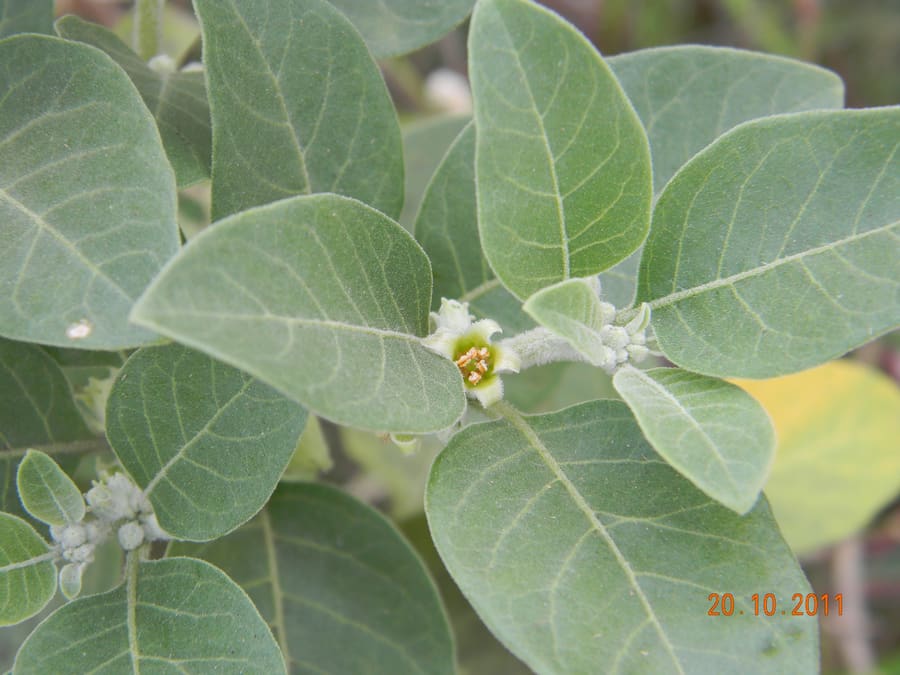 Ashwagandha (Withania somnifera)
Ashwagandha (Withania somnifera), sometimes called “Indian ginseng,” is a sturdy shrub growing to about 5 ft (1.5 m) with oval leaves, greenish or yellow flowers, and small, round fruits. A key herb in Ayurvedic medicine, it is valued for boosting vitality and aiding convalescence from chronic illnesses. It promotes relaxation, increases energy and muscle tone, and can support healthy thyroid hormone conversion from T4 to T3. Traditionally, ashwagandha is considered a “Rasáyana” (rejuvenator), used long-term to rebuild and regenerate body and mind.
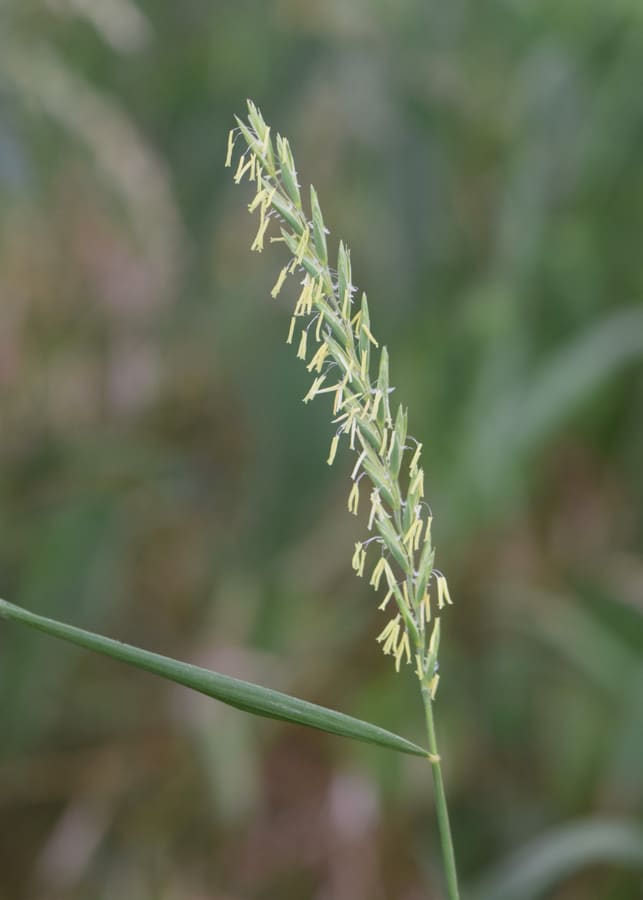 Couch Grass (Elymus repens)
Couch grass is a vigorous perennial growing to 32 inches with a long, creeping rhizome, slender leaves, and erect spikes bearing green flowers aligned in two rows. Found in Europe, the Americas, northern Asia, and Australia, it is an invasive weed harvested throughout the year. In classical times, both Dioscorides (40-90 CE) and Pliny (23-79 CE) recommended couch grass root for poor urine flow and kidney stones. The herbalist John Gerard wrote in 1597 that 'Couch-grasse be an unwelcome guest to fields and gardens, yet his physicke virtues do recompense those hurts; for it openeth the stoppings of the liver and reins [ureters] without heat.' In times of famine, the root was roasted and ground as a substitute for coffee and flour.
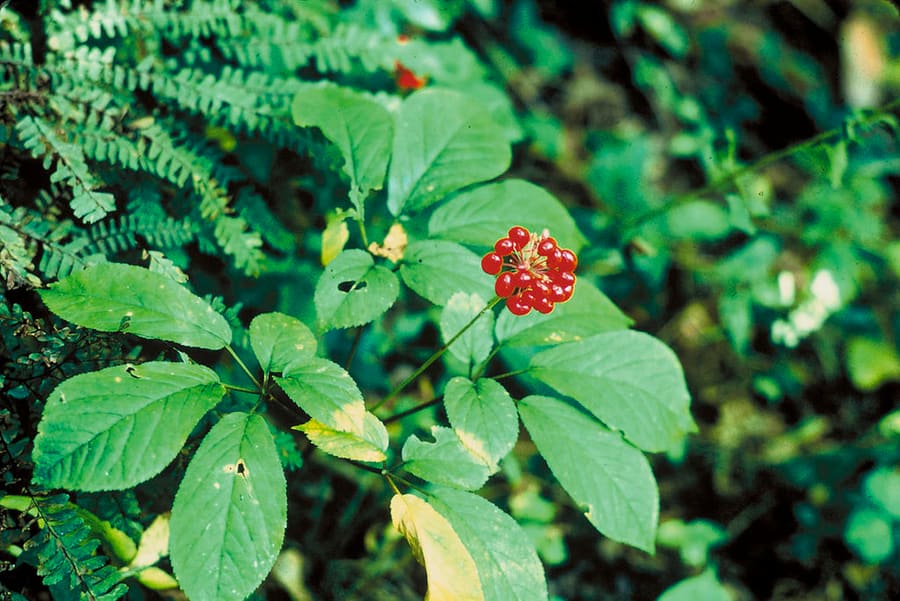 Ginseng (Panax ginseng)
Asian or Korean ginseng (Panax ginseng) is a perennial reaching about 3 ft (1 m) in height, with toothed oval leaves and a cluster of small green-yellow flowers. Its root is legendary for its adaptogenic qualities, boosting energy and physical stamina, slowing aspects of aging, and fortifying the body against stress. Ginseng is considered more warming (especially red ginseng, which is steamed before drying) and thus suited for older, easily fatigued individuals who feel cold.
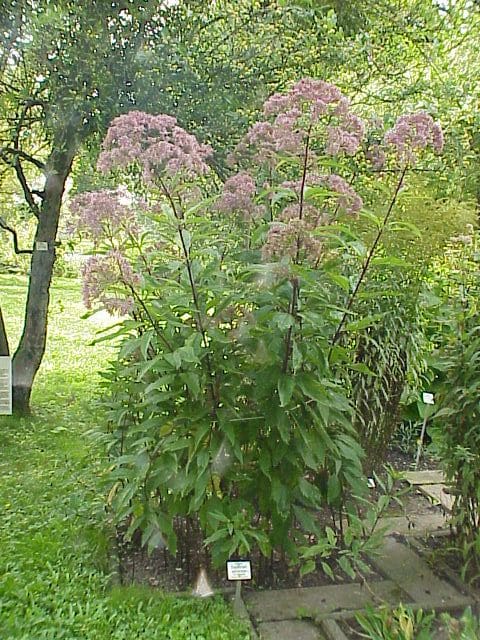 Gravel Root (Eupatorium purpureum)
Gravel root is an erect perennial growing to 5 feet with whorls of pointed oblong leaves and clusters of purple-pink florets. Native to eastern North America, the root is unearthed in autumn. The plant's alternative name, Joe Pye weed, honors the Native American said to have used it to cure New Englanders of typhus. Native Americans valued the herb as a diuretic and remedy for genitourinary conditions, and the root was listed in the Pharmacopoeia of the United States from 1820 to 1842, attesting to its recognized medicinal importance.
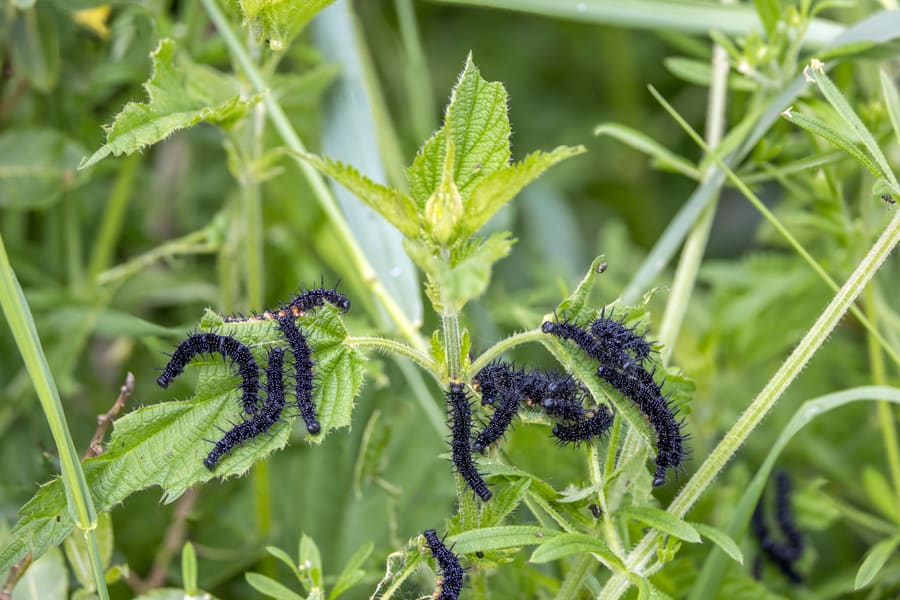 Nettle (Urtica dioica)
Stinging nettle (Urtica dioica) is a perennial growing up to about 5 ft (1.5 m), recognized by its lance-shaped, serrated leaves and tiny greenish flowers. Though capable of “stinging,” nettle leaves and seeds are rich in protein, minerals, vitamins, and have a broad range of therapeutic effects, from anti-allergenic to diuretic.
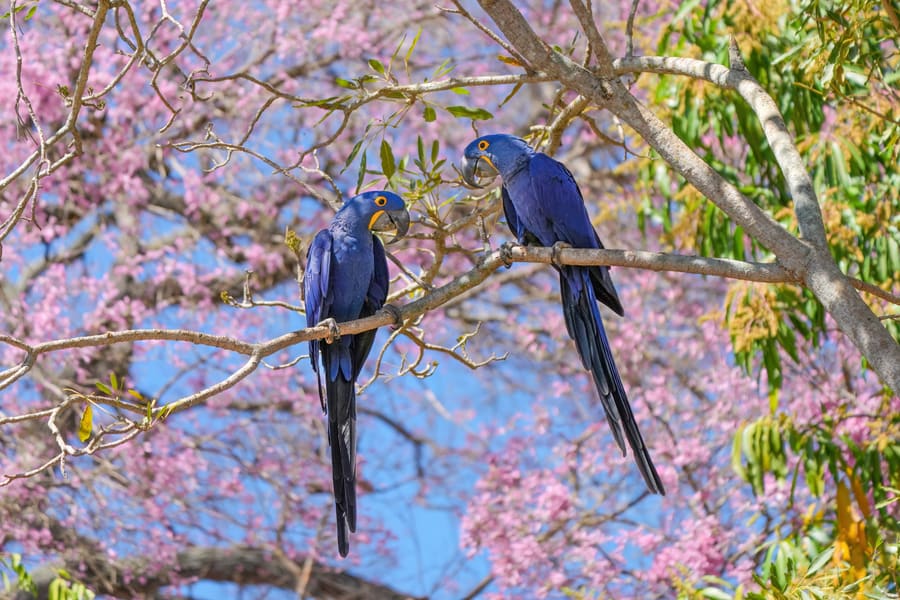 Pau d'Arco (Tabebuia impetiginosa)
Pau d'arco is an evergreen tree that can reach 100 feet in height, producing pink flowers. The bark of this South American tree has been treasured for centuries in traditional medicine for its extensive health benefits. Indigenous peoples including the Incas and the Callawaya valued it as a cure-all. The tree grows in both mountainous terrains high in the Andes and in low-lying areas of Paraguay and Brazil. The prized inner bark is collected from wild-growing trees throughout the year.
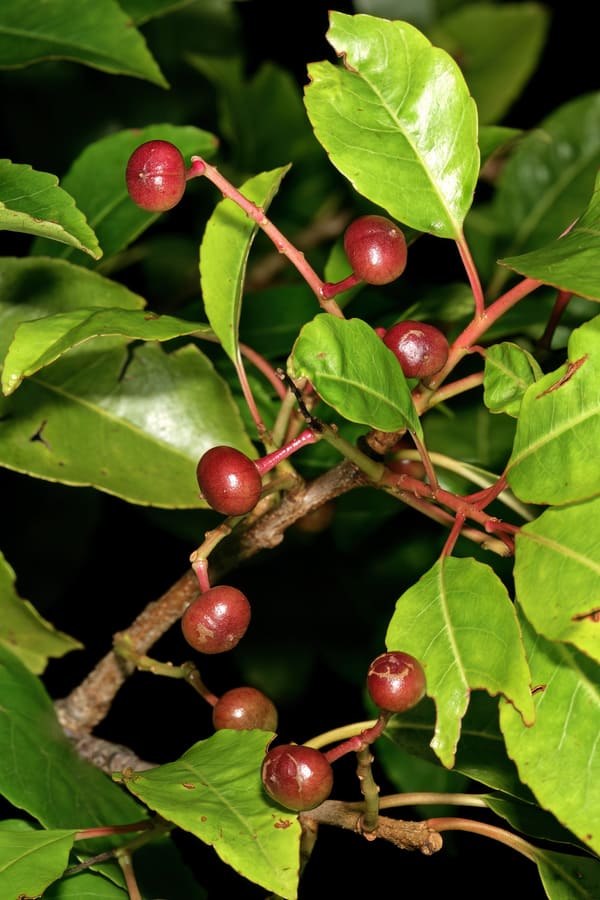 Pygeum (Pygeum africanum)
Pygeum (Pygeum africanum) is an evergreen tree growing up to about 115 ft (35 m), with oblong leaves, white flowers, and red berries. Its bark extract has gained recognition for supporting prostate health, especially in cases of benign prostatic hyperplasia (BPH), as well as providing mild anti-inflammatory and diuretic effects.
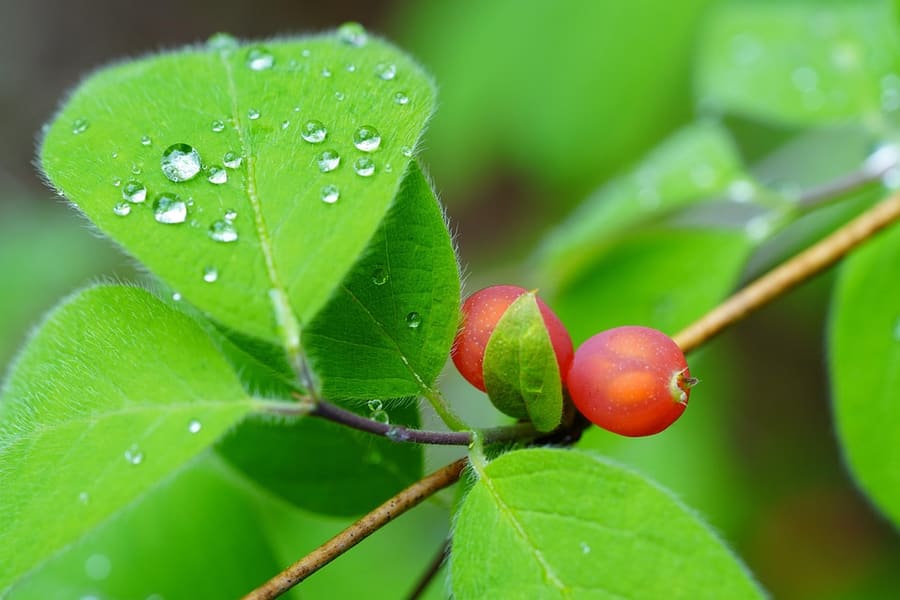 Schisandra (Schisandra chinensis)
Schisandra (Schisandra chinensis), also known as wu wei zi (“5-flavored herb”), is a woody vine that can grow up to 26 ft (8 m). It has pink blossoms and clusters of bright red berries containing powerful adaptogenic, antioxidant, and liver-protective constituents.