
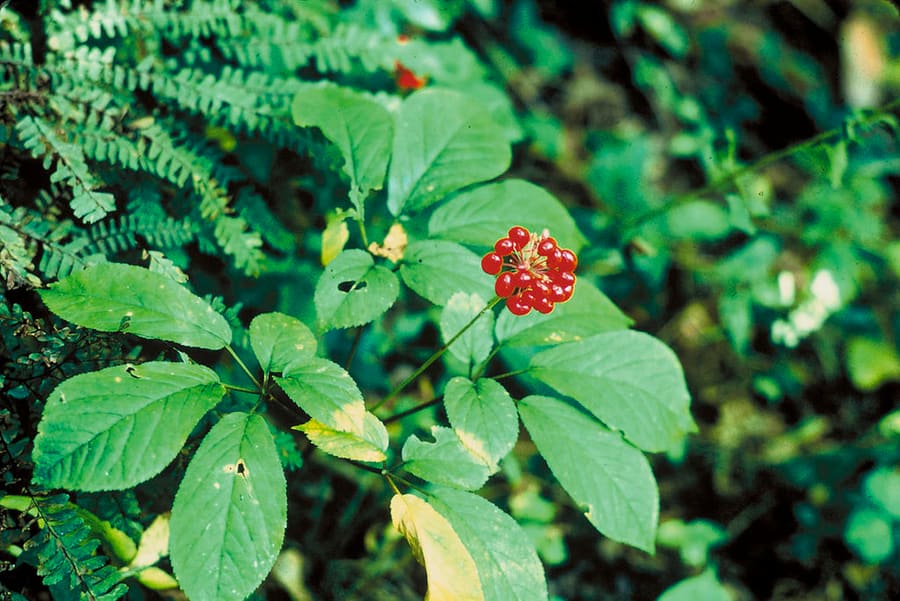
Ginseng (Panax ginseng)
Photo: Wikimedia Commons · Public domain
- Female Reproductive
- 4 conditions
- Licensed photo
Overview
Asian or Korean ginseng (Panax ginseng) is a perennial reaching about 3 ft (1 m) in height, with toothed oval leaves and a cluster of small green-yellow flowers. Its root is legendary for its adaptogenic qualities, boosting energy and physical stamina, slowing aspects of aging, and fortifying the body against stress. Ginseng is considered more warming (especially red ginseng, which is steamed before drying) and thus suited for older, easily fatigued individuals who feel cold.
Traditional uses & properties
Adaptogen & Tonic: Improves stamina, resistance to stress, and aids in recovery from fatigue or injury. Hypertensive & Immune-Stimulating: May raise blood pressure slightly and support weakened immunity, lowering risk of infections and possibly cancer. Hormonal Support: Ginsenosides resemble human hormones; can help men maintain virility and older women address menopausal issues. Mood & Stress: In small doses, can reduce stress, enhance mood, and support general well-being in older adults.
Traditional preparations
Traditional texts describe the preparations below, and where those texts give specific amounts, the amounts are quoted here as part of that record. This is a record of historical practice, not a dosage recommendation - the figures are what the sources say, not what HerbMate tells you to take. Amounts, potency, and safe use vary enormously by preparation, plant part, and person.
Take 0.5-1 g up to 3 times a day for 6 weeks at a time, either by chewing the root, cooking it in a soup or stew, or taking it in tablet form.
Tablets are a convenient way of taking ginseng. Take for short-term stressful events.
Safety & precautions
Signs of Heat or Acute Inflammation: Not advised in high fevers, acute illnesses, or inflammatory states. Blood-Thinning Medications: Seek professional advice as ginseng can interact with them. Max Duration for Healthy Adults: Typically not recommended beyond 6 consecutive weeks. Avoid excessive caffeine while taking it; can cause insomnia and hypertension. Pregnancy: Avoid use.
Drug & food interactions
Panax ginseng (Asian ginseng), Panax quinquefolius (American ginseng) and Eleutherococcus senticosus (Siberian ginseng) appear to modestly lower blood-glucose levels and may therefore potentiate the blood-glucose-lowering effects of conventional oral antidiabetics, although this was not demonstrated in one study. Panax ginseng and Panax quinquefolius may reduce the effects of warfarin. As both ginsengs also contain antiplatelet components, excessive bleeding cannot be ruled out. Panax ginseng, Panax quinquefolius and Eleutherococcus senticosus may also interfere with digoxin assays and, although the evidence is limited, the psychoactive effects of ginseng may be additive with those of MAOIs. Preliminary study suggests that Panax ginseng may increase the clearance of albendazole and alcohol, but the clinical significance of this is not clear.
- Albendazole
- The interaction between Panax ginseng (Asian ginseng) and albendazole is based on experimental evidence only.
- Tamoxifen and other oestrogen antagonists
- Ginseng may contain oestrogenic compounds that might directly stimulate breast cancer growth and oppose the actions of competitive oestrogen receptor antagonists such as tamoxifen. However, there is some evidence that ginseng use before diagnosis might not adversely affect breast cancer survival.
- Warfarin and related drugs
- One pharmacological study found that Panax quinquefolius (American ginseng) modestly decreased the effect of warfarin, whereas another study found that Panax ginseng (Asian ginseng) did not alter the effect of warfarin. Two case reports describe decreased warfarin effects, one with thrombosis, attributed to the use of ginseng (probably Panax ginseng). In a placebo-controlled study, 20 healthy subjects were given warfarin 5 mg daily for 3 days alone then again on days 15 to 17 of a 3-week course of Panax quinquefolius (American ginseng) 1 g twice daily. In the 12 subjects given ginseng, the peak INR was modestly reduced by 0.16, compared with a non-significant reduction of 0.02 in the 8 subjects given placebo. There was also a modest reduction in the AUC of warfarin. In this study, Panax quinquefolius root was ground and capsulated. Evidence from two earlier case reports supports a reduction in warfarin effect. A man taking warfarin long term, and also diltiazem, glyceryl trinitrate and salsalate, had a fall in his INR from 3.1 to 1.5 within 2 weeks of starting to take ginseng capsules (Ginsana) three times daily. This preparation contains 100 mg of standardised concentrated ginseng [probably Panax ginseng (Asian ginseng)] in each capsule. Within 2 weeks of stopping the ginseng his INR had risen again to 3.3. Another patient taking warfarin was found to have thrombosis of a prosthetic aortic valve, with a subtherapeutic INR of 1.4. Three months prior to this episode his INR had become persistently subtherapeutic, requiring a progressive increment in his warfarin dose. It was suggested that this might have been because he had begun using a ginseng product (not identified). In contrast, in a randomised, crossover study in 12 healthy subjects, ginseng capsules 1 g three times daily for 2 weeks did not affect either the pharmacokinetics or pharmacodynamics (INR) of a single 25-mg dose of warfarin taken on day 7. The brand of ginseng used was Golden Glow, each capsule containing an extract equivalent to 0.5 g of Panax ginseng (Asian ginseng) root.
- Laboratory tests
- Panax ginseng (Asian ginseng), Panax quinquefolius (American ginseng) and Eleutherococcus senticosus (Siberian ginseng) may interfere with the results of digoxin assays. A 74-year-old man who had been taking digoxin for many years (serum levels normally in the range 0.9 to 2.2 nanograms/mL) was found, during a routine check, to have digoxin levels of 5.2 nanograms/mL, but without evidence of toxicity or bradycardia or any other ECG changes. The levels remained high even when the digoxin was stopped. It turned out he had also been taking Eleutherococcus senticosus (Siberian ginseng) capsules. When the ginseng was stopped, the digoxin levels returned to the usual range, and digoxin was resumed. Later rechallenge with the ginseng caused a rise in his serum digoxin levels. No digoxin or digitoxin contamination was found in the capsules, and the authors of the report also rejected the idea that the eleutherosides (chemically related to cardiac glycosides) in ginseng might have been converted in vivo into digoxin, or that the renal elimination of digoxin might have been impaired, since the patient showed no signs of toxicity.
- Food
- No interactions found.
- Dextromethorphan
- Eleutherococcus senticosus (Siberian ginseng) does not appear to affect the metabolism of dextromethorphan. A study in 12 healthy subjects found that Eleutherococcus senticosus (Siberian ginseng), 485 mg twice daily for 14 days, did not significantly affect the metabolism of a single 30-mg dose of dextromethorphan.
- MAOIs
- Case reports describe headache, insomnia and tremulousness, which was attributed to the concurrent use of ginseng and phenelzine. A 64-year-old woman taking phenelzine [60 mg daily] developed headache, insomnia and tremulousness after taking Natrol High, a product containing ginseng, probably Eleutherococcus senticosus (Siberian ginseng). She had the same symptoms on another occasion after drinking a ginseng tea (type not stated), which she had used without problem before starting phenelzine. Three years later, while taking phenelzine 45 mg daily, she experienced the same symptoms and an increase in depression 72 hours after starting to take ginseng capsules (type not stated) and a herbal tea. Another depressed woman taking ginseng (type not stated) and bee pollen experienced relief of her depression and became active and extremely optimistic when she started to take phenelzine 45 mg daily, but this was accompanied by insomnia, irritability, headaches and vague visual hallucinations. When the phenelzine was stopped and then re-started in the absence of the ginseng and bee pollen, her depression was not relieved.
- Benzodiazepines
- Eleutherococcus senticosus (Siberian ginseng) did not alter the pharmacokinetics of alprazolam, and Panax ginseng (Asian ginseng) did not alter midazolam metabolism. A study in 12 healthy subjects found that Eleutherococcus senticosus (Siberian ginseng), 485 mg twice daily for 15 days, did not significantly affect the pharmacokinetics of a single 2-mg dose of alprazolam given with the morning dose on day 14. Similarly, in 12 healthy subjects, Panax ginseng (Asian ginseng), 500 mg three times daily for 28 days, did not significantly affect the metabolism of oral midazolam 8 mg. The ginseng preparation used was standardised to 5% ginsenosides. These findings were repeated in a later study using the same criteria in 12 elderly healthy subjects
- Herbal medicines; Guarana
- The stimulant effects of guarana, a caffeine-containing herb, appear to be additive to those of Panax ginseng (Asian ginseng). In a well-controlled single-dose study in healthy subjects, guarana extract 75 mg improved cognitive performance in ‘attention’ tasks and Panax ginseng (Asian ginseng) 200mg improved ‘memory’ tasks. The combination improved both attention and memory tasks, with no clear evidence for synergistic effects, except for better performance in the increased serial sevens subtractions compared with either drug alone. In this study, the ginseng extract was standardised to 4% of ginsenosides, and the guarana extract to 11 to 13% of xanthines (caffeine and theobromine), or a maximum of about 10 mg of caffeine per dose.
- Chlorzoxazone
- Panax ginseng (Asian ginseng) did not alter chlorzoxazone metabolism in one study. In a study in 12 healthy subjects, Panax ginseng (Asian ginseng) 500 mg three times daily for 28 days did not significantly affect the pharmacokinetics of chlorzoxazone 500 mg. The ginseng preparation used was standardised to 5% ginsenosides. These findings were repeated in a later study using the same criteria in 12 elderly healthy subjects.
- Alcohol
- Panax ginseng (Asian ginseng) increases the clearance of alcohol and lowers blood-alcohol levels. Fourteen healthy subjects, each acting as their own control, were given alcohol (72 g/65 kg as a 25% solution) with and without a Panax ginseng (Asian ginseng) extract (3 g/65 kg) mixed in with it. They drank the alcohol or the alcohol/ginseng mixture over a 45- minute period in 7 portions, the first four at 5-minute intervals and the next three at 10-minute intervals. Measurements taken 40 minutes later showed that the presence of the ginseng lowered blood-alcohol levels by an average of about 39%. The alcohol levels of 10 subjects were lowered by 32 to 51% by the ginseng; 3 showed reductions of 14 to 18% and one showed no changes at all.
- Caffeine
- Panax ginseng (Asian ginseng) did not alter caffeine metabolism in one study. Note that both ginseng and caffeine have stimulant effects. In a study in 12 healthy subjects Panax ginseng (Asian ginseng), 500 mg three times daily for 28 days, did not significantly affect the pharmacokinetics of caffeine 100 mg. The ginseng preparation used was standardised to 5% ginsenosides. These findings were repeated in a later study using the same criteria in 12 elderly healthy subjects.
- Antidiabetics
- In patients with diabetes taking various oral antidiabetics, Panax quinquefolius (American ginseng) and Panax ginseng (Asian ginseng) have both shown modest reductions in postprandial glucose levels after a glucose tolerance test, but Panax ginseng did not result in any improvement in diabetes control when given for 12 weeks. In a placebo-controlled crossover study, 19 patients with well-controlled type 2 diabetes were treated with oral Panax ginseng (Asian ginseng) 2 g three times daily 40 minutes before meals in addition to their usual treatment (antidiabetics and/or diet) for 12 weeks. The ginseng had no effect on glycosylated blood-glucose, which remained at about 6.5%, but it did slightly decrease the blood-glucose levels after a 75 g oral glucose tolerance test. All patients in the study were diet controlled: 5 patients received no additional treatment; 3 patients were taking a sulfonylurea; 3 patients were taking metformin; 5 patients were taking a sulfonylurea with metformin; 1 patient was taking a sulfonylurea with metformin and rosiglitazone; 1 patient was taking a sulfonylurea and rosiglitazone; and 1 patient was taking acarbose. In earlier studies by the same research group, single dose Panax quinquefolius (American ginseng) 3 to 9 g slightly reduced the postprandial blood-glucose concentrations by about 20 to 24% in patients with type 2 diabetes when given 40 minutes before or at the same time as a 25 g oral glucose challenge. These patients were being treated with diet alone, sulfonylureas, or sulfonylureas plus metformin. When comparing the effect between those receiving antidiabetics and those not, there was no difference, suggesting no specific drug interaction.
These entries keep the wording of the reference they come from, and three phrases mean three different things. "No interactions found" means the source looked for reports of that pairing and found none. "No data found" means nothing has been published either way. "Based on experimental evidence only" means the effect has been seen in a laboratory or animal study but not in people - a reason for caution, not a report of harm.
Habitat
Native to northeastern China, eastern Russia, and North Korea, ginseng is now very rare in the wild. It requires well-drained, rich soil and skillful cultivation, taking at least 4 years to mature. The roots are often harvested in autumn, then steamed and dried (producing red ginseng) or simply peeled and dried (white ginseng).
Traditionally used for
- Low Sex Drive4 herbs · 2 free
- Erectile Disfunction6 herbs · 2 free
- Premature Ejaculation3 herbs · 2 free
- Stress13 herbs · 2 free
Each condition shows its first 2 remedies free. Premium opens the full remedy list for every condition - or come back for the free Condition of the Day.
Frequently asked questions
What is Ginseng (Panax ginseng) traditionally used for?
Traditional sources describe Ginseng (Panax ginseng) as follows: Adaptogen & Tonic: Improves stamina, resistance to stress, and aids in recovery from fatigue or injury. Hypertensive & Immune-Stimulating: May raise blood pressure slightly and support weakened immunity, lowering risk of infections and possibly cancer. Hormonal Support: Ginsenosides resemble human hormones; can help men maintain virility and older women address menopausal issues. Mood & Stress: In small doses, can reduce stress, enhance mood, and support general well-being in older adults.
How is Ginseng (Panax ginseng) prepared?
Traditional texts describe the preparations below, and where those texts give specific amounts, the amounts are quoted here as part of that record. This is a record of historical practice, not a dosage recommendation - the figures are what the sources say, not what HerbMate tells you to take. Amounts, potency, and safe use vary enormously by preparation, plant part, and person. Erectile Disfunction: Take 0.5-1 g up to 3 times a day for 6 weeks at a time, either by chewing the root, cooking it in a soup or stew, or taking it in tablet form. Stress: Tablets are a convenient way of taking ginseng. Take for short-term stressful events.
What safety cautions apply to Ginseng (Panax ginseng)?
Signs of Heat or Acute Inflammation: Not advised in high fevers, acute illnesses, or inflammatory states. Blood-Thinning Medications: Seek professional advice as ginseng can interact with them. Max Duration for Healthy Adults: Typically not recommended beyond 6 consecutive weeks. Avoid excessive caffeine while taking it; can cause insomnia and hypertension. Pregnancy: Avoid use.
Related herbs
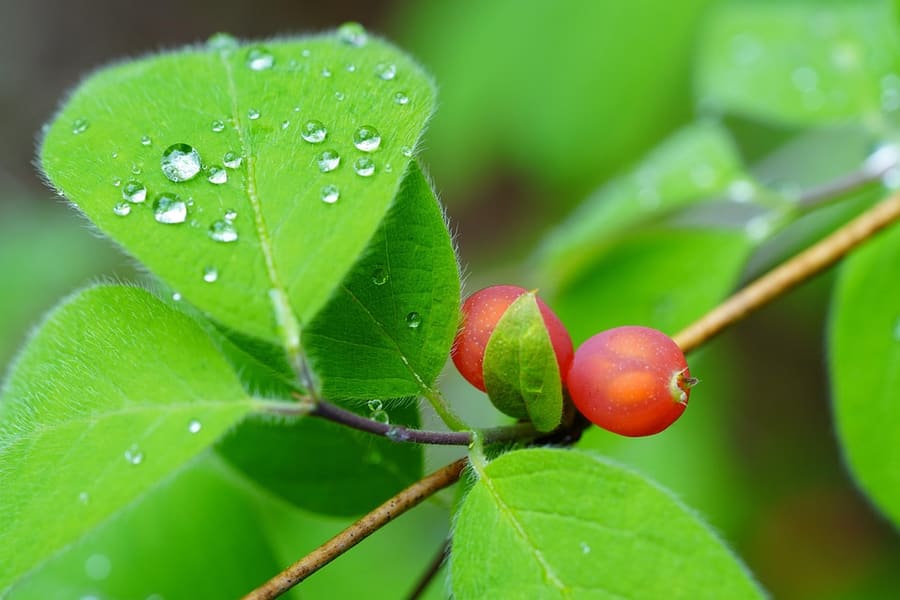 Schisandra (Schisandra chinensis)
Schisandra (Schisandra chinensis), also known as wu wei zi (“5-flavored herb”), is a woody vine that can grow up to 26 ft (8 m). It has pink blossoms and clusters of bright red berries containing powerful adaptogenic, antioxidant, and liver-protective constituents.
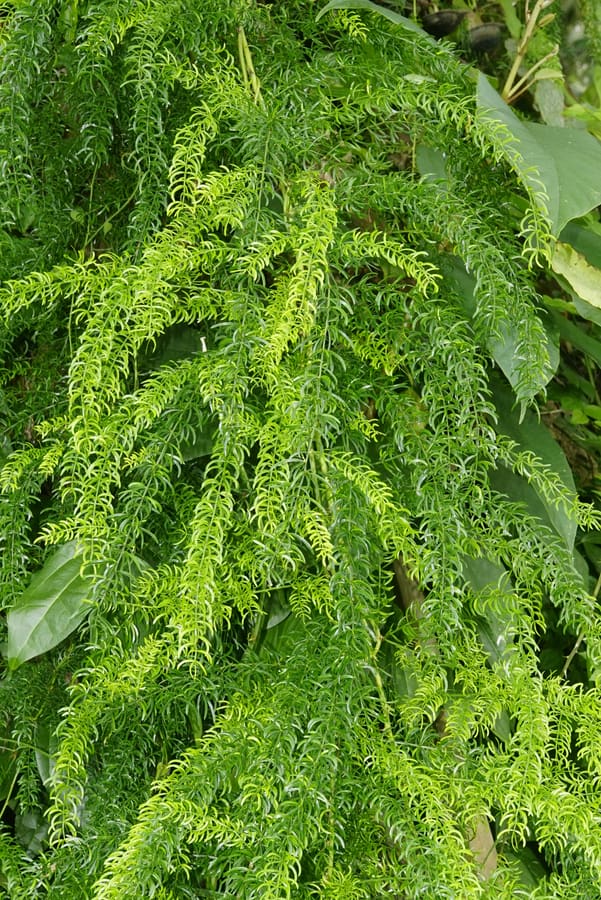 Shatavari (Asparagus racemosus)
Shatavari is a slender perennial fern that can grow up to 23 feet in height, featuring fronds of needle-like leaves, tiny white flowers, and purple-black berries. Known as the 'Queen of herbs' in Ayurvedic medicine, its name literally means '100 spouses,' reflecting its reputation as a sexual tonic and fertility promoter. The root is the medicinal part used. Native to the Himalayas and Indian subcontinent, it grows wild in gravelly soils up to 3,900 feet above sea level and is also found in western China.
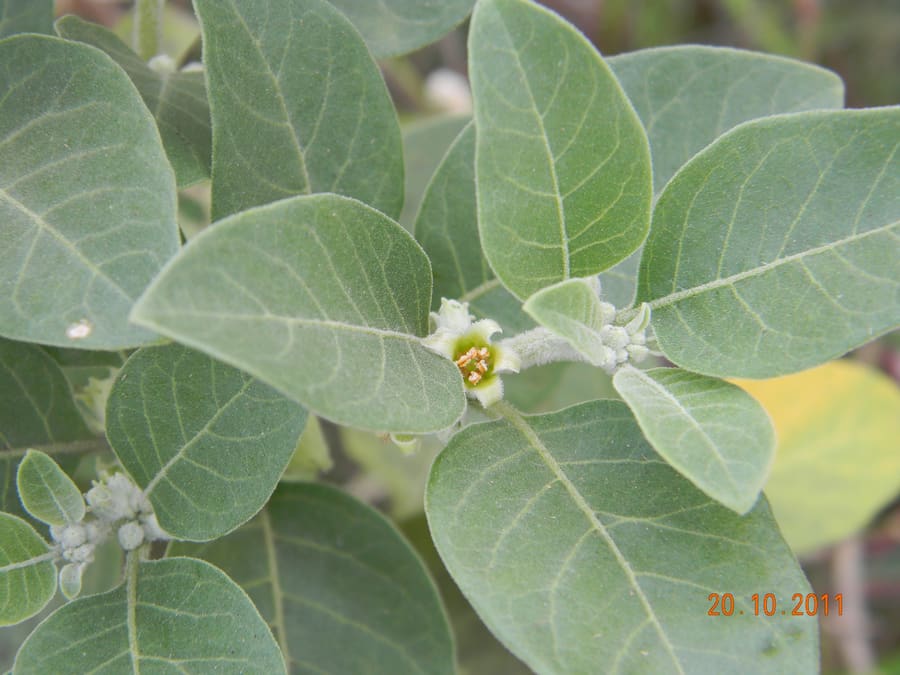 Ashwagandha (Withania somnifera)
Ashwagandha (Withania somnifera), sometimes called “Indian ginseng,” is a sturdy shrub growing to about 5 ft (1.5 m) with oval leaves, greenish or yellow flowers, and small, round fruits. A key herb in Ayurvedic medicine, it is valued for boosting vitality and aiding convalescence from chronic illnesses. It promotes relaxation, increases energy and muscle tone, and can support healthy thyroid hormone conversion from T4 to T3. Traditionally, ashwagandha is considered a “Rasáyana” (rejuvenator), used long-term to rebuild and regenerate body and mind.
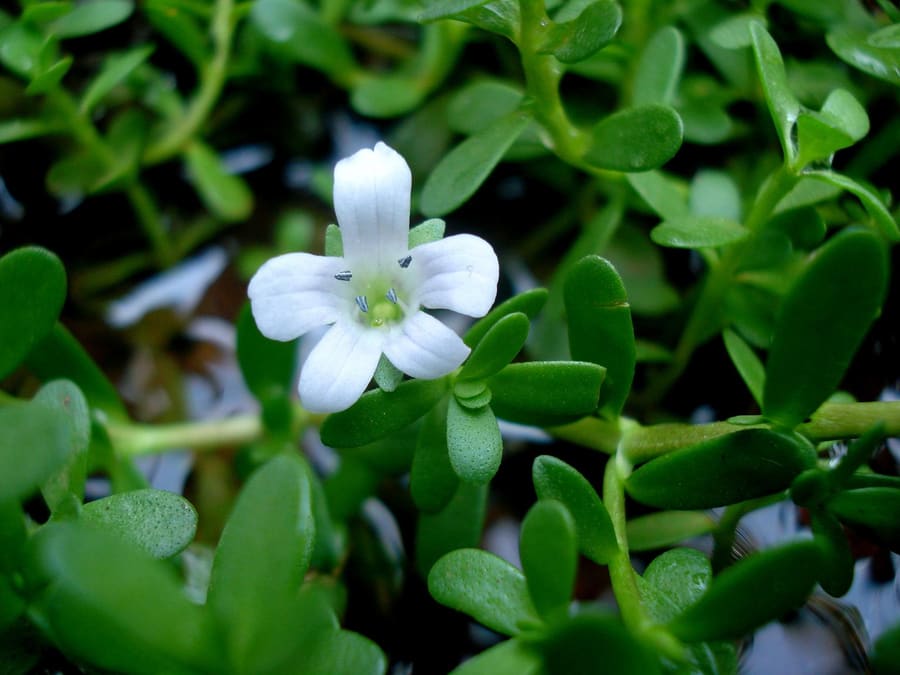 Bacopa (Bacopa monnieri)
Bacopa, also known as Water Hyssop or Brahmi, is a creeping succulent perennial that can grow to about 20 inches. It features spatula-shaped fleshy leaves and pale blue or white flowers on slender stalks. Thriving in marshlands and along the edges of mangrove swamps in warmer temperate and tropical climates - especially southern Asia - it develops into dense mats on mudflats. This herb has been a cornerstone of Ayurvedic medicine for supporting cognitive function and treating various nervous system disorders, and it is increasingly recognized in Western herbalism for its brain-enhancing properties.
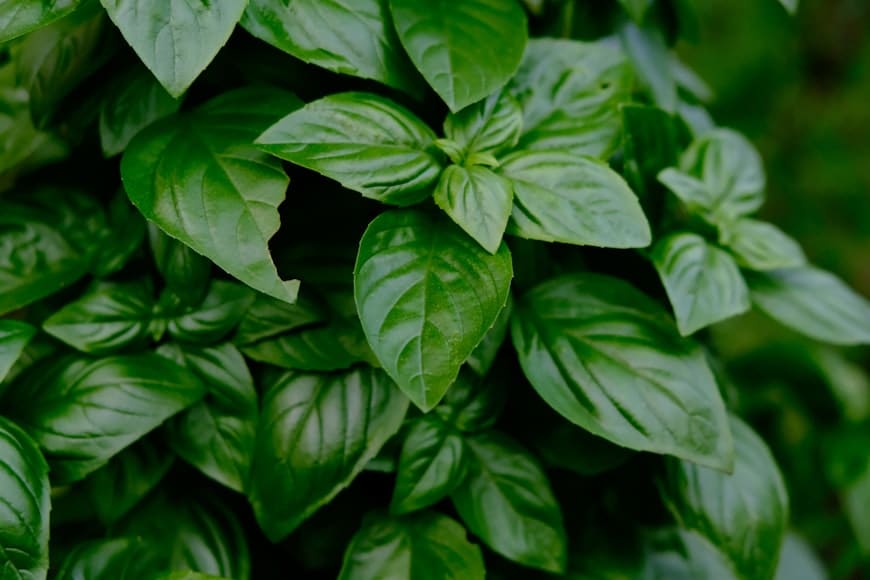 Basil
BasilBasil (Ocimum basilicum) is a bushy annual herb growing up to about 20 in (50 cm), with shiny oval leaves arranged on a square stem and small white flowers in whorls. Known for its strong, sweet aroma, basil is cultivated worldwide in numerous varieties. Traditional sources regard basil as both a culinary and medicinal herb, used to address digestive discomfort and various nervous system issues.
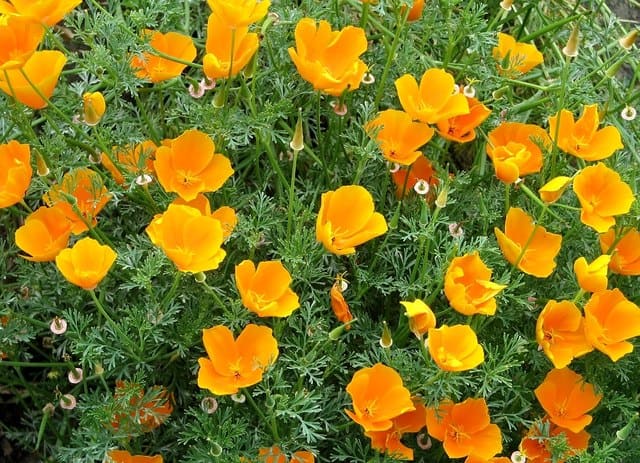 California Poppy (Eschscholzia californica)
California poppy (Eschscholzia californica) is an annual or short-lived perennial with finely divided leaves and vibrant orange, yellow, pink, or red blossoms. A mild sedative and analgesic, it is related to the opium poppy but lacks narcotic effects. Instead, California poppy gently calms the nervous system, helps with insomnia and tension, and soothes pain without depressing central nervous system function.
- Cardamom (Eletteria cardamomum)
Cardamom is an aromatic spice long prized for its fragrant, pungent taste. In Ayurvedic medicine, it has been used for digestive complaints - soothing indigestion, gas, and cramping - and is sometimes employed for respiratory conditions and kidney ailments. Cardamom has a centuries-old reputation as an aphrodisiac and is also believed to help relieve stress and depression when prepared in a mild infusion. Thanks to its agreeable flavor, cardamom is often added to herbal formulas to improve taste.
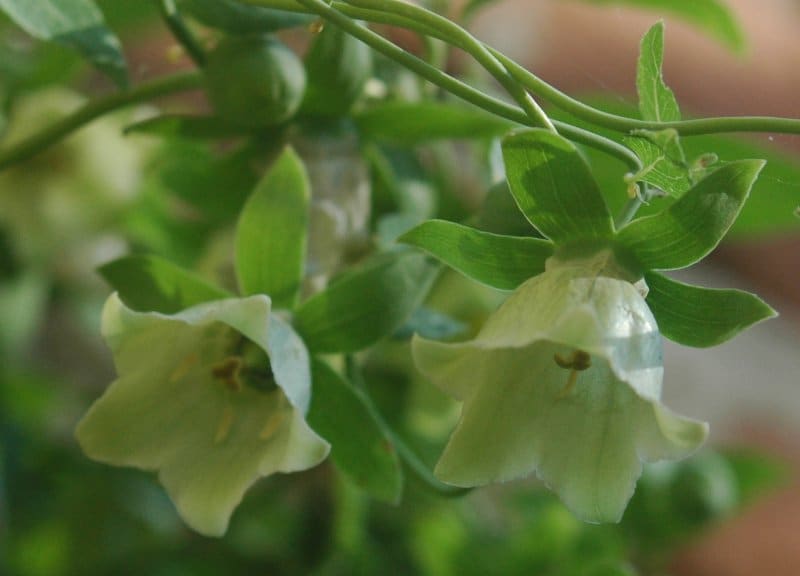 Codonopsis (Codonopsis pilosula)
Codonopsis is a small twining perennial growing to 5 feet with oval leaves and pendulous green and purple bell-shaped flowers marked with purple in summer. Native to northeastern China and growing throughout the region - especially in the Shanxi and Szechuan provinces - it is propagated from seed in spring or autumn, and the root is harvested in autumn once the aerial parts have died down. In Chinese herbal medicine, codonopsis holds a central place as a gentle tonic that increases energy levels, improves physical and mental well-being, and helps the body adapt to stress.