
Herbs for Disk Degeneration
3 herbs traditionally used for this condition.
- Boswellia (Boswellia serrata)
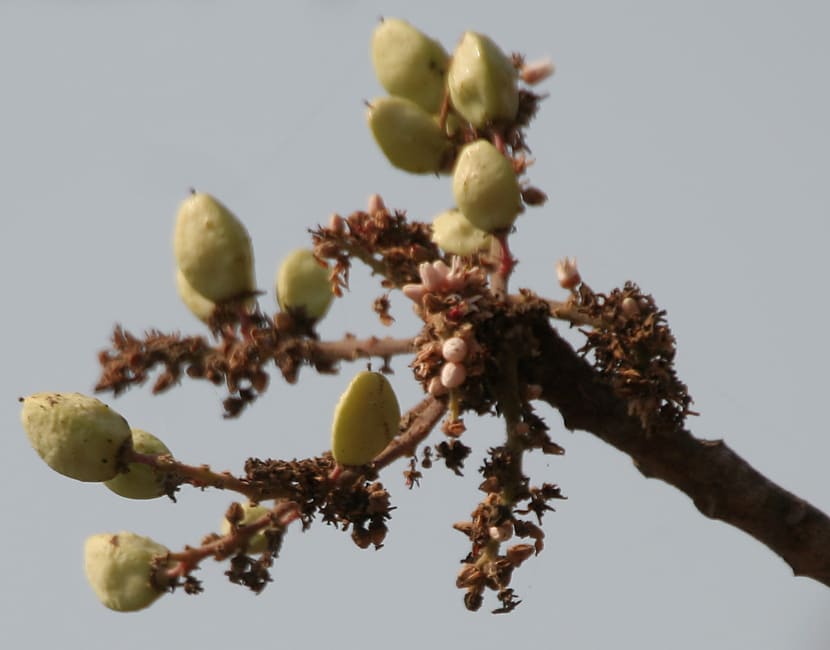
Boswellia is a deciduous tree growing to about 49 ft (15 m), characterized by its pale, papery bark, compound leaves, and small clusters of white flowers. The resin, which exudes from the bark and dries to a transparent gold color, has been used for thousands of years in traditional Ayurvedic medicine for arthritis, pulmonary diseases, ringworm, and diarrhea. The key active components are boswellic acids, noted for their marked anti-inflammatory and pain-relieving properties. Modern research suggests boswellia can be helpful in osteoarthritis, rheumatoid arthritis, bursitis, tendonitis, Crohn’s disease, and ulcerative colitis.
- Turmeric (Curcuma longa)
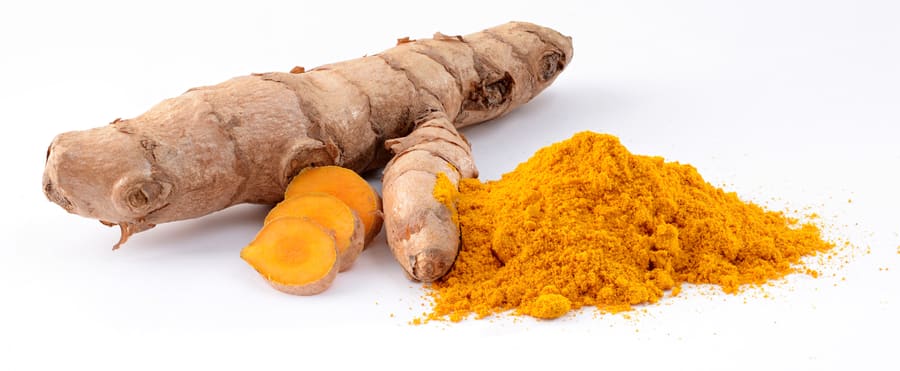
Turmeric (Curcuma longa) is a perennial with a thick rhizome, growing to about 3 ft (90 cm), featuring lance-shaped leaves and pale yellow flowers. Renowned for its bright yellow-orange color, turmeric is a potent anti-inflammatory, antioxidant, and liver-supportive herb commonly employed in Indian cooking and Ayurveda.
- Myrrh (Commiphora molmol)
Myrrh is a resin obtained from several Commiphora species, notably C. myrrha, recognized by its thick, yellowish-red gum resin. Bitter in taste and aromatic, myrrh is both antiseptic and disinfectant, useful for healing wounds and controlling various infections. It is traditionally taken as a mouth rinse or gargle for oral or throat concerns.